
Low Moor Ironworks was a major industrial site in the UK, known for its innovative approaches to iron production. The site was established in the 18th century.
The ironworks were situated in a strategic location near the River Calder, providing a reliable source of water power. This allowed for the operation of machinery that was essential for iron production.
Low Moor Ironworks was a significant contributor to the local economy, employing hundreds of workers and generating substantial revenue.
On a similar theme: Simple Site Company
History of Low Moor Ironworks
The Low Moor Ironworks was built on 13th August 1791. It was a significant industrial project in its time.
Located in Low Moor, Bradford, Yorkshire, England, the ironworks was established to take advantage of the high-quality iron ore and low-sulphur coal found in the area. This made it an ideal location for ironworking.
The ironworks was built to produce wrought iron products, which it did successfully from 1801 until 1957. During this time, it became a major complex of mines, kilns, blast furnaces, forges, and slag heaps connected by railway lines.
Low Moor Ironworks was once the largest ironworks in Yorkshire, and its products were exported around the world.
Readers also liked: Thames Ironworks and Shipbuilding Company
Operations and Process
The ironmaking process at Low Moor Ironworks was a complex and labor-intensive process. It started with converting coal to coke, which took around 24 hours if done in ovens, and resulted in about 32% of the coal being lost.
The ironstone was allowed to weather for some time to free it from shale. Limestone was brought from Skipton to help separate clay from the iron ore. In 1832, it took 9,750 pounds of coal, 2,800 pounds of limestone, and 8,500 pounds of ironstone to make 2,240 pounds of pig iron.
The ironstone was baked with coke and limestone in a kiln, and then emptied into a furnace, from which it came out as ore. This ore was then cast into pigs with a crystalline or granular structure.
The iron was then refined by cold blast, coming out flaky. There were four blast furnaces, with the air delivered by powerful steam engines. The iron was then puddled, becoming granular and malleable.
For your interest: Ironstone Bank
Large steam hammers forged the glowing iron into malleable slabs, which were rolled into wrought iron plates. A lot of the waste material, called slag, from the blast furnaces was sold to be used in building roads.
By 1855, Low Moor was making 21,840 tons of iron per year, making it the biggest ironworks in Yorkshire.
Raw Materials and Location
Low Moor was an ideal location for the ironworks due to its rich natural resources. The area had excellent coal and iron ore.
The ironworks relied on high-quality iron ore, which was found in the form of ironstone. This rock contained about 32% iron, making it a valuable resource for the ironworks.
To make pig iron, a huge amount of materials was needed. In 1832, it took 9,750 pounds of coal, 2,800 pounds of limestone, and 8,500 pounds of ironstone to produce just one ton of pig iron.
The ironworks also had access to low-sulphur coal, which was essential for producing high-quality iron products. The "better bed" coal was found in a seam about 18 to 28 inches thick, making it a valuable resource for the ironworks.
Preparing the Ironstone
Preparing the ironstone was a crucial step in the iron-making process at Low Moor. The ironstone was left outside for some time to break it down and separate it from other rocks.
Limestone was brought from Skipton to help clean the iron ore by separating clay from it. This was a significant process, as it required a lot of materials to make just one ton of pig iron.
Here's a breakdown of the materials needed to make one ton of pig iron in 1832:
- 9,750 pounds of coal
- 2,800 pounds of limestone
- 8,500 pounds of ironstone
The quality of the materials was also important, as the "better bed" coal was found to have very little sulphur, which can make iron weak.
Coal and Iron Ore
The Low Moor Ironworks was a great place for ironworks due to the excellent natural resources found nearby. The area had excellent coal and iron ore.
The coal found in the area was of high quality, with the "better bed" coal being particularly important. This coal was found in a seam about 18 to 28 inches thick and had very little sulphur, which is great because sulphur can make iron weak.
Discover more: SEC V. Texas Gulf Sulphur Co.
Above the "better bed" coal, there was another layer of "black bed" coal. Deeper down, there were more coal beds. Ironstone, a rock that contains about 32% iron, was also found in the area.
Here's a breakdown of the different types of coal found in the area:
- "Better bed" coal: found in a seam about 18 to 28 inches thick, very little sulphur.
- "Black bed" coal: found above the "better bed" coal.
- Ironstone: a rock that contains about 32% iron, found in the area.
- More coal beds: found deeper down.
The presence of these natural resources made it possible for the Low Moor Ironworks to produce high-quality iron products.
Growth and Expansion
The Low Moor Ironworks was a rapidly growing operation, with construction beginning in June 1790.
By 1795, the company had won contracts to provide guns, shot, and shells to the government, which had been at war with revolutionary France since 1793.
The works produced about 2,000 tons of pig iron per year by 1799, used to make iron goods ranging from columns for mill construction to garden furniture.
The company's capital grew from £52,000 in 1793 to £250,000 in 1818.
In 1801, the company started producing wrought iron, initially using imported iron but switching to Low Moor pig iron by 1803.
A regiment of volunteers was formed at Low Moor in 1803, ready to repel the expected French invasion.
The works were gradually mechanized, with a self-tipping inclined railway to charge the furnaces in place by 1805.
The Decline

The Decline of Low Moor Ironworks was a gradual process that spanned several decades. The company's mines were scattered and expensive to operate by the late 1880s. This, combined with the inefficient use of the rail network and outdated machinery, made it difficult for the company to compete.
The company's attempts to modernize, such as building new blast furnaces and an electrical power station, were not enough to offset these challenges. The first of the new blast furnaces came into operation in 1892.
A temporary surge in demand during World War I helped to prop up the company, but after the war, it became clear that the future for wrought iron was uncertain. The company was taken over by Robert Heath & Sons, but their efforts to reduce costs and diversify operations ultimately failed.
The company's reputation was damaged by attempts to use high-sulphur coal, and a slump in heavy industry in the 1920s further reduced demand. The company was declared bankrupt in 1928, and the Low Moor assets were bought by Thos. W. Ward Ltd.
Related reading: Cyber Insurance Demand

Here's a brief timeline of the decline of Low Moor Ironworks:
- 1888: Low Moor becomes a limited company
- 1892: First new blast furnace comes into operation
- 1905: Electrical power station is built
- 1914-1918: World War I causes a temporary surge in demand
- 1928: Company is declared bankrupt
- 1957: Wrought iron production finally ends
The decline of Low Moor Ironworks was a complex and multifaceted process, but ultimately, the company was unable to adapt to changing market conditions and technological advancements.
Building and Growing
Construction of the Low Moor Ironworks began in June 1790. This included building large blast furnaces and casting shops.
The furnaces had square bases, tapering as they rose to about 50 feet in height. They were blown in on 13 August 1791, and the first casting was made by the forgemen three days later.
The works initially produced domestic goods but soon began producing industrial products, including parts for steam engines. By 1799, the works were producing about 2,000 tons of pig iron per year.
The company started to produce wrought iron in 1801, using imported iron at first, but switched to Low Moor pig iron by 1803. This marked a significant milestone in the growth and expansion of the ironworks.
Suggestion: Pacific Steel Casting Company
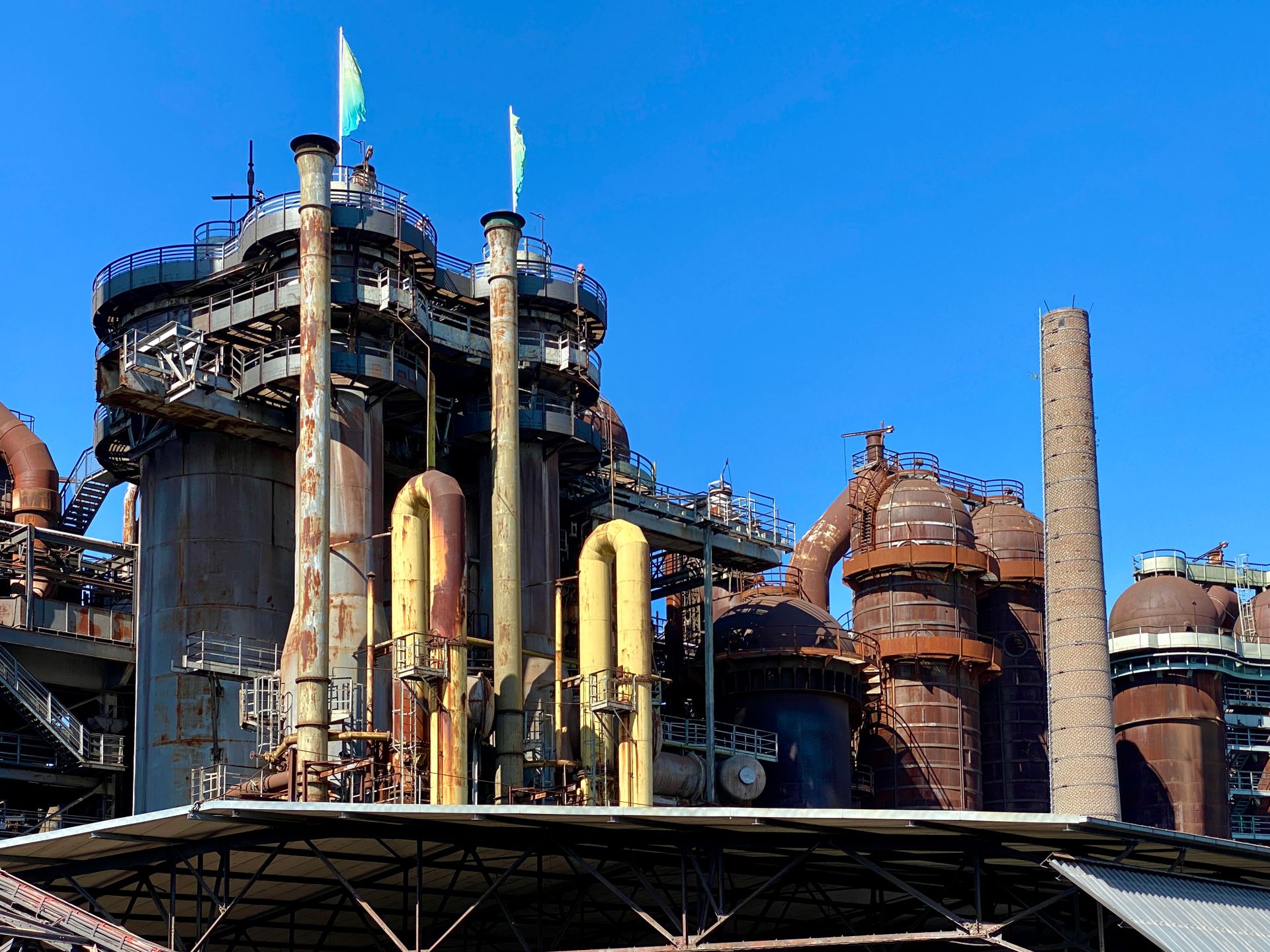
By 1805, the works had become increasingly mechanized, with the addition of a self-tipping inclined railway to charge the furnaces, a nail slitting mill, two nose-helve hammers, and a plate-rolling mill.
The ironworks continued to grow, with the company building workers' cottages in the district, which became known as North Brierley, and a hostel for the boys who worked in the pits. The boys were given free clothing and schooling.
By the end of the war with France in 1814, the works were producing 33 tons of pig iron weekly.
Recommended read: Lpl Financial 1055 Lpl Way
Peak Production, Global Reach
The Low Moor Ironworks reached its peak production, becoming a household name for its exceptional iron quality. The ironworks' high-quality iron earned it global recognition, making it a sought-after supplier.
The Low Moor Ironworks' iron was renowned for its excellence, and its global reach was unprecedented.
Key Technologies and Innovations
Low Moor Ironworks was a pioneer in adopting innovative technologies, starting with the introduction of James Nasmyth's steam hammer.
The first steam hammer was rejected by Low Moor Works, but they eventually accepted an improved version on August 18, 1843.
Robert Wilson, who worked at James Nasmyth's factory, made significant improvements to the steam hammer design.
He invented a way to adjust how hard the hammer hit, which was a crucial improvement.
From 1845 to 1856, Robert Wilson worked at Low Moor Ironworks and continued to refine the steam hammer technology.
Early Development and First Products
The early days of Low Moor Ironworks were quite impressive. The furnaces were incredibly tall, standing at about 50 feet high, with square bases that narrowed as they rose.
The first two furnaces began operations on August 13, 1791, and it didn't take long for them to start producing iron. Just three days later, the first iron was cast!
Initially, the factory focused on making items for homes, but soon they shifted their attention to producing parts for steam engines and other industrial products. This marked a significant milestone in the development of the ironworks.
A different take: Days Payable Outstanding
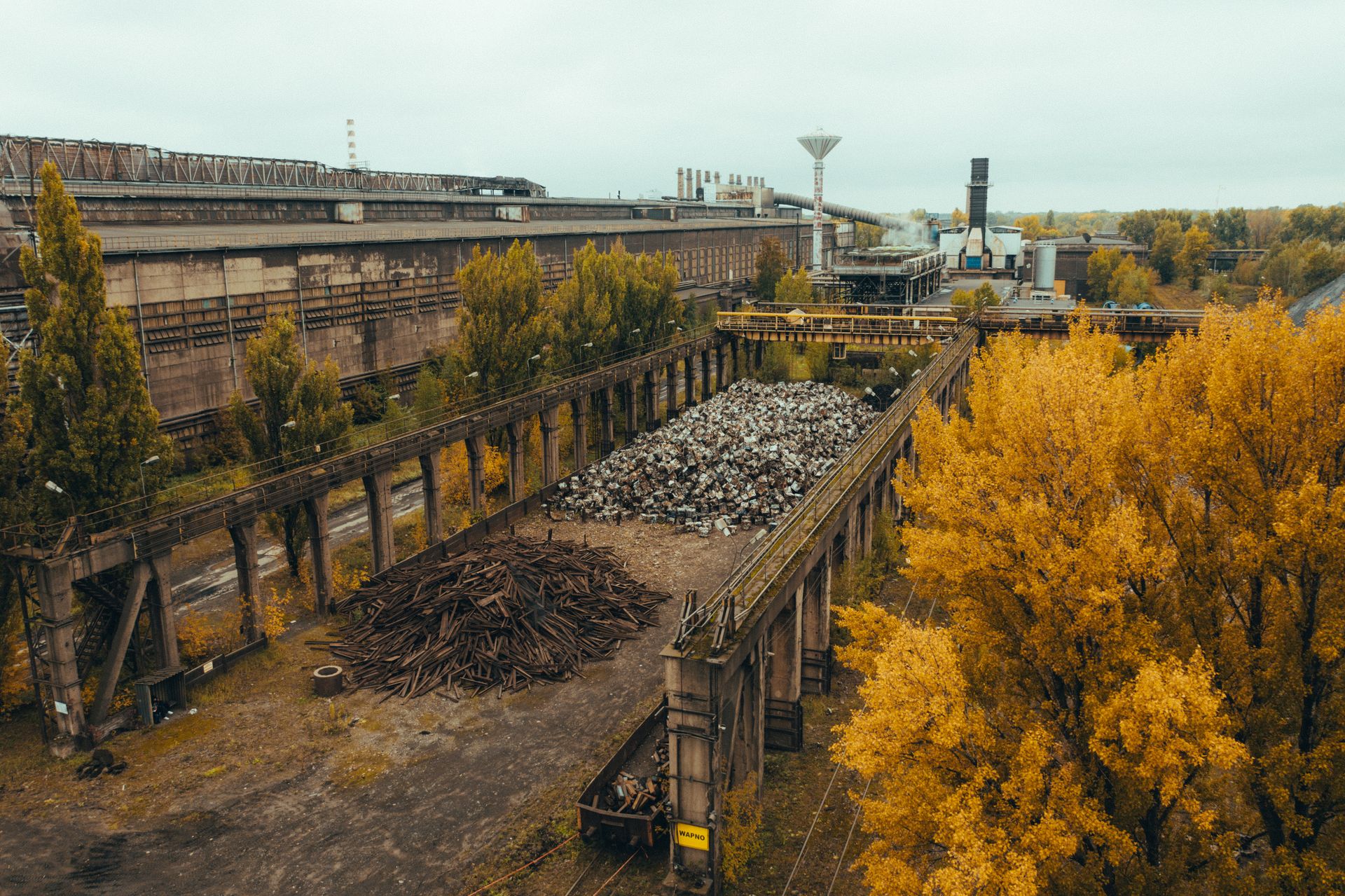
In 1795, the company secured important contracts to manufacture guns, cannonballs, and shells for the government. This was largely due to Britain's ongoing conflict with France.
By 1799, the works were producing around 2,000 tons of pig iron each year. From this pig iron, they created a wide range of products, including sturdy columns for building mills and even garden furniture.
Conversion and Production Process
The conversion and production process at Low Moor Ironworks was a complex and labor-intensive affair. It started with the conversion of coal to coke, which took 48 hours if done in piles in the yard, or 24 hours if done in ovens, and resulted in the loss of about 32% of the better bed coal.
To prepare the ironstone, it was allowed to weather for some time to free it from shale. This helped to separate the clay from the iron ore, making it easier to work with.
Here's an interesting read: 401k in Plan Roth Conversion
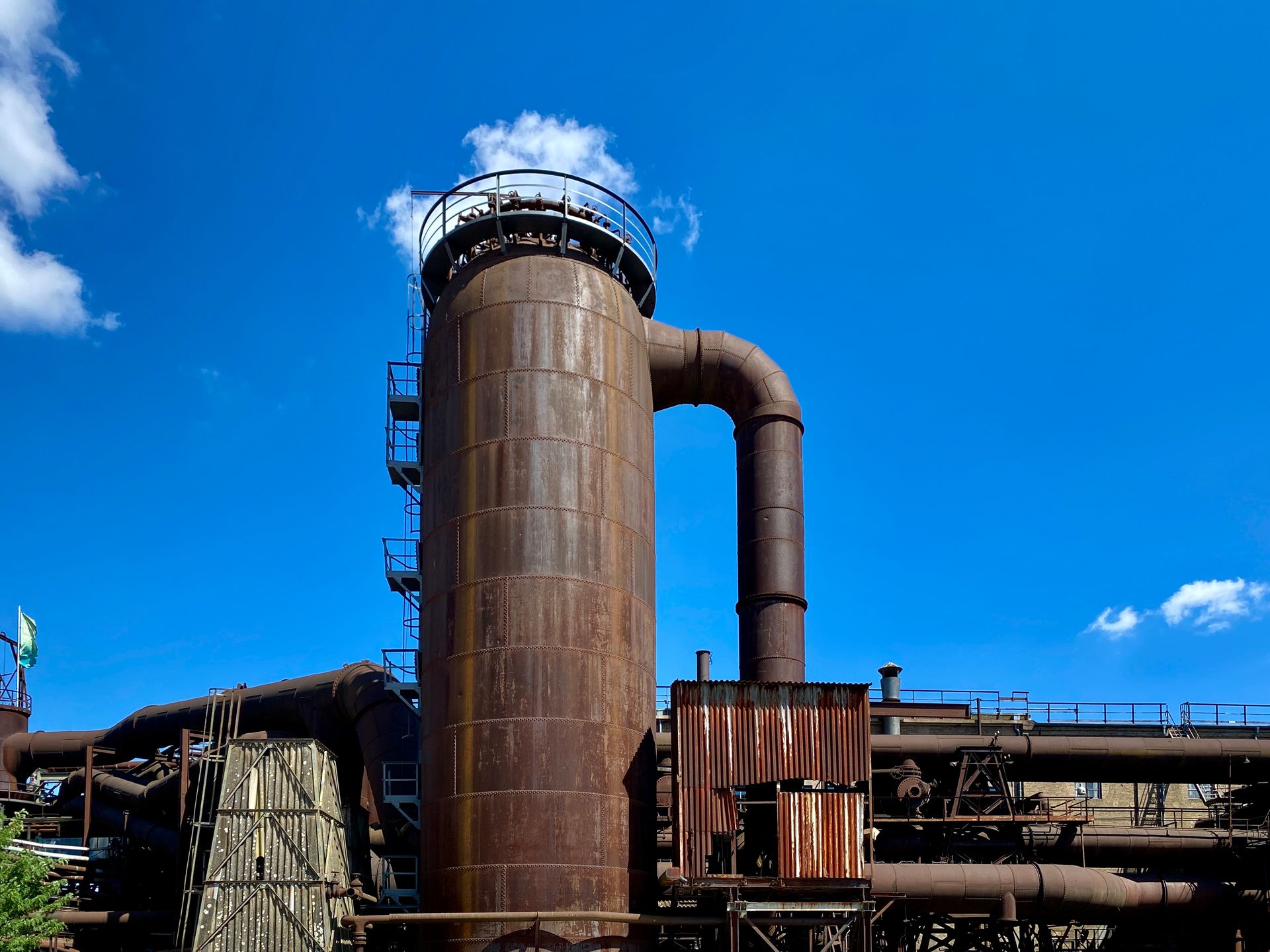
In 1832, it took a massive amount of raw materials to produce just 2,240 pounds of pig iron: 9,750 pounds of coal, 2,800 pounds of limestone, and 8,500 pounds of ironstone. This gives you an idea of the scale of the operation.
The ironstone was then baked with coke and limestone in a kiln, before being emptied into a furnace, where it came out as ore. This ore was cast into pigs with a crystalline or granular structure.
The iron was then refined by cold blast, which came out flaky, and was later puddled to become granular and malleable. This process involved using powerful steam engines to deliver air to the blast furnaces.
The resulting malleable iron was then forged into slabs using steam hammers, before being rolled into wrought iron plates.
Intriguing read: ATM Burglaries Using Explosives
Featured Images: pexels.com