Lisa Su's leadership at AMD has been instrumental in turning the company around. She took over as CEO in 2014 and made significant changes to the company's strategy and product lineup.
Su's disruption strategy has been to focus on high-performance computing and graphics, which has paid off in a big way. AMD's Ryzen and EPYC processors have been particularly successful in the datacenter market.
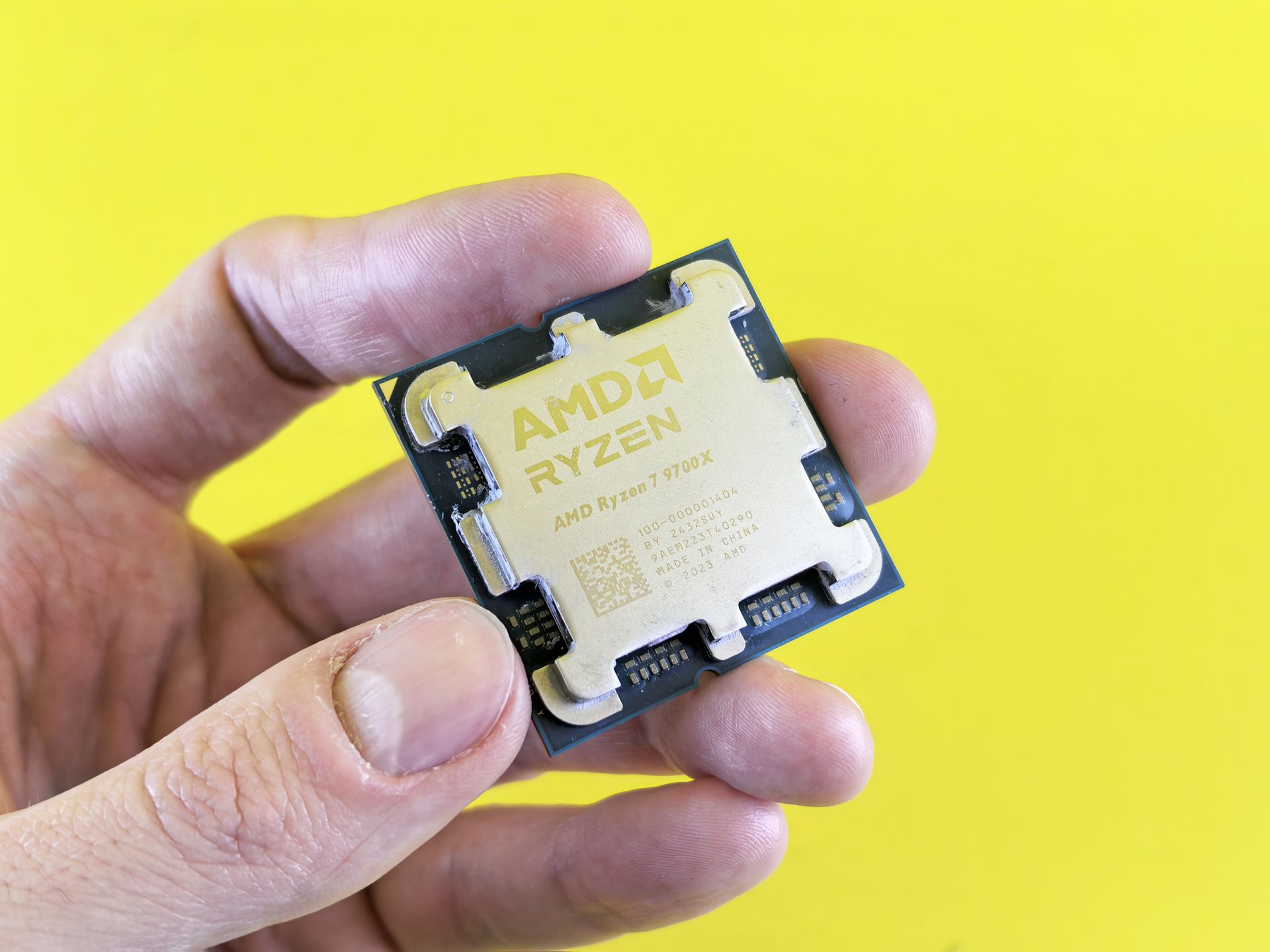
In 2017, AMD released its Ryzen 7 processor, which offered a significant performance boost at a lower price point than Intel's offerings. This move helped AMD regain market share in the desktop market.
The Ryzen 7 processor was a game-changer for AMD, and it marked a turning point in the company's fortunes. Su's leadership and vision had helped AMD stay relevant in a market dominated by Intel.
See what others are reading: Credit Counseling Certificate Chapter 7 Free Pdf
Lisa Su's Vision
Lisa Su's vision for AMD was clear and unwavering. She had a solid plan for the company's future and was willing to work tirelessly to achieve it.
Lisa's approach was different from many CEOs, who are often forced to live quarter to quarter and focus on short-term gains. She planned for the long run, believing that this was the key to the company's turnaround.
Lisa's ability to get everyone to believe in her vision was crucial to the company's success. She had an iron will that helped her persevere through distractions and uncertainty.
By focusing on building high-performance chips, AMD was able to offer its products at a lower price than the competition. This was a key strength of the company, and Lisa made sure to play to it.
Lisa's vision was to be number one or number 2 in the world in whatever the company produced. She believed that this was only possible by identifying the DNA of the company and focusing on its core competencies.
Strategy and Approach
Lisa Su's strategy to turn AMD around was a masterclass in understanding the core of the company and its strengths in relation to the market and competition. She had a clear vision for the future, which included a "blank sheet" approach to redesigning AMD's processor design from the ground up.
Su approved a radical approach that emphasized a redesigned compute core, AMD's most valuable intellectual property, which was aging quickly. It took years to develop, but the result was a new core, known as "Zen", which was first introduced in 2017 and is now on its fifth generation of improvements.
Understanding the risk associated with manufacturing was crucial for Su, especially given AMD's tight cash position. She made the smart decision to use Taiwan Semiconductor Manufacturing to build its chips, starting in 2019.
The focus on chiplets, which allowed AMD to make smaller chips and assemble them together, was a game-changer. This approach not only made manufacturing more efficient but also reduced the risk associated with it.
Lisa Su's expertise in chip design and manufacturing was instrumental in AMD's success. She knew fundamentally how chips are made and could assess the risk of different technology options, making the right choice for the company.
The use of chiplets has now become a standard practice in the industry, with nearly every major processor company adopting the technology. AMD's experience in chiplets even enabled it to take an announced data center GPU and swap out the CPU chiplets to make it one large GPU better suited for AI.
Related reading: Dfa Emerging Markets Core Equity Fund
Disruption and Competition
Lisa Su's leadership at AMD has been instrumental in disrupting the industry. Her company's focus on Price Leadership allowed AMD to offer competitive pricing, making their products more accessible to a wider market.
By achieving an Availability Advantage, AMD ensured that their products were readily available to customers, giving them a significant edge over competitors. This availability helped to increase customer satisfaction and loyalty.
The Technical "Good Enough" approach allowed AMD to balance performance with affordability, making their products appealing to a broader range of customers. This strategy helped to drive adoption and growth for the company.
By embracing an Open Ecosystem Play, AMD created a collaborative environment that encouraged innovation and partnership. This approach helped to foster a community around their products, driving development and adoption.
Consider reading: High Availability
AMD's Disruption Pillars
AMD's Disruption Pillars are a key strategy for the company.
AMD's Four Pillars of Disruption are designed to shake up the industry.
The first pillar is Price Leadership, which means AMD aims to be the most affordable option in the market.
See what others are reading: Crowdstrike Disruption
This approach has helped AMD gain a significant market share.
The second pillar is the Availability Advantage, which ensures that AMD's products are widely available.
This makes it easier for customers to get their hands on AMD's products.
The third pillar is Technical "Good Enough", which means AMD focuses on delivering products that meet the minimum requirements.
This approach allows AMD to be competitive in the market without breaking the bank.
The fourth pillar is the Open Ecosystem Play, which encourages developers to create products that work with AMD's technology.
This helps to create a vibrant ecosystem around AMD's products.
Mi300x vs H100: Comparison
The MI300X and H100 are two powerful processors, but they have their differences. AMD wins in certain aspects, but loses in others.
For 70% of AI workloads, the MI300X is more than sufficient. This suggests that it's a reliable choice for many applications. The MI300X's performance in these workloads is a significant advantage over the H100.
The comparison between the two processors shows that AMD's MI300X has a clear edge in certain areas.
Why It Works
The AI chip shortage actually created an opening for AMD to shine. This was a turning point for the company.
Lisa Su's strategy to turn AMD around is built on three key elements. First, understanding the company's core strengths in relation to the market and competition. Second, having a clear vision for the future. And third, communicating this strategy to all employees.
AMD's goal is not to beat NVIDIA, but to become the obvious second choice when NVIDIA is unavailable, too expensive, or too controlling. They're executing this strategy perfectly, with a $5B run rate growing 300%.
Why This Strategy Works
The AI chip shortage created AMD's opening, which led to a market maturation that ultimately helped the company turn itself around.
AMD's strategy to become the obvious #2 choice in AI is a smart move, as it doesn't need to beat NVIDIA to win big.
Being the strong #2 in a $200B AI chip market by 2027 means revenue of $40-50B, a huge opportunity that AMD is currently trading at a fraction of.

History shows that technology monopolies create their own disruption through hubris and price umbrella, which is a lesson for business leaders.
If you're building AI infrastructure, AMD just became your negotiating leverage, giving you more options.
If you're investing in AI picks and shovels, AMD offers asymmetric upside, making it a potentially lucrative choice.
NVIDIA just got a new competitor, and AMD's success is a warning sign for the company's dominance.
Curious to learn more? Check out: Just Cause (employment Law)
The Software Gap and Its Closure
NVIDIA has a significant lead in software development with its CUDA platform, which is a major contributor to its dominance in the market.
Meta and Microsoft are investing heavily in ROCm, a competing platform developed by AMD, because they need leverage against NVIDIA.
The Software Gap is closing as companies like Meta and Microsoft are investing in alternative solutions, reducing NVIDIA's CUDA moat.
NVIDIA's CUDA platform has been a major factor in its success, but AMD's ROCm is gaining traction, closing the Software Gap.
Outlook and Predictions
Under Lisa Su's leadership, AMD is poised to make significant strides in the AI market. By 2027, AMD is predicted to capture 25% of the AI market share, thanks to the "good enough" revolution.
This shift is driven by the idea that many AI applications don't require the absolute best performance, but rather "good enough" results. This trend is expected to benefit AMD's offerings.
The company's ROCm platform is also expected to achieve CUDA parity for inference, making it a more attractive option for Big Tech companies.
NVIDIA, on the other hand, is predicted to maintain its premium position but cede volume to AMD. This suggests that NVIDIA will focus on protecting its margins over market share.
Here are the key predictions in a concise list:
- AMD captures 25% AI market share by 2027
- ROCm achieves CUDA parity for inference
- NVIDIA maintains premium but cedes volume
Key Insights
Lisa Su's leadership at AMD has been a game-changer. She's credited with revitalizing the company's success, steering it back to growth and profitability after years of struggles.
Under Su's leadership, AMD has made significant strides in the CPU and GPU markets, challenging industry giants Intel and NVIDIA. This is a huge accomplishment, especially considering the tough competition in the tech industry.
Su emphasizes a culture of innovation at AMD, fostering partnerships across the tech ecosystem to drive growth and technological advancement. This approach has helped AMD stay ahead of the curve and adapt to changing market trends.
Su's vision extends beyond immediate company success, focusing on the broader impact of semiconductors on technology and society. This kind of forward thinking is rare in the business world, and it's a testament to Su's leadership and commitment to making a positive impact.
Journey and Masterstroke
Lisa Su's journey to saving AMD was nothing short of remarkable. She joined AMD in 2012 as Senior Vice President and General Manager of Global Business Units, tasked with the end-to-end business execution of AMD's products.
Su's tenure at AMD was marked by a series of strategic moves that ultimately led to the company's resurgence. She unified AMD's business units, sales, global operations, and infrastructure enablement teams into a cohesive market-facing organization.
Before her impactful journey at AMD, Su held various leadership roles at IBM, including setting the strategic direction for IBM's silicon technologies and semiconductor R&D operations. She spent 13 years at IBM in total.
Su's strategy to get AMD back to growth and profitability focused on leveraging AMD's strengths in high-performance computing and graphics technologies. She prioritized the development of new products that could compete in key markets.
The successful launch of the Ryzen and EPYC processor lines in 2017 marked the beginning of AMD's resurgence, and as of 2024, these lines remain among AMD's most significant assets.
A different take: Acquisition of the IBM PC Business by Lenovo
Featured Images: pexels.com