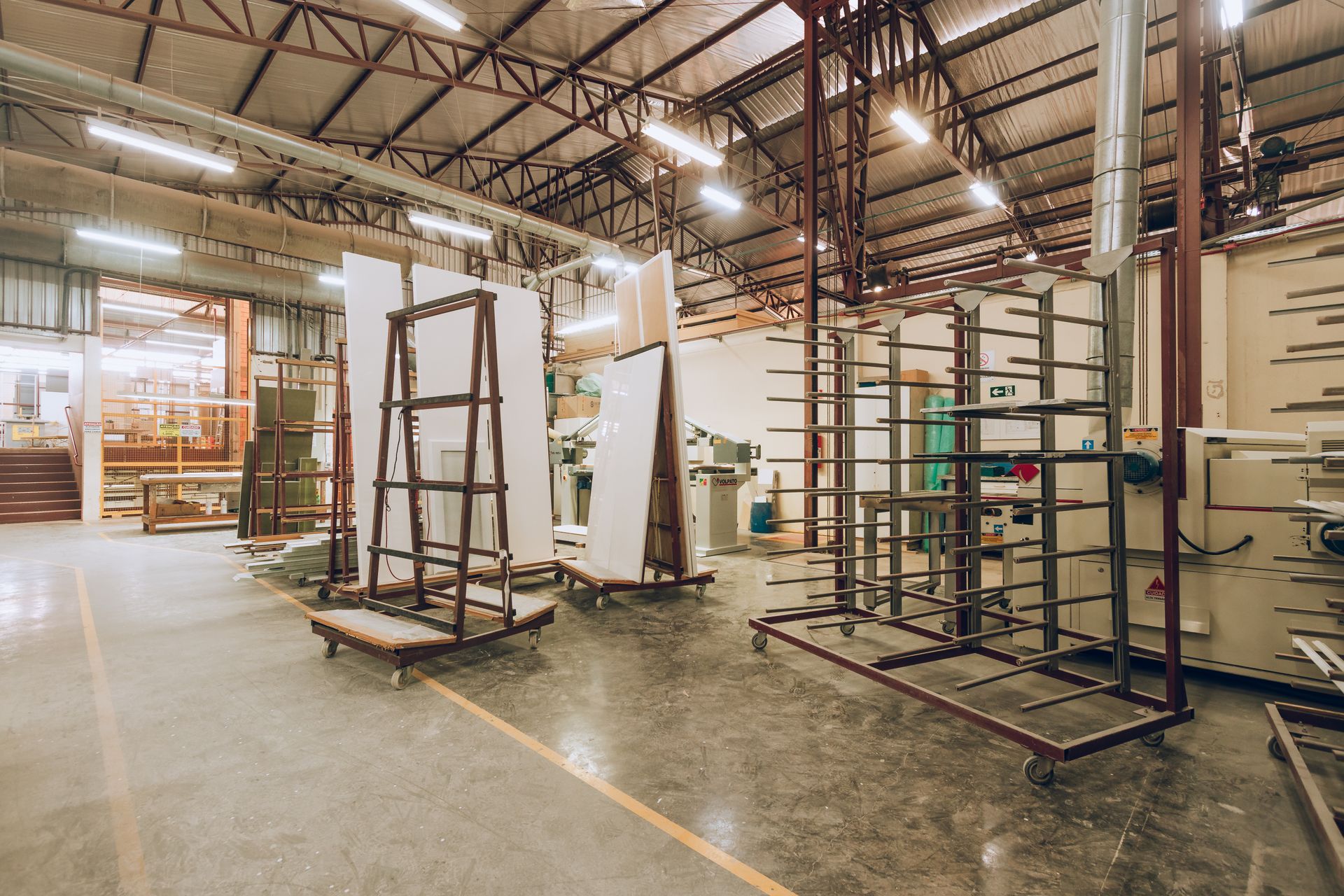
Keasbey and Mattison Company had a major presence in Ambler, Pennsylvania, where they operated a factory that produced asbestos-containing products.
Their factory was located at 601 East Butler Avenue in Ambler, and it was there that the company manufactured a range of products, including brake linings and clutch facings, which contained asbestos.
The use of asbestos in these products has had a lasting impact on the community, with many residents and workers exposed to the toxic substance over the years.
The legacy of Keasbey and Mattison's asbestos use in Ambler continues to be felt today, with ongoing efforts to clean up and remediate the site.
You might like: Asbestos Convention
Early History of Keasbey and Mattison
Keasbey and Mattison was founded in 1873 by business partners Dr. Richard V. Mattison and Henry G. Keasbey. They set up a production facility in Ambler, Pennsylvania, in 1881.
The company started making pharmaceuticals, but it wasn't long before Dr. Mattison discovered a new use for asbestos. He mixed it with milk of magnesia to create an effective insulating material.
Expand your knowledge: Dr Quattrone
By 1886, the company had switched from making medicines to manufacturing the insulation, along with other construction materials. This marked the beginning of their expansion into the construction industry.
Here's a quick timeline of the company's early years:
- 1873: Keasbey and Mattison was founded
- 1881: Production facility was set up in Ambler, Pennsylvania
- 1886: Company switched from making medicines to manufacturing insulation and construction materials
The company's innovative use of asbestos led to its expansion and growth, and it soon became a leading producer of asbestos materials in the U.S.
Curious to learn more? Check out: Does Insurance Cover Asbestos Abatement
Hazards and Health Effects
The Keasbey and Mattison Company had a significant impact on the health and well-being of the community in Ambler, especially when it came to asbestos hazards.
In the 1970s, residents of Ambler realized the dangers of asbestos waste being dumped in the "White Mountains of Ambler" by Keasbey & Mattison.
The negative health effects of asbestos were first noted at the turn of the 20th century, and by the 1950s, evidence linking asbestos to cancer was mounting, with people exposed to asbestos for 20 years or more having a 10 times higher risk of developing lung cancer than the general population.
Living near an asbestos factory or in a building insulated with asbestos would increase the risk of getting mesothelioma, a formerly rare cancer that was found in epidemic proportions at an asbestos mine in South Africa.
1970s: Ambler Residents Identify Hazards
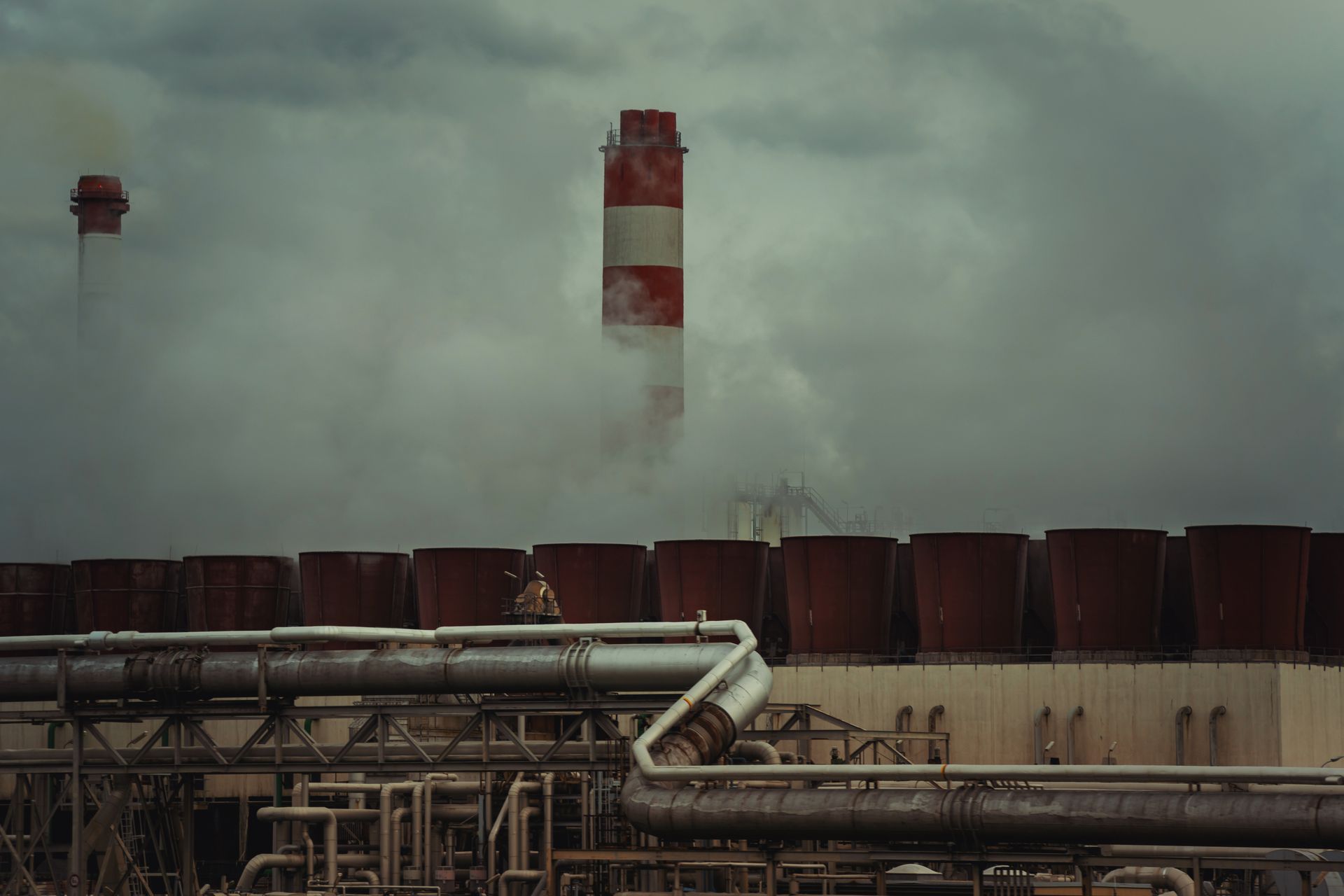
In the 1970s, Ambler residents became aware of the asbestos hazards in their community.
Keasbey & Mattison continued to dump asbestos waste into the "White Mountains of Ambler" until at least the 1970s.
The Clean Air Act prohibited the sale of asbestos-based insulation spray in 1973.
The EPA initiated a plan to remediate the "White Mountains of Ambler" around the same time.
Negative Health Effects
The negative health effects of asbestos are alarming. Asbestos was first noted to have health effects at the turn of the 20th century.
People exposed to asbestos for 20 years or more had a 10 times higher risk of developing lung cancer than the general population by the 1950's. This is a staggering statistic that highlights the dangers of asbestos exposure.
Asbestos exposure can lead to serious illnesses such as mesothelioma, a formerly rare cancer that was found in epidemic proportions at an asbestos mine in South Africa.
Living near an asbestos factory or in a building insulated with asbestos would increase the risk of getting mesothelioma, as indicated by a study in the 1960's.
Consider reading: Economic Effects of the September 11 Attacks
Construction Workers
Construction workers were at a high risk of asbestos exposure, particularly those involved in various aspects of building projects. Drywall installers were one group that could have been exposed due to the presence of Nicolet and K & M asbestos products.
Many laborers on construction sites were also at risk of asbestos exposure, as they often worked with materials that contained the hazardous substance. Laborers played a crucial role in construction projects, but their exposure to asbestos put their health at risk.
Electricians and plumbers were also exposed to asbestos, often through their work on pipes and other infrastructure. The presence of asbestos in these areas made it difficult for these workers to avoid exposure.
Carpenters and insulation workers were another group that could have been exposed to asbestos, as they often worked with materials that contained the substance. Their proximity to asbestos-containing materials put them at risk of health problems.
Demolition workers and roofers were also at risk of asbestos exposure, as they often disturbed asbestos-containing materials during their work. The disruption of these materials released asbestos fibers into the air, putting these workers at risk.
Here are some construction workers who could have been exposed to asbestos:
- Drywall installers
- Laborers
- Electricians
- Plumbers
- Carpenters
- Insulation workers
- Demolition workers
- Roofers
- HVAC workers
Exposure and Impact
Exposure to Keasbey and Mattison Company's products posed a significant risk to those who handled or worked with them. Anyone exposed to the asbestos in their products was at risk of unintentional inhalation.
Family members of workers were also in danger due to secondhand exposure, as their loved ones may have brought asbestos fibers home on their clothing and tools. This is known as secondhand or secondary asbestos exposure.
Auto mechanics, such as those replacing brakes on a car, also risked exposure if they worked with or handled Nicolet products containing asbestos.
Suggestion: Exposure (Bilott Book)
1930: Begins Dumping Waste in Ambler
These debris piles grew to contain 1.5 million cubic yards of asbestos waste across 25 acres of land.
Children often played on these piles, which was a concerning sight.
Asbestos dust from the mountains blew throughout the city, increasing residents' exposure to asbestos.
This reckless dumping continued for several decades, with devastating consequences for the community.
Mechanics
As a mechanic, you're already familiar with the importance of following safety protocols to avoid injury. Auto mechanics risked exposure to asbestos if they worked with or handled Nicolet products containing asbestos.
Replacing brake pads on a car can be a messy job, and the friction generated can cause asbestos dust to build up in the brakes. This dust can be inhaled, putting the mechanic at risk of asbestos exposure.
Auto mechanics may not think twice about working with brake pads, but the risks associated with asbestos exposure can't be ignored.
See what others are reading: Mechanics and Metals National Bank
Secondhand Exposure
Secondhand Exposure can be just as hazardous as direct exposure to asbestos. The tiny fibers of asbestos minerals can easily come loose, especially when handled and disturbed.
Family members of workers who handled asbestos products were also in danger because their loved ones may have brought asbestos fibers home on their clothing and tools. This is known as secondhand or secondary asbestos exposure.
Lawsuits and Consequences
Lawsuits Against Armstrong was a significant consequence of the Keasby & Mattison Company's asbestos exposure. A landmark case determined that Armstrong World Industries was liable for all cases related to K & M or Nicolet.
Armstrong acquired Nicolet, making it responsible for Nicolet's asbestos liabilities. This acquisition had a ripple effect, allowing other victims of asbestos exposure to sue more companies.
The U.S. District Court allowed Keith Edwin Gibson to sue Armstrong over Keasby & Mattison insulation because Nicolet was the successor to K&M's asbestos liabilities.
You might enjoy: Contingent Liabilities in Accounting
Ambler's Transformation
Ambler's Transformation was a remarkable story of growth and decline. The city became the leading asbestos manufacturer in the country after Mattison opened the first asbestos textile plant in 1896.
The plant boomed between 1896 and 1930, with Mattison's company at the forefront. The Ambler Boiler House, built in 1897, stood as a testament to the company's wealth and success.
As the plant declined, it left behind a trail of asbestos debris and rubble, a lasting legacy of Ambler's transformation.
See what others are reading: Digital Transformation Banking
First Textile Plant Opens in Ambler
In 1896, Mattison opened the country's first asbestos textile plant in Ambler, setting the stage for the city's transformation.
The asbestos textile plant in Ambler boomed between 1896 and 1930, establishing Ambler as the leading asbestos manufacturer.
Mattison built the Ambler Boiler House in 1897 as a symbol of his company's wealth and success in the city.
The Ambler Boiler House was a representation of the wealth and prosperity that the asbestos textile plant brought to the city.
For more insights, see: The Hartford Steam Boiler Inspection and Insurance Co
Making Ambler Making
In 1896, Mattison opened the country’s first asbestos textile plant in Ambler, leading the city to become the leading asbestos manufacturer.
Between 1896 and 1930, the asbestos textile plant boomed in Ambler. Mattison built the Ambler Boiler House in 1897 as a representation of his company’s wealth within the city.
These early successes laid the foundation for Ambler's growth, but also set the stage for the city's future challenges. Over time, the building began to decline, leaving asbestos debris and rubble behind.
By 1930, Keasbey & Mattison Company had begun dumping its asbestos-containing waste in piles around Ambler, creating the "White Mountains of Ambler."
Check this out: National Textile Corporation
Featured Images: pexels.com