
The Jubilee 2000 debt cancellation movement aimed to forgive debts owed by poor countries to rich countries. This movement gained momentum in the late 1990s.
The idea of debt cancellation was not new, but Jubilee 2000 brought it to the forefront of international attention. It was estimated that poor countries were spending over $13 billion annually on debt repayment, money that could be spent on essential services like healthcare and education.
Jubilee 2000 was a global campaign that involved churches, charities, and other organizations in over 100 countries. This campaign was driven by the realization that debt was a major obstacle to poverty reduction and economic development in poor countries.
If this caught your attention, see: Debt of Developing Countries
Impact and Effects
The Jubilee 2000 campaign had a significant impact on debt policy, catching the attention of UK leaders like Prime Minister Tony Blair and Chancellor of the Exchequer Gordon Brown.
The Prime Minister publicly expressed his support for debt forgiveness, and Gordon Brown's decision to support debt cancellation at a Jubilee 2000 rally at St Paul's Cathedral highlights the movement's influence on UK policy.
Discover more: Jubilee Home
Gordon Brown's support for debt cancellation was a key moment in the campaign's success, demonstrating the power of grassroots activism to shape government policy.
The campaign also led to a promise from the United States to cancel 100% of the debt owed by qualifying countries, which was later attributed to the influence of the Jubilee 2000 campaign.
In 2000, the US Congress committed $769 million to bilateral and multilateral debt relief, responding to the growing pressure to address debt relief issues.
The Jubilee 2000 campaign led to the clearance of approximately $100 billion of debt owed by more than 35 countries to foreign creditors, according to the World Bank.
This debt clearance resulted in significant savings, which were subsequently available for work to reduce poverty and fund health and education programs.
The campaign mobilized millions of people across the world, including a record-breaking global petition signed by more than 21 million people.
The movement helped local activists to challenge corruption behind lending and borrowing, and increase the accountability of governments to their people.
The Jubilee 2000 campaign led to greater awareness in debtor nations of the nature and scale of the debt, empowering local activists to take action and advocate for change.
Expand your knowledge: Multilateral Debt Relief Initiative
Process, Interaction, and Participation
The campaign was named "Jubilee 2000" in 1994, thanks to pressure from evangelical Christians, and was chosen as the movement's focal point for the year 2000.
A small group of activists galvanised activism under the "Jubilee" brand, which allowed disparate movements to assemble and share the debt relief aim. The movement's strongest image was the "human chains" it organised at major international political summits.
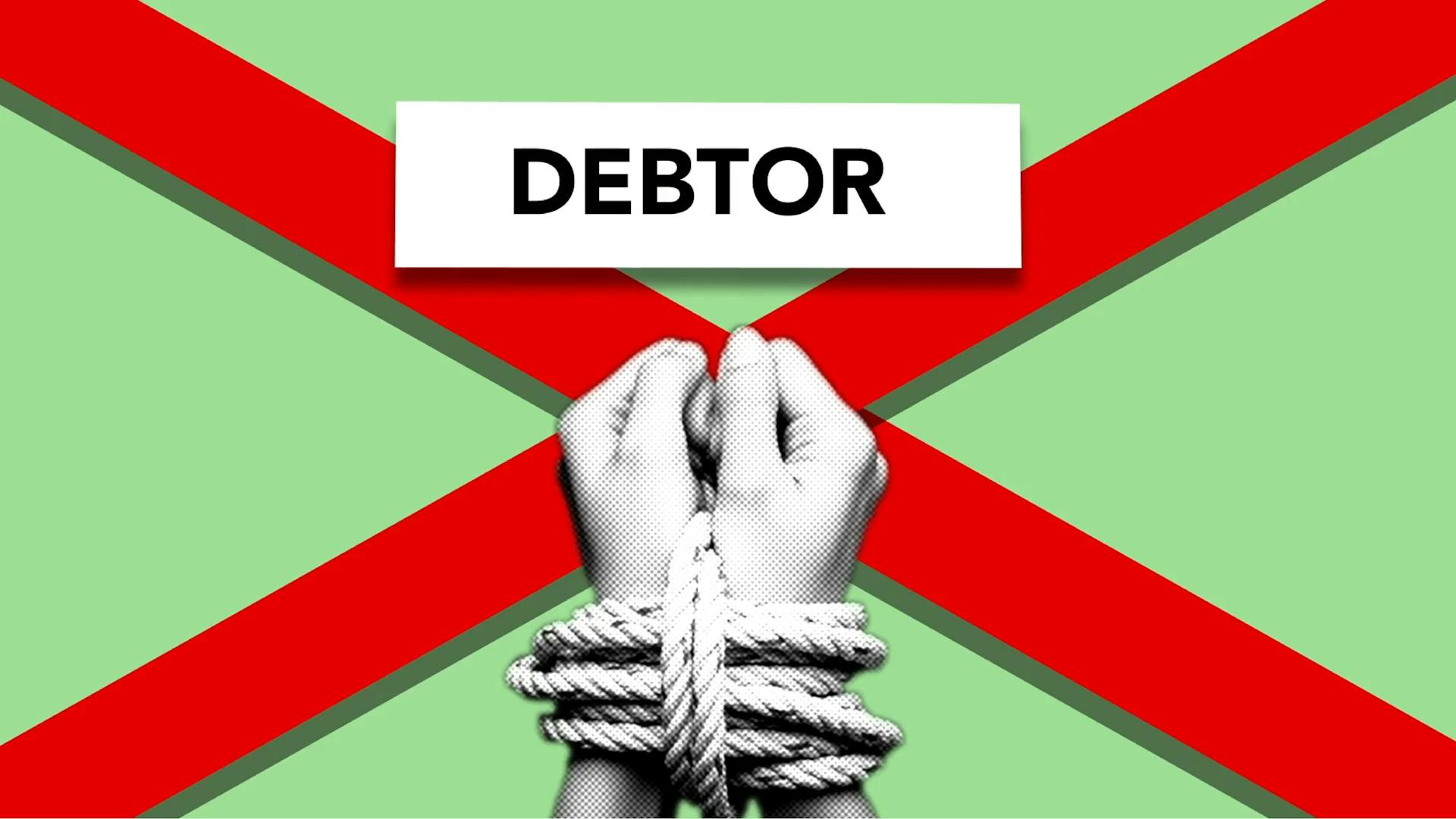
The UK group acted as the centre of the movement, issuing high-profile publications that included "Debt, the most potent form of Slavery." Activists negotiated with the World Bank and the International Monetary Fund for major debt relief in 1999.
A 70,000-person human chain surrounded the G7 meeting in Birmingham in 1998, mirroring developing countries' "chains of debt". This was just one example of the movement's ability to mobilise people and make its voice heard.
The movement's unity was not always easy to maintain, and divisions came to a head around the Cologne G8 summit in 1999, when "Jubilee South" coalesced as a distinct entity.
Broaden your view: Jubilee Holdings Limited
Assessment and Evaluation
The Jubilee 2000 campaign received very positive assessments for its grassroots involvement, vision, and measurable impacts on policy and poverty.
Jonathan Glennie called it "one of the most important global movements for justice of our time." Scholars have described the campaign as contributing to "a wider context of international demands for global justice" going on around the same time.
Then-UN Secretary General Kofi Annan wrote "Many events in the past few years have shown how powerful and influential NGOs can be." As part of an academic study, one campaign participant described it as having "much tied and linked to the reparations demand that many of us were making at that particular time."
Archbishop Justin Welby described it as "perhaps the churches' finest hour in dethroning Mammon." Sustained support from Christians and others across the world led to the cancellation of more than $100 billion of debt owed by 35 of the poorest countries.
The campaign's achievements were not limited to debt relief, but also had a significant impact on policy and poverty.
You might like: Debt Justice
Conclusion and Review
The Jubilee 2000 campaign was deeply rooted in the biblical concept of a 'jubilee year', which influenced its goals and approach.
The campaign's goals and strategies were situated within broader theoretical perspectives on global stratification, such as world-systems theory and dependency theory.
These theoretical perspectives helped shape the campaign's focus on debt relief and global economic justice.
The Jubilee 2000 campaign's legacy can be seen in its influence on subsequent global development initiatives.
Here are some key takeaways from the campaign's impact:
- Debt relief remains a contentious issue in global economic justice debates.
- The campaign's emphasis on debt cancellation paved the way for future initiatives.
- Global development initiatives continue to grapple with issues of inequality and economic stratification.
The Jubilee 2000 campaign's long-term impact is a testament to the power of collective action and the importance of addressing global economic injustices.
Frequently Asked Questions
Who started Jubilee 2000?
The concept of Jubilee 2000 was first articulated by Paul Vallely in his 1990 book, later developed by Martin Dent and William Peters. They drew inspiration from the biblical Jubilee concept to create a modern debt relief movement.
Featured Images: pexels.com