
Investing in digital currencies can be a thrilling but intimidating prospect, especially for beginners. Digital currencies, also known as cryptocurrencies, are decentralized and use cryptography for secure financial transactions.
To get started, you'll need to choose a digital currency to invest in, with Bitcoin being the most well-known and widely traded. It's essential to understand that each digital currency has its unique features, benefits, and risks.
The concept of digital currencies was first introduced in 2008 by an individual or group using the pseudonym Satoshi Nakamoto. This led to the development of Bitcoin, the first decentralized digital currency.
Digital currencies can be bought and sold on online exchanges, with some popular options including Coinbase and Binance. These platforms allow you to trade digital currencies for traditional currencies like the US dollar.
For another approach, see: Digital Currencies
What is Digital Currency?
Digital currency is a type of currency that exists only in digital form, secured by cryptography to prevent counterfeiting or double-spending.
Cryptocurrencies like digital currency are decentralized, meaning they're not issued by any central authority, making them theoretically immune to government interference or manipulation.
Most digital currencies exist on decentralized networks using blockchain technology, a distributed ledger enforced by a disparate network of computers.
This decentralized nature of digital currency is a defining feature that sets it apart from traditional currencies.
On a similar theme: History of Central Bank Digital Currencies by Country
Key Concepts
A cryptocurrency is a form of digital asset based on a network that is distributed across a large number of computers, existing outside the control of governments and central authorities.
Cryptocurrencies are created through a process called mining, which involves using computers with specialized chips to solve complicated mathematical puzzles. The first so-called miner to solve the puzzle can earn cryptocurrency rewards.
The first cryptocurrency ETF, the ProShares Bitcoin Strategy ETF, started trading in October 2021, offering a new way for investors to gain exposure to cryptocurrency markets.
There are currently two main types of cryptocurrency storage: hot wallets and cold storage. Hot wallets are connected to the internet and are more vulnerable to cybersecurity breaches, while cold storage is offline and more secure.
For more insights, see: Who Invests in Cryptocurrency
Some experts believe blockchain and related technologies will disrupt many industries, including finance and law, due to their potential to provide cheaper and faster money transfers and decentralized systems.
Here are some key terms to know:
- Cryptocurrency ETF: a fund that tracks a single cryptocurrency or a basket of different digital currencies
- Blockchain: a distributed database that is shared and verified via a computer network
- Bitcoin mining: the process of creating new bitcoin by solving mathematical puzzles
- Altcoins: cryptocurrencies other than Bitcoin
- Hot wallet: a cryptocurrency storage application that is connected to the internet
- Decentralized Finance (DeFi): a financial system that removes third parties and allows for faster and cheaper transactions
- Virtual currency: a digital representation of value that can be used for transactions
How it Works
Cryptocurrencies are supported by a technology called blockchain, which keeps track of who owns what and prevents people from making copies of their holdings.
The blockchain maintains a tamper-resistant record of transactions, ensuring that each unit of cryptocurrency can't be spent twice. This technology addressed a major problem faced by previous digital currency efforts.
Individual units of cryptocurrencies can be referred to as coins or tokens, depending on how they are used. Some cryptocurrencies are intended to be units of exchange for goods and services, while others are stores of value or used to participate in specific software programs.
How it works
Cryptocurrencies are supported by a technology called blockchain, which keeps track of who owns what and maintains a tamper-resistant record of transactions.
The use of blockchains addressed a problem faced by previous digital currency efforts: preventing people from making copies of their holdings and spending them twice.
Individual units of cryptocurrencies are referred to as coins or tokens, depending on how they're used. Some are meant for exchanging goods and services, while others are stores of value.
How Are Created?
Cryptocurrencies are created through various methods, with one common way being mining, which is used by Bitcoin. Mining can be an energy-intensive process that involves solving complex puzzles to verify transactions on the network.
The owners of computers that solve these puzzles can receive newly created cryptocurrency as a reward. This process is used by Bitcoin, but other cryptocurrencies have different methods.
For most people, buying cryptocurrency is the easiest way to get it, either from an exchange or another user.
How To Buy
To buy cryptocurrency, you'll need to visit a cryptocurrency exchange, which allows you to buy or sell cryptocurrencies from other users at the current market price.
Related reading: How to Buy Crypto Coins in India
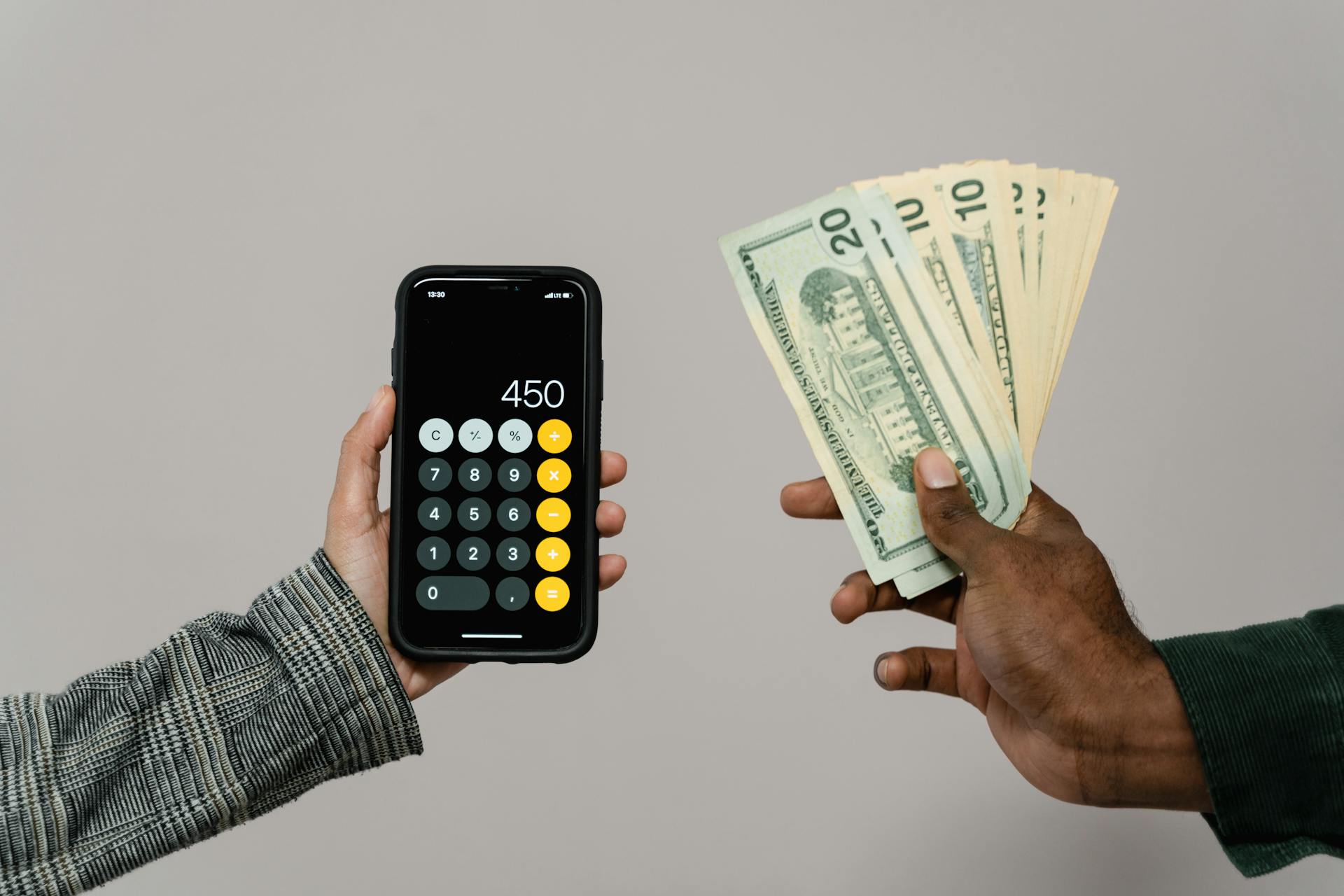
You can buy cryptocurrency through a brokerage, such as Robinhood, which allows users to invest in bitcoin and other cryptocurrencies, but you can't withdraw them for purchases.
There are also crypto ETFs that provide exposure to the crypto asset class without requiring investors to maintain their own wallets, like holding Bitcoin futures ETF shares.
To store your coins, you'll need to transfer them to a digital wallet or use a third-party service like Coinbase.
Pros and Cons
Investing in digital currencies can be a complex and nuanced decision, with both pros and cons to consider. Here are some key points to keep in mind.
Cryptocurrencies offer a decentralized system, removing central banks from managing the money supply and reducing the risk of inflation. This can be beneficial for communities that have been underserved by the traditional financial system.
Some people see cryptocurrencies as a promising foothold in these communities, with Pew Research Center data showing that Asian, Black, and Hispanic people are more likely to have invested in or used a cryptocurrency.
The blockchain technology behind cryptocurrencies is also a major advantage, providing a decentralized processing and recording system that can be more secure than traditional payment systems.
Cryptocurrencies can also offer passive income through staking, which allows owners to earn rewards for helping to verify transactions on a blockchain protocol.
However, there are also some significant drawbacks to consider. Transactions are often pseudonymous, which can make it difficult to track and prevent illicit activity.
The high volatility of cryptocurrency prices is another major concern, making it difficult to predict and manage investments.
Here are some key advantages and disadvantages of cryptocurrencies to consider:
Ultimately, investing in digital currencies requires careful consideration and research, as well as a willingness to take on risk.
Investment Options
There are currently three main ways retail investors can gain exposure to crypto: buying crypto directly, buying crypto ETPs or crypto-related ETFs, or buying crypto stocks. This gives investors a range of choices to suit their needs and risk tolerance.
Buying crypto directly allows investors to own the underlying asset, but it's essential to note that crypto is not insured by the Federal Deposit Insurance Corporation or the Securities Investor Protection Corporation. This means that only buy crypto with an amount you're willing to lose.
Investors can also choose to buy crypto-related assets, such as crypto ETFs or ETPs, which provide exposure to the crypto asset class without requiring the investors to maintain their own wallets.
Here are the three main investment options in detail:
- Buying Crypto Directly: This involves purchasing cryptocurrencies directly from an exchange or through a brokerage like Robinhood.
- Crypto ETPs/ETFs: These allow investors to gain exposure to the crypto market through a fund that tracks the performance of a particular cryptocurrency or a basket of cryptocurrencies.
- Crypto Stocks: Some brokerages offer the ability to invest in companies involved in the crypto space, providing a way to gain exposure to the industry without directly owning cryptocurrencies.
Buy ETFs via brokerage
Buying ETFs via brokerage can be a convenient way to invest in the cryptocurrency market. You can buy crypto-related exchange-traded funds (ETFs) through traditional routes like brokerage accounts, IRAs, and trusts, which may simplify tax and estate planning considerations.
ETFs don't give you direct ownership of the cryptocurrency, and can come with unique trading limitations and investment risks. For example, they can only be traded during traditional market hours, which means holders have to wait until the market opens to enter or exit any positions.
Recommended read: Digital Currency Market
There are two types of crypto-related ETFs: stock-based ETFs and futures-based ETFs. Stock-based ETFs give you exposure to a diversified basket of cryptocurrency stocks, while futures-based ETFs give you exposure to the futures of either a specific cryptocurrency or a basket of cryptocurrencies.
ETFs that track the broader crypto industry may offer less volatility compared to buying individual cryptocurrencies. This can be beneficial for investors looking to invest in the industry as a whole.
Here are some key differences between futures-based bitcoin ETFs and bitcoin spot ETFs:
Futures-based bitcoin ETFs must regularly "roll" their holdings by selling expiring contracts and replacing them with contracts set to expire further in the future. This creates the potential for them to underperform spot bitcoin ETFs.
Intriguing read: What Are Etfs in Investing
Buying Outright
Buying outright is one of the most straightforward ways to gain exposure to cryptocurrency. This method allows you to buy and own the coins directly, giving you complete custody over your investments.

You can buy crypto outright through traditional investment platforms or crypto exchanges, which can provide hands-on experience with the buying process. This can be useful for understanding how crypto works.
Buying crypto outright may give you more flexibility to decide when you want to invest, as the markets are open 7 days a week. This is in contrast to traditional assets like stocks and ETFs, which often have limited trading hours.
However, there are risks to be aware of when buying crypto outright. Before investing, consider learning the basics of crypto cybersecurity to protect your coins from online theft.
There are two main risks to consider: financial loss due to price volatility, and theft or loss due to hacking or human error. To mitigate these risks, only invest an amount you're willing to lose, and take steps to secure your coins.
Here are some key facts to keep in mind:
- Buying crypto outright gives you complete custody over your coins.
- The markets are open 7 days a week, providing more flexibility to invest.
- Crypto is vulnerable to online theft, so learn the basics of crypto cybersecurity.
- Risks include financial loss and theft or loss due to hacking or human error.
- Only invest an amount you're willing to lose.
Regulations and Taxes
Cryptocurrencies are not considered legal tender in most places, unlike the US dollar, which must be accepted for all debts, public and private.
The IRS treats cryptocurrencies as property, not currency, and taxes them as such. This means that when you sell a cryptocurrency, you'll pay tax on the capital gains.
You'll be taxed on the value of the cryptocurrency at the time you receive it, whether it's as payment or as a reward for an activity like mining. This can be a surprise for many cryptocurrency investors.
The capital gain and loss tax rules apply to cryptocurrency transactions, with short-term gains subject to ordinary income tax rates and long-term gains subject to lower capital gains tax rates.
Here are some key tax implications to keep in mind:
- Short-term gains (held for a year or less) are taxed at ordinary income tax rates
- Long-term gains (held for over a year) are taxed at lower capital gains tax rates
- You can use losses to offset other capital gains or up to $3,000 of ordinary income
- Any leftover losses can be carried forward to offset gains in future tax years
Is Real Money?
Cryptocurrency is considered real money, but with some caveats. In the U.S., there's no requirement for sellers to accept cryptocurrency as "legal tender", unlike the U.S. dollar.
The definition of money includes being generally accepted as a medium of exchange. By this definition, cryptocurrency is indeed real money.
However, cryptocurrency is taxed differently than traditional currency. In the U.S., it's taxed as property, not currency, which means capital gains are taxed on the difference between purchase and sale prices.
The tax implications of cryptocurrency can be complex. For example, if you're given crypto as payment or as a reward, you'll be taxed on its value at the time of receipt.
The tax treatment of cryptocurrency is a key consideration for those who hold or trade it. Understanding how crypto is taxed can help you make informed decisions about your investments.
Here's a summary of the key points:
- Cryptocurrency is considered real money, but its acceptance as legal tender varies by country.
- Cryptocurrency is taxed as property, not currency, in the U.S.
- Capital gains on cryptocurrency are taxed on the difference between purchase and sale prices.
- Crypto received as payment or as a reward is taxed on its value at the time of receipt.
Is Legal
Cryptocurrencies have a murky legal status due to their lack of government or monetary authority backing.
The U.S. dollar, for instance, is recognized and issued by the government as the official currency of the United States and is "legal tender."
Cryptocurrencies, on the other hand, have primarily functioned outside most existing financial infrastructure, making it difficult to establish their legal status.
Curious to learn more? Check out: Us Government Digital Currency
The Financial Action Task Force (FATF) recommended in June 2019 that wire transfers of cryptocurrencies should be subject to the requirements of its Travel Rule, which requires AML compliance.
As of June 2024, El Salvador is the only country to accept Bitcoin as legal tender for monetary transactions.
Cryptocurrency regulation varies by jurisdiction, leaving many questions unanswered about their use in daily transactions and trading.
Taxation
Cryptocurrencies are taxed as property in the US, not as currency. This means you'll pay tax on the capital gains, or the difference between the price of the purchase and sale.
When you sell a cryptocurrency, a taxable event has taken place, and you'll need to report the gain or loss on your tax return. The IRS considers cryptocurrency transactions to be taxable events, even if you're just buying or selling within the same cryptocurrency.
The tax rules for cryptocurrencies are similar to those for other assets, such as stocks or real estate. If you hold a cryptocurrency for a year or less, any realized gain will be subject to the short-term capital gains tax rates, which are the same as the ordinary income tax rates that apply to wages.
Intriguing read: Silvergate Capital Stock
Gains on cryptocurrencies held for over a year are subject to the lower long-term capital gains tax rates. If you sell a cryptocurrency at a loss, you can use that loss to offset other capital gains, and if the loss exceeds your gains, you can use the remaining loss to offset up to $3,000 of your ordinary income.
Here are the key tax implications for cryptocurrencies:
It's worth noting that the IRS has not provided specific guidance on the taxation of cryptocurrency ETFs, but they are generally treated as securities, just like stocks or bonds. This can create complications for investors, particularly when it comes to "wash sale" rules.
IRAs and 401(k)s: Holding Rules
You can buy cryptocurrency in a Roth IRA account, but keep in mind that it's still a high-risk investment.
Cryptocurrencies are considered emerging investments, and their longevity is still uncertain.
If you hold a Roth IRA account and have held the account for at least 5 years, you may have a potential advantage: tax-free withdrawals on any earnings after age 59.
This means you won't have to pay taxes on the gains from your crypto investments, which can be a significant benefit.
Cryptocurrencies are not suitable for everyone, especially those with a conservative investment approach, due to their high risk level.
Risks and Considerations
Investing in digital currencies can be a thrilling experience, but it's essential to be aware of the potential risks and considerations.
Financial loss is a significant risk when directly owning bitcoin and other cryptocurrencies, due to their highly volatile prices.
It's crucial to invest only an amount you can afford to lose, as the crypto market is still young and volatile.
Direct holders of crypto do not benefit from the same regulatory protections applicable to registered securities, making them more susceptible to market manipulation.
The regulatory environment for crypto is currently uncertain, and a sudden crackdown could make it challenging to sell cryptocurrencies or cause a market-wide price drop.
Cryptocurrencies are not insured by the Federal Deposit Insurance Corporation or the Securities Investor Protection Corporation, so it's essential to only buy crypto with an amount you're willing to lose.
Here are some of the key risks to consider:
It's also essential to be aware of the potential for theft or loss, as a lost or hacked log-in ID and password can deny access to a cryptocurrency exchange.
Conclusion
Investing in digital currencies can be a complex and high-risk venture, so it's essential to approach it with caution.
Consider your risk tolerance and investing goals before making any decisions, as cryptocurrency is a speculative investment outside traditional asset allocation models.
High volatility is a key characteristic of digital currencies, making them a potentially high-risk investment.
It's crucial to weigh the potential benefits against the potential risks before investing in digital currencies.
Ultimately, whether you choose to invest in individual cryptocurrencies or derivative products depends on your individual circumstances.
A unique perspective: Altcoins with Most Potential
Frequently Asked Questions
Is $100 enough to start crypto?
Starting with $100 can be a good starting point for cryptocurrency trading, but it's essential to approach it as a learning experience with managed expectations. A small initial investment can minimize potential losses while you learn the ropes of trading.
Featured Images: pexels.com