
Medical insurance coverage for dental procedures can be a bit confusing, but it's essential to understand the basics to get the care you need.
Typically, medical insurance covers dental procedures that are considered medically necessary, such as emergency extractions or dental surgeries.
Emergency extractions, for example, are usually covered by medical insurance because they are deemed necessary to prevent further complications or infections.
Some medical insurance plans may also cover dental procedures that are related to a medical condition, such as a dental implant to support a dental bridge for a patient with a missing tooth due to a head or neck injury.
However, routine dental care, like cleanings and fillings, is usually not covered by medical insurance.
Consider reading: What Dental Procedures Are Covered by Medical Insurance
Determining Insurance Coverage
To get medical insurance to pay for dental work, you need to understand what procedures are considered medically necessary. Medical insurance will pay for procedures that treat a diagnosed medical condition, not just regular dental care.
Readers also liked: How to Bill Medical Insurance for Dental Procedures

The key is to show how a dental procedure is connected to a medical condition. For example, if a patient has uncontrolled diabetes and needs emergency oral surgery for an acute infection, the dental procedure would need to be modified and the claim submitted to the patient's medical plan.
Dental procedures must be medically necessary, not just regular dental care. This means the patient has a medical condition that impacts the problem the dentist treats.
To bill dental procedures to medical insurance, the treatment must be linked to a medical condition and have a corresponding medical code. This ensures the procedure is classified correctly under medical insurance guidelines.
Here are some examples of dental procedures that may be billed as medical:
- Diagnostic procedures such as examinations, consultations, medical x-rays and scans, stents, and testing to discover the sources of pain
- Non-surgical medical treatments used to treat a diagnosed medical condition, such as TMD orthotics and sleep apnea
- Surgical procedures such as oral surgeries to correct a non-dental physiological condition which results in a severe functional impairment
- Treatment for traumatic injuries, such as motor vehicle collisions, sports injuries, falls, natural disasters, and other physical injuries that can occur at home, on the street, or while at work.
It's essential to know the rules of the patient's medical plan, as policies vary based on individual plans and states. Staying up to date with payer rules is critical to accurate claim submission.
See what others are reading: Coordination of Benefits Rules Health Insurance
Billable Procedures and Coding
To determine if a dental procedure can be billed to medical insurance, it's essential to understand the categories of billable procedures. There are four main categories: diagnostic procedures, non-surgical medical treatments, surgical procedures, and treatment for traumatic injuries.
Dental procedures can be billed to medical insurance if they are medically necessary and have a corresponding medical code. Medical insurance will pay for procedures that are necessary to treat a diagnosed medical condition.
Diagnostic procedures, such as x-rays and scans, can be billed to medical insurance if they are used to diagnose a medical condition. Non-surgical medical treatments, such as TMD orthotics and sleep apnea appliances, can also be billed if they are used to treat a diagnosed medical condition.
Surgical procedures, such as extractions and placement of dental implants, can be billed to medical insurance if they are medically necessary and have a corresponding medical code. Treatment for traumatic injuries, such as emergency trauma procedures, can also be billed to medical insurance.
See what others are reading: Non Us Citizen Health Insurance

Some examples of procedures that can be billed to medical insurance include head and neck evaluations, panoramic x-rays, CT scans, TMJ services, bone grafts, cyst removal, implants, and dental repair of teeth due to injury.
To ensure that dental procedures are properly coded and billed to medical insurance, it's essential to use the correct ICD-10, CPT, and HCPCS codes. The CDT code set is used when reporting dental procedures to a dental payer, but many medical payers will accept the CDT code when there is no appropriate medical cross code or when the CDT is the most accurate code to describe the dental procedure performed.
Here are some examples of CPT codes used in dentistry:
- Evaluation and management: 99202-99499
- Anesthesia: 00100–01999; 99100–99150
- Surgery: 10000–69990
- Radiology: 70000–79999
- Pathology and laboratory: 80000–89398
- Medicine: 90281–99099; 99151–99199; 99500–99607
Proper documentation is also essential when billing medical insurance for dental procedures. Claims should be submitted with documentation supporting the medical necessity for the procedure, and the documentation should be legible, relevant, and sufficient to validate the services billed.
Insurance Plans and Options

If you're looking for insurance plans that cover dental work, you have a few options to consider. Some Marketplace health plans have dental coverage, which means the premium covers both health and dental coverage.
You can also purchase a separate dental plan, which requires a separate premium in addition to your Marketplace health plan premium. This option is available when you shop for plans in the Marketplace.
Here are some dental insurance companies available through Maryland Health Connection: CareFirst BlueCross BlueShield, Delta Dental, DeltaCare USA/Alpha Dental, and Dominion National. Check with your dentist to see which plans they accept before enrolling.
Recommended read: Why Is Dental Insurance Separate from Health Insurance
Plans
There are several types of dental plans available, each with its own unique characteristics.
High coverage level plans have higher premiums but lower copayments and deductibles, so you'll pay more every month but less when you get dental services. Low coverage level plans, on the other hand, have lower premiums but higher copayments and deductibles, so you'll pay less every month but more when you get dental services.
Check this out: When Does Dental Insurance Reset
If you're looking for a dental-only plan, you can enroll in one during open enrollment, which is from November 1 to January 15. You can also enroll in a dental plan outside of open enrollment if you experience a qualifying life event.
There are several dental insurance companies available through Maryland Health Connection, including CareFirst BlueCross BlueShield, Delta Dental, DeltaCare USA/Alpha Dental, and Dominion National.
Here are some key facts about dental plans:
- All of our health plans include dental services for children.
- Dental plans for children are available as a separate plan or as part of a health plan.
- The maximum out-of-pocket maximum for pediatric services only is $350 for a single child and $700 per family if more than one child is covered on the plan.
- Adult dental benefits do not have an out-of-pocket maximum.
It's worth noting that dental coverage is an essential health benefit for children, but not for adults. This means that if you're getting health coverage for someone 18 or younger, dental coverage must be available for your child either as part of a health plan or as a separate dental plan.
Medicaid Benefits
Medicaid is a government-funded health insurance program that covers over 70 million Americans, including low-income adults, children, pregnant women, and people with disabilities.
It provides comprehensive coverage for doctor visits, hospital stays, prescriptions, and preventive care services.

Medicaid beneficiaries also have access to dental and vision care, including routine cleanings, fillings, and extractions, as well as eye exams and glasses or contact lenses.
In addition, Medicaid covers mental health services, including therapy sessions and counseling.
The program also offers home and community-based services for people with disabilities, such as home health care, adult day care, and respite care.
Medicaid beneficiaries can also receive transportation services to medical appointments, including bus passes and ride-sharing services.
Medicaid has income limits, which vary by state, but generally, a single person can earn up to $1,063 per month and still qualify for the program.
In some states, Medicaid expansion has allowed more people to qualify for coverage, including low-income adults without children.
Intriguing read: Bcbs Medicaid Illinois
Work Belongs to Care
As a dental provider, you know that not all care you offer is strictly dental in nature. In fact, many procedures you perform can be billed as medical, which can greatly benefit your patients and your practice. This is especially true when treating patients with medical and dental issues that are related.
To increase the scope of oral healthcare you offer and enhance patient outcomes, it's essential to understand what procedures can be billed as medical. According to the Affordable Care Act, dental insurance plans have low annual maximum benefits, and medical insurance plans will pay for procedures that are medically necessary to treat a diagnosed medical condition.
Some examples of procedures that can be billed as medical include diagnostic procedures, such as examinations, consultations, and medical x-rays and scans. Non-surgical medical treatments, like TMD orthotics and sleep apnea, can also be billed to medical insurance. Additionally, surgical procedures, such as complicated wisdom tooth surgery, and treatment for traumatic injuries, like motor vehicle collisions, can be covered by medical plans.
Here are some specific procedures that can be billed to medical insurance:
- Head and neck evaluations for orofacial medical problems
- Panoramic x-rays
- CT scans
- TMJ services
- Bone grafts
- Cyst removal
- Implants
- Alveoloplasty
- Sinus lifts
- Dental implants
- Dental repair of teeth due to injury
- Sleep apnea and/or mandibular repositioning appliances & services
- Treatment related to inflammation and infection
- Certain periodontal surgery procedures
- Treatment to correct congenital malformations
- Frenectomy (tongue surgery) for infants and children
- Extraction of wisdom teeth, under certain conditions
- Removal of multiple teeth at one time
- Infection is not treatable by entry through the tooth
- The pathology that involves soft or hard tissue
- Procedures to correct dysfunction
- Emergency trauma procedures
- Consultation for an excisional biopsy of oral lesions
- Dental disease secondary to cancer treatment (e.g., mucositis and stomatitis
By understanding what procedures can be billed as medical, you can increase business in your practice and provide better care for your patients.
Coverage Available in 2 Ways

Coverage is available in two ways. You can get dental coverage through a health plan that includes it, or you can purchase a separate dental plan.
If you choose a health plan with dental coverage, the premium you pay will cover both your health and dental needs. This is a convenient option, but it's worth noting that not all health plans include dental coverage.
On the other hand, separate dental plans are also available. These plans allow you to pay a separate premium for dental coverage in addition to your health plan premium. This can be a good option if you want to customize your dental coverage.
Here are some dental insurance companies that are available through the Marketplace:
- CareFirst BlueCross BlueShield
- Delta Dental
- DeltaCare USA/ Alpha Dental
- Dominion National
These companies offer a range of dental plans, so you can choose the one that best fits your needs. Be sure to check with your dentist to see which plans they accept before you enroll.
Insurance Submission and Reimbursement
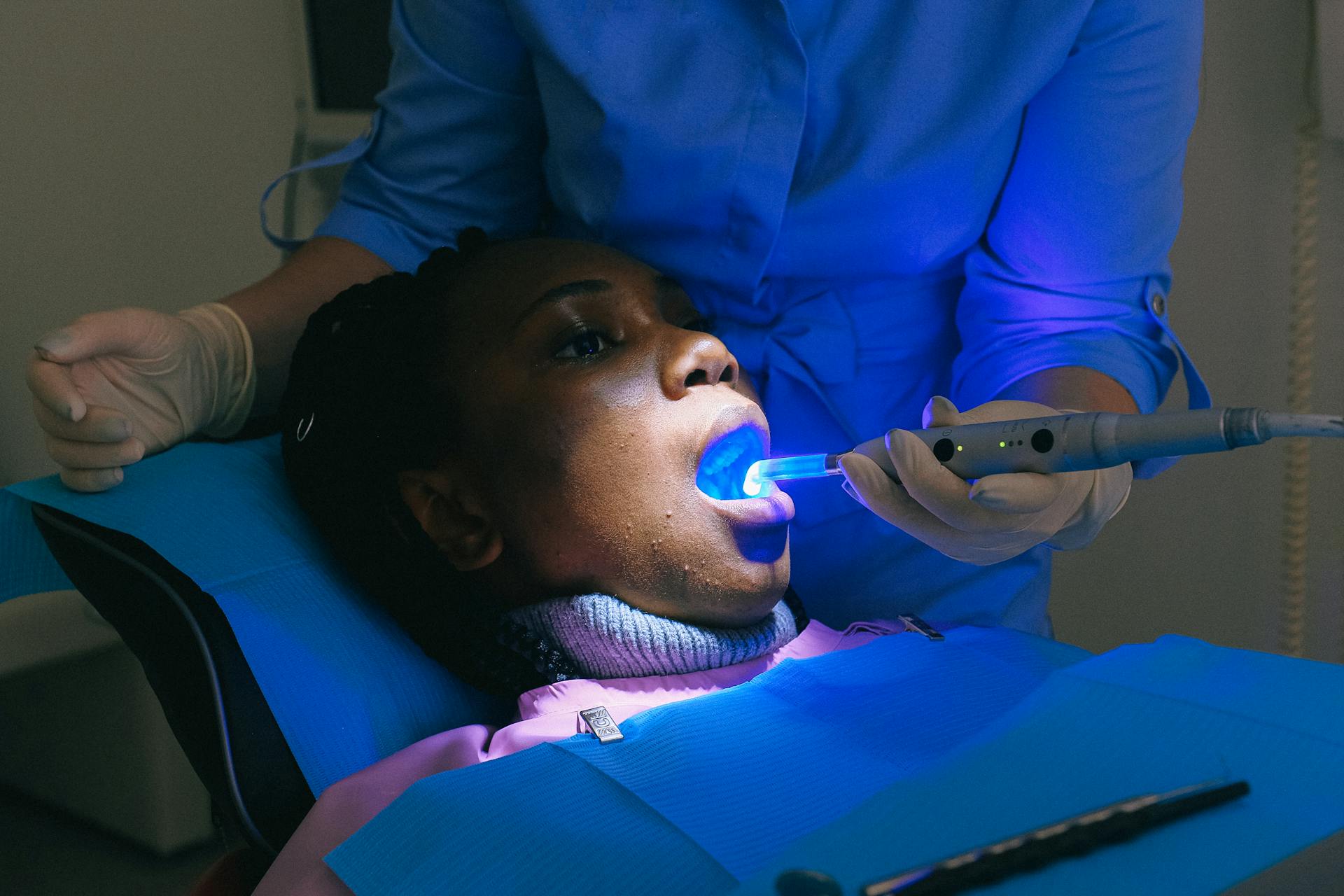
To get medical insurance to pay for dental work, it's essential to understand the insurance submission and reimbursement process.
Your patient's explanation of benefits (EOB) should give you a clear picture of their available coverage, which will help guide your claim submission.
Be clear about why your dental team provided medical treatment, and identify the provided treatment by using the correct ICD-10 and CPT codes.
To ensure accurate reimbursement, your office should follow best practices when submitting medical claims for dental procedures, such as using the correct ICD-10 and CPT codes.
Here are the key considerations for billing medical insurance for dental procedures:
Claim Submission Tips
To ensure accurate reimbursement for your patients, it's essential to follow best practices when submitting medical claims for dental procedures. Your patient's explanation of benefits (EOB) should give you a clear picture of their available coverage.
Be clear about why your dental team provided medical treatment. This will help the insurer understand the medical necessity of the procedure. Identifying the provided treatment by using the correct ICD-10 and CPT codes is also crucial. These codes will classify the procedure correctly under medical insurance guidelines.
Consider reading: Bcbs Denial Codes List
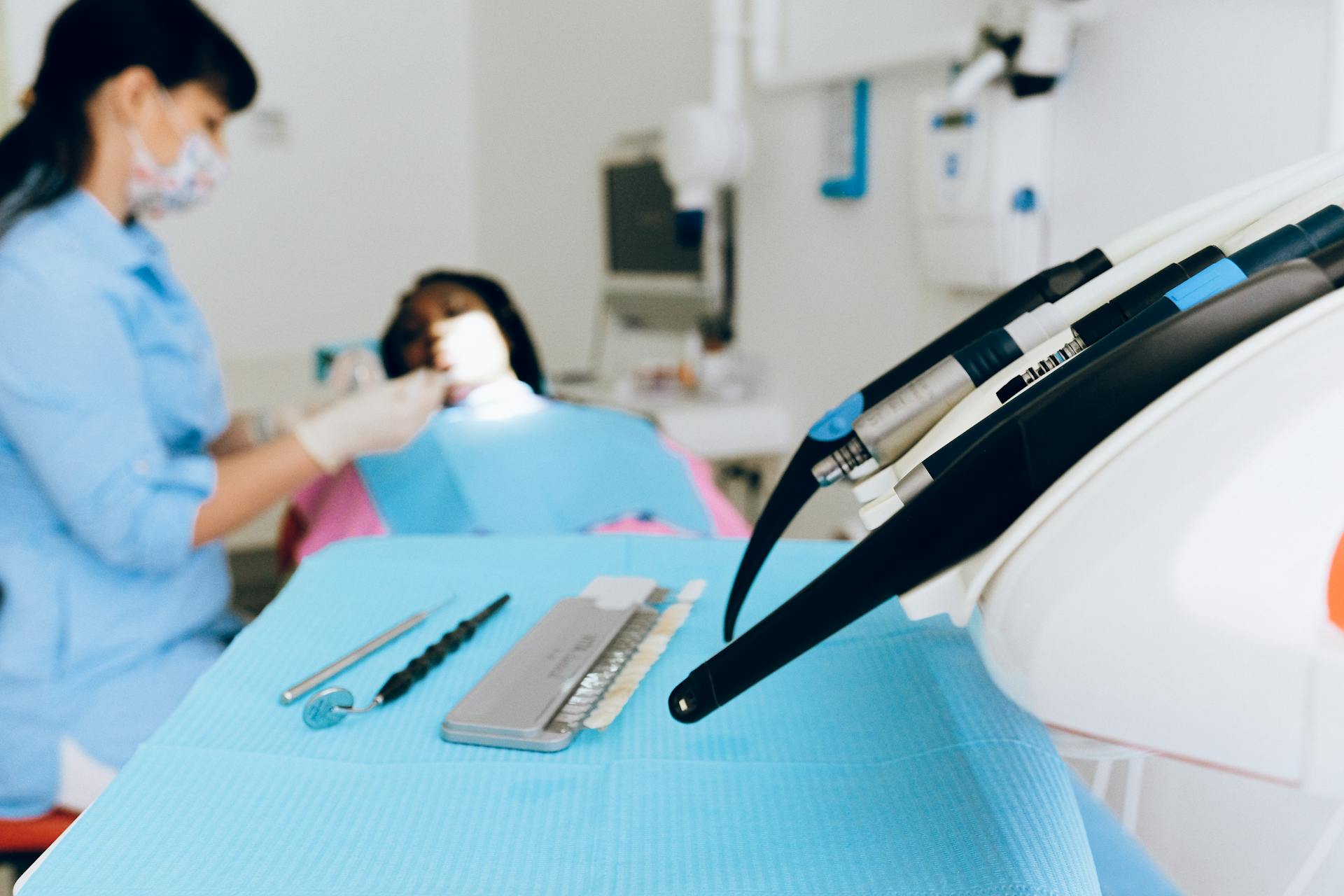
The correct ICD-10 and CPT codes should be used to identify the provided treatment. This will ensure that the procedure is classified correctly under medical insurance guidelines. If your billing team isn't already familiar with CPT and ICD-10 codes, it's essential they receive adequate training.
To ensure accurate reimbursement, use the correct dental-medical cross coding. This will help you determine if a dental procedure meets the carrier's standards for medical necessity. If you're billing Medicare, use the CMS-1500 claim form.
Here are the key best practices to follow:
- Be clear about why your dental team provided medical treatment.
- Identify the provided treatment by using the correct ICD-10 and CPT codes.
- Clearly state the reason the medical treatment was provided.
- When billing Medicare, use the CMS-1500 claim form.
How Billing and Coding Rules Impact Reimbursement
Billing and coding rules can make or break your reimbursement. Accurate coding is essential for medical insurance to pay for dental procedures. This means using the correct ICD-10, CPT, and HCPCS codes to report diagnoses, symptoms, and procedures. Proper cross-coding demonstrates the medical necessity of the dental treatment, increasing the likelihood of claim approval.
To determine if a dental procedure is medically billable, identify if it falls under one of the four categories: diagnostic procedures, non-surgical medical treatments, surgical procedures, or treatment for traumatic injuries. Examples of procedures that can be billed to medical insurance include head and neck evaluations, panoramic x-rays, TMJ services, and dental implants.

Mastering dental-medical cross-coding is crucial for successful claims submission. This process involves using medical codes to represent dental procedures, ensuring they align with medical insurance requirements. The CDT code set is used when reporting dental procedures to a dental payer, but many medical payers will accept the CDT code when there is no appropriate medical cross code.
To ensure proper documentation, every claim should be submitted with documentation supporting the medical necessity for the need for the surgery. Claims without such proof of medical necessity will be denied. Ensure that the documentation is legible, relevant, and sufficient to validate the services billed.
Here are some key CPT code categories used in dentistry:
- Evaluation and management: 99202-99499
- Anesthesia: 00100–01999; 99100–99150
- Surgery: 10000–69990
- Radiology: 70000–79999
- Pathology and laboratory: 80000–89398
- Medicine: 90281–99099; 99151–99199; 99500–99607
Special Cases and Exceptions
If you have a pre-existing condition, you may be able to get medical insurance to pay for dental work if you have a dental insurance plan that covers pre-existing conditions.
In some cases, medical insurance may cover dental work if it's deemed medically necessary, such as a root canal to prevent a life-threatening infection.
Broaden your view: Bcbs Pre Existing Conditions
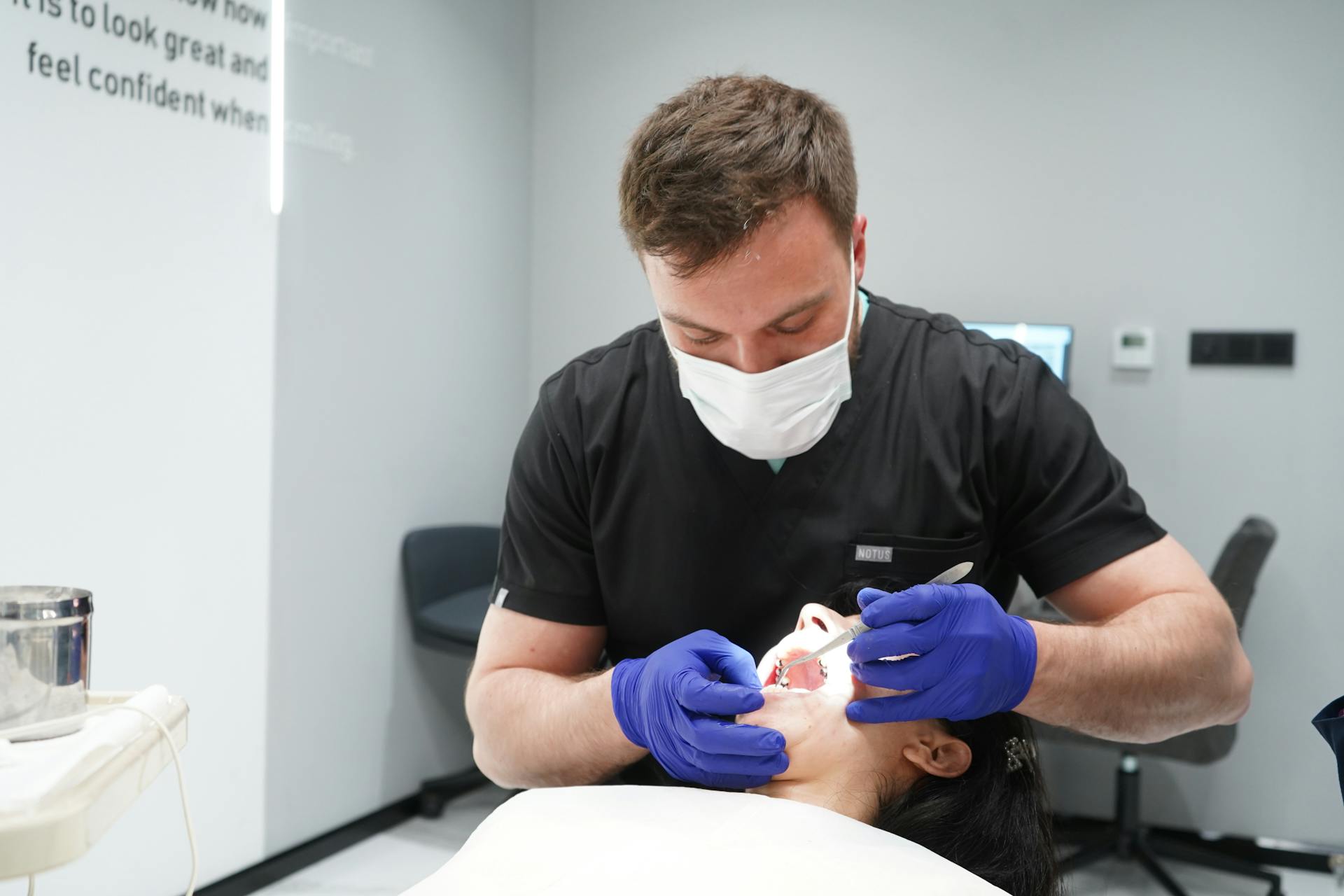
However, if you have a dental emergency, your medical insurance may not cover it, unless it's related to a pre-existing condition.
If you have a dental plan that's part of a larger medical plan, you may be able to get medical insurance to pay for dental work, such as a dental implant to replace a missing tooth.
But be aware that even with a medical insurance plan, you may still have to pay out-of-pocket for some dental procedures.
Featured Images: pexels.com