To become a property manager, you'll need a high school diploma or equivalent, and a strong educational foundation in business, finance, or a related field.
You can also consider earning a bachelor's degree in a field like real estate, business administration, or hospitality management.
A property management certification, such as the Certified Property Manager (CPM) or the Accredited Residential Manager (ARM), can also be beneficial.
These certifications can demonstrate your expertise and commitment to the profession.
Education and Certifications
To become a property manager, you'll need a solid foundation in education and certifications. A high school diploma or equivalent is often the minimum requirement, but a degree in business administration, real estate, or a related field can significantly benefit your career.
You can also consider taking pre-licensing real estate courses, which are required in some states to obtain a real estate license. This involves completing a state-approved course and passing an exam.
Some notable certifications for property managers include the Certified Apartment Manager (CAM) and Certified Property Manager (CPM), which are highly regarded in the industry. Other specialized certifications, such as those in affordable housing or community management, can further enhance your career prospects.
Here are some key education and certification requirements to keep in mind:
- High school diploma or equivalent: Minimum education requirement
- Relevant degrees: Business administration, real estate, or related field
- Pre-licensing real estate courses: Required in some states for real estate license
- Certifications: CAM, CPM, and specialized certifications in affordable housing or community management
Key Questions for Evaluating a Real Estate Certificate Program
If you're considering a real estate certificate program for career advancement, there are some key questions to ask. These will help you evaluate the program's value and ensure it aligns with your goals.
A high school diploma or equivalent is often the minimum education needed to start a property management career, but higher qualifications can make your application stand out. Relevant degrees in business administration, real estate, or a related field can also benefit aspiring property managers.
Some states require property managers to hold a real estate license, which involves completing a state-approved pre-licensing course before passing an exam. This is an important consideration when evaluating a certificate program.
While not always required, certifications such as the Certified Apartment Manager (CAM) or Certified Property Manager (CPM) can enhance your qualifications and credibility. These certifications can be obtained through a certificate program, and they can make a big difference in your career.
Explore further: Accounting Manager Qualifications
A bachelor's or associate's degree in business administration, real estate, or a related field is often recommended for property managers. This education can provide essential skills like financial management, marketing strategies, and legal processes.
Here are some key questions to ask when evaluating a real estate certificate program:
- What are the program's admission requirements?
- What kind of education and training will I receive?
- Are there any certification or licensing opportunities available through the program?
- What kind of support and resources will I have access to after completing the program?
- How will the program help me advance my career in property management?
- Are there any job placement or career services offered by the program?
- What kind of reputation does the program have in the industry?
- Are there any financial aid or scholarship opportunities available?
Educational and Legal Requirements
To become a property manager, you'll need a solid foundation in education and legal requirements. A high school diploma or equivalent is often the minimum level of education needed to start, but higher qualifications can make your application stand out.
A degree in business administration, real estate, or a related field can significantly benefit aspiring property managers. These programs cover essential skills like financial management, marketing strategies, and legal processes, all critical for the role.
In New Jersey, a balance of formal education and practical experience is necessary for acquiring the pertinent real estate licenses mandated by state laws. A bachelor's or associate's degree in business administration, real estate, or a related field is often recommended.
To become a certified property manager, you'll need to complete a state-required 30-hour course on agency and ethics and office management. Additionally, a more comprehensive 90-hour pre-licensure course is necessary to prepare for the real estate licensing exam.
Here's a breakdown of the educational requirements for becoming a certified property manager in New Jersey:
- 30-hour course on agency and ethics and office management
- 90-hour pre-licensure course
- State-approved training programs for renewal requirements
Some states require property managers to hold a real estate license, while others may have specific property management licenses. In New Jersey, managing properties requires one to be a licensed real estate broker or salesperson, according to the New Jersey Real Estate Commission.
To advance your career in property management, consider obtaining certifications like the Certified Apartment Manager (CAM) or Certified Property Manager (CPM). These certifications can enhance your qualifications and credibility.
Types of Properties and Experience
As a property manager, you'll be responsible for managing a wide range of properties, including residential properties like apartments, single-family homes, and condos.
Residential properties are the most common type of property managed, and they can include everything from small apartments to large single-family homes. Commercial properties, on the other hand, may consist of office spaces, retail locations, and shopping centers.
To give you a better idea, here are some examples of properties managed by property managers:
- Residential properties (apartments, single-family homes, condos)
- Commercial spaces (offices, retail stores, co-working spaces)
- Industrial properties (warehouses, manufacturing facilities)
- Community associations (HOAs, condo associations)
Gaining real estate management experience is crucial for a property manager, and it's typically obtained through working under a licensed real estate broker.
Types of Managed Properties
Residential properties, such as apartments, single-family homes, and condos, are a common type of property managed by property managers.
Property managers also oversee commercial spaces like offices, retail stores, and co-working spaces.
Industrial properties, including warehouses and manufacturing facilities, are another area of expertise for property managers.
Community associations, like HOAs and condo associations, are also managed by property managers.
Here are some examples of property types managed by property managers:
- Residential properties (apartments, single-family homes, condos)
- Commercial spaces (offices, retail stores, co-working spaces)
- Industrial properties (warehouses, manufacturing facilities)
- Community associations (HOAs, condo associations)
Real Estate Experience
To gain experience in property management, you can start by taking on related positions such as leasing agent, property assistant, or maintenance coordinator. These roles will give you hands-on experience and expose you to the daily operations of managing a property.
You can also seek internships or volunteer opportunities with property management companies, real estate firms, or housing organizations to gain valuable experience. Even unpaid roles can provide you with exposure to the responsibilities of a property manager.
To become a licensed real estate broker or salesperson in New Jersey, you'll need to complete relevant coursework, gain experience, and pass a licensing exam. This is required to manage properties in the state.
Here are some entry-level positions that can serve as a stepping stone into property management:
- Leasing Agent
- Property Assistant
- Maintenance Coordinator
These positions will give you a solid foundation in property management and allow you to learn from experienced professionals.
Getting Started and Finding a Job
To get started in property management, it's essential to explore online job boards, such as LinkedIn, Indeed, and Glassdoor, which frequently list property management roles. You can also contact local real estate agencies, property management firms, and join networking groups like the NARPM or IREM.
To gain experience, consider starting in related positions such as leasing agent, property assistant, or maintenance coordinator. Seeking internships, volunteer opportunities, or entry-level positions can provide valuable hands-on experience.
Here are some job search strategies to keep in mind:
- Join online job boards like LinkedIn, Indeed, and Glassdoor.
- Contact local real estate agencies, property management firms, and join networking groups like the NARPM or IREM.
- Start in related positions such as leasing agent, property assistant, or maintenance coordinator.
Finding a Job
To find a job in property management, start by exploring online job boards like LinkedIn, Indeed, and Glassdoor, which frequently list property management roles. You can also contact local real estate agencies, as they often seek property managers or assistants.
Joining organizations like the NARPM or IREM can provide job leads and mentorship. These groups connect professionals in the industry, creating opportunities for networking and career growth.
Consider taking online courses in property management or real estate to gain a foundational understanding of the field. This knowledge will help you speak confidently when pursuing opportunities.
Here are some online platforms to consider:
- Coursera
- LinkedIn Learning
- Universities and community colleges
In some states, you may need to hold a real estate license to manage properties. Check the requirements in your state to ensure you're meeting the necessary qualifications.
To get your foot in the door, start by applying for entry-level roles such as leasing agent or property assistant. These positions offer opportunities to learn the basics while gaining exposure to the daily operations of managing a property.
Marketing
Marketing is crucial for attracting and retaining tenants. Sophisticated marketing strategies are required to attract and retain tenants.
Property managers should know how to effectively advertise properties. Understanding market trends is also essential to make informed decisions.
To minimize vacancies and achieve competitive rental rates, solid leasing skills are necessary. This contributes to consistent revenue streams.
Getting New Jersey landlord insurance before the rental agreement can help pay for accidental damages, which is a great way to protect your investment.
Skills
To become a successful property manager, you'll need a solid set of skills. Communication skills are essential, allowing you to clearly convey information to tenants, owners, and contractors.
Effective property management requires a combination of technical and interpersonal skills. This includes customer service skills, which involve providing excellent service and maintaining positive relationships with tenants.
Organizational skills are also crucial, enabling you to keep track of multiple properties, tasks, and deadlines. Financial acumen is another key skill, involving understanding budgeting, accounting, and financial reporting.
Curious to learn more? Check out: Financial Management
To excel in property management, you'll need to develop problem-solving skills, which involve effectively addressing issues that arise with tenants or properties. Negotiation skills are also important, covering handling lease agreements, disputes, and contractor negotiations.
Attention to detail is vital, ensuring accuracy in documentation and property maintenance. Knowledge of property laws is also necessary, involving understanding local, state, and federal regulations governing property management.
Here are some of the key skills required for property management:
- Communication skills
- Customer service skills
- Organizational skills
- Financial acumen
- Problem-solving skills
- Negotiation skills
- Attention to detail
- Knowledge of property laws
- Technical skills
- Time management
- Leadership skills
- Adaptability
While a degree in business administration, real estate, or a related field can be beneficial, it's not always required. Obtaining certifications like the Certified Apartment Manager (CAM) or Certified Property Manager (CPM) can also enhance your qualifications and credibility.
Obtaining a License to Manage Properties in Jersey
To become a property manager in New Jersey, you'll need to navigate the state's educational and licensing requirements. A balance of formal education and practical experience is necessary for acquiring the pertinent real estate licenses mandated by state laws.
A high school diploma or equivalent is often the minimum level of education needed to start, but higher qualifications can make your application stand out. Relevant degrees in business administration, real estate, or a related field can significantly benefit aspiring property managers.
Most U.S. states, including New Jersey, require property managers to hold a real estate license. This involves completing a state-approved pre-licensing course before passing an exam. In New Jersey, you'll need to complete a 30-hour course on agency and ethics and office management, as well as a 90-hour pre-licensure course.
To become a licensed real estate broker or salesperson in New Jersey, you'll need to complete relevant coursework, gain experience, and pass a licensing exam. Managing properties in New Jersey requires a license, and this involves a significant amount of education and training.
Here are the specific licensing requirements for New Jersey:
It's essential to verify with the New Jersey Real Estate Commission or relevant licensing bodies for the most current information, as regulations and requirements are subject to change.
Challenges and Solutions
Being a property manager can be stressful, but it's also incredibly rewarding. You'll encounter renters who are upset about sudden repairs or conflicts with other renters or community members.
Staying calm and being a good mediator is crucial in these situations. A single conversation can make all the difference in resolving the issue and keeping the renter happy.
Effective communication is key, and explaining the property's rules carefully can help resolve conflicts. This is especially true when dealing with a new renter who may not be familiar with the property's policies.
A thorough and careful advertising and screening process can also help you do your job effectively and keep renters long-term. This means taking the time to thoroughly vet potential renters and ensure they're a good fit for the property.
Grow with Greater Responsibility
You can work your way up in property management by taking on more responsibilities as you gain experience. In fact, property managers who do their job well can take on more properties over time without reducing the quality of service they offer.
To become a property manager, you can start in an entry-level role with just a high school diploma, but many places will look favorably on someone with real estate experience or a real estate license.
As you gain experience, you can pursue professional certifications, such as those offered by the National Apartment Association or Institute of Real Estate Management. This can help you advance in the field and increase your earning potential.
Here are some examples of property management career paths and their average salaries:
By pursuing certifications, specializing in certain areas, networking, and continuing education, you can advance in the field and increase your earning potential.
Real Estate Certificates and Licenses
To become a property manager, you'll need to have the right licenses and certifications. In the US, most states require property managers to hold a real estate license, though requirements can change.
Some states, like Oregon, require either a real estate license or a property management license. You can check your state's real estate commissions or licensing bodies for the most current information.
Gaining real estate management experience is crucial, especially in states like New Jersey. This experience is typically obtained through working under a licensed real estate broker.
Professional property management certifications, like the Certified Property Manager (CPM) designation, are essential for advancing your career. To become a CPM, you'll need to complete IREM's educational requirements and pass the CPM certification exam.
Specialized certifications, such as the Certified Apartment Manager (CAM), can be beneficial for property managers specializing in residential rental properties. Organizations like the Institute of Real Estate Management (IREM) and the New Jersey chapter of the Community Associations Institute (CAI-NJ) offer valuable certifications.
In New Jersey, you'll need to complete a 30-hour course on agency and ethics and office management, as well as a 90-hour pre-licensure course, to prepare for the real estate licensing exam.
Daily Responsibilities and Earnings
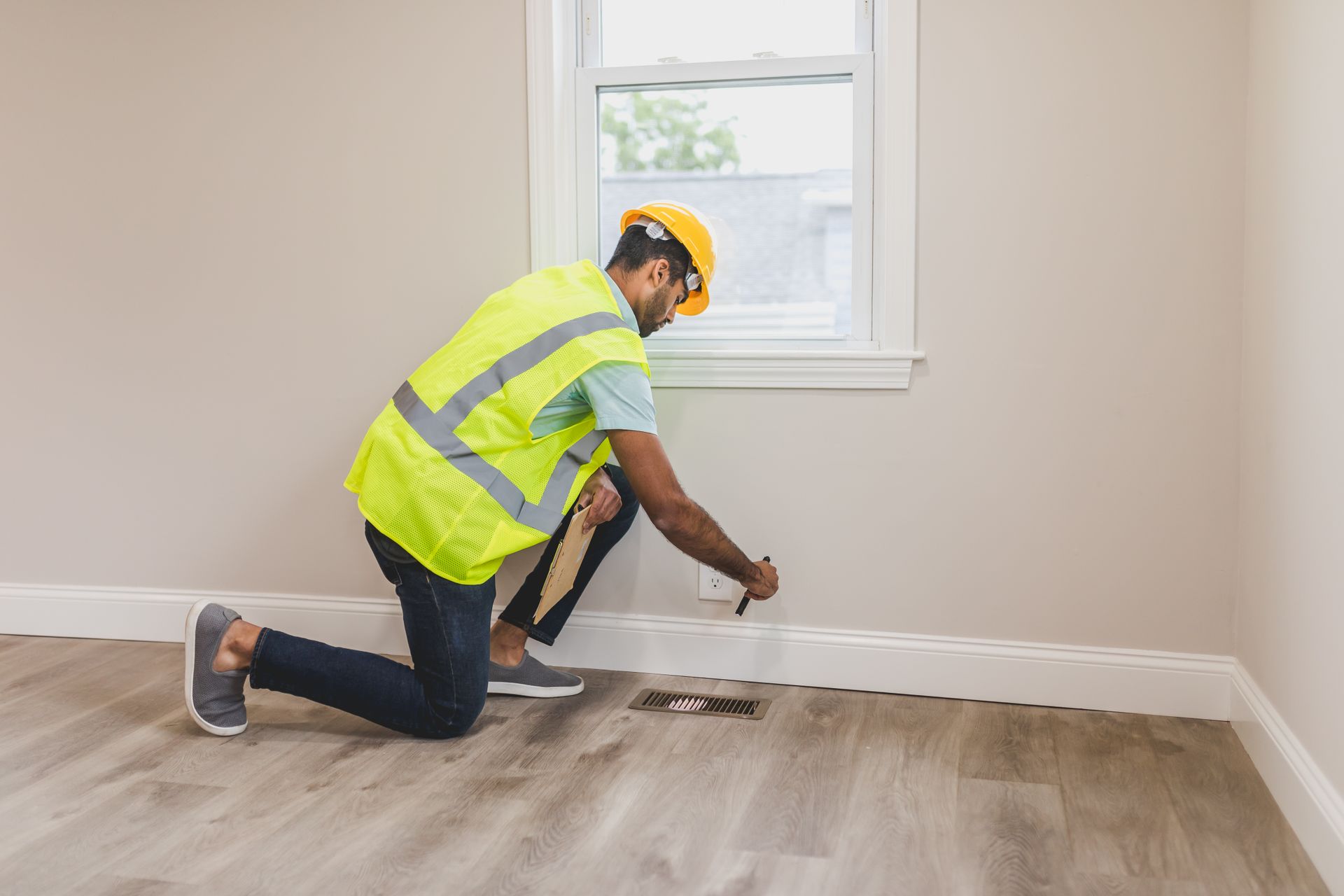
As a property manager, your daily responsibilities can be quite varied and demanding. Conducting property inspections, marketing properties, and screening tenants are just a few of the tasks you'll be responsible for.
You'll also need to handle tenant inquiries, complaints, and conflict resolution, which can be time-consuming and emotionally challenging. Coordinating maintenance and repair work with contractors and vendors is another key responsibility.
A property manager's salary can vary widely based on location, property type, and experience, but on average, they earn between $40,000 and $70,000 annually. Potential bonuses and commission structures can increase total compensation.
Here are some key responsibilities of a property manager:
- Conducting property inspections and ensuring compliance with safety codes
- Marketing and advertising available properties to attract potential tenants
- Screening and selecting tenants through background and credit checks
- Collecting rent and managing financial transactions related to the property
- Handling tenant inquiries, complaints, and conflict resolution
- Coordinating maintenance and repair work with contractors and vendors
- Keeping accurate records of property management activities and financial transactions
- Developing and managing budgets for property expenses and improvements
- Ensuring properties comply with local, state, and federal laws and regulations
- Implementing strategies to increase property value and rental income
- Maintaining positive relationships with tenants to promote tenant retention
Key Responsibilities
As a property manager, your daily responsibilities are varied and crucial to the success of the property. You'll be handling tenant inquiries, collecting rent, and coordinating maintenance and repairs.
One of the key tasks is conducting property inspections to ensure compliance with safety codes. This involves checking for any potential hazards and taking corrective action if necessary.
You'll also be responsible for marketing and advertising available properties to attract potential tenants. This can include creating eye-catching ads, managing social media, and hosting open houses.

Screening and selecting tenants through background and credit checks is another critical responsibility. This involves thoroughly vetting potential tenants to ensure they're reliable and trustworthy.
To keep accurate records of property management activities and financial transactions, you'll need to maintain detailed logs and spreadsheets. This includes tracking rent payments, maintenance requests, and property expenses.
Here's a breakdown of the key responsibilities of a property manager:
- Resident relations: Handling inquiries, complaints, and lease agreements
- Financial management: Overseeing and collecting rent, managing property expenses, and preparing budgets
- Maintenance coordination: Scheduling repairs and inspections
- Marketing vacant properties: Advertising listings and showing properties to prospective tenants
- Compliance: Protecting adherence to local, state, and federal regulations
As a property manager, you'll also need to develop and manage budgets for property expenses and improvements. This involves forecasting costs, allocating funds, and making adjustments as needed.
Effective communication is key to success in this role. You'll need to maintain positive relationships with tenants to promote tenant retention and resolve any issues that may arise.
Typical Earnings
As you explore a career in property management, it's essential to understand what you can expect in terms of earnings. Property managers in the United States typically earn between $40,000 and $70,000 annually.

Location can significantly impact a property manager's salary, so it's worth considering where you'd like to work. The average salary range remains the same, but local factors can influence your earning potential.
Experience also plays a crucial role in determining a property manager's salary, with more experienced individuals often earning higher salaries. Bonuses and commission structures can further increase total compensation.
Working with Companies and Ethics
To become a property manager in New Jersey, you'll typically start by working with property management companies. These companies provide valuable hands-on experience in leasing and managing properties.
You'll need to obtain a broker's license, which requires a high school diploma and a 90-hour pre-licensure course approved by the New Jersey Real Estate Commission. No hidden cancellation fees or surprises here - just straightforward education and licensure requirements.
Maintaining a strong ethical foundation is also crucial. You'll need to demonstrate evidence of good moral character and uphold industry standards that promote fairness, transparency, and integrity in all transactions.
For more insights, see: Property Management Insurance Companies
Business in Jersey
The business of property management in New Jersey is highly regulated, with clear requirements for education, licensure, and operations. This means that property managers must stay on top of industry standards and ethics to succeed.
To become a property manager in New Jersey, you'll need to understand the nexus of working with property management companies. This includes knowing how to manage maintenance and operations, as well as adhering to industry standards and ethics.
Becoming a steadily appointed agent can open doors to new opportunities, including selling top-rated landlord insurance services. This can be a valuable addition to your property management business.
Continuous professional development is key to career advancement in property management in New Jersey. This means actively pursuing ongoing education and engaging with industry peers to stay ahead in the field.
Working With Companies
Working with companies can be a great way to gain experience and build your professional network. In New Jersey, real estate managers often start their careers by working with property management companies.
These companies provide valuable hands-on experience in the leasing and managing of properties. To legally operate, one must obtain a broker's license after meeting the prerequisite experience or education requirements.
A high school diploma and a 90-hour pre-licensure course approved by the New Jersey Real Estate Commission are typically required to meet these requirements.
Ethics in Industry
In New Jersey, real estate managers must demonstrate evidence of good moral character. This is a crucial aspect of the industry.
Maintaining a strong ethical foundation is pivotal for success in property management. Industry standards promote fairness, transparency, and integrity in all transactions.
Real estate managers in New Jersey are expected to uphold the standards set forth by the state and reputable industry organizations. This includes being transparent and fair in all dealings.
To become a certified property manager in New Jersey, one must complete a state-required 30-hour course on agency and ethics. This course is a necessary step towards obtaining the necessary licensure.
Broaden your view: What Do Money Managers Do
A comprehensive 90-hour pre-licensure course is also necessary to prepare for the real estate licensing exam. This course provides a solid foundation in the skills and knowledge required to succeed in the industry.
By adhering to industry standards and ethics, property managers can build trust with their clients and establish a strong reputation in the industry. This is essential for long-term success and growth.
Maintenance and Operations
As a property manager, maintenance and operations are a big part of the job. You'll be responsible for ensuring the properties you manage meet all regulations, including health and safety codes.
Regular upkeep, emergency repairs, and long-term maintenance plans are all part of the equation. You'll need to stay on top of these tasks to keep properties in good condition and prevent costly repairs down the line.
Conducting property inspections is a crucial part of maintenance and operations. This involves checking properties to ensure they meet safety codes and regulatory requirements. You'll also need to identify any potential issues and develop plans to address them.
Here are some key tasks you'll need to perform as a property manager:
- Conducting property inspections and ensuring compliance with safety codes
- Coordinating maintenance and repair work with contractors and vendors
- Keeping accurate records of property management activities and financial transactions
- Developing and managing budgets for property expenses and improvements
- Ensuring properties comply with local, state, and federal laws and regulations
By staying on top of maintenance and operations, you'll be able to keep properties in good condition, prevent costly repairs, and ensure compliance with regulatory requirements. This will help you build a positive reputation as a property manager and attract potential clients.
Frequently Asked Questions
What kind of property manager makes the most money?
Commercial property managers tend to earn higher incomes due to their specialized skills and market expertise. Their earnings can be significantly higher than those of residential property managers.
Featured Images: pexels.com