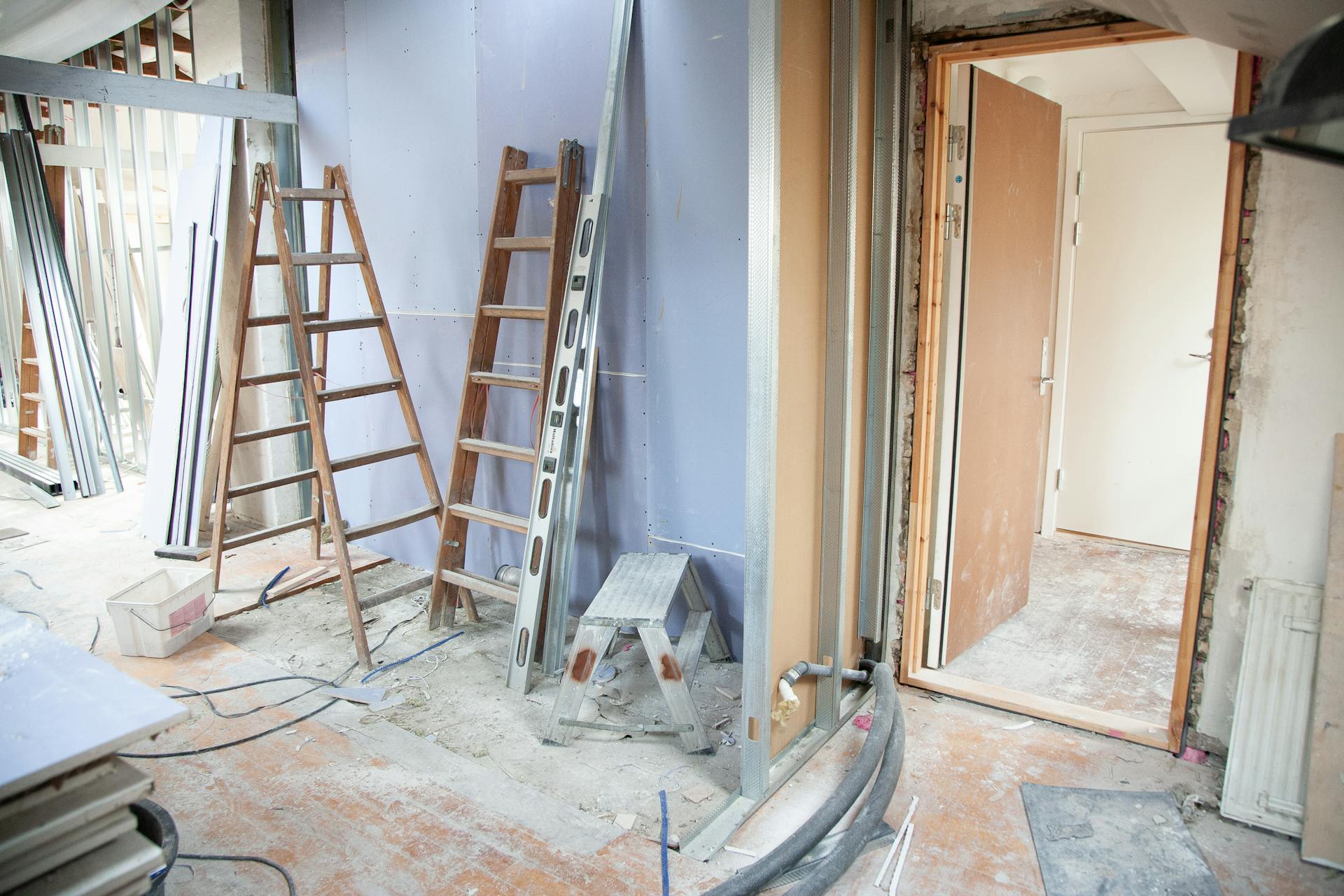
Flipping houses can be a lucrative venture, but it's essential to understand the potential earnings and what to expect.
The profit margins can vary widely, from 10% to 50% or more, depending on the location, property type, and renovation costs.
A successful flipper can earn an average of $30,000 to $50,000 per house, but this number can be significantly higher in areas with high demand and limited inventory.
Some flippers have reported making up to $100,000 or more per property, but these cases are relatively rare and often require a deep understanding of the local market and renovation process.
Getting Started
House flipping is not as easy as it looks on TV, it requires a lot of knowledge of real estate markets and home renovation skills.
You'll need to be prepared to put in the work to learn about these areas, or hire professionals to assist you, but keep in mind that hiring others can eat into your profits.
It's essential to start by understanding the basics of house flipping and what's involved in the process.
Where to Start
Getting started with house flipping can be a daunting task, but with the right approach, you can minimize your financial risk and maximize your return potential. It all starts with setting a realistic budget and understanding the costs involved.
To determine a fair purchase price, you need to know the after-repair value (ARV) of the property and how much repairs will cost. The 70% rule is a useful guideline to follow, which states that you should pay no more than 70% of the ARV less any necessary repairs. For example, if a home's ARV is $150,000 and it needs $25,000 in repairs, you should pay no more than $80,000.
To calculate the purchase price using the 70% rule, simply multiply the ARV by 0.70 and subtract the cost of repairs. This will give you a clear idea of what you can afford to pay for the property.
Here's a simple formula to help you calculate the purchase price:
Readers also liked: Flipping Houses with No Money
ARV × 0.70 = Maximum purchase price
Maximum purchase price - Cost of repairs = Ideal purchase price
For instance, if the ARV is $150,000 and the cost of repairs is $25,000, the calculation would be:
$150,000 × 0.70 = $105,000
$105,000 - $25,000 = $80,000
By following this formula and considering the costs involved, you can make an informed decision and avoid costly mistakes.
What Is?
House flipping is the practice of purchasing a property with the intent of improving it and then selling it for a profit. It's a great way to turn a neglected home into a beautiful one that someone will love.
House flippers typically target homes in need of repair, foreclosure properties, or those with the potential for substantial appreciation. This means you'll need to have a keen eye for spotting undervalued properties.
Real estate investors usually look for distressed properties that are put up for auction or are pending foreclosures. This can be a great way to get a good deal, but you'll need to be prepared to act quickly.
Expand your knowledge: How Much Money Do You Need to Start Flipping Houses

House flipping is a business strategy where an investor buys a property, fixes it, and resells it for a profit. It's a short-term investment strategy with the goal of selling the house quickly after it has been renovated.
By understanding the basics of house flipping, you'll be better equipped to navigate the process and make informed decisions.
Financial Considerations
Flipping houses can be a lucrative venture, but it's essential to consider the financial implications. You'll need to factor in holding costs, which can add up quickly, especially if you're not paying cash. These costs include property taxes, insurance, maintenance, and utility bills, which can total around $1,100 per month.
A significant portion of your expenses will be repair costs, which can range from $15 to $50 per square foot, depending on the scope of the renovation. For a simple flip, you can expect to pay around $15,000 in total. The longer it takes to complete the flip, the higher your holding costs will be.
See what others are reading: Defender Flip
To give you a better idea of the financial burden, here's a breakdown of estimated holding costs over a 6-month period:
As you can see, holding costs can add up to nearly $7,000 over 6 months. It's crucial to factor these costs into your budget and plan accordingly. Additionally, you'll need to consider capital gains taxes, which can chip away at your profit.
Not Enough Money
Buying and selling houses can be a costly endeavor, and it's essential to consider the financial aspects before diving in. The property acquisition cost is just the beginning, and the interest on borrowed money can add up quickly. Every dollar spent on interest will need to be earned back on the sale just to break even.
Researching your financing options is crucial to finding the right lender and product for your needs. Using a mortgage calculator can help compare rates from various lenders. Paying cash eliminates the cost of interest, but it also means tying up your cash, which comes with its own set of holding costs and opportunity costs.
The profit margins for flippers are decreasing, with a gross profit of around $67,900 per property in 2022, or a 26.9% ROI. This is a 3% decrease from 2021, when flippers earned around $70,000 per property. Renovation and other costs can cut your profit by around two-thirds, leaving you with a smaller profit margin.
Unforeseen Expenses Can Drain Your
Unforeseen expenses can quickly add up and eat away at your profits. One of the rookie mistakes you must avoid is not inspecting the house thoroughly before buying the property or planning a flip. Biting more than you can chew can be financially draining.
Unexpected repairs will not be heavy on your pocket but also increase the time and effort required to complete the flip. This can lead to a longer holding period, which means higher holding costs. For example, if it takes you 6 months to flip the property, you're looking at nearly $7,000 just in holding costs.
Readers also liked: Power Flip Windshield
Renovation costs can also be a significant expense. In the example we used, with a light remodel, you can expect around $15 per square foot for renovations — or around $15,000 total before it's ready to be sold.
Here's a breakdown of the estimated costs:
- Mortgage: $750 per month
- Utilities: $250 per month
- Taxes: 1% per year
- Total holding costs: around $1,100 per month
These costs can quickly add up, especially if you don't know what you're doing or looking at. It's essential to put the property under a microscope so you can uncover these potential problems before you sign on the dotted line and secure the property to begin work.
Closing Costs
Closing costs can add up quickly, typically around 3% of a property's value. This means if you're selling a property for $150,000, you can expect to pay around $4,500 in closing costs.
In some cases, you might be able to negotiate with the buyer to cover these costs, but it's not a guarantee.
Marketing Costs
Marketing costs can be a significant expense when selling a property. You may be required to foot the bill for these costs, which can add up quickly.
Marketing costs can range from $1,000 to $3,000, depending on the agent you're working with. This is on top of the agent's commission, which typically runs around 2-3%.
Paying these costs upfront can be a challenge, especially if you're already investing a significant amount of money in the property.
Taxes May Apply
You'll need to consider tax implications before flipping houses, so talk with a tax specialist beforehand to understand the tax ramifications.
Your tax bill may be affected by your area, the frequency of property flips, and the length of time you keep a property.
As a house flipper, you may face higher property taxes due to increased market value from repairs and renovations.
You'll also have to pay capital gains tax on any profits, with the tax rate depending on the duration of property ownership.
Do I Need a Real Estate License?
You don't need a real estate license to flip houses, but it may prove beneficial if you plan to turn flipping into a full-time career.
In most states, you can flip properties without a license, but having one will give you direct and immediate access to distressed properties for sale on the MLS.
You'll save on Realtor commission when you eventually sell the house, which amounts to 5-6% of the sale price and is the biggest seller closing cost.
To get a real estate license, you'll need to attend 90 hours of Approved Pre-License Education, which will give you a good understanding of property laws and make working with them a breeze in the future.
A fresh viewpoint: Flipping Houses for Sale
Best Places
So you're looking for the best places to flip a house? Well, according to New Silver, which provides capital to real estate investors, the top cities for house flipping are Jacksonville, Atlanta, El Paso, Charlotte (North Carolina), and Hartford (Connecticut).
These cities offer a great combination of affordability, demand, and potential for profit. Jacksonville, for instance, has a relatively low cost of living, making it an attractive option for investors on a budget.
Skills and Knowledge
To succeed in flipping houses, you need to have a solid foundation of skills and knowledge. The housing market is far too efficient for unrealistic expectations to occur regularly, such as buying at $60,000 and selling at $200,000.
You must know how to pick the right property, in the right location, at the right price. Knowing which renovations to make and which to skip is also crucial. Even a deal of a lifetime, like snapping up a house in foreclosure, requires understanding of applicable tax laws and zoning laws.
A unique perspective: Is Land a Good Investment Right Now
Not Enough Skills
Not having the right skills can be a major obstacle in house flipping. If you don't know how to do basic renovations and repairs, you'll need to hire professionals to do the work.
Paying for professionals will eat into your profit margins, making it harder to turn a substantial profit on your investment. Big-league lenders are also getting into the flip-loan marketplace, increasing competition and making it tougher to succeed.
Knowing how to use common tools like a Phillips-head screwdriver is essential for flipping a house. Without these basic skills, you'll be at the mercy of contractors and their prices.
For your interest: House Making 40k
Not Enough Knowledge
Not having enough knowledge can lead to costly mistakes in real estate investing. You must know how to pick the right property, in the right location, at the right price.
The housing market is far too efficient for unrealistic price expectations to occur regularly. In a neighborhood of $100,000 homes, buying at $60,000 and selling at $200,000 is unlikely.
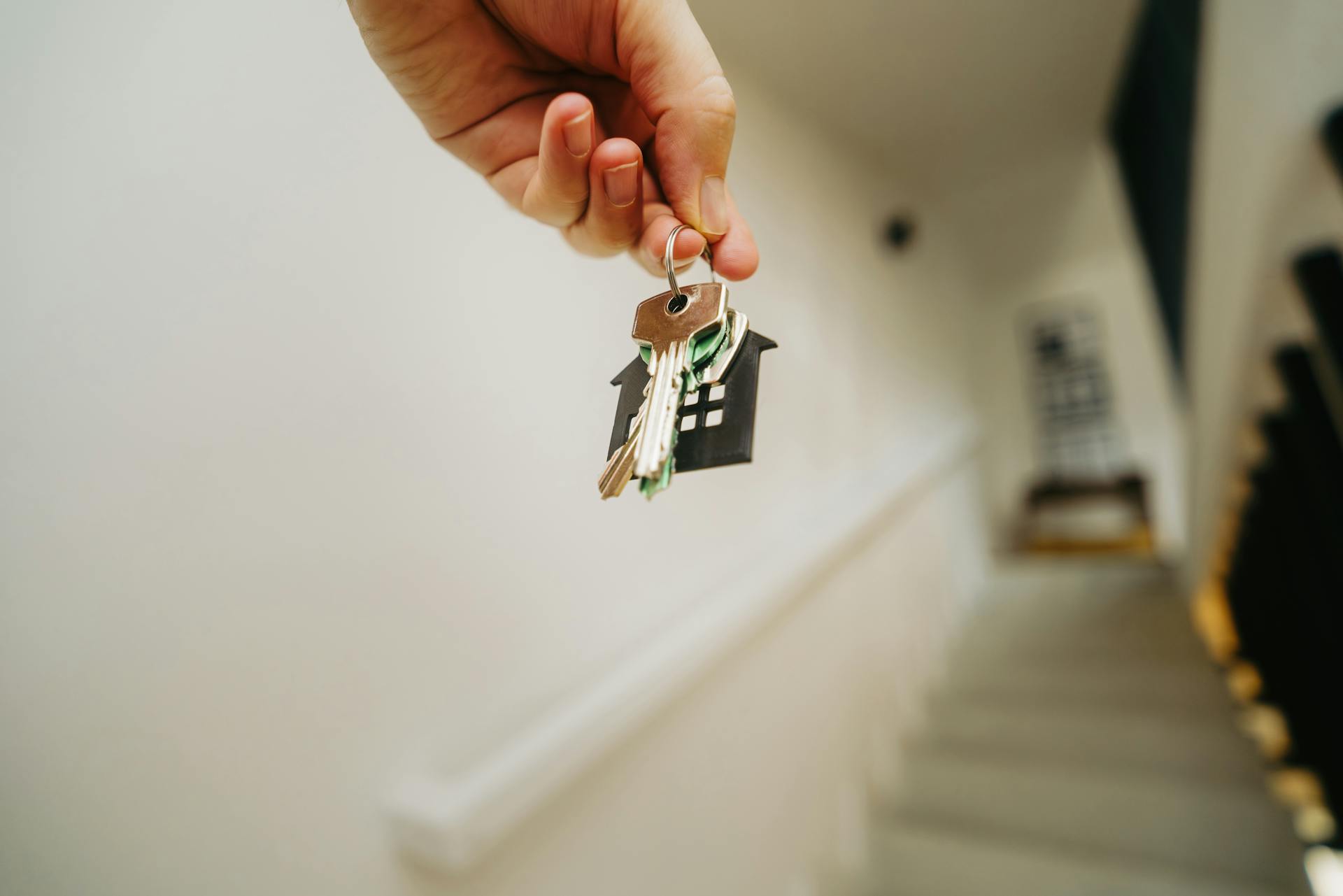
Knowing which renovations to make and which to skip is crucial, even if you get a good deal on a foreclosed home. Renovations can quickly turn a profit into a loss if not done wisely.
Understanding applicable tax laws and zoning laws is also essential. Zoning laws can affect the value and usability of a property, so it's vital to know what they entail.
Cutting your losses and getting out before a project becomes a money pit is often the best decision. It's better to walk away from a bad investment than to risk losing more money.
Do You Need a License?
You don't need a real estate license to flip houses, but it may prove beneficial if you plan to turn flipping into a full-time career.
In most states, you can start flipping properties without a license, but having one will give you direct and immediate access to distressed properties for sale on the MLS.
You might enjoy: Landbank Properties

Saving on Realtor commission is a significant advantage of having a real estate license - it amounts to 5-6% of the sale price and is the biggest seller closing cost.
To get a real estate license, you'll need to attend 90 hours of Approved Pre-License Education, which will give you a good understanding of property laws and make working with them a breeze in the future.
Having a real estate license can save you thousands of dollars in commission fees over time.
What Is & Why Is It So Popular?
Skills and knowledge are essential for personal and professional growth.
Many people believe that skills and knowledge are the same thing, but they're not. Skills are practical abilities that can be learned and applied, while knowledge is the understanding and awareness of a particular subject or field.
In today's fast-paced world, having the right skills and knowledge can make all the difference in achieving our goals and staying ahead of the curve.
The rise of online learning platforms and educational resources has made it easier than ever to acquire new skills and knowledge. According to a recent study, 70% of employees believe that ongoing learning and development are essential for career advancement.
Having the right skills and knowledge can also boost our confidence and self-esteem. As we learn and grow, we become more capable and competent, which can lead to a greater sense of purpose and fulfillment.
In fact, research has shown that people who engage in lifelong learning tend to be happier and healthier than those who don't.
The Process
Here's the "The Process" section of the article:
The process of flipping houses involves several key steps, including finding a property, estimating repair costs, and securing funding.
You can find potential properties by driving through neighborhoods, working with a real estate agent, or using online tools like Zillow or Redfin.
A typical renovation budget can range from 10% to 30% of the property's purchase price, with an average of 15% for minor repairs.
Once you've secured funding, you'll need to negotiate a purchase price with the seller, taking into account the property's condition and potential for renovation.
In some cases, you may be able to negotiate a lower purchase price due to the property's condition, which can increase your profit margins.
Getting Started with Renovation
To start renovating a property, it's essential to have a clear understanding of the repair costs involved. Renovations can range from simple tasks like carpet and paint flips to more complex issues like electrical and plumbing problems. The costs can quickly add up, especially if you're not familiar with the renovation process.
A good rule of thumb is to budget around $15 per square foot for renovations, which translates to around $15,000 total for a typical property. This cost can vary greatly depending on the scope of the project.
Before making an offer on a property, it's crucial to inspect it thoroughly to uncover potential problems. This will help you make a more informed decision and avoid costly surprises down the line.
Here are some key factors to consider when evaluating a property's renovation potential:
To give you a better idea, let's say a property's ARV is $150,000 and it needs $25,000 in repairs. Using the 70% rule, you would pay no more than $80,000 for the property, which is calculated as follows: $150,000 × 0.70 = $105,000 - $25,000 = $80,000.
Sell Your Property
After completing the renovations, you can sell the property for a profit. The profit is calculated by subtracting the total costs from the sale price.
You can sell your property through a platform like Houzeo, which is a popular choice among home flippers. Houzeo is a for sale by owner list on MLS that can help you save thousands on selling your flip.
To use Houzeo, you'll need to understand how it works and why it's a good option for selling your property.
Intriguing read: Can I Sell My House If I Have a Heloc
Pros and Cons
House flipping can be a lucrative business, but it's essential to consider the pros and cons before diving in.
Flipping houses has continued to gain speed since 2005, making it a trend that shows no signs of slowing down. This is likely due to the potential for high returns on investment, with some flips yielding profits of up to 50% or more.
However, house flipping also comes with its fair share of risks. The trend has been associated with a high failure rate, with some flips resulting in losses of up to 20% or more.
Related reading: Lip Flips
The pros of house flipping include the potential for quick cash, with some flips completed in as little as 30 days. Additionally, flipping houses can be a great way to build wealth over time, with the right strategy and execution.
On the other hand, house flipping requires a significant amount of time and effort, with many flippers working long hours to renovate and sell properties. This can be physically and mentally demanding, making it essential to carefully consider whether flipping houses is right for you.
On a similar theme: Is Now a Good Time to Invest in Reits
Career and Income
You can turn house flipping into a full-time career with consistent efforts and networking, potentially earning an average annual pay of $78,000 to $127,000. The more time you have, the more projects you can take on and the more attention to detail you can devote.
The amount of money you can make flipping houses is directly tied to how many houses you flip per year. To make $100,000 per year, you need to flip at least 3 properties per year, while making $250,000 per year requires flipping at least 7 properties per year.
On average, successful home flippers can make a 26.9% profit on flips, which can add up quickly with the right strategy and property selection.
Turn It Into a Career
Turning house flipping into a career can be a lucrative move. The average annual pay of a full-time house flipper in the US is $78,000 and can go as high as $127,000.
You can be as involved as you wish in house flipping as a career, and with more time, you can take on more projects and pay closer attention to detail.
To make a decent income from house flipping, you'll need to flip multiple properties per year. For instance, to make $100,000 per year, you'll need to flip at least 3 properties per year, and to make $250,000 per year, you'll need to flip at least 7 properties per year.
With consistent efforts and networking, you can make house flipping a full-time career.
Best Cities
If you're looking to boost your career and income, consider exploring opportunities in cities that are ripe for house flipping. Jacksonville, Atlanta, El Paso, Charlotte (North Carolina), and Hartford (Connecticut) are top contenders, according to New Silver.
These cities offer a favorable market for real estate investors, with Jacksonville being a notable mention.
Houzeo: Top Selling Platform
Houzeo is a top selling platform for home flippers, saving them thousands when selling their flips.
Houzeo is the most popular selling platform for home flippers, used by many across America.
For sale by owner listings on MLS work well, especially through Houzeo, which is one of the best For Sale By Owner websites available.
Home flippers can save a lot of money by using Houzeo, making it a great option for those looking to minimize costs.
Intriguing read: Best Platform to Invest in Reits
Frequently Asked Questions
What is the 70% rule in house flipping?
The 70% rule is a guideline for house flippers to pay no more than 70% of a property's potential value after repairs, minus renovation costs. This rule helps investors avoid overpaying for a fixer-upper and ensures a potential profit.
Featured Images: pexels.com