
Having too many business credit cards can lead to cluttered finances and increased debt, while having too few may limit your business's earning potential.
One to three business credit cards is a common range for small businesses, allowing for manageable expenses and rewards.
Research suggests that having multiple credit cards can help businesses earn more rewards, such as cashback, travel points, or other benefits.
However, having too many cards can also lead to overspending and decreased credit scores.
For another approach, see: Are Credit Card Late Fees Tax Deductible for Businesses
Benefits and Considerations
Having multiple business credit cards can bring tangible value to your business, such as earning cash back, miles, or points on purchases. For example, the Ink Business Unlimited Credit Card offers 1.5% cash back on all purchases.
Businesses that spend on travel can earn valuable rewards, like 5 points per dollar on airfare and prepaid hotels booked on AmexTravel.com with The Business Platinum Card from American Express.
Having multiple business credit cards can increase your overall available credit, helping your business maintain a lower credit utilization ratio, which is good for building business credit over the long term.
Explore further: Best Way to Pay off Multiple Credit Cards
A higher business credit score can result in access to better rates on business loans or business lines of credit from banks.
Using multiple cards gives you a chance to enroll in several credit card rewards programs, taking advantage of introductory periods with low interest rates, plans without annual fees, and cash-back options.
Bonus rewards and card features like no annual fee can add to the value of having multiple lines of credit.
Here are some key benefits of having multiple business credit cards:
- Diversify your rewards potential
- Maximize your rewards in specific categories
- Access to additional credit if needed
- Potential to improve business credit score
Applying and Owning
Applying for business credit cards can be a bit daunting, but it's essential to consider the impact on your credit score. Every submitted application will result in a hard inquiry on your credit report, which can lower your personal credit score and decrease your business credit score.
It's also worth noting that there is no limit on the number of business credit cards you can apply for. However, be wary of business credit cards that have hard inquiries as these can hurt your business credit score, especially if you apply for several in a short period of time.
Broaden your view: Is It Bad to Apply for Multiple Credit Cards
Managing multiple business credit cards can be beneficial for your business, but it's crucial to consider whether it's necessary for your specific business. Missing payments or using a high percentage of your credit limits will lower your business credit score, so make sure you understand your spending patterns and cash flow projections.
Should You Own?
Having multiple business credit cards can be advantageous, but it's essential to consider whether it's necessary for your specific business.
Applying for more than one card for your business can impact your company's credit score, just like filling out a lot of personal credit card applications can harm your individual credit score.
As long as you're making payments on time and not pushing your spending limits, managing multiple business lines of credit and cards can help build business credit in the long run.
Missing payments or using a high percentage of your credit limits will lower your business credit score, so it's crucial to consider your spending patterns and cash flow projections.
It's essential to think about your ability to keep up with separate cards before getting a business credit card.
Here's an interesting read: Business Credit Cards with No Preset Spending Limit
Should a Have?

Having multiple business credit cards can be beneficial, but it's essential to consider whether it's necessary for your specific business. Applying for more than one card can impact your company's credit score if not managed properly.
Missing payments or using a high percentage of your credit limits will lower your business credit score. It's crucial to consider your spending patterns and cash flow projections.
Having only one credit card can limit a business's access to credit and restrict its purchasing power. For example, a business owner with a limit of $15,000 may run into trouble if they need to spend $10,000 on business-related travel in one month.
Every small business owner has unique needs and spending patterns, so it's essential to know your numbers inside and out. Know how much you spend, on what, and how often.
If you don't spend more than $5,000 per month on your small business credit card, one is probably more than enough. If you're above that threshold, assess your spend and payment patterns carefully.
Opening a second card to cover daily expenses while chipping away at the balance on your first allows you access to a higher aggregate credit limit. This can help you keep your operations flowing and successfully grow your business.
For more insights, see: Is Having Multiple Credit Cards Bad
How Many Can I Apply For?

You can apply for multiple business credit cards, but every application will result in a hard inquiry on your credit report, which can lower your personal and business credit scores.
There is no limit to the number of business credit cards you can apply for, but it's essential to consider your spending habits, benefits, APR rates, and whether your company can manage multiple credit cards.
Applying for multiple cards within a short time span can lead to a temporary hit to your business credit score.
Consider the amount of credit you need, terms, rewards program, and infrastructure of your business when deciding how many cards to apply for.
You can set up employee credit cards through one main business credit card account, usually at no additional cost.
Some business credit cards allow you to customize spending limits on each employee card for greater control over spending and expense management.
It's crucial to think about your business's rewards programs and whether they align with your company's needs.
You might like: How to Account for Credit Card Rewards
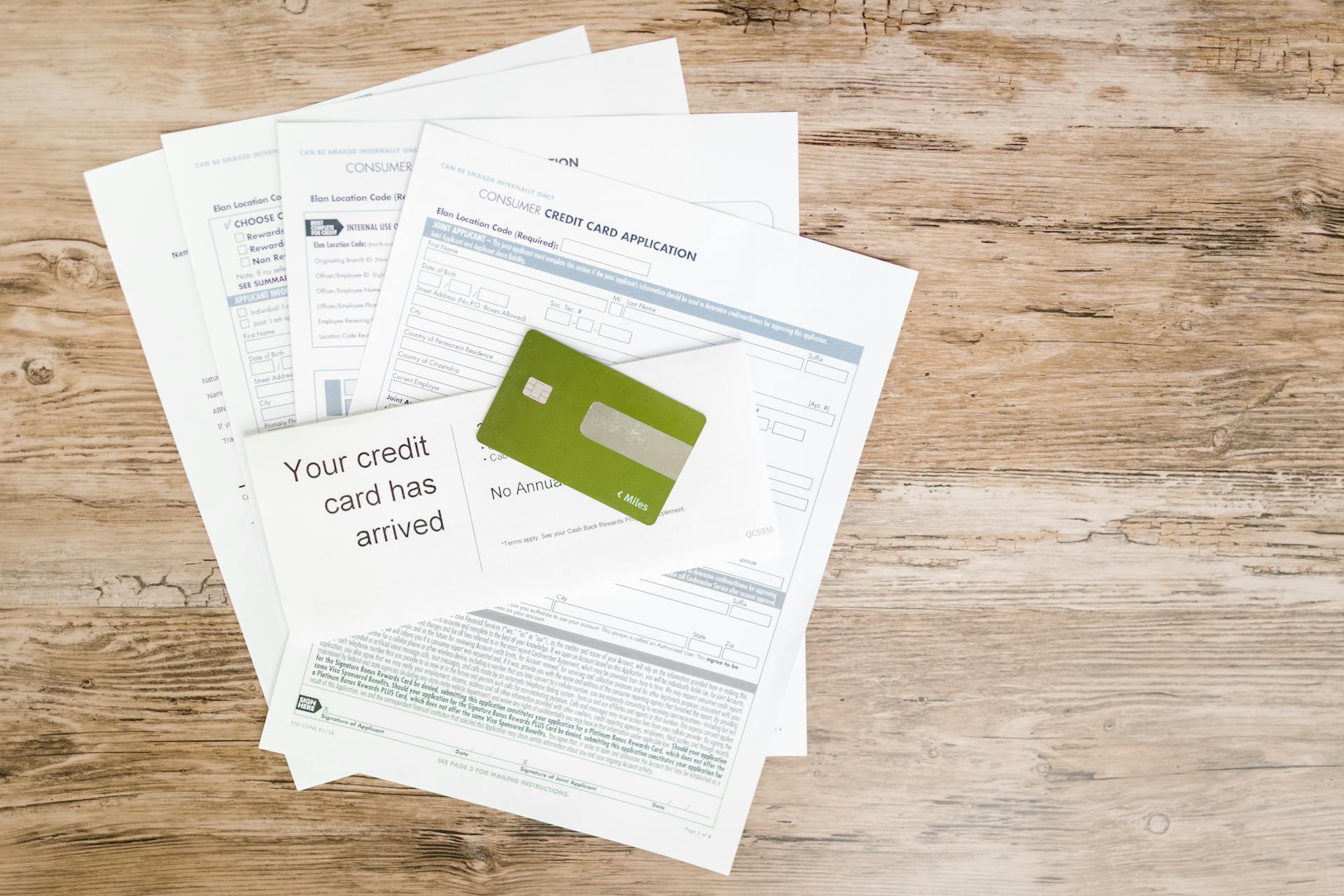
Having multiple business credit cards can be advantageous, but it's essential to consider whether it's necessary for your specific business.
Managing multiple business lines of credit and cards can help build business credit in the long run, as long as you make payments on time and don't push your spending limits.
Missing payments or using a high percentage of your credit limits will lower your business credit score.
You should have more than one business card to increase purchasing power and build credit, especially if you need to make large purchases or travel frequently.
Having only one credit card can limit a business's access to credit and restrict purchasing power.
Opening multiple cards can optimize your utilization ratio, which is great for your business credit score.
However, you should only have as many cards as you can reasonably keep track of each month to avoid missing payments or overspending.
A fresh viewpoint: How Many Credit Cards to Build Credit
Types and Options
There are various types of business credit cards, each catering to unique business needs. Many of these cards come with an annual fee.
Cash Back business credit cards give businesses the opportunity to earn a percentage of their purchases back as cash on eligible purchases.
Secured business credit cards are designed for businesses with limited or poor credit, requiring a security deposit as collateral, with the credit limit being the amount of that deposit.
General rewards business credit cards allow businesses to earn rewards for various types of business-related spending, which can be redeemed for merchandise, travel, gift cards or cash back through the card issuer's rewards portal.
Check this out: Can You Take Cash Out of Credit Cards
What Are Some Types of
There are various types of business credit cards, each catering to the unique needs of businesses.
Cash Back business credit cards give businesses the opportunity to earn a percentage of their purchases back as cash on eligible purchases.
Many Cash Back business credit cards come with an annual fee, so it's essential to weigh the benefits against the costs.
Secured business credit cards are designed for businesses with limited or poor credit to build or rebuild their credit history, requiring a security deposit as collateral.
Consider reading: Why Are Businesses Charging to Use Credit Cards

These cards can help businesses establish a positive credit history over time with consistent on-time payments.
General rewards business credit cards are often branded by the card issuer, allowing businesses to earn rewards for various types of business-related spending and combine them for redemption.
Hotel business credit cards offer rewards in the form of points for regular spending and additional miles for staying at the hotel in which the card is co-branded.
Airline business credit cards provide rewards in the form of miles for regular spending and additional miles for flying on the airline in which the card is co-branded.
Intriguing read: Co-branded Credit Cards for Small Business
Capital Card
The Capital Card is a great option for small business owners. It offers unlimited 1.5% cash back, which can really add up over time.
One of the standout features of the Capital Card is its high credit limits, up to $50,000. This can be a huge relief for business owners who need to make large purchases.
Discover more: Best Credit Cards for Small Business Owners

Business owners can also get as many employee cards as they need for free, which can help streamline their operations. This can be especially helpful for companies with a lot of employees or contractors.
Redeeming points for gift cards is also an option, and it's available at a 2% discount from popular brands like Amazon, Apple, and Uber.
Limitations and Advice
Having multiple business credit cards can be a burden, and it's essential to know when to say no to more cards. If managing more than one business credit card becomes too much, it can lead to financial oversights and debt.
Missing payments is a clear sign that you've got too many cards. If you're consistently late with payments, it's a red flag for your business credit history.
Having poor credit is another indication that your business credit card usage is out of control. A negative credit history will make it harder to get business loans or other funding in the future.
A different take: Visa Cards for No Credit History
Racking up considerable debt on a business credit card or being near or at available credit limits is a warning sign that you need to reassess your credit card usage.
Here are some signs that it's time to focus on building business credit and reducing your reliance on cards:
- Missed payments
- Poor business credit
- Near or at available credit limits
Is It Good?
Having multiple business credit cards can actually be beneficial, but only if they make your bookkeeping easier, not harder.
It's absolutely critical to have at least one small business credit card dedicated to business spend to keep your personal and business finances separate.
Having separate cards for different areas of your business can help you stay organized and make it easier to manage your expenses.
But having too many cards can become overwhelming to manage, which can lead to missing payments or having cards closed because you're not meeting the minimum spend.
It's all about finding that sweet spot for your business based on how much you're spending, how frequently, and across how many categories.
You might enjoy: Facebook Business Account Credit Card Not Working
Featured Images: pexels.com