
Rent to own is a popular option for Texans looking to become homeowners, but it's essential to understand how it works and what to consider before signing a contract.
In Texas, a rent to own agreement is a type of lease with an option to buy. This means you'll rent a property with the intention of purchasing it in the future.
The rent to own contract typically includes a rent period, a purchase price, and a percentage of the rent that goes towards the down payment. For example, in Texas, some contracts may require you to pay 2-3% of the rent towards the down payment.
With a rent to own agreement, you'll have the opportunity to build equity in the property, but you'll also be responsible for maintenance and repairs.
How Rent to Own Works
Rent to own is a great way to become a homeowner, but it's essential to understand how it works. In Texas, you'll typically sign a contract with the seller outlining the rental period, monthly rent, and the home's purchase price.
The process starts with an agreement setup, where you pay an upfront, non-refundable fee, known as the option fee, which can range from 1-5% of the home's price. This fee secures your exclusive right to purchase the home later.
As you make monthly payments, a portion of it may be credited toward the down payment or purchase price, helping you save while you rent. This is called rent credits.
At the end of the lease, you'll decide whether to buy the home or walk away. If you choose to buy, you'll need to secure financing for the agreed price.
Here are the key steps involved in the process:
- Locate suitable properties that offer rent-to-own options, often using specialized real estate platforms.
- Negotiate terms like the option fee, monthly payments, and purchase price.
- Make monthly payments on time, and a portion may be applied towards the purchase price.
- Work on your credit score or save for a down payment to prepare for the purchase.
- At the contract end, exercise the option to buy by securing financing for the agreed price.
It's crucial to understand the two main types of rent-to-own contracts: Lease-Option Agreement and Lease-Purchase Agreement. A Lease-Option Agreement gives you the option to buy the home at the end of the lease, but you'll forfeit your option fee and any rent credits if you don't. A Lease-Purchase Agreement is a more binding contract where you're legally obligated to buy the home at the end of the lease period.
Benefits and Risks
Rent-to-own agreements in Texas offer a pathway to homeownership for people who have adverse credit or limited savings for a down payment.
There are around 4 million renters in Texas, and rent-to-own agreements provide a useful alternative route to owning a home.
Renters can use the arrangement to build equity while living in the property and lock in a future purchase price.
Here are some potential risks to consider:
- Failure to meet payment obligations may result in losing the option fee and other invested funds.
- It is possible that property values will decline, leaving the buyer at a disadvantage.
- The seller faces risk if the tenant backs out of the agreement, which can have a bearing on when to sell your investment property.
Careful evaluation of the terms is crucial to mitigate these risks.
Pros and Cons
Rent-to-own agreements can be a great option for those who want to build equity and save for a down payment. This type of agreement allows renters to improve their credit and finances over time.
Rent-to-own agreements offer a "try before you buy" option, which can be especially helpful for newcomers to a city or area who want to explore neighborhoods before committing to a purchase. This also applies to military families who may be stationed in a new area.
Here's an interesting read: Single Euro Payments Area
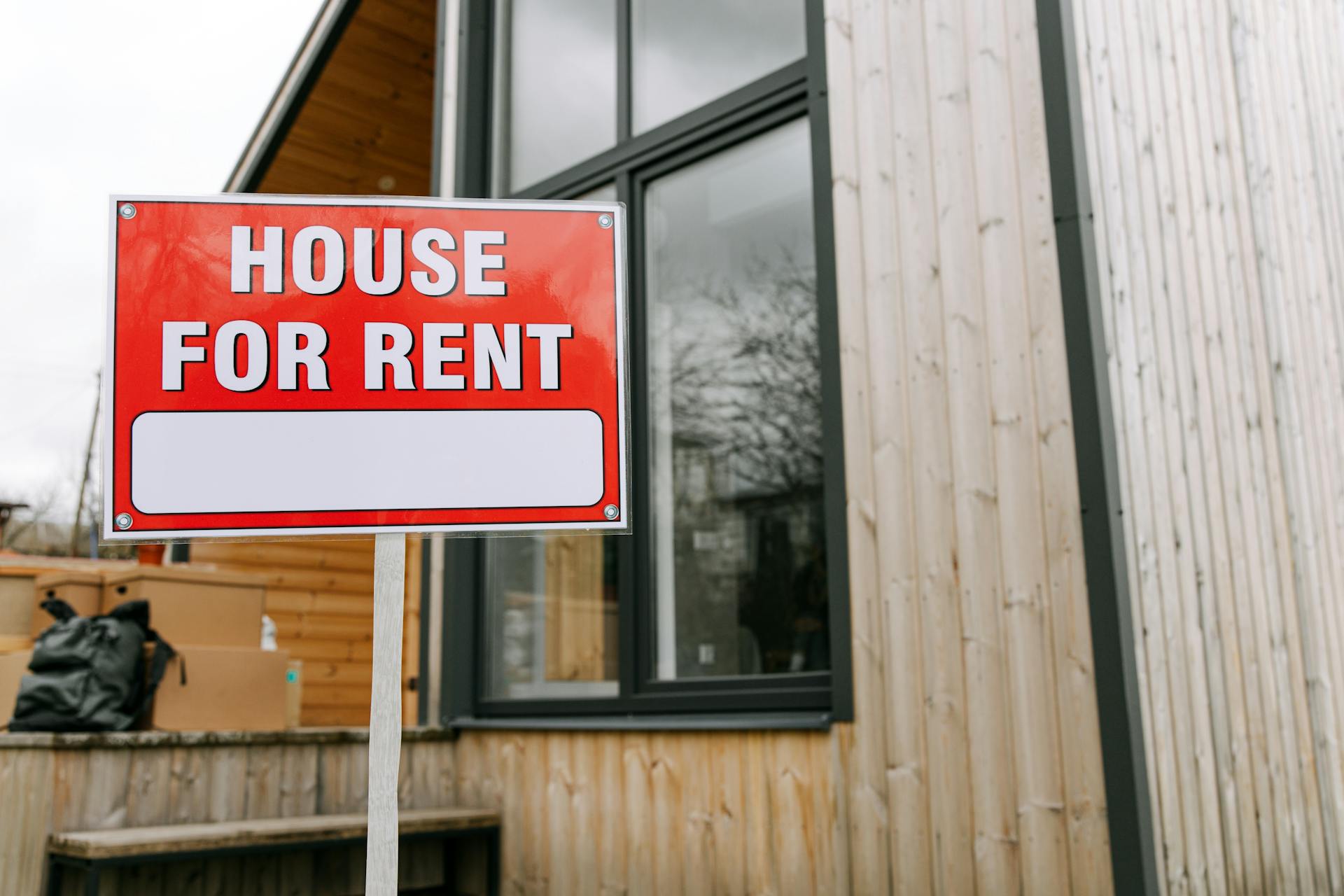
One of the main benefits of rent-to-own agreements is that they allow renters to build equity through rent credits. However, this also means that renters may be responsible for repairs and maintenance, which can be a drawback.
Rent-to-own agreements can be a good fit for first-time buyers with limited savings for a traditional down payment, as well as those with credit scores below 580 who need time to qualify for a mortgage. Self-employed individuals with irregular income may also benefit from this type of agreement.
Here are some key pros and cons of rent-to-own agreements:
Overall, rent-to-own agreements can be a good option for those who want to build equity and save for a down payment, but it's essential to carefully evaluate the terms and consider the potential risks involved.
Legal Risks and Responsibilities
In Texas, rent-to-own contracts come with potential risks and responsibilities for both buyers and sellers. If you miss payments or fail to meet other contractual obligations, you may forfeit your option fee or lose your chance to buy.
Buyers should review the terms of the agreement carefully to understand everything it says about property maintenance, purchase timelines, financial commitments, and more. Both parties should review the terms of the agreement carefully.
Sellers must comply with the Texas Property Code, which requires transparency about property conditions and legally binding disclosures. This includes being upfront about any issues with the property.
Here are some key considerations for buyers and sellers:
- Buyers: missing payments or failing to meet contractual obligations can result in forfeiting the option fee or losing the chance to buy.
- Sellers: failing to comply with the Texas Property Code can result in legal issues.
It's essential to work with an investor-friendly real estate agent to ensure that the contract is compliant with Texas laws and regulations. They can help guide you through the process and ensure that you're aware of any potential risks or responsibilities.
Seller and Landlord Responsibilities
As a seller, you have a range of responsibilities in a Texas rent-to-own agreement. You must provide full disclosure about the property's condition, including any known defects or legal issues. This is a crucial aspect of the agreement, as it ensures transparency and fairness for both parties.
If you decide to allow a tenant to take the rent-to-own route, you must maintain the property during the lease term, unless there are alternative stipulations in the contract. This means keeping the property in good condition and making any necessary repairs.
Here are some key responsibilities for sellers in a Texas rent-to-own agreement:
- The seller must provide full disclosure about the property's condition.
- The seller is required to maintain the property during the lease term.
- The seller must apply payments as agreed upon in the arrangement.
Contract Notarization Requirements
In Texas, it's not a legal requirement for rent-to-own contracts to be notarized. However, many choose to do it for added security.
A notarized agreement provides evidence that both parties signed the document with a full understanding of the terms, reducing the scope for disputes.
Most contracts are legally binding without notarization, but it's often recommended for contracts involving significant financial commitments.
Rent-to-own contracts, where payments and conditions may be in place for several years, benefit greatly from notarization.
Notarization clearly documents all terms and holds both parties formally accountable.
Clarity and compliance with Texas law should be priorities, regardless of whether you opt for notarization.
For more insights, see: Principles of International Commercial Contracts
Seller's Duties in a Contract
As a seller, it's essential to understand your duties in a rent-to-own contract to ensure a smooth and successful transaction.
The seller must provide full disclosure about the condition of the property, including any known defects or legal issues. This transparency is crucial to protect both the seller and the buyer.
The seller is required to maintain the property during the lease term unless there are alternative stipulations in the contract. This means keeping the property in good condition and making any necessary repairs.
The seller must apply payments as agreed upon in the arrangement, whether toward the purchase price or rent. This is a critical aspect of the contract and must be adhered to.
Here are some key responsibilities of the seller in a rent-to-own contract:
- The seller must provide full disclosure about the property's condition.
- The seller is responsible for maintaining the property during the lease term.
- The seller must apply payments as agreed upon in the contract.
By fulfilling these duties, the seller can help build trust with the buyer and ensure a successful rent-to-own agreement.
Home Taxpayer Responsibility
The current homeowner is legally liable for all property taxes until the property is closed on.
This means they're responsible for paying those taxes, and these costs are often passed down to the renter through their monthly rent payments.
Typically, the owner pays for repairs and renovations to the home, but this may vary depending on the contract.
On a similar theme: Chairperson of the Central Board of Direct Taxes
Texas-Specific Information
In Texas, rent-to-own agreements must be fully compliant with the Texas Property Code. This ensures that both parties are protected against unethical or predatory practices.
Rent-to-own agreements in Texas are made up of a lease agreement and an option to buy. The tenant pays an upfront option fee and their monthly rent, with a portion of the rent often applied to the home's purchase price.
The Texas-specific requirements for rent-to-own agreements include understanding obligations such as property maintenance, timely payments, and purchase terms. Both parties must be on the same page to avoid any potential issues.
Here are some key obligations to be aware of in a Texas rent-to-own agreement:
- Property maintenance
- Timely payments
- Purchase terms
Is Rent to Own Allowed in Texas?
In Texas, rent-to-own agreements are a viable option for renters who want to build credit or save for a down payment. These agreements typically consist of a lease and an option to buy.
A key requirement for rent-to-own agreements in Texas is that they must be fully compliant with the Texas Property Code, which offers protections against unethical or predatory practices.
Both parties must understand their obligations, which include property maintenance, timely payments, and purchase terms. These terms should be clearly outlined in the agreement to avoid any confusion.
Rent-to-own arrangements can serve as a bridge for buyers toward home ownership, while sellers can receive a steady income and secure a potential future sale. This can be a good option for investors looking to earn rental income and benefit from appreciation.
Considering San Antonio
San Antonio's housing market is dynamic, with median home prices around $280,000 as of 2025 estimates, according to Realtor.com. This can make it tough for many to save for a down payment or qualify for a mortgage.
Rent to own offers a workaround, allowing you to build credit while renting. This valuable time to improve your credit score can make you eligible for better financing.
In a potentially appreciating market like San Antonio, you can secure today's agreed-upon purchase price for a future purchase, potentially saving thousands if values rise.
You can also test the home by living in it before buying, giving you invaluable insights into the property and neighborhood.
Rent-to-own agreements in Texas, like in San Antonio, enable tenants to lease a property with either the option or obligation to buy it after a set period.
For more insights, see: Sweat Equity San Antonio
San Antonio Neighborhoods
Alamo Heights is a family-friendly neighborhood with top-rated schools and a stable market for long-term investment. The median home price is estimated to be $450,000 by 2025.
Established professionals and families often choose Alamo Heights for its traditional homes and larger lots. You can expect to find established, traditional homes with larger lots in this neighborhood.
Stone Oak is another popular neighborhood, offering modern homes and master-planned communities. The median home price in Stone Oak is estimated to be $400,000 by 2025.
Families, commuters, and amenity seekers often prefer Stone Oak for its access to amenities, good schools, and growing suburban feel. This neighborhood features modern, master-planned, gated communities.
Southtown is a historic neighborhood with a vibrant cultural scene and walkable attractions. The median home price in Southtown is estimated to be $350,000 by 2025.
Young professionals, artists, and urban dwellers often choose Southtown for its urban, artsy vibe and renovated bungalows. This neighborhood offers a walkable, vibrant cultural scene, close to downtown attractions.
You might enjoy: Blue Oak Energy
Northwest Side is a more affordable option, with a median home price estimated to be $275,000 by 2025. This neighborhood features suburban, new construction, and diverse options.
First-time buyers, families, military personnel, and those looking for a more affordable entry point often prefer the Northwest Side. This neighborhood offers more affordable entry points, growing area with new developments, and proximity to military bases.
Here's a quick comparison of the neighborhoods:
Texas Option Agreements
In Texas, rent-to-own agreements are typically made up of a lease agreement and an option to buy, which can be helpful for renters who need time to build credit or save for a down payment.
Both parties must understand their obligations, which include property maintenance, timely payments, and purchase terms. This ensures that both the tenant and the seller are on the same page and can work together smoothly.
Rent-to-own arrangements can serve as a bridge for buyers toward home ownership, while sellers can receive a steady income and secure a potential future sale.
There are two main types of rent-to-own contracts in Texas: lease-option and lease-purchase agreements.
Here's a breakdown of the key differences between these two types of agreements:
It's essential to understand the type of agreement you're entering into, as it significantly impacts your responsibilities. A lease-option agreement gives you flexibility, but you'll forfeit your option fee and rent credits if you don't purchase the property. On the other hand, a lease-purchase agreement is a more binding contract, and failure to complete the purchase can result in legal consequences and forfeiture of all fees.
Rent to Own Agreements
Rent to Own Agreements in Texas are structured as lease-option or lease-purchase contracts.
These agreements involve an upfront option fee, monthly rent payments, and specific terms about how those payments apply to the purchase price.
In Texas, rent-to-own contracts qualify as executory contracts, meaning they must adhere to the Texas Property Code.
Both lease-option and lease-purchase agreements require details of responsibilities, timelines, and financial obligations that protect both parties.
Here's a breakdown of the two main types of rent-to-own agreements:
- Lease-option: This agreement gives the tenants the choice, but not the obligation, to buy the property once the lease term ends.
- Lease-purchase: In this arrangement, the tenant is required to purchase the property once the lease ends.
Frequently Asked Questions
How much money do you have to put down for a rent-to-own?
For a rent-to-own, you'll typically need to pay an option fee, which is a nonrefundable deposit of 1-7% of the purchase price, and possibly rent credits. This upfront payment can range from $2,000 to $14,000 for a $200,000 home.
What credit score is needed for rent-to-own?
Credit scores for rent-to-own vary, but typically range from 500 to 550, depending on the program and individual requirements
Featured Images: pexels.com