
A cold wallet is a secure way to store your cryptocurrencies offline, shielding them from potential online threats. This is because it operates independently of the internet, reducing the risk of hacking.
Cold wallets are typically made of hardware, such as a USB drive or a physical device. They store your private keys, which are used to access your cryptocurrencies, in a secure and isolated environment.
The private keys in a cold wallet are not connected to the internet, making it virtually impossible for hackers to access them. This is in contrast to hot wallets, which are connected to the internet and can be vulnerable to hacking.
Cold wallets are often used by cryptocurrency investors and traders who want to secure their assets. They provide a secure way to store and manage cryptocurrencies, giving users peace of mind.
Broaden your view: How Do Cryptocurrencies Work
What Is a Cold Wallet?
A cold wallet is a type of storage solution that keeps your private keys offline, making it more secure than hot wallets. This means it's not connected to the internet, which reduces the risk of hacking and phishing attacks.
Offline storage is the key feature of a cold wallet, as it's disconnected from the internet and not accessible for online transactions. This makes it more secure than hot wallets, which are connected to the internet and prone to online threats.
A cold wallet requires physical access to the hardware device to access your funds, which is a deliberate design choice to add an extra layer of security. This means you'll need to physically interact with the device to make transactions.
Examples of cold wallets include Tangem Wallet, Ledger Nano X, Trezor, and Paper Wallets, which are all designed to keep your private keys offline and secure. These devices are often more expensive than hot wallets, but they offer a higher level of security for large holdings and long-term storage.
Here's a comparison of hot and cold wallets:
A cold wallet is often less convenient than a hot wallet, as it requires manual setup and physical access to the device. However, the added security it provides makes it a popular choice for large holdings and long-term storage.
How It Works
A cold wallet works by securely storing your data offline, which is a factor in its high level of security. This is achieved through a process that involves generating a pair of cryptographic keys - one public and one private - which are used to receive and access cryptocurrency.
The private key is generated and stored within the cold wallet itself, completely isolated from any online environment. This ensures that even if your online device is compromised, your private key remains safe.
The process of signing transactions is a crucial step in using a cold wallet. It involves creating a transaction request on an online device, which is then transferred to the cold wallet via USB, QR code, or another method. The cold wallet uses its private key to sign the transaction internally.
Here's a summary of the key steps involved in using a cold wallet:
- Key Generation: Generating a pair of cryptographic keys (public and private)
- Signing Transactions: Creating a transaction request on an online device and signing it with the private key
- Broadcasting the Transaction: Transferring the signed transaction back to the online device to broadcast to the blockchain network
- Transaction Confirmation: Checking the data on the monitoring device to ensure the transaction was completed successfully
Setup Guide
Setting up a cold wallet is a crucial step in securing your cryptocurrency. You can either purchase a reputable hardware wallet or create a paper wallet using a trusted offline generator.

To set up a hardware wallet, follow the manufacturer's instructions. During setup, the wallet will generate a pair of cryptographic keys and provide you with a recovery phrase (usually 12–24 words). Write down this phrase and store it in a safe place, as it's crucial for recovering your assets if the device is lost or damaged.
For a paper wallet, use an offline generator to create your keys. Print or write down the public and private keys on a piece of paper. Ensure this paper is stored securely to prevent loss or damage.
If you choose a hardware wallet, you'll need to install companion software on your computer or mobile device. This app will allow you to manage your cryptocurrency, check balances, and sign transactions.
Consider reading: Apple Mobile Device Services
Characteristics
A cold wallet is a secure way to store your cryptocurrency, and one of the key characteristics is that it generates and stores private keys offline.

This is done using a random number generator to create a private key, a long string of alphanumeric characters that allows access to your crypto.
A public key is generated using cryptographic algorithms, such as elliptic curve cryptography in Bitcoin, and is then hashed through additional algorithms to create the wallet address, a shorter, user-friendly representation for receiving funds.
Some cold wallets have a companion app that allows you to manage your cryptocurrency, check balances, and sign transactions.
The recovery phrase, usually 12–24 words, is crucial for recovering your assets if the device is lost or damaged.
Here are some common characteristics of a cold wallet:
- Offline key generation and storage
- Use of cryptographic algorithms, such as elliptic curve cryptography
- Hashing through additional algorithms, such as SHA-256 and RIPEMD-160
- Companion app for managing cryptocurrency
- Recovery phrase for asset recovery
Security and Risks
A cold wallet is a secure way to store digital assets, especially cryptocurrencies, over an extended period.
The substantial initial investment, starting around $50, makes it a logical choice for safeguarding significant crypto holdings. Its inherent security features and offline nature make it the optimal solution for long-term security.
The difference between a hot wallet and cold storage is stark, with cold storage being immune to online threats and having a higher security level. This is due to its offline nature, which makes it nearly impervious to hacking attempts.
Here are the key differences between hot wallets and cold storage:
The risk of theft with cold storage is minimal, requiring physical theft of both the device and its access codes. This makes it an ideal solution for holding large amounts of cryptocurrency.
Explore further: Comprehensive Car Insurance Theft
Hot vs Cold
Hot wallets and cold storage are two different ways to store your cryptocurrency, and understanding the differences between them is crucial for keeping your assets safe.
Cold storage wallets, also known as hardware wallets, are more secure than hot wallets because they're offline and disconnected from the internet. This makes them immune to hacking and phishing attacks.
Hot wallets, on the other hand, are connected to the internet and are more convenient for daily transactions and trading. However, they're also more prone to hacking and phishing attacks.
Worth a look: Economic Effects of the September 11 Attacks
A combination of both hot and cold storage is a good option for those who want the best of both worlds. Keeping the bulk of your crypto in cold storage and using a hot wallet for smaller amounts and day-to-day trading can provide a good balance between security and convenience.
Here's a comparison of hot wallets and cold storage in key areas:
If you're looking for a secure way to store your cryptocurrency, consider creating a cold storage wallet offline using a paper wallet. This can be done by generating a public/private key pair offline and printing out the public key to load your wallet with Bitcoin.
Security and Risks
Cold storage wallets are a secure way to store digital assets, especially cryptocurrencies, over an extended period. They're designed to be offline, disconnected from the internet, making them nearly impervious to hacking attempts.
The security features of cold wallets, coupled with the initial investment, make them the logical choice for safeguarding significant crypto holdings. You can expect to spend around $50 to $150 for a hardware wallet.
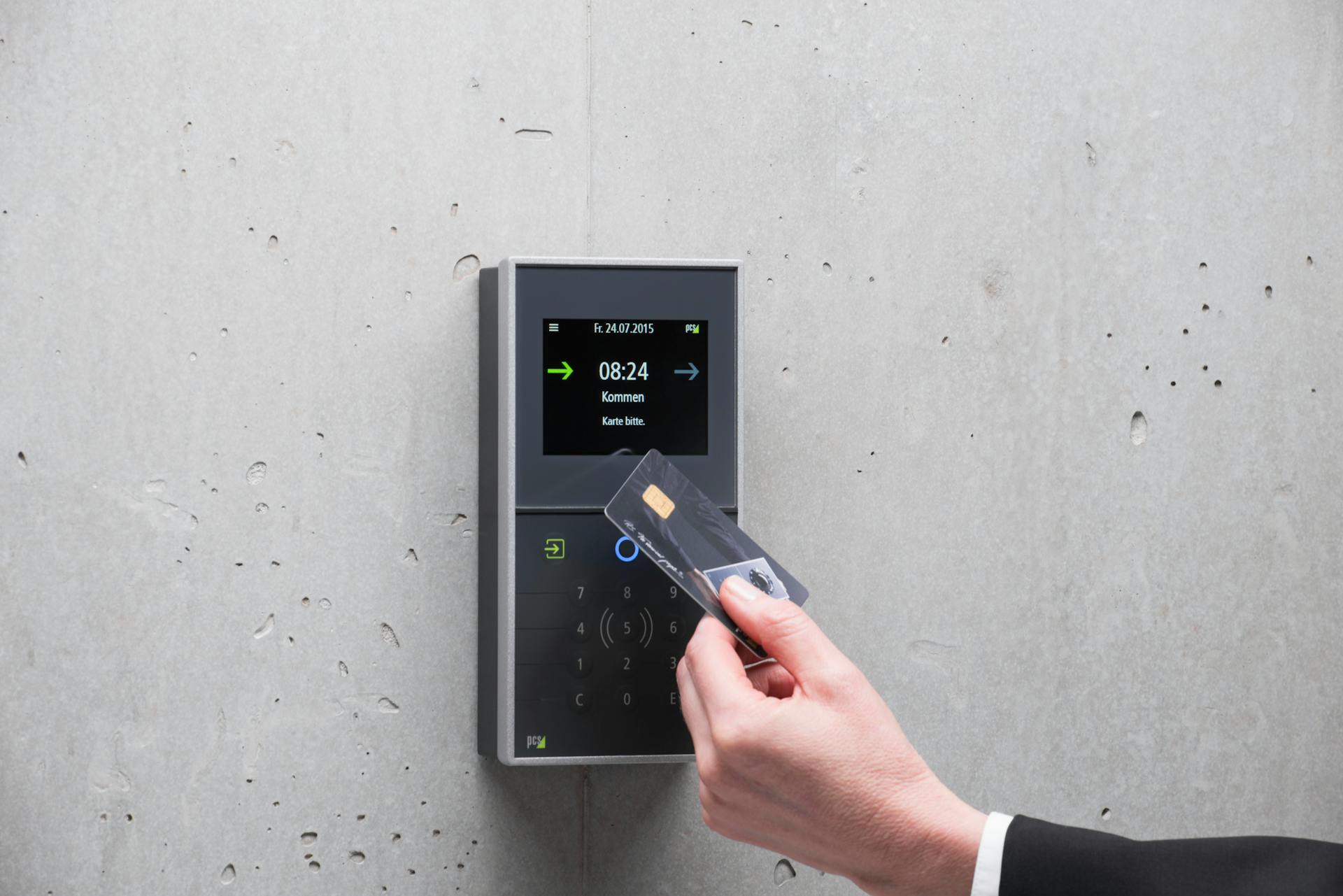
Cold storage wallets are more secure than digital wallets, also known as hot wallets, which are connected to the internet and carry the risk of being hacked. However, hot wallets are more convenient and allow for quick transactions.
A hardware wallet is a one-time purchase, and it's a fairly inexpensive investment, especially if you're planning to make a serious investment in cryptocurrency. You can also make free cold wallets by storing crypto keys on a piece of paper.
Here's a comparison of hot wallets and cold storage wallets in key areas:
If you lose your cold storage wallet, your funds can still be recovered if you have securely backed up your recovery phrase. You can use this phrase to restore your wallet and access your funds on a new device.
Hardware Wallets
Hardware wallets are small and portable computer peripherals that sign transactions as requested by the user, storing private keys and carrying out signing and encryption internally.
They never expose their private keys, even if computers are compromised by malware. This means that assets cannot be accessed without the correct passcode, making them a secure option for cryptocurrency storage.
A hardware wallet's tamper-resistant design ensures that without the passcode, the assets are inaccessible, providing an additional layer of security.
Trezor Model T
The Trezor Model T is a top choice for managing and securing your assets. It offers advanced security protocols that keep your private keys safe.
This hardware wallet supports numerous cryptocurrencies, giving you the freedom to store and manage a wide range of digital assets.
Its touchscreen interface provides a seamless user experience, making it easy to navigate and manage your assets.
Hardware
Hardware wallets are a type of portable computer peripheral that signs transactions as requested by the user, storing private keys and carrying out signing and encryption internally.
These devices are tamper-resistant, meaning without the passcode, assets cannot be accessed, providing an added layer of security.
A hardware wallet is a one-time purchase, and the cost is usually around $50 to $150, making it a fairly inexpensive option.
Hardware wallets like the Ledger Nano X support a wide range of cryptocurrencies and provide a user-friendly interface through their companion app.
The Ledger Nano X is also known for its robust security features, including PIN protection, recovery seed phrases, and secure element chips designed to prevent hacking attempts.
To manage your assets wirelessly, the Ledger Nano X uses Bluetooth connectivity, keeping your private keys secure offline.
Here are some key benefits of hardware wallets:
- More secure than digital wallets, which carry the risk of being hacked
- Provide an added layer of security by storing private keys internally
- Can be used in combination with digital wallets for day-to-day trading
By using a hardware wallet, you can keep your crypto safe and secure, making it a smart option for those investing in cryptocurrency.
Setting Up a Hardware Wallet
To set up a hardware wallet, you'll need to purchase a device like the Tangem Wallet. Tangem Wallets are a popular choice for their security features.
First, you'll need to follow the device's instructions to generate private keys and set up a secure passphrase. This is a crucial step in securing your assets.
You'll also need to write down the seed phrase for backup, but never store it digitally. This is a key part of the setup process.
To manage your assets and complete transactions, you'll need to install the necessary software or app. This will vary depending on the device you've chosen.
Here's a step-by-step guide to setting up a hardware wallet:
- Purchase a hardware wallet.
- Follow the device’s instructions to generate private keys and set up a secure passphrase.
- Write down the seed phrase for backup (never store it digitally).
- Install the necessary software or app to manage your assets and complete transactions.
- Transfer your cryptocurrency from a hot wallet to your cold wallet.
Private Keys and Seed Phrases
Preserving your private keys is crucial to prevent theft or malicious activities, so it's essential to store them offline, ideally in a cold wallet.
Private keys are a string of cryptographic data that allows you to access your cryptocurrency, and they come in two types: public and private. The public key identifies your crypto wallet during transactions, while the private key is the code that allows you to access the crypto in the wallet.
A seed phrase is an unencrypted form of the private key, a list of 12 to 24 dictionary words that's easier to memorize than numerals. If you misplace your wallet, seed phrases can be used to re-access your wallet and associated keys and cryptocurrency.
Here's a comparison of public and private keys:
Data Management
Cold storage is a method of protecting your crypto keys by keeping them offline except during transactions. This means your keys are not vulnerable to hacking or unauthorized access.
For example, a hardware wallet stores both your public and private keys, allowing you to send and receive crypto without exposing your private key to the internet.
To use a cold wallet, you connect it to your computer, generate an address to receive crypto, and then send your crypto to that address. Once you disconnect the wallet, the information is completely offline.
Your private key is the code that allows you to access your crypto, and it's essential to keep it secure to prevent loss or theft.
You might like: How Long to Receive My Irs Efund via Efile
Seed Phrases
Seed phrases are a crucial aspect of private key management in cryptocurrency. They're a list of 12 to 24 dictionary words that represent an unencrypted form of the private key.
This makes seed phrases much easier to memorize than the numerical private key itself. If you're using an online, exchange, or hardware wallet, you'll likely be asked to supply a seed phrase during the setup process.
Seed phrases can be used to re-access a wallet and its associated keys and cryptocurrency if the wallet is misplaced, damaged, or compromised. This provides an added layer of security and peace of mind.
Here's a breakdown of the typical seed phrase length:
By using a seed phrase, you can ensure that your private key remains secure, even if your wallet is lost or compromised.
Types of Storage
Cold storage is a way to keep private keys out of reach of hackers by storing or generating them on a device not connected to the internet.
There are various methods to store credentials offline, such as simple paper printouts of private keys.
Specialized hardware wallets are another option for secure offline storage.
Cloud
Cloud storage can be a vulnerable option for storing sensitive information like private keys.
Hackers target wallet software for the lucrative potential of stealing bitcoins, which is a risk that exists even with cloud storage.
Keeping your private keys offline is a good idea, as it's one of the ways to store them securely.
This can be done by generating or storing private keys on a device that's not connected to the internet.
Paper
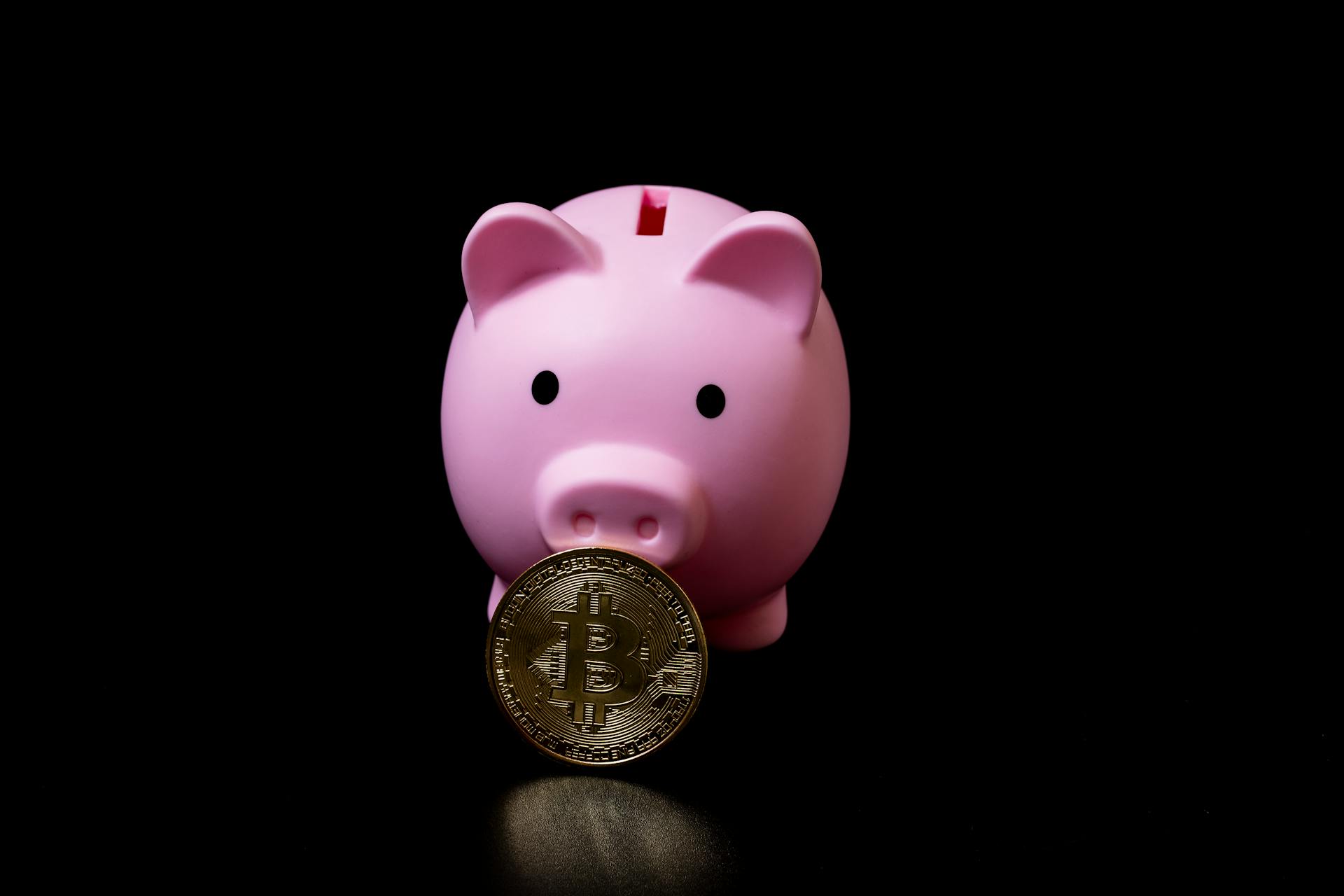
Paper wallets are a type of storage that's created with a keypair generated on a computer with no internet connection.
The private key is then written or printed onto the paper and erased from the computer, making it a secure way to store your private key.
A paper wallet can be stored in a safe physical location for later retrieval, giving you peace of mind knowing your private key is safely stored.
Metal token coins are another form of physical wallet, featuring a private key accessible under a security hologram in a recess struck on the reverse side.
These tokens were originally struck in brass and other base metals, but later used precious metals as Bitcoin grew in value and popularity.
Coins with stored face value as high as ₿1,000 have been struck in gold, making them a valuable and secure storage option.
Explore further: Apple Pay Later Terminated
Frequently Asked Questions
What happens if you lose a cold storage wallet?
If you lose a cold storage wallet, you can simply buy a new one and use the same seed phrase to access your funds. This makes cold storage wallets highly secure and easily replaceable.
Featured Images: pexels.com