
If you've recently received a home insurance adjuster estimate that's too low, you're not alone. According to a recent study, nearly 70% of homeowners are unhappy with the initial settlement offer.
The good news is that you have options. You can dispute the estimate and negotiate with the insurance company to get a more accurate assessment of the damage. In fact, the National Association of Public Insurance Adjusters (NAPIA) recommends that homeowners review their policy and adjuster's report carefully to ensure they're getting a fair deal.
Don't be afraid to ask questions and seek a second opinion. A professional public insurance adjuster can help you navigate the process and ensure you receive a fair settlement.
Disputing Low Settlements
You shouldn't be intimidated to negotiate with your insurance claims adjuster. It's not uncommon for the initial estimate to be slightly lower.
A low offer from the insurance company can be beneficial to them if you accept it immediately. They avoid a negotiation and can pay out a minor claim.
You can still go back to the insurance company if you discover additional damage after accepting a low offer. You can "reopen" the claim and file for an additional amount.
Typically, policies require claims to be filed within one year from the date of the disaster, but you should check your state's requirements.
If there's damage to different homeowner's insurance policy categories, you may receive multiple checks, including one for additional living expenses.
To dispute a low settlement offer, start by contacting your insurance claims department. If the dispute is over the extent of damage to your home, ask your adjuster to inspect your house again.
You can also bring in a third-party adjuster to assess the damage for a second opinion. Sometimes, claim payment disagreements result from confusion about what's covered by your homeowner's insurance policy.
Always review your homeowner's insurance policy to see if you're covered for the damage in dispute and what the dollar limits are for your insurance coverage.
Getting an independent quote from a contractor for repairs can ensure you're not getting undervalued by your property damage claims insurer.
Additional reading: How to Dispute a False Insurance Claim
Understanding Your Coverage
Review your policy to ensure the low offer includes all the damages your policy covers. An insurance company can act in bad faith if they fail to investigate your claim thoroughly or refuse to cover damages they are contractually obliged to meet.
Your policy may not have sufficient coverage, so it's essential to familiarize yourself with it before complaining about a low estimate.
Carefully review your insurance contract to confirm the terms and the maximum coverage amounts. If your house was damaged significantly, you should check your contract for the maximum compensation amounts that you're eligible to claim.
You may be underinsured, and your policy only covers a portion of your covered losses in a claim. For example, if your home is insured for $1,000,000 and rebuilding it will cost $1,200,000, you'll have to pay the difference unless you have building code upgrade coverage.
To avoid this issue, check if your policy includes building code upgrade coverage, which is not included in a standard homeowners insurance policy.
Here's a breakdown of the key points to keep in mind:
- Know your policy and its coverage limits.
- Review your contract for maximum compensation amounts.
- Check if you have building code upgrade coverage.
- Understand the difference between replacement cost and actual cash value.
Disputing the Adjuster's Estimate
You shouldn't be intimidated to negotiate with your insurance claims adjuster. It's not uncommon for the first estimate to be slightly lower, as insurance companies often aim to avoid negotiations and pay out a minor claim.
If you suspect the estimate is too low, trust your gut and intuition. More often than not, if you suspect it's too low, then it probably is. A good way to be sure is to gather as much evidence and information about the damage from day one, including receipts and independent quotes to repair the damage.
You can start by contacting your insurance claims department to dispute the low settlement offer. If the dispute is over the extent of damage to your home, ask your adjuster to inspect your house again, or bring in a third-party adjuster to assess the damage for a second opinion.
Here are some steps to take:
- Contact your insurance claims department to dispute the low settlement offer.
- Ask your adjuster to inspect your house again or bring in a third-party adjuster for a second opinion.
- Gather evidence and information about the damage, including receipts and independent quotes.
If the insurance company's estimate doesn't come close to yours, they may have been acting in bad faith or made careless errors. In which case, it's time to act and contact a property damage attorney for swift legal support.
Reach Out Again
If you feel that the insurance adjuster's estimate is too low, don't second-guess yourself. More often than not, if you suspect it's too low, then it probably is.
Gather as much evidence and information about the damage from day one to back up your claim. This can include receipts and independent quotes to repair the damage.
Contact your insurance adjuster or insurance company again to discuss your concerns. If you have new proof or supplemental information to add to the claim, ask if the insurance company will review your claim again.
It's possible that an insurance adjuster made an error or miscalculated the estimate, so don't be afraid to ask for them to reexamine the property damaged or lost.
Expand your knowledge: Low Premium Health Insurance
What to Do if Property Damage Is Undervalued
If property damage is undervalued, it's essential to act quickly to get a fair settlement. You can start by reviewing your initial claim and the homeowners' insurance claims process to see if there's any way to improve it or supply more evidence of loss.
Contacting your insurance adjuster or insurance company again is a good next step. You can ask them to reexamine the property damaged or lost, and provide new proof or supplemental information to add to the claim.
It's also crucial to review your insurance company's documentation and compare it to your insurance policy to see if there's a justifiable reason for the denial. Look for any excluded perils or claims of "wear and tear" or "poor maintenance" that may be used to justify the low offer.
Gathering evidence is key to disputing a low settlement offer. This can include receipts, independent quotes, and invoices from contractors. A good rule of thumb is to trust your gut if you think the estimate is too low - it probably is.
You can also consider bringing in a third-party adjuster to assess the damage for a second opinion. This can help provide an objective view of the damage and support your claim for a higher settlement.
If you're unable to reach an agreement with your insurance company, don't be afraid to file a complaint with the state or seek the help of a property damage attorney. They can advocate and negotiate on your behalf to get a fair settlement.
Explore further: Insurance Company Acting in Bad Faith
Here's a list of steps you can take if your property damage claim has been undervalued:
- Contact your insurance adjuster or insurance company again to ask them to reexamine the property damaged or lost.
- Review your insurance company's documentation and compare it to your insurance policy to see if there's a justifiable reason for the denial.
- Gather evidence to support your claim, including receipts, independent quotes, and invoices from contractors.
- Consider bringing in a third-party adjuster to assess the damage for a second opinion.
- File a complaint with the state or seek the help of a property damage attorney if you're unable to reach an agreement with your insurance company.
Reviewing and Revising the Estimate
Review your initial claim and the homeowners' insurance claims process to see if you can improve the claim or supply more evidence of loss. This can help ensure you're not missing any crucial information.
If you feel the estimate is too low, trust your gut and intuition - it's often a good indicator that something is off. Gather receipts and independent quotes to repair the damage, as this can help you determine a more accurate estimate.
Receiving an independent quote from a contractor can also help ensure you're not getting undervalued by your property damage claims insurer. This can give you a more realistic idea of the repair costs and help you negotiate a fair settlement.
A fresh viewpoint: What Is an Independent Claims Adjuster
Review Original Submission
Reviewing the original claim you filed is a crucial step before contacting your insurance adjuster. Review your initial claim to ensure you haven't missed anything.
Before you contact your insurance adjuster, review the homeowners’ insurance claims process. Is there any way you can improve the claim or supply more evidence of loss?
Get Contractor Quotes
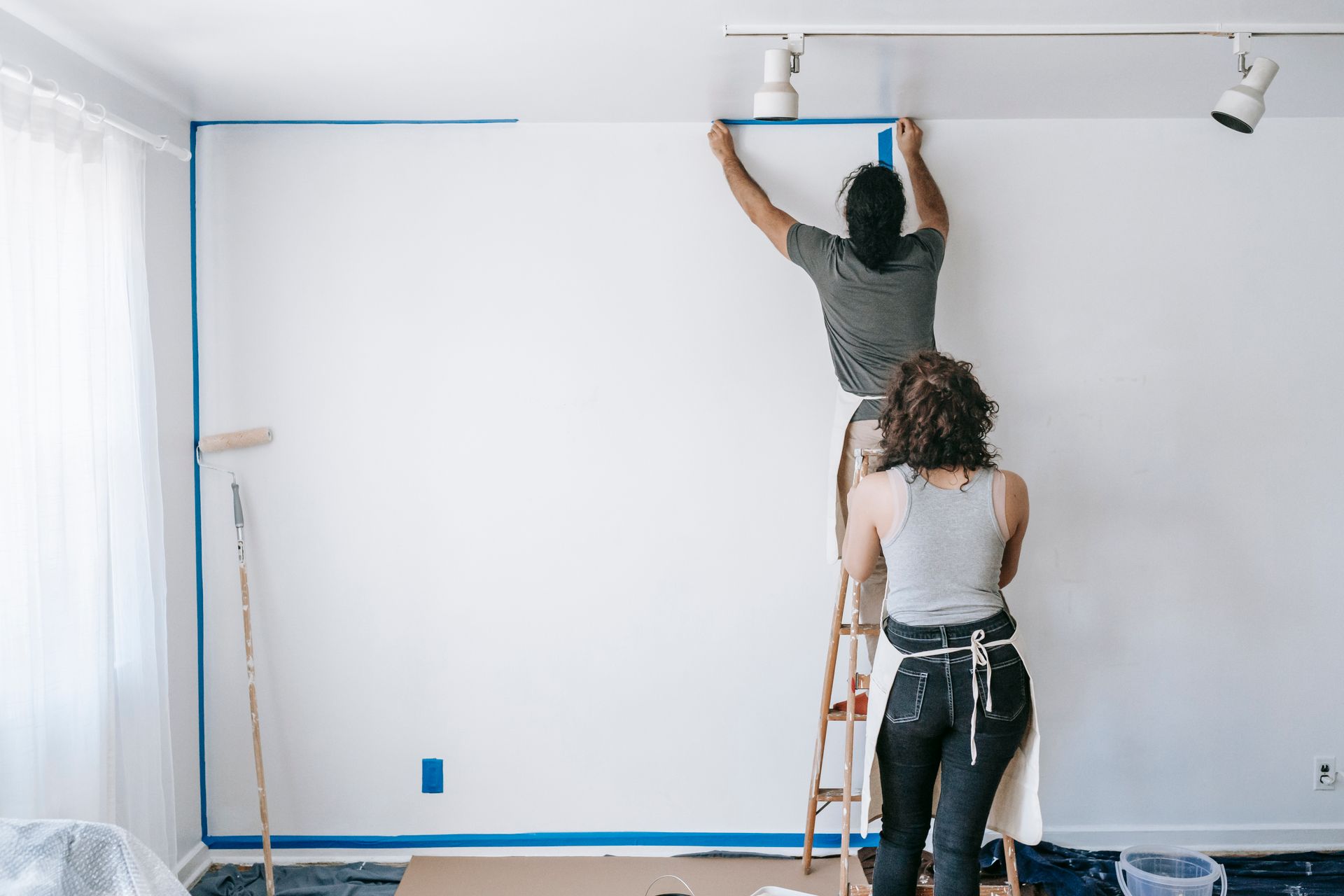
If the insurance company's estimate seems too low, trust your gut and intuition. More often than not, if you suspect it’s too low, then it probably is.
Gather as much evidence and information about the damage from day one, including receipts and independent quotes to repair the damage. If the insurance company's estimate doesn't come close to yours, they may have been acting in bad faith or made careless errors.
Get multiple quotes (at least three) from contractors to support your claim that the home insurance adjuster's estimate is too low. Ask the contractors to provide you with a free quote and break down their calculation per cost item.
For example, an insurance adjuster might forget to include a self-leveling screed for flooring in their estimate or deem it unnecessary. However, flooring contractors might feel self-leveling screed is necessary to give your flooring a smooth, level appearance.
Ask your insurance company how much waste is included in their estimate. Insurance claims estimating software, such as Xactimate, allow for waste. But a flooring contractor will have a better idea than an insurance adjuster of the percentage waste.
An independent quote from a contractor can ensure you're not getting undervalued by your property damage claims insurer. It's advised that you receive this type of quote for repairs.
A fresh viewpoint: Home Insurance Self Inspection
Get Professional Help
If you can't reach an agreement with a home insurance adjuster, you have a couple of options. One option is to hire an independent adjuster, who can provide a separate estimate for your property damage and potentially give you leverage in negotiations.
Hiring an independent public adjuster can confirm the accuracy of the low offer or provide a new assessment that might be higher. If the estimate is higher, you should contact your insurance claims manager and ask them to re-evaluate your case.
You can also speak to your insurance company directly, especially if you feel your insurance estimate is too low. They might be willing to appoint a new insurance adjuster to look at your claim.
Ask your insurance company to provide you with reasons for the low estimate and a breakdown of their calculations.
If your insurer offers to pay too little for your home insurance claim, an experienced attorney can help you get fair compensation. However, hiring a public adjuster might be a more affordable option.
See what others are reading: Can I Sue My Insurance Company for Denying My Claim
Here are some advantages of hiring a public adjuster:
- Makes the Claim Process Less Stressful
- Helps You Fight a Bad Settlement Offer
- Saves You Time
- Cheaper Than Hiring an Attorney
- Negotiates on Your Behalf
- Faster Claim Resolution
- Likelihood of a Higher Settlement Offer
For large or complex claims, it's recommended to hire a licensed public adjuster who can look after your best interests.
Common Issues with Low Settlements
You shouldn't be intimidated to negotiate with your insurance claims adjuster. A low offer is often made to avoid a negotiation and pay out a minor claim.
It's not uncommon for the first estimate to be slightly lower, so don't accept it without questioning. You have the right to dispute a low settlement offer.
If you need to dispute a low settlement offer, start by contacting your insurance claims department. They may be able to resolve the issue without involving a third party.
You can also ask your adjuster to inspect your house again to assess the damage. This can help clarify the extent of the damage and the necessary repairs.
It's also a good idea to review your homeowner's insurance policy to see if you're covered for the damage in dispute and what the dollar limits are for your insurance coverage. This can help prevent misunderstandings about what's covered.
You might enjoy: Dispute Insurance Claim
You can bring in a third-party adjuster to assess the damage for a second opinion. This can provide an independent assessment of the damage and help you negotiate a fair settlement.
It's advised that you receive an independent quote from a contractor for repairs, so you can ensure you're not getting undervalued by your property damage claims insurer.
Understanding Insurance Concepts
Replacing a damaged or destroyed property can be a costly affair. That's why it's essential to understand the difference between replacement cost and actual cash value.
Your insurance carrier may offer to pay the actual cash value instead of the full cost required to replace or repair the property.
Actual cash value is what the property or appliance is worth today, not what it will cost to replace or repair it.
Paying actual cash value can be a good option if you're not planning to replace the damaged item with a similar one. However, if you want to rebuild or replace the property exactly as it was, you'll need to understand the replacement cost.
The replacement cost is the full cost required to replace or repair the property, which can be a significant amount.
Additional reading: Vacant Home Insurance Cost
What to Do Next
You've received a home insurance adjuster's estimate that's too low, and now you're wondering what to do next.
First, review the estimate carefully to understand why it's lower than you expected. You can refer back to the article section "Why Is the Estimate Too Low?" to see if there are any discrepancies in the calculation.
Don't be afraid to negotiate with the insurance company. In fact, many policyholders successfully negotiate their claims, resulting in higher payouts.
Take note of any damage that's not included in the estimate, such as damage to personal property or additional living expenses. This can help you build a stronger case for a higher payout.
Consider hiring a public adjuster to help you navigate the claims process. A public adjuster can provide expert guidance and advocacy to ensure you receive a fair settlement.
Worth a look: Why Is Home Insurance so Expensive in Texas
Why Do Homes Underpay?
Home insurance companies may underpay claims as a strategy to keep their profits high. They might offer just enough to satisfy the policyholder, but it's often too low.
A hasty investigation can lead to underpaid claims. Your insurer may rush through the process, mistakenly failing to take into account some costs.
Insurance companies may offer actual cash value instead of paying for a full repair or replacement. This can save them money, but it's not always fair to the policyholder.
Insurance adjusters may interpret your policy too closely, excluding certain repairs or damages. To avoid this, be familiar with your policy and ask for clarification on any language before filing a claim.
Underestimating labor costs is another reason for underpaid claims. Insurance adjusters might not estimate the cost of materials or labor to repair or rebuild parts of your home.
Insurance companies know that policyholders are less likely to contest an underpaid claim than a total denial of payment. This is a common tactic used by insurers.
Here are some reasons why your home insurance adjuster's estimate might be too low:
- Hasty investigations
- Offering actual cash value
- Interpreting your policy too closely
- Underestimating labor costs
- Thinking the insurer would accept underpayment
- Insurance bad faith
Featured Images: pexels.com