The Greek government-debt crisis was a major economic issue that had significant causes and consequences. The crisis began in 2009 and was triggered by a combination of factors, including a large budget deficit and a huge public debt that had been accumulated over several years.
The budget deficit was caused by a combination of factors, including a decline in tax revenues and an increase in government spending. The public debt was estimated to be around 300 billion euros in 2010.
The crisis had severe consequences for the Greek economy and its people. The country's credit rating was downgraded, making it difficult for Greece to borrow money from international markets.
Suggestion: Ancient Drachma
Causes and Factors
The Greek government-debt crisis had a complex set of causes and factors that led to its severity.
The crisis was triggered primarily by the Great Recession, which led to budget deficits of several Western nations reaching or exceeding 10% of GDP. Greece's budget deficit was a major contributor to the crisis, reaching 10.2% and 15.1% of GDP in 2008 and 2009 respectively.
Related reading: Third Quarter Gdp Us
Greece's high public debt to GDP ratio was a major concern, reaching 127% of GDP in 2009. In contrast, Italy was able to keep its budget deficit at 5.1% of GDP in 2009, despite having a comparable public debt to GDP ratio.
The lack of autonomous monetary policy flexibility due to Greece's membership in the Eurozone made it difficult for the country to respond to the crisis. Dramatic revisions in Greek budget statistics were heavily reported on by media and condemned by other EU states, leading to strong reactions in private bond markets.
The crisis was exacerbated by the fact that Greece appeared to lose control of its public debt to GDP ratio, which was a major concern for investors.
Here's a timeline of major financial crises leading up to the Great Recession:
2011
In July 2011, private creditors agreed to a voluntary haircut of 21 percent on their Greek debt, but Eurozone officials considered this write-down to be insufficient.

The Troika launched the second bailout worth €130 billion, including a bank recapitalization package worth €48bn. Private bondholders were required to accept extended maturities, lower interest rates, and a 53.5% reduction in the bonds' face value.
Minister of Finance Evangelos Venizelos announced that the government would establish a new fund to help those hit hardest by the government's austerity measures. The money for this agency would come from a crackdown on tax evasion.
The government agreed to creditor proposals that Greece raise up to €50 billion through the sale or development of state-owned assets, but receipts were much lower than expected.
In 2014, only €530m was raised, and some key assets were sold to insiders.
You might enjoy: Lower of Cost or Market
Economic Indicators
The economic indicators of Greece's government-debt crisis paint a grim picture. Greek GDP fell from €242 billion in 2008 to €179 billion in 2014, a 26% decline.
The decline in GDP had a significant impact on the country's debt-to-GDP ratio, which rose to 177% in 2014. This was the world's third highest after Japan and Zimbabwe. Public debt peaked at €356 billion in 2011 and was reduced to €305 billion in 2012, but then rose slightly.
For your interest: 2014 Interim-Union Budget of India

The unemployment rate in Greece also skyrocketed, rising from below 10% in 2005-2009 to around 25% in 2014-2015. This had a devastating impact on the country's economy and people.
Here are some key statistics:
- GDP per capita fell from a peak of €22,500 in 2007 to €17,000 in 2014, a 24% decline.
- The annual budget deficit was 3.4% GDP in 2014, much improved from 15% in 2009.
- Tax revenues for 2014 were €86 billion (about 48% GDP), while expenditures were €89.5 billion (about 50% GDP).
- An estimated 36% of Greeks lived below the poverty line in 2014.
Gdp Growth
GDP growth in Greece was significantly impacted by the Great Recession, with a particularly large negative effect on GDP growth rates.
The country's two largest earners, tourism and shipping, were badly affected by the downturn, with revenues falling 15% in 2009. This decline in GDP growth was lower than the Greek national statistical agency had anticipated.
To improve competitiveness, the Greek Ministry of Finance recommended reducing salaries and bureaucracy, as well as redirecting governmental spending from non-growth sectors into growth-stimulating sectors.
However, the negative effects of the rapid fiscal adjustment on the Greek GDP were underestimated by the IMF, resulting in a magnification of the debt problem. The Debt to GDP ratio jumped from 127% in 2009 to about 170% solely due to the drop in GDP.
Here's a summary of the key statistics on GDP growth in Greece:
- GDP growth was lower than anticipated, with a 15% decline in tourism and shipping revenues in 2009.
- The Greek Ministry of Finance recommended reducing salaries and bureaucracy to improve competitiveness.
- The IMF underestimated the negative effects of the rapid fiscal adjustment on the Greek GDP.
- The Debt to GDP ratio increased from 127% in 2009 to about 170% due to the drop in GDP.
Current Account Balance
Greece's current account balance has been a major economic indicator, with a significant impact on its economy. From 2000 to 2011, Greece ran current account deficits averaging 9.1% of GDP.
A trade deficit means that a country is consuming more than it produces, and Greece's trade deficit was largely funded by borrowing from other countries. This borrowing created a large foreign financial surplus in Greece.
Economist Paul Krugman wrote that Greece's economic issues are rooted in a balance of payments problem, rather than a fiscal crisis. He noted that the creation of the euro led to overvaluation in southern Europe.
Countries facing a sudden reversal in capital flows typically devalue their currencies to resume the inflow of capital, but Greece was unable to do this. Instead, it suffered significant income reduction and an internal form of devaluation.
Greece's large budget deficit was also a result of its trade deficit, which required capital inflow to fund. As the inflow of money stopped during the crisis, Greece was forced to reduce its budget deficit substantially.
You might like: Public Pensions in Greece
Government Response
The Greek government's response to the crisis was a mix of optimism and reality check. In January 2010, their bond auction was 4x over-subscribed, but yields increased, worsening the deficit.
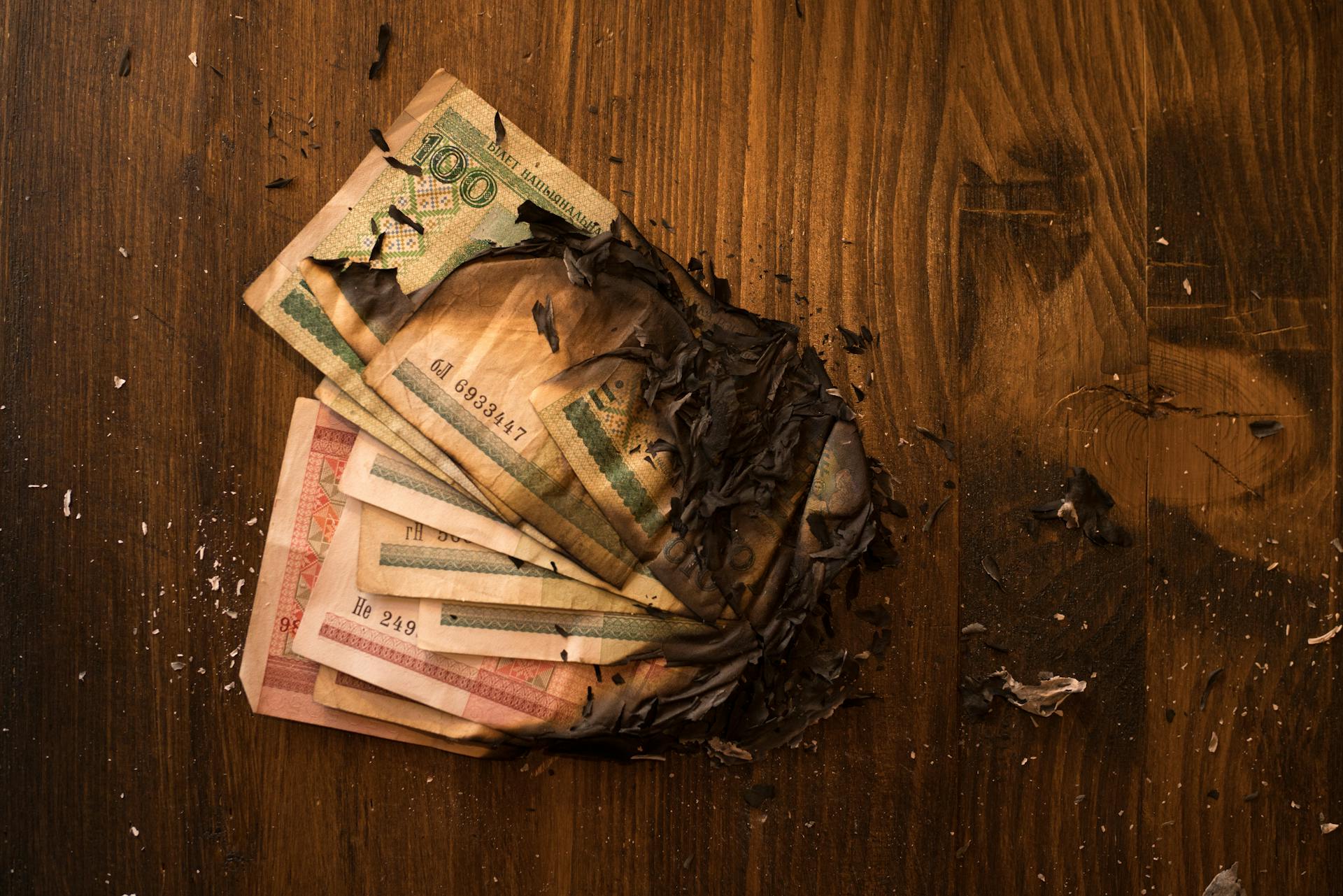
The government's reliance on foreign investors was a major issue. By April 2010, it was estimated that up to 70% of Greek government bonds were held by foreign investors, primarily banks.
A major turning point came in late April 2010 when credit rating agencies downgraded Greek bonds to junk status, freezing private capital markets and putting Greece in danger of sovereign default.
The European Commission, European Central Bank, and International Monetary Fund (the Troika) stepped in with a €110 billion bailout loan on May 2, 2010, to rescue Greece from sovereign default and cover its financial needs through June 2013.
The bailout loans were used to pay for maturing bonds and finance continued yearly budget deficits. The Greek government was forced to implement austerity measures, structural reforms, and privatization of government assets.
The third and last Economic Adjustment Programme for Greece was signed on July 12, 2015, and expired on August 20, 2018.
A fresh viewpoint: Trump Tariffs April 2 2025
International Involvement

European economists, including Thomas Piketty, have called for a conference to restructure debts across Europe, not just in Greece, as a solution to the crisis.
In July 2015, Piketty emphasized that Germany received significant debt relief after World War II, suggesting a similar approach could be beneficial for other countries.
Germany's unemployment continued to decline in 2012, reaching record lows, while its government bond yields fell to record lows, despite negative real interest rates.
Germany's role in the crisis has been significant, with some estimates suggesting it profited from the Euro's depreciation to the tune of 100 billion Euros in exports alone.
For your interest: Gold Climbs toward Record High Ahead of Us Inflation Data.
European Banks
European banks had a significant exposure to Greece, with €45.8bn in holdings as of June 2011.
This massive investment was largely reduced to €2.4bn by early 2015, thanks in part to a 50% debt write-down.
European Investment Bank
The European Investment Bank has been actively involved in lending to Greece, with a significant loan of 285 million euros provided in November 2015. This was an extension of a 2014 deal that saw the EIB lend 670 million euros.
The EIB's president, Werner Hoyer, expected the investment to have a positive impact on Greece's economy and environment.
Take a look at this: National Bank of Greece
European Debt Conference
In 2015, economist Thomas Piketty called for a European debt conference to address the debt crisis affecting several countries, including Greece, Spain, Portugal, Italy, and Ireland.
Piketty noted that Germany received significant debt relief after World War II, and warned that kicking countries out of the eurozone would lead to financial instability.
Germany's unemployment continued its downward trend to record lows in March 2012, and yields on its government bonds fell to repeat record lows in the first half of 2012.
The Greek government's debt increased in 2009 due to a higher-than-expected government deficit and higher debt-service costs, reaching an unsustainable level.
To address the debt crisis, the Greek government implemented structural reforms and austerity measures, with a size relative to GDP of 4.0% in 2010, 3.1% in 2011, 2.8% in 2012, and 0.8% in 2013.
The debt-to-GDP ratio in Greece remained above 94% after 1993, and exceeded the maximum sustainable level of 120% during the Great Recession.
According to the EU Commission, the debt level in Greece was expected to reach 198% in 2012 if a debt restructure agreement was not implemented.
For your interest: How Should You Record a Capital Expenditure
Germany's Role in Greece
Germany has played a significant role in the discussion surrounding Greece's debt crisis. A key issue has been the benefits it enjoyed through the crisis, including falling borrowing rates as Germany was seen as a safe haven by investors.
Investors poured money into Germany, resulting in an influx of investment and a boost to exports thanks to the Euro's depreciation. Germany's profits from these exports may have reached 100 billion Euros, according to some estimates.
Critics have accused the German government of hypocrisy, pursuing its own national interests by refusing to adjust fiscal policy to help resolve the eurozone crisis. They've also accused the government of using the ECB to serve their country's national interests.
The austerity and debt-relief program imposed on Greece as part of its bailouts has been criticized for its harsh conditions.
Social and Political Effects
The Greek government-debt crisis had severe social and political effects. In 2012, 20,000 Greeks were made homeless, and 20% of shops in Athens' historic city centre were empty.

The economic crisis led to a sharp rise in poverty, with 1 in 3 Greek citizens living under poverty conditions in 2016. This was exacerbated by the inability of the government to commit resources to homelessness due to austerity measures.
Unemployment directly affected debt management, isolation, and unhealthy coping mechanisms such as depression, suicide, and addiction. The number of people who reported attempting suicide increased by 36% from 2009 to 2011.
The crisis also had a profound impact on the country's politics. The two-party system crumbled in the double elections of 2012, and the main parties, New Democracy and PASOK, saw their share of the vote drop significantly.
A new party, Syriza, emerged as a main rival to New Democracy, while the Neo-Nazi Golden Dawn saw a sharp rise in popularity, becoming the third largest party in the Greek Parliament in 2012-19.
Political Effects
The economic and social crisis had a profound impact on the political landscape of Greece. This led to a significant shift in public opinion and the rise of new political parties.
If this caught your attention, see: Countrywide Financial Political Loan Scandal
One of the most notable effects was the decline of the two main parties, New Democracy (ND) and PASOK. ND's share of the vote dropped from an average of 40% to a record low of 19-33% between 2009 and 2012. PASOK collapsed from 44% in 2009 to 13% in June 2012.
The crisis also led to the emergence of new parties, with Syriza rising from 4% to 27% of the vote between 2009 and June 2012. This was a significant shift, and Syriza eventually peaked at 36% of the vote in the 2015 elections.
Another party that gained significant traction was the Neo-Nazi Golden Dawn. Their share of the vote increased from 0.29% in 2009 to 7% in May and June 2012. This was a disturbing trend, and Golden Dawn became the third-largest party in the Greek Parliament.
The fragmentation of the popular vote was another notable effect of the crisis. The average number of parties represented in the Greek Parliament increased from 4-5 between 1977 and 2012 to 7 or 8 parties between 2012 and 2019.
Here's a brief summary of the changes in the Greek party system:
The crisis also led to a shift in the way Greece was governed. From 1974 to 2011, the country was ruled by single-party governments, except for a brief period in 1989-90. However, between 2011 and 2019, Greece was ruled by two- or three-party coalitions.
The victory of ND in the 2019 elections with 40% of the vote marked a significant shift back towards a two-party system. However, the performance of Syriza and PASOK remained weak, suggesting that the party system may remain fluid.
Here's an interesting read: 2011 Bangladesh Share Market Scam
Economic, Social, Political Effects

The economic, social, and political effects of the Greek crisis were far-reaching and devastating. The country's GDP fell by 26% between 2008 and 2014, with a decline of over a quarter in just four years. This led to a significant increase in the debt-to-GDP ratio, making Greece's debt crisis even more unsustainable.
The austerity measures implemented to address the crisis had severe social consequences. Nearly 20% of Greeks lacked funds to meet daily food expenses by 2015, and the youth unemployment rate rose from 22% to 54.9% between 2009 and 2012. This led to a significant increase in poverty, with an estimated 36% of Greeks living below the poverty line in 2014.
The economic crisis also had a profound impact on the country's politics. The two-party system that dominated Greek politics for decades crumbled, and a new party, Syriza, emerged as a major force. The party's share of the vote rose from 4% in 2009 to 36% in 2015, but it eventually stabilized around 31.5% in the 2019 elections.
Related reading: 2015 Junior Doctors Contract Dispute in England
The crisis also led to a sharp rise in support for the far-right Golden Dawn party, which became the third-largest party in the Greek Parliament by 2012. This fragmentation of the popular vote led to a general instability in the country's politics, with multiple parties vying for power.
Here's a summary of the key statistics:
- GDP fell by 26% between 2008 and 2014
- Youth unemployment rate rose from 22% to 54.9% between 2009 and 2012
- Nearly 20% of Greeks lacked funds to meet daily food expenses by 2015
- 36% of Greeks lived below the poverty line in 2014
- Syriza's share of the vote rose from 4% in 2009 to 36% in 2015
- Golden Dawn became the third-largest party in the Greek Parliament by 2012
Greece's Competitiveness Gap
Greece's adoption of the euro highlighted a significant competitiveness gap with other member countries, particularly Germany. Greece had a much lower rate of productivity, making its goods and services far less competitive.
The use of a single currency made German goods and services relatively cheaper than those in Greece, worsening Greece's trade balance and increasing its current account deficit. This was a structural problem that existed before Greece joined the Eurozone.
As a result, Greece could no longer devalue its currency relative to that of Germany, exacerbating its fiscal problems. German banks, however, benefited from Greek borrowing to finance cheap imported German goods and services.
The competitiveness gap was a major issue that continued to be ignored as long as borrowing costs remained relatively cheap and the Greek economy was still growing.
Recommended read: Cheap Life Insurance Cigars
Controversies and Criticisms
The Greek government-debt crisis has been surrounded by controversies and criticisms from various angles. A large number of negative articles about the Greek economy and society have been published in international media, leading to accusations about negative stereotyping.
Greeks were unfairly portrayed as lazy, despite working the hardest in the EU and taking fewer vacation days. On average, Greeks retired at about the same age as the Germans, contrary to the negative reports.
The troika's approach to the crisis was also criticized for its diverging views. The IMF advocated for more debt relief, while the EU maintained a hardline on debt repayment and strict monitoring.
Explore further: Apple's EU Tax Dispute
Fraud, Revisions, Controversies
A notable controversy surrounding the topic is the numerous revisions made to the original document, with over 40 changes made in just one year alone.
Some of these revisions have been questioned for their validity, with critics pointing out that they were made without proper peer review.
One revision in particular, made in 2018, was later found to have been based on flawed data.

This has led to concerns about the integrity of the research and the potential for biased conclusions.
The controversy has also led to allegations of academic dishonesty, with some accusing the authors of intentionally manipulating the data to support their claims.
Several experts have come forward to criticize the research, citing methodological flaws and a lack of transparency.
One expert noted that the revisions made to the document were not properly disclosed, which has raised questions about the research's credibility.
The controversy has sparked a wider debate about the importance of transparency and accountability in academic research.
Here's an interesting read: Economic Crime and Corporate Transparency Act 2023
Tax Evasion and Corruption
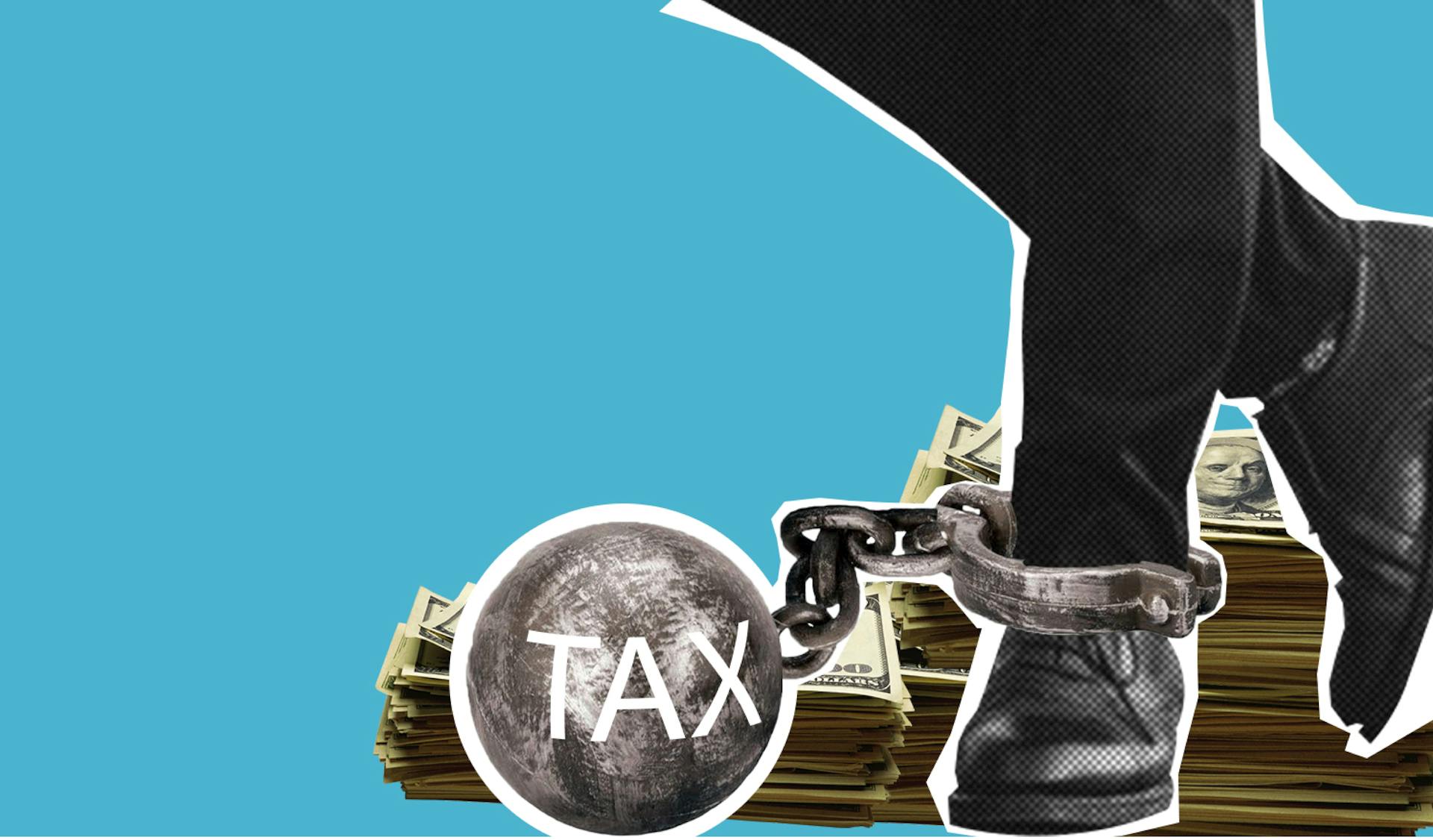
Tax evasion has become a significant issue in Greece, with many citizens feeling forced to participate in the underground economy as a means of survival. The tax rates in Greece are among the highest in Europe, with a value-added tax (VAT) of 23%, exceeding other EU countries on small and medium-sized enterprises.
The Greek government's tax policies have been criticized for having the opposite effect of what was intended, as high taxation discourages transactions and encourages tax evasion, thus perpetuating the depression. Tax evasion losses for the Greek government were estimated to be over $20 billion in 2010.
For more insights, see: Debt Evasion

The underground economy in Greece is estimated to be about a quarter of the country's GDP, with many Greeks considering tax evasion a legitimate means of defense against the government's policies of austerity and over-taxation. In 2017, unpaid taxes in Greece totaled approximately 95 billion euros.
The tax evasion problem in Greece is so severe that it's estimated to be between 6% and 9% of the country's GDP, or roughly between 11 billion and 16 billion euros per annum. The shortfall in VAT collection is also significant, with the government collecting 28% less than was owed to it in 2014.
The Greek government's inability to collect taxes has led to a VAT deficit due to tax evasion estimated at 34% in early 2017. Tax debts in Greece are now equal to 90% of annual tax revenue, the worst number in all industrialized nations.
You might like: Health Saving Account Contribution Limit 2017
Diverging Views Within the Troika
The troika, a group consisting of the IMF, EU, and ECB, faced significant challenges in their efforts to stabilize the Greek economy. Their differing approaches led to diverging views within the group.
The IMF advocated for more debt relief, which would have provided some much-needed breathing room for Greece.
However, the EU maintained a hardline on debt repayment and strict monitoring, which put a significant strain on Greece's finances.
This divergence of views ultimately hindered the troika's ability to effectively address Greece's economic woes.
Criticism of News Media and Stereotyping
Greeks worked the hardest in the EU even before the crisis, taking fewer vacation days than their European counterparts. This fact is often overlooked in negative reports about the Greek economy.
The Greek government's expenditure as a percentage of GDP was at the EU average, contradicting claims of excessive spending. In fact, Greece's private and households debt-to-GDP ratio was one of the lowest in the EU.
Greeks on average retired at about the same age as the Germans, dispelling the myth of an early retirement culture. This challenges the stereotype that Greeks are lazy or lack a strong work ethic.
Negative reports about the Greek economy rarely mentioned the previous decades of Greece's high economic growth rates combined with low government debt. This omission creates a skewed picture of Greece's financial situation.
A fresh viewpoint: EU Natural Gas Price Cap
Recovery and Aftermath
Greece's recovery from the Eurozone crisis was a long and arduous process. The nation's unemployment rate decreased to less than half of its highest rate.
In 2017, Greece was able to issue bonds for the first time since 2014. This marked a significant milestone in the country's economic recovery.
However, the crisis left a lasting impact on the Greek economy. The economy is 25% smaller than when the crisis began.
Despite this, Greece was able to exit its last bailout program in 2018. This was a major step towards regaining economic stability.
Greece's debt pile of 180% of GDP is a significant burden that will take decades to pay off.
Background and Context
Greece's economic struggles began long before the 2001 introduction of the Euro. The country's government pursued expansionary fiscal and monetary policies in the 1980s, leading to soaring inflation rates and high fiscal and trade deficits.
Before joining the Eurozone, Greece's economy was plagued by low growth rates and exchange rate crises. The country's inflation rates were a major concern, and its economy was in dire need of reform.
The introduction of the Euro in 2001 was meant to bring stability to Greece's economy, but it ultimately had the opposite effect. The single currency eliminated many transaction costs, but it also allowed Greece to borrow more money than it could afford, leading to a spiralling spending deficit.
Suggestion: Capital Introduction
Origin of This
The origin of Greece's economic struggles is a complex and multifaceted issue. One key factor was Greece's decision to join the Eurozone in 2001, which led to a significant increase in borrowing costs and a widening of the country's trade deficit.
Greece's economy was already plagued by structural problems, including low productivity and a high current account deficit, before it adopted the euro. This made it difficult for the country to compete with other Eurozone members, particularly Germany.
Before joining the Eurozone, Greece's economy was characterized by high inflation rates, fiscal and trade deficits, and low growth rates. The country's government pursued expansionary fiscal and monetary policies in the 1980s, which only exacerbated these problems.
In 2010, Greece revealed its sky-high deficit and was frozen out of bond markets, leading to a liquidity crisis and the need for bailout funding. The country's debt-to-GDP ratio soared to 177% in 2014, making it one of the highest in the world.
Consider reading: Eurozone Enlargement
Here are some key statistics that illustrate the severity of Greece's economic crisis:
- GDP fell from €242 billion in 2008 to €179 billion in 2014, a 26% decline.
- GDP per capita fell from a peak of €22,500 in 2007 to €17,000 in 2014, a 24% decline.
- The public debt to GDP ratio in 2014 was 177% of GDP or €317 billion.
- The unemployment rate rose from below 10% (2005-2009) to around 25% (2014-2015).
- An estimated 36% of Greeks lived below the poverty line in 2014.
Euro Currency Evolutions
The introduction of the Euro in 2001 significantly reduced trade costs between Eurozone countries, increasing overall trade volume by a notable amount. This led to a rise in labor costs in peripheral countries like Greece relative to core countries like Germany.
Greece's competitive edge was eroded as its labor costs increased more than its productivity, resulting in a significant rise in its current account deficit. The deficit peaked around 15% of GDP in the 2008-2009 periods.
Greece's membership in the EU and the Eurozone made it a more attractive investment destination, as investors felt the EU would bring discipline to its finances and provide support in case of problems. This perception was a key driver of the investment inflow into Greece.
However, as the Great Recession spread to Europe, the flow of funds from core countries like Germany to peripheral countries like Greece began to decline. This decline, combined with reports of Greek fiscal mismanagement and deception, made borrowing more expensive for Greece.
Greece was unable to devalue its currency to encourage investment and pay back its debt, as it was tied to the Euro. This lack of flexibility made it harder for Greece to respond to the economic crisis.
Curious to learn more? Check out: Dfa Emerging Markets Core Equity Fund
Greece's Economic System
Greece operates a free-market economy, where prices for goods and services are determined by market participants, and the government has limited intervention.
The country joined the Eurozone in 2001, adopting the euro as its primary and sole legal tender.
Greece's economy is heavily influenced by its membership in the Eurozone, which has both positive and negative effects on the country's economic stability.
Here are some key statistics on Greece's economy:
The decline in GDP from 2008 to 2014 was a significant 26%, which led to a dramatic increase in the debt-to-GDP ratio, exacerbating Greece's debt crisis.
Key Takeaways
Greece defaulted on a debt of €1.6 billion to the IMF in 2015.
The Greek economy struggled with high inflation, high fiscal and trade deficits, low growth, and problems with exchange rates prior to 2001.
Greece's productivity was significantly lower than other EU nations, making its goods and services less competitive and contributing to its debt crisis.
To gain entrance into the Eurozone, Greece misrepresented its debt and finances, which ultimately led to an insurmountable debt crisis.
Here are some key statistics that highlight the severity of Greece's economic crisis:
Greece's debt crisis was not just a result of its economic struggles, but also a consequence of its Eurozone membership, which created an economic straitjacket and forced the country to scrape together paltry tax collections.
Frequently Asked Questions
Who does Greece owe their debt to?
Greece owes its debt to the European Union (EU) and the International Monetary Fund (IMF), totaling approximately 290 billion euros.
Featured Images: pexels.com