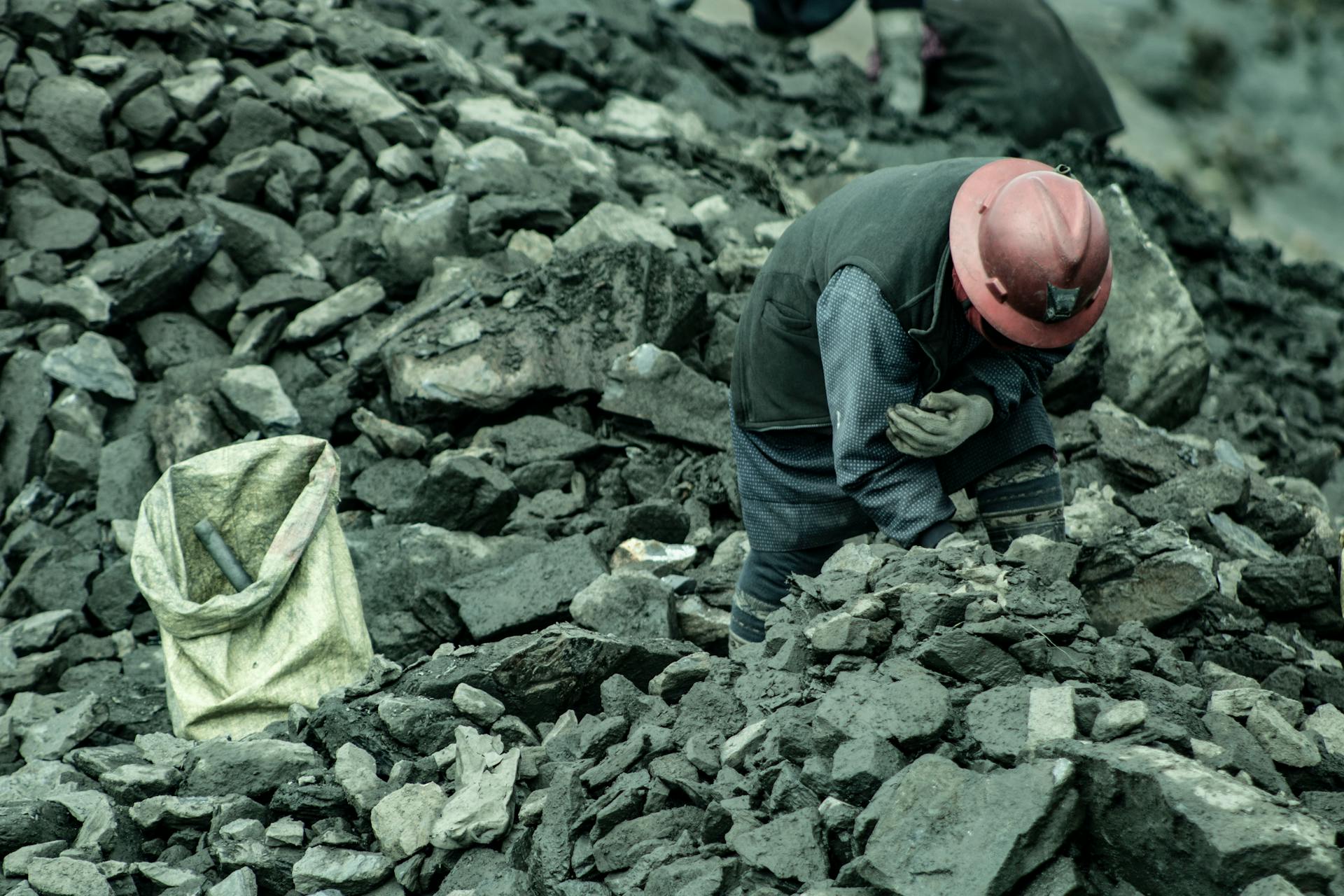
Gold mining in Zimbabwe has a rich history dating back to the 13th century, with the country being one of the largest gold producers in Africa.
The country's gold mining industry is dominated by small-scale miners, who account for over 60% of the country's gold production.
Zimbabwe's gold reserves are estimated to be around 1,000 tonnes, with the majority of it found in the Midlands and Mashonaland provinces.
Gold mining in Zimbabwe is a significant contributor to the country's economy, generating over $1 billion in revenue annually.
Gold Mining in Zimbabwe
Gold mining is the most popular type of mining conducted in Zimbabwe, with a flourishing market ready to pay the greenback on demand.
Gold is found in every district in Zimbabwe, making it a highly accessible industry.
Popular gold mining towns include Kadoma, Bindura, Shurugwi, Gwanda, Chegutu, Kwekwe, Zvishavane, Chinhoyi, Shamva and many other towns.
The Ministry of Mines and Mining Development (MMMD) is tasked with promoting sustainable exploration, mining, processing, marketing, and management of mineral resources for the benefit of all Zimbabweans.
The MMMD is responsible for administering the Mines and Minerals Act (Chapter 21:05) of Zimbabwe.
Artisanal mining plays a significant role in Zimbabwe's economy, accounting for over 60% of export revenues, more than 13% of gross domestic product (GDP), and attracting substantial direct investment into the country.
Zimbabwe's artisanal mining sector is a vital source of income for many people, with millions relying on it for their livelihoods.
The sector has the potential to enhance sustainability and financial access for miners if formalised.
In Zimbabwe, artisanal miners contribute to the country's gold production, with the sector playing a crucial role in the economy's overall development.
Artisanal Mining
Artisanal mining in Zimbabwe has a rich history, dating back to the pre-colonial period when local communities engaged in small-scale mining for gold, copper, and iron.
Today, artisanal miners, often called 'makorokoza,' play a vital role in Zimbabwe's gold mining industry, contributing significantly to national gold production.
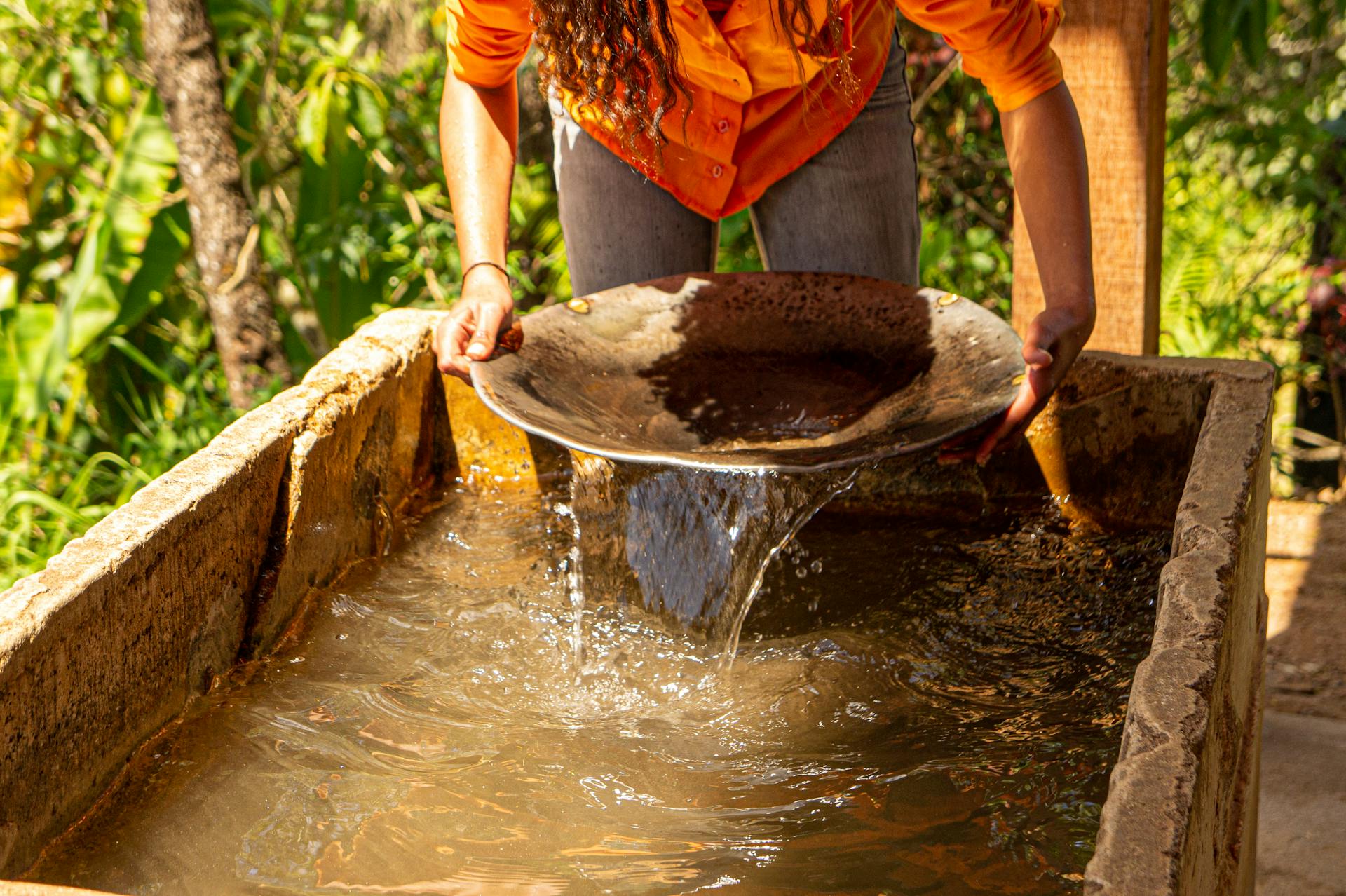
The sector offers critical employment opportunities, particularly in rural areas where formal jobs are scarce, and it supports the economy through gold exports and local economic activity.
Artisanal mining in Zimbabwe is a significant contributor to the country's gold production, with over 60% of gold submitted to Fidelity Printers and Refiners coming from this sector.
However, artisanal mining also brings challenges, including severe environmental pollution from mercury and other hazardous chemicals used in gold extraction.
Miners face multiple health risks from toxic exposure and unsafe working conditions.
The term maShurugwi refers to groups of artisanal miners involved in gold mining, originating in the Midlands towns of Shurugwi and Zvishavane, where they initially asserted control over illegal mining operations through violent means.
MaShurugwi have developed a notorious reputation for violence nationwide, regularly intimidating other illegal miners through brutal tactics, including shooting, stabbing, and stoning anyone who resists them.
The artisanal and small-scale mining sector in Zimbabwe is estimated to range from 500 000 to 1 500 000 people, making it a significant sector in terms of employment and production.
The major challenges faced by the ASM sector are a lack of financial resources, equipment, expertise, and geological information.
Government and Regulation
The government of Zimbabwe has taken steps to regulate gold mining and combat illegal activities. The Ministry of Mines and Mining Development is responsible for the administration of the Mines and Minerals Act (Chapter 21:05) of Zimbabwe.
The government has implemented various measures to address the issue of maShurugwi gangs, including enhanced security measures, legal action, regulation and licensing, community engagement, and anti-crime campaigns. These initiatives aim to formalize the artisanal mining sector and reduce illegal mining.
The government has issued licenses and implemented stricter controls on mining operations to formalize the sector and reduce illegal mining. This effort is part of the initiative to step up regulation and licensing of artisanal mining.
The Zimbabwe School of Mines offers training programs to equip individuals with essential skills in mining management, enabling them to transition from informal and artisanal mining practices to more formalized and well-structured small-scale mining enterprises.
Here are the government's key initiatives to regulate gold mining in Zimbabwe:
- Enhanced security measures: The government has deployed police and military forces to areas affected by maShurugwi gangs.
- Legal action: Law enforcement has arrested and prosecuted maShurugwi members for crimes such as robbery, assault, and murder.
- Regulation and licensing: Efforts to regulate artisanal mining have been stepped up, with initiatives such as issuing licenses and implementing stricter controls on mining operations.
- Community engagement: The government has engaged with local communities to tackle the root causes of violence, promoting economic opportunities and alternatives to illegal mining.
- Anti-crime campaigns: The government has launched various anti-crime initiatives, such as Operation Chikorokoza Ngachipere, to combat illegal mining and organized crime.
Government's Response to Mashurugwi
The government of Zimbabwe has been actively working to address the issue of maShurugwi gangs. They've deployed police and military forces to areas affected by the gangs, conducting raids and increasing patrols to curb violence and restore order.
One of the key strategies employed by the government is to take legal action against maShurugwi members. In 2020, the Zimbabwe Republic Police (ZRP) apprehended 369 individuals involved in illegal mining and associated crimes. Law enforcement has also arrested and prosecuted maShurugwi members for crimes such as robbery, assault, and murder.
The government has also introduced measures to regulate and license artisanal mining, with the aim of formalizing the sector and reducing illegal mining. Initiatives such as issuing licenses and implementing stricter controls on mining operations have been implemented.
Community engagement is also a crucial aspect of the government's response to maShurugwi gangs. The government has engaged with local communities to tackle the root causes of violence, promoting economic opportunities and alternatives to illegal mining. A key initiative in this effort is the training offered by the Zimbabwe School of Mines, which focuses on the fundamentals of mining management.
Anti-crime campaigns, such as Operation Chikorokoza Ngachipere, have been launched to combat illegal mining and organized crime. This operation has led to the arrest of over 25,000 individuals involved in illegal mining.
Registering Claims in Zimbabwe
Registering Claims in Zimbabwe is a crucial step for anyone looking to venture into gold mining. The Ministry of Mines and Mining Development (MMMD) is responsible for the administration of the Mines and Minerals Act (Chapter 21:05) of Zimbabwe.
The MMMD is tasked with promoting sustainable exploration, mining, processing, marketing, and management of mineral resources for the benefit of all Zimbabweans. This includes the registration of gold mining claims.
Gold is found in every district in Zimbabwe, making it a lucrative opportunity for miners. The MMMD oversees the registration process to ensure that claims are allocated fairly and sustainably.
Popular gold mining towns include Kadoma, Bindura, Shurugwi, Gwanda, Chegutu, Kwekwe, Zvishavane, Chinhoyi, Shamva, and many others.
Explore further: Gold Stock Company Did Agniko Mines Buy Recently
Large Scale Miners
The largest gold miners in Zimbabwe are Artisanal and Small-Scale Miners (ASMs) who account for 60% of the country's gold production.
These miners are often organized into cooperatives and employ hundreds of people, making them a significant contributor to the local economy.
The majority of these miners are located in the Makonde and Odzi rivers, where they use traditional methods to extract gold from the rivers and streams.
Gold production in these areas is significant, with over 60% of Zimbabwe's gold coming from the Makonde River alone.
Large Scale Miners
Large Scale Miners are responsible for extracting vast amounts of minerals and metals from the earth. They operate in some of the most remote and inhospitable regions on the planet.
The largest mining companies in the world have operations in over 100 countries and employ hundreds of thousands of people. Many of these companies have been in operation for over a century.
Large Scale Miners often use heavy machinery and advanced technology to extract minerals and metals from the earth. This can include massive trucks, excavators, and drill rigs.
These machines can weigh over 300 tons and are capable of moving millions of tons of earth and rock every year.
Metallo Corporation
Metallon Corporation is a significant player in the mining industry, with a gold production target of 120,000 ounces in 2016, up from 97,000 ounces in 2015.
The company has a substantial resource base, boasting a JORC-compliant 8.3 million ounce resource across its operations.

Its mine employs about 450 employees, who work together to extract gold from the site.
The mine is serviced by a single rectangular double compartment shaft that reaches down to 15 meters below 12 level elevation.
The Principal mining method used is underhand stopping, a technique that requires careful planning and execution.
The mine has the capacity to treat 450 tonnes of ore per day, demonstrating its impressive scale and efficiency.
Metallon Corporation's operations are a testament to the company's commitment to large-scale mining, with a focus on extracting valuable resources from the earth.
Falcon
Falcon Gold Zimbabwe is a subsidiary of the New Dawn Mining Group, founded in 1991. It primarily explores for gold, base metals, and precious metals.
The company formerly owned several mines, including Dalny mine in Chakari, Venice Mine in Kadoma, and Golden Quarry mine in Shurugwi. This shows the company's experience in operating multiple mines.
Falcon Gold Zimbabwe Limited has an operational processing plant and ancillary infrastructure that supports a central processing plant treating ore from Pickstone.
See what others are reading: Is There Any Gold Mines in India
Investment and Economy

Investing in gold mining in Zimbabwe can be a lucrative venture, but it's essential to understand the rules and regulations that govern the industry. Foreign investors are allowed to own 100% shareholding for mining operations in all minerals except for platinum and diamonds, which require a joint ownership with the government on a 51%/49% basis.
To start operations, a newly registered company needs to possess a Zimbabwe Investment Authority (Z.I.A) certificate and apply for a prospecting license from the Ministry of Mines and Mining Development offices. This license is valid for two years and can be used to peg up to a maximum of 10 claims at 1 Ha each.
In order to peg a claim, a prospecting license holder must appoint an agent or an Approved Prospector to physically mark the deposit with a Discovery Peg and post notices on the ground. The landowner's consent must also be obtained before posting these notices.
Here's a breakdown of the required attachments for registration:
- Prospecting license(s)
- Prospecting Notice
- Discovery Notice (Base Minerals)
- Notification of intention to prospect to the landowner
Zimbabwe's 2022 Production
Zimbabwe's 2022 Production was a notable one, with the country's gold production reaching 37,355.000 kg in December of that year.
This is a significant increase from the 31,486.000 kg produced in 2021, showing a growth in the country's mining industry.
The production range for Zimbabwe's gold from 2008 to 2022 is quite interesting, with the lowest recorded at 3,579.000 kg in 2008.
Here's a breakdown of Zimbabwe's gold production over the years:
This data highlights the fluctuations in the country's gold production over the years, with 2022 being a peak year.
Investment
If you're considering investing in Zimbabwe's mining sector, you'll need to understand the rules and regulations surrounding foreign investment. Foreign Investors are allowed to own 100% shareholding for mining operations in all minerals except for platinum and diamonds, which require a 51%/49% joint ownership with the Government.
To start operations, you'll need to register your company and obtain a Zimbabwe Investment Authority (Z.I.A) certificate. This will allow you to apply for a prospecting license from the Ministry of Mines and Mining Development offices.

In Zimbabwe, anyone who is a permanent resident and above the age of 18 can take out a prospecting license. This license is valid for two years and can be used to peg up to 10 claims at 1 Ha each.
Before pegging, you'll need to inform the landowner of your intention to prospect and post notices on the ground. This includes posting a Discovery Peg and Prospecting, Discovery, and Registration Notices in a conspicuous manner.
Here's a quick rundown of the requirements for registration:
- Prospecting license(s)
- Prospecting Notice
- Discovery Notice (Base Minerals)
- Notification of intention to prospect to the landowner
If your application is approved, you'll be issued a certificate of registration, which allows you to start mining operations. However, you'll need to meet other obligations, such as conducting an Environment Impact Assessment (EIA).
Fidelity Buying Centres
Fidelity has made a significant move to decentralize its gold buying activities, reducing security risks associated with transporting gold over long distances.
The company has now established buying centres across the country, covering all gold-producing regions.
Worth a look: Who Is Buying Gold
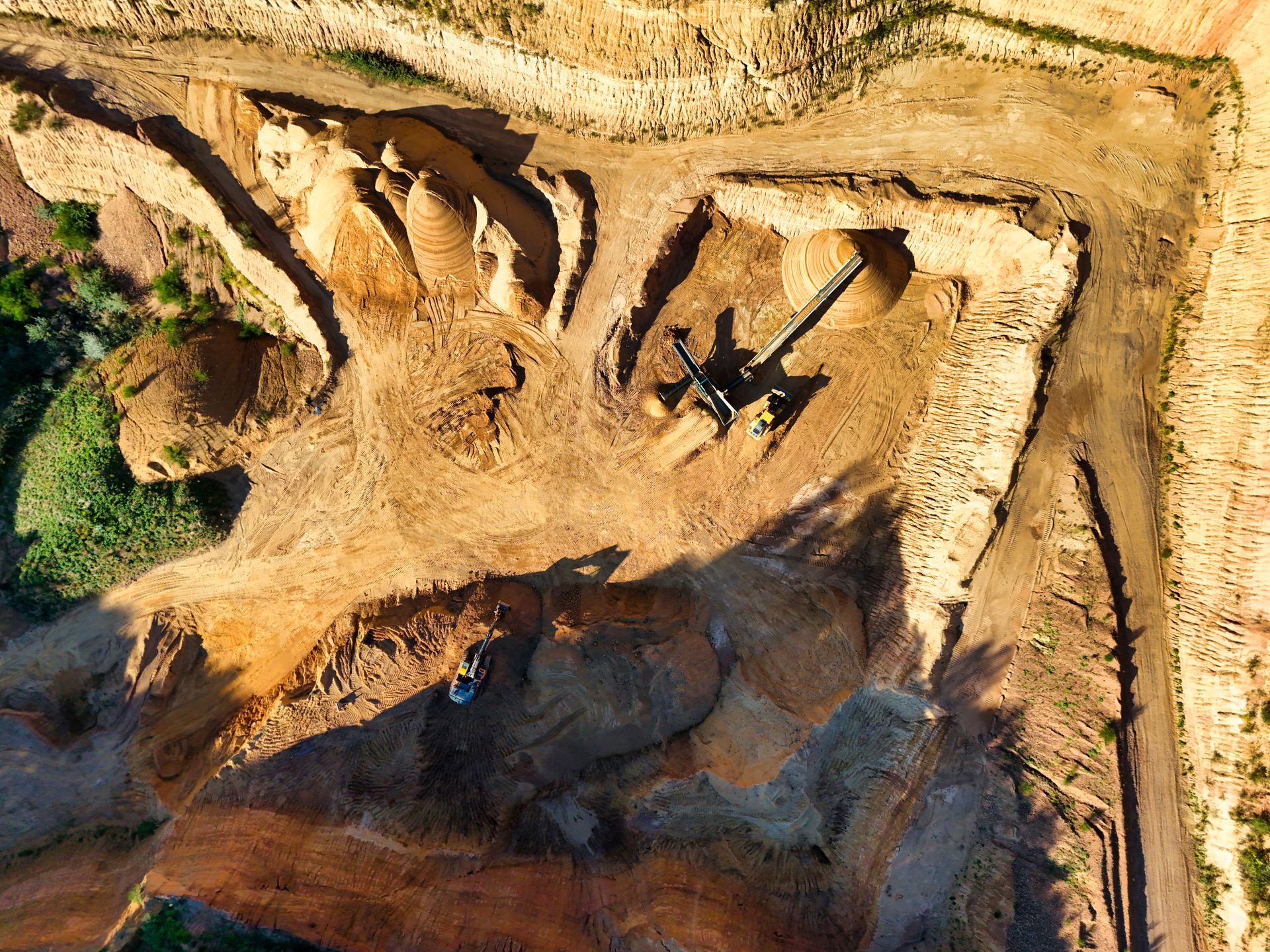
Fidelity has appointed Gold Buying agents to conveniently collect gold from outlying areas and artisanal miners.
These centres are strategically located to make it easier for gold producers to sell their gold without having to travel long distances.
Currently, Fidelity has gold buying centres set up in various regions, making it a convenient option for gold producers.
A fresh viewpoint: Gold Investment Tips
Duration and Scale
Duration Gold Limited, a company based in Bulawayo, Zimbabwe, owns 5 core assets with historic production of 4.6 million oz.
The company was founded in 2006 and operates as a subsidiary of Clarity Enterprises Limited.
One of its flagship gold mines is Vumbachikwe, which is one of Zimbabwe’s oldest gold mines.
Artisanal and Small-scale miners in Zimbabwe are estimated to range from 500 000 to 1 500 000 people.
This group is currently producing over 60% of gold submitted to the country’s sole buyer Fidelity Printers and Refiners (FPR).
The ASM sector has produced more than 60 tonnes (60%) of gold for the period 2017-2020.
Frequently Asked Questions
Is gold panning legal in Zimbabwe?
Gold panning laws in Zimbabwe vary, but it's often a small-scale, disorganised operation. Check local regulations for specific information on permits and restrictions.
How much is a gold claim in Zimbabwe?
The price for a gold mining claim is 4500 USD per 10-hectare plot. If you're interested in purchasing a claim in Zimbabwe, please contact us for more information.
Featured Images: pexels.com