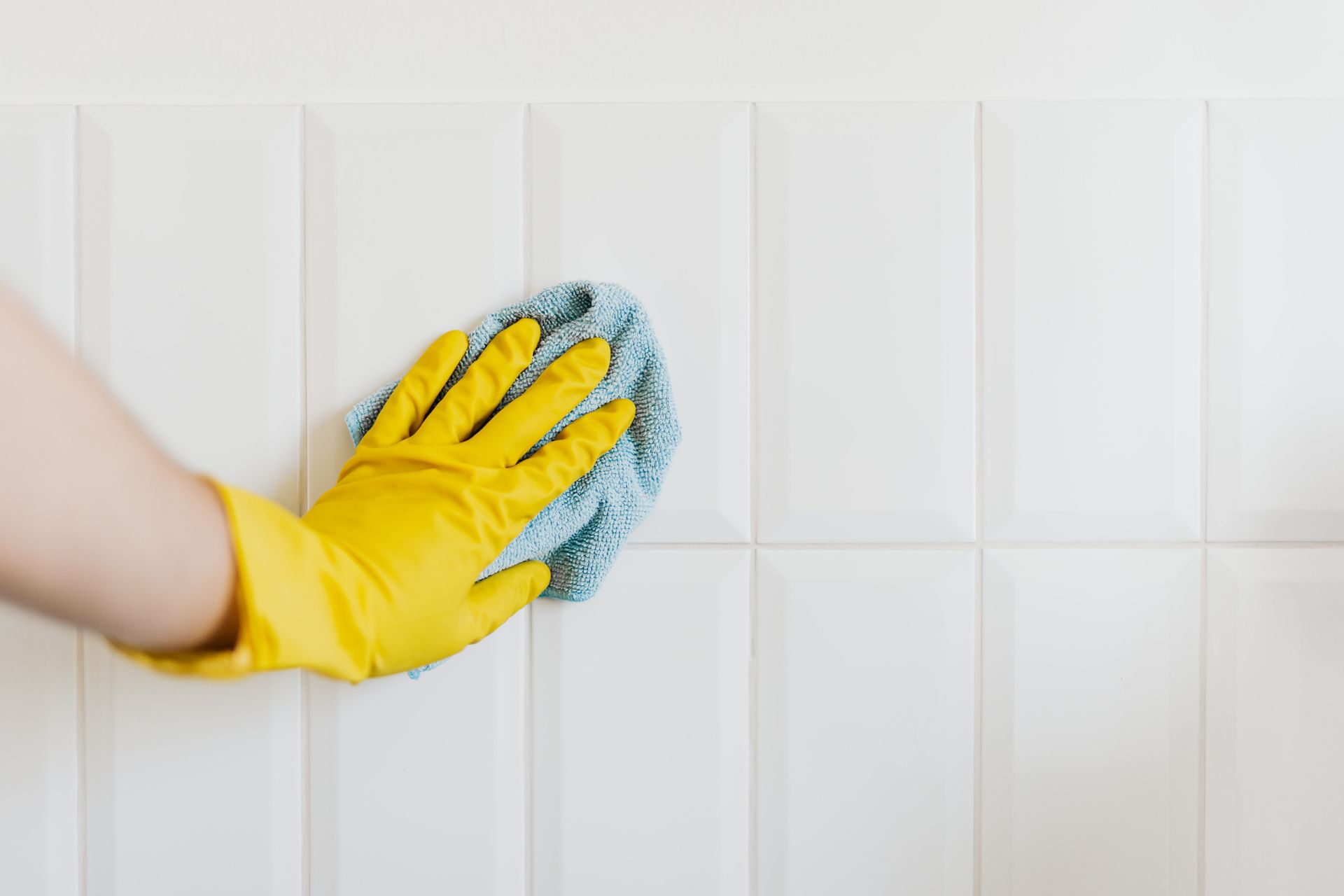
General liability insurance is a must-have for cleaning businesses, as it protects against accidents, injuries, and property damage. This type of insurance is often required by clients and can save you from costly lawsuits.
Cleaning businesses typically need to cover a range of potential risks, including accidents on the job, damage to clients' property, and injuries to employees or third parties. This can include slips, trips, and falls, as well as damage to furniture, fixtures, and equipment.
Businesses that offer specialized services, such as carpet cleaning or construction cleaning, may need to consider additional coverage options. These can include equipment breakdown insurance and professional liability insurance, which can help protect against errors and omissions.
The cost of general liability insurance for cleaning businesses can vary depending on factors such as the size of the business, the type of services offered, and the location. On average, cleaning businesses can expect to pay between $300 and $1,000 per year for general liability insurance.
You might enjoy: Insurance Cover on Business - Merchant Services
Why You Need General Liability Insurance
You need general liability insurance for your cleaning business to protect yourself and your livelihood from accidents and business risks. This type of insurance can cover customer injuries, such as slipping on a wet floor you just mopped.
Having the right insurance means you don't have to pay entirely out of pocket after an accident or to defend your business. It's a crucial investment to safeguard your business's financial stability.
Any type of cleaning business needs insurance, including residential cleaners, commercial or office cleaners, dry cleaners, carpet cleaners, and window washers. Whether you're a small operation or a large team, insurance is essential to protect your business.
With general liability insurance, you can get comprehensive coverage for a wide range of accidents and business risks. This includes protection for your business equipment and property, as well as coverage for customer injuries.
Thimble's Cleaning Business Insurance allows you to choose your coverage length, from a single job to a year or month, depending on your cleaning schedule. This flexibility is perfect for cleaning businesses that need to scale up or down as their needs change.
Here's an interesting read: 5 Essential Reasons Why Your Business Needs Insurance
What General Liability Insurance Covers
General liability insurance is a crucial coverage for cleaning businesses, and it's essential to understand what it covers. General liability insurance can cover third-party medical bills, attorney's fees, court-ordered judgments, and settlements arranged outside of court.
If a client slips on a wet floor at your office, or trips over your mop, you could be held liable for the injury. General liability insurance can cover third-party medical bills, attorney's fees, court-ordered judgments, and settlements arranged outside of court.
Accidental damage to a client's property is another risk that general liability insurance can cover. If a house cleaner or janitor causes damage to a client's floor with their industrial floor cleaner, the third-party property coverage included in your general liability insurance could help pay for the cost of repairing or replacing the floor.
Here's a breakdown of what general liability insurance can cover:
- Third-party medical bills
- Attorney's fees
- Court-ordered judgments
- Settlements arranged outside of court
This coverage can provide instant peace of mind by offering protection to your cleaning business on the most common third-party risks.
Types of General Liability Insurance
General liability insurance is a must-have for cleaning businesses. This type of insurance protects your business from accidents and business risks.
You'll want to consider the following types of general liability insurance for your cleaning business: property damage, personal injury, and accident insurance. These types of insurance will help you cover costs if you accidentally damage a customer's property or if someone gets injured while you're working.
Having the right types of insurance for your cleaning business means that you don’t have to pay entirely out of pocket after an accident or to defend your business.
For your interest: Are Insurance Proceeds for Business Property Damage Taxable
Other Types of Support Needed
Having the right types of insurance for your cleaning business means that you don’t have to pay entirely out of pocket after an accident or to defend your business.
General liability insurance is a good starting point, but it's not the only type of insurance you may need. General liability insurance covers bodily injury, property damage, and personal and advertising injury.
Explore further: Health Insurance Asking about Accident or Injury
There are other common types of cleaning company insurance you should consider. These include workers' compensation insurance, which is required in many states, to cover employees who get injured on the job.
Business insurance offers protection from a wide range of accidents and business risks, from a customer slipping on a wet floor you just mopped to being accused of damaging property or theft.
You may also need commercial auto insurance if you use vehicles for business purposes. This type of insurance can help cover damages or injuries caused by your employees while driving for work.
Having the right types of insurance can give you peace of mind and financial protection in case something goes wrong.
CCC
CCC, or care, custody, or control, is a crucial aspect of general liability insurance. This exclusion means your policy won't cover accidental damage to property you have custody of.
For instance, if an employee knocks over a customer's flat-screen TV while dusting, the policy likely won't cover the cost of repairs. Adding a care, custody, or control endorsement can ensure you're covered in such situations.
This endorsement is especially important for businesses that frequently handle or transport customer property, like movers or contractors. It can provide peace of mind and financial protection in case of accidents.
Check this out: Home Business Insurance Coverage Endorsement
How to Get General Liability Insurance
To get general liability insurance, you can start by downloading the Thimble app and answering a few questions to generate an instant quote.
Thimble will send you as many Certificates of Insurance (COIs) as you need, at no additional cost, once you've purchased your policy.
Clicking "Get a Quote" on Thimble's website is another way to get started.
You can also complete Insureon's easy online application to compare quotes from top U.S. insurance companies.
Insureon can provide you with a certificate of insurance in under 24 hours once you've found the policies that fit your needs.
Just click "Get a Quote" or download the Thimble app to begin the process of getting commercial cleaning insurance.
If this caught your attention, see: Income Protection Insurance Quote
Cost
The cost of general liability insurance for cleaning businesses can vary depending on several factors. You can save up to 25% in discounts when you buy cleaning insurance with NEXT.
The exact amount you pay will depend on the types of cleaning services you offer, the kinds of facilities you clean, if you have any employees and the kinds of work they do, and the number and types of vehicles you drive for work.
You might enjoy: How Does Travel Insurance Work for Medical
On average, Thimble's General Liability Insurance for cleaners ranges from $6 per hour to $38 per month. Cleaning businesses pay an average of $48 per month, or $580 per year, for general liability insurance.
Several factors influence the cost of cleaning business insurance, including services offered, cleaning equipment and property, revenue, location, number of employees, policy limits, and claims history.
Explore further: Average Book of Business Insurance Agent
Lost Key Coverage
Lost key coverage is a must-have for cleaning businesses, especially janitors and house cleaners who often handle customers' keys. This coverage covers the cost of replacing locks if you lose customers' keys.
Janitors and house cleaners are at a higher risk of losing customers' keys due to the nature of their work. Don't see your profession? Don't worry, most businesses are insured.
You might enjoy: Insurance for Bounce House Rental Business
Frequently Asked Questions
Does a cleaner need to be insured?
Having insurance can protect a cleaner from financial loss in case of accidents or damages. Public liability insurance is a must-have for cleaning contractors to cover court costs and compensation
Featured Images: pexels.com