
Form W-4 is a crucial document for anyone with a job in the United States. It's used to determine how much federal income tax is withheld from your paycheck.
You'll typically fill out Form W-4 when you start a new job, but you can also update it if your personal or financial situation changes. For example, if you get married or have children, you may need to adjust your withholding to account for the added expenses.
The form asks for some basic information, including your name, address, and Social Security number. You'll also need to decide how many allowances you want to claim, which can affect how much tax is withheld from your pay.
Claiming too many allowances can lead to a smaller tax refund or even a tax bill when you file your taxes. On the other hand, claiming too few allowances can result in overpayment of taxes throughout the year.
What is Form W-4?
Form W-4 is a tax form that employees in the United States need to fill out to indicate their tax situation to their employer. It's used to report necessary information related to your tax situation, and employers use it to calculate how much federal income tax to withhold from each of your paychecks.
The IRS expects you to pay taxes on most types of income, and when you start a new job, you'll need to submit a W-4 Form to ensure you withhold the right amount of taxes.
This document helps your employer ensure the correct amount of federal taxes are withheld from your paychecks, which is especially important if you earn above certain amounts.
How to Fill Out
Filling out Form W-4 is a straightforward process that can be broken down into several steps.
You'll start by providing personal information and your anticipated filing status, which will be used to determine your Standard Deduction and the tax rates your employer should use to compute your paycheck withholding.
The form comes with several worksheets that walk you through the process step by step, making it easier to complete.
If you have more than one job or you're married and plan to file a joint tax return with your spouse and your spouse also works, you'll need to complete a specific section of the form.
You can also use this step to let your employer know that you want additional income withheld, simply by entering an extra amount you'd like withheld from each paycheck.
The IRS recommends using their withholding estimator if you're unsure about any part of the process, or you can consult a tax professional for guidance.
To calculate the most accurate withholding for certain parts of the form, you can use TurboTax's W-4 Withholding Calculator.
Here are the steps to complete the form:
- Step 1: Enter your personal information and filing status.
- Step 2: Report multiple sources of income and indicate if you want additional income withheld.
- Step 3: Include any additional income sources, deductions, or supplemental withholding you want for each paycheck.
- Step 4: Sign your name and date the form to complete your W-4.
By following these steps and using the resources available to you, you'll be able to complete Form W-4 accurately and efficiently.
Understanding Exemptions and Withholding
You can claim an exemption from tax withholding on your W-4 if you had no income tax liability in the prior year and don't expect to have a tax liability in the current year.
This exemption is not automatic, and you'll need to claim it specifically on your W-4 form. You can only claim an exemption if you meet these narrow circumstances.
You're exempt from withholding if you had no tax liability in the previous year and don't expect to have one in the current year. This exemption only covers one year, so you'll have to submit a new W-4 each year you qualify if you want to claim it again.
The deadline to claim an exemption is February 15 of the tax year for which you're claiming it. Students who work part-time or during the summer months may also be exempt from withholding.
You can claim an exemption from withholding on your W-4, but it's not the only way to manage your withholding. You can also adjust your W-4 to increase or decrease the amount of money withheld from your paycheck.
The IRS estimator tool can help you determine how the amount of your withholding will affect your tax refund, taxes you could owe, and your take-home pay.
Related reading: Which of These Is Not a Form of Transfiguration?
Tax Implications and Consequences
If you claim 0 on your W-4, you'll receive less money on your paychecks, but you should have a lower tax bill at the end of the year.
However, you might still owe taxes if you're self-employed and don't account for those taxes by withholding more on your W-4.
You can use the IRS withholding estimator to determine how much you should withhold, or you can consult a tax professional for guidance.
If your tax situation changes, you need to update your Form W-4 to avoid having too little tax withheld, which can result in a tax bill when you file.
You have 10 days to submit a revised W-4 if you won't have sufficient income withheld for the current year based on your existing Form W-4.
Here are some scenarios where you might need to submit a revised W-4:
- You or your spouse expect a raise of more than $10,000 in regular wages (not a bonus) at a second or third job, and the Form W-4, Step 2(c), checkbox is not selected on your Forms W-4.
- You no longer expect to be able to claim a Child Tax Credit you took into account on a previously furnished Form W-4.
- The other credits you noted on a previously furnished Form W-4 decrease by more than $500.
- Your deductions decrease by more than $2,300 from the amount on a previously furnished Form W-4.
- You no longer reasonably expect to claim exemption from withholding.
Recordkeeping and Updates
You should keep your W-4 form in your records for at least 4 years. This is a requirement to ensure you're withholding federal income tax according to the employee's instructions.
You'll need to have the form available for inspection if the IRS requests it. This is why it's essential to keep accurate records.
To avoid any issues, make sure you can supply a hardcopy of an electronic W-4 form if requested.
Intriguing read: Mercado Pago W
Recordkeeping Requirements

You'll want to keep Form W-4 in your records for at least 4 years. This is because it serves as verification of federal income tax withholding according to the employee's instructions.
Make sure to keep it available for inspection in case the IRS requests it. The IRS may also direct you to send certain Forms W-4 to them in the future.
You'll need to be able to supply a hardcopy of an electronic Form W-4 if requested.
Discover more: Irs Flex Spending Account
When to Update Your Form
Updating your W-4 is a crucial step in managing your finances effectively. If you want to pay only what you owe, updating your W-4 will go a long way toward avoiding unexpected tax bills and penalties.
A major personal life change is a good reason to update your W-4. This includes things like getting married, having a child, or switching jobs.
If you look forward to a big tax refund every year, you should also pay attention to your withholding. How much you have withheld directly impacts your refund.
Readers also liked: How to Pay in 4 on Amazon
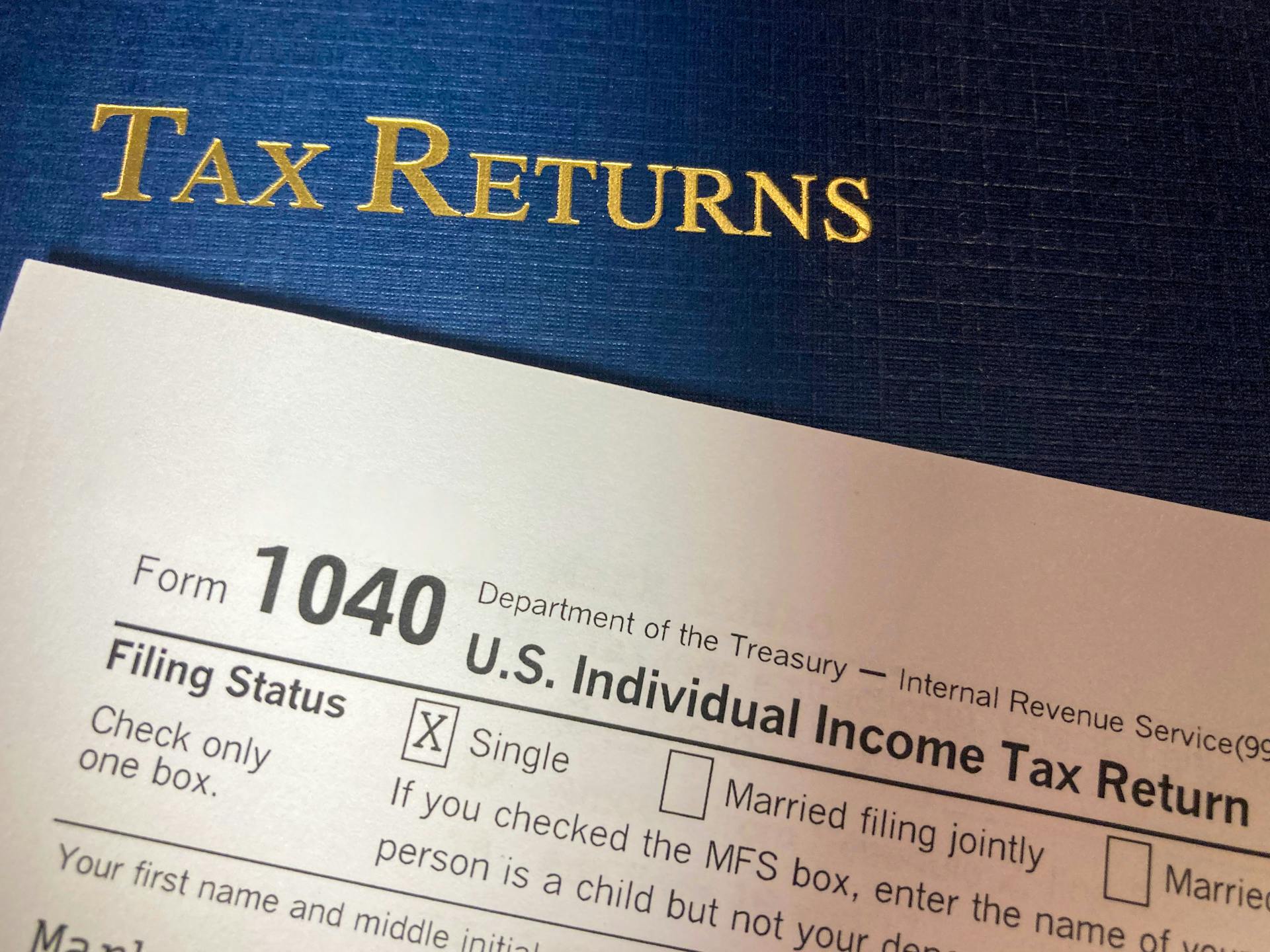
You should update your W-4 when you experience a change in income. This could be a raise, a promotion, or even a side hustle.
Updating your W-4 regularly can help you avoid an interest-free loan to the federal government, as well as earning yourself a tax refund.
Here are some key reasons to update your W-4:
- If you want to pay only what you owe
- If you look forward to a big tax refund every year
Invalid
If you receive an invalid Form W-4 from an employee, you can't use it to determine federal income tax withholding. Any unauthorized change or addition to the form makes it invalid.
You should tell the employee that their Form W-4 is invalid and ask them to give you another one. If they don't provide a valid form, you'll need to withhold taxes as if they're single or married filing separately with no other entries.
An invalid Form W-4 can be caused by material defacing of the form or any writing on the form other than the requested entries. You should be careful to check the form for any unauthorized changes or additions.
If you have an earlier valid Form W-4 for the employee, you can continue to withhold taxes as you did before. This can save you and the employee a lot of hassle.
Calculating and Adjusting Withholding
Choosing the right amount to withhold is a balancing act, and it's essential to consider your individual financial situation.
Some individuals prefer to have more withheld to receive a larger refund, while others opt for less withholding to maximize their take-home pay throughout the year.
Careful planning, including adjusting your W-4 as needed, can help you avoid unexpected tax bills or refunds that could have been money in your pocket sooner.
The IRS estimator tool will tell you how the amount of your withholding will affect any tax refund that you might expect, taxes you could owe when you file your return, and the amount of your take-home pay.
Form W-4 instructs your employer on how much federal income tax to withhold from your paycheck.
If you have sources of income that you aren’t withholding tax from, such as earnings on the side, dividends, or rental income, it might make sense to withhold extra money from your paycheck to cover the extra taxes.
Discover more: Bcbs Refund Form
Special Cases and Considerations
You can file a new W-4 at any time, and it's a good idea to do so whenever your situation changes, such as when you marry, divorce, have a child, or when a dependent dies.
These changes can result in your employer withholding more or less tax, so it's essential to update your W-4 accordingly. For example, if you get married, you may need to adjust your number of allowances.
The elimination of the personal exemption for tax years 2018 through 2025 may also require you to reevaluate your number of allowances.
Additional reading: What Is the Sum of a Number and 4?
What if you skip?
If you skip submitting Form W-4, you'll be assigned the single or married filing separately filing status, even if you're married or qualify as head of household.
You'll be credited with the standard deduction for that status, but you won't get any other benefits. More taxes will be withheld from your paychecks as a result.
You could be charged a penalty for underpayment of taxes when you file your tax return, although there are some exceptions to this rule, such as if your underpayment was due to reasonable cause and not willful neglect.
Consider reading: Business Taxes Forms
Special Considerations
You should file a new W-4 whenever your situation changes, such as when you marry, divorce, have a child, or when a dependent dies, as this can result in your employer withholding more or less tax.
A change in status can also be caused by the elimination of the personal exemption for tax years 2018 through 2025, which could change the number of allowances you should take.
You should file a new W-4 when you get married or divorced, as this can impact the number of allowances you should take.
You should also file a new W-4 when you have a child or when a dependent dies, as this can affect the amount of tax withheld from your pay.
The elimination of the personal exemption for tax years 2018 through 2025 means you may need to adjust the number of allowances on your W-4.
Here are some common situations that require a new W-4:
- Marrying or divorcing
- Having a child or losing a dependent
- Elimination of personal exemption (2018-2025)
Comparing Form W-4 to Other Forms
When you're dealing with tax forms, it can be overwhelming to keep track of what's what. A W-4 form is completed by you and provided to your employer at the start of employment.
You'll also encounter a W-2 form, which is completed by your employer and shows how much you earned and how much was withheld in taxes. A W-2 is usually provided to you by January 31st of each year.
To help you navigate these forms, let's compare the W-4 to other forms. The W-4 is specifically used to determine how much to withhold from your paychecks.
Changes and Updates to Form W-4
The W-4 form has undergone some significant changes in recent years. In 2020, the IRS replaced the old method of calculating tax withholding with a new system, which is designed to be more straightforward and accurate. This change was made to reduce the complexity of calculating how much to withhold from each paycheck.
If you're familiar with the old W-4 form, you might remember the worksheets that were used to determine how much to withhold. Those worksheets are now a thing of the past, replaced by more straightforward questions on the new form.
You'll need to update your W-4 form if your tax situation changes significantly, such as if you get married, divorced, have a child, start a side hustle, or start a second job. This is because your withholding may not be accurate if your circumstances shift.
Here are some specific circumstances that require you to submit a revised W-4:
- You or your spouse expect a raise of more than $10,000 in regular wages (not a bonus) at a second or third job, and the Form W-4, Step 2(c), checkbox is not selected on your Forms W-4.
- You no longer expect to be able to claim a Child Tax Credit you took into account on a previously furnished Form W-4.
- The other credits you noted on a previously furnished Form W-4 decrease by more than $500.
- Your deductions decrease by more than $2,300 from the amount on a previously furnished Form W-4.
- You no longer reasonably expect to claim exemption from withholding.
It's worth noting that employers must adjust your withholding amounts in the first paycheck you receive 30 days on or after you submit a revised form.
Featured Images: pexels.com