
The Evergrande Group's financial collapse is sending shockwaves through China's economy. The company's massive debt, estimated to be over $300 billion, has been a concern for years.
Evergrande Group is a Chinese conglomerate with a diverse range of businesses, including real estate, finance, and healthcare. It was founded in 1996 by Xu Jiayin and has since grown into one of China's largest companies.
The company's financial struggles began to surface in 2020, with a sharp decline in its stock price and a series of missed interest payments on its bonds. This led to a credit rating downgrade and a loss of investor confidence.
Evergrande's debt is a significant burden on the Chinese economy, and its collapse could have far-reaching consequences.
What Happened to Evergrande Group?
Evergrande Group was once a shining example of China's economic miracle, with its founder and chairman Hui Ka Yan rising from humble beginnings to top the Forbes list of Asia's wealthiest people in 2017.
Its estimated fortune of $45bn in 2017 has since plummeted to less than a billion, a staggering fall from grace.
Evergrande had some 1,300 projects under development in 280 cities across China, a sprawling empire that included an electric carmaker and China's most successful football team, Guangzhou FC.
The company was built on $300bn of borrowed money, earning it the unenviable title of the world's most indebted property developer.
In 2020, Beijing brought in new rules to control the amount big developers could borrow, which led to Evergrande offering its properties at major discounts to ensure money was coming in.
Struggling to meet interest payments, the firm soon defaulted on some of its overseas debts.
Evergrande's shares had been under threat of delisting ever since its Hong Kong High Court ordered the company to be wound up in January 2024.
The crisis engulfing the firm had wiped more than 99% from its stock market valuation by that point.
Liquidators revealed that Evergrande's debts currently stand at $45bn and that it had so far sold just $255m of assets.
A complete overhaul of the business "will prove out of reach", according to liquidators.
Professor Shitong Qiao from Duke University notes that all that remains is which creditors are paid and how much they can get in the bankruptcy process.
Consider reading: ET Money
China's Economy at Risk
China's economy is facing a major crisis, with the country's once-blistering growth slowing down to around 5% after decades of rapid expansion. This is a significant concern, as China makes up about 20% of the world's GDP.
The property market has been the biggest drag on the economy, with the industry accounting for about a third of the Chinese economy and being a major source of income for local governments. The property crisis has led to massive layoffs and pay cuts in the real estate industry, affecting hundreds of thousands of Chinese workers.
Many Chinese families have seen their savings fall in value due to housing prices dropping by at least 30%, making them less likely to spend and invest. In response, Beijing has announced a raft of initiatives to revive the housing market and stimulate consumer spending.
The collapse of Evergrande, a heavily indebted property developer, has been a major contributor to the crisis. The company's demise is unlikely to have an immediate impact on US consumers, but it is another indicator that China's economy is undergoing a painful period of slowdown.
Worth a look: Eastern Housing Limited
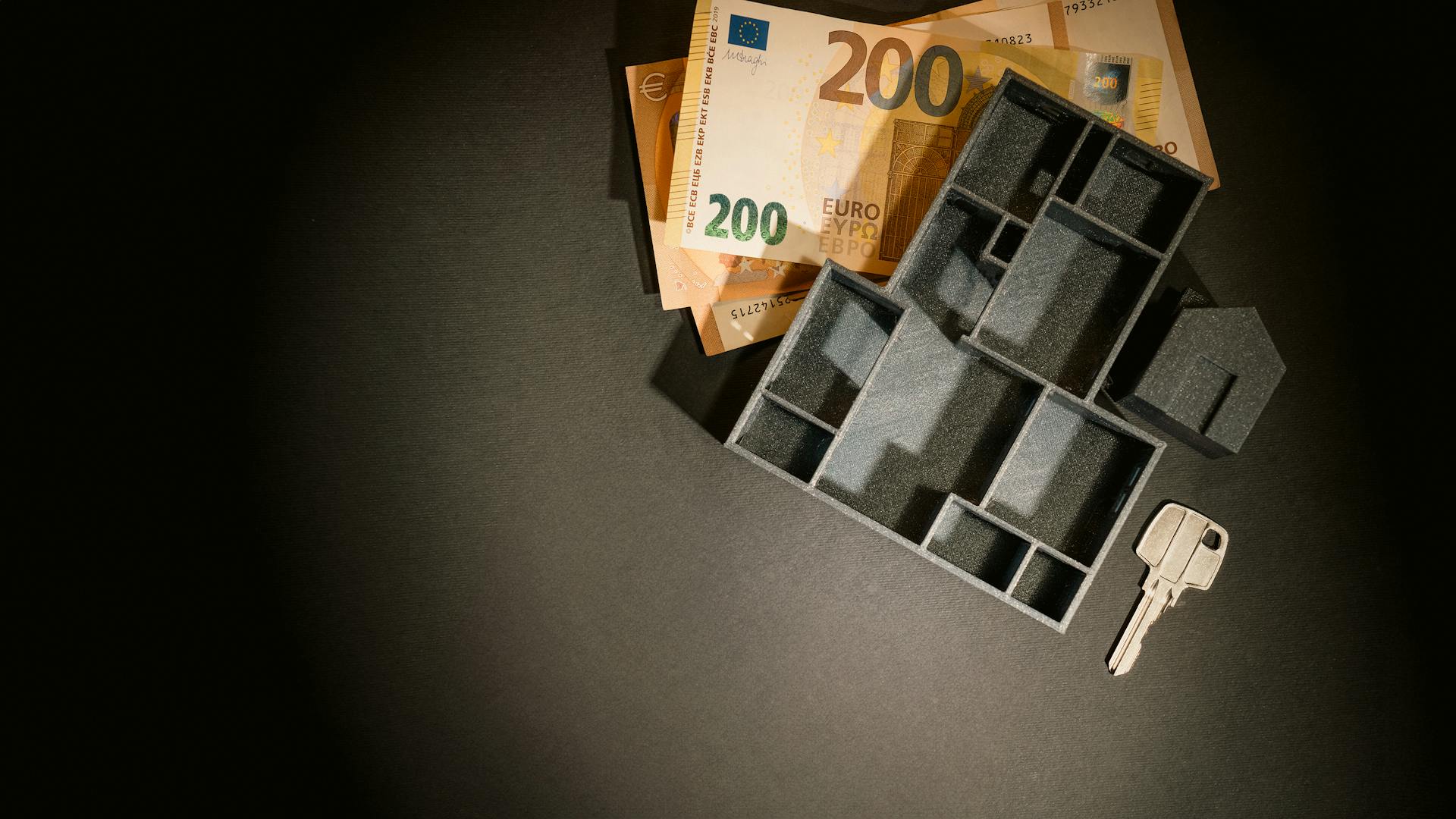
Here are some key statistics on the impact of the property crisis on China's economy:
- Property industry accounts for about a third of the Chinese economy
- Real estate sector is the most indebted industry in China
- Evergrande is the poster child for the most indebted company in the sector
- Housing prices have dropped by at least 30%
- Many Chinese families have seen their savings fall in value
The crisis is having a major impact on China's economy, with the country's once-blistering growth slowing down. The government has announced a raft of initiatives to revive the housing market and stimulate consumer spending, but it remains to be seen whether these efforts will be enough to turn the economy around.
For more insights, see: Impulse Economy
Evergrande Group's Financial Issues
Evergrande has been the biggest victim of China's economic policy, says Dexter Roberts, director of China affairs at the Mansfield Center at the University of Montana.
The company's debt issues are a result of its aggressive expansion, which saw it borrow more than $300 billion. This has led to a struggle to meet interest payments on its debts.
Evergrande's business model, like that of other real estate developers in China, is pre-sold housing – an inherently risky strategy. This has led hundreds of thousands of Chinese to buy homes that may never be completed.

The company's demise is considered a "controlled implosion" by Roberts, meaning it's a managed collapse rather than a complete failure. This is due to China's knowledge of its economy's imbalanced nature and reliance on debt.
Evergrande's financial situation has been further complicated by new rules introduced by the Chinese government in 2020 to control the amount owed by big real estate developers. This has led to the company offering its properties at major discounts to ensure money is coming in.
Since the start of the crisis, Evergrande's shares have lost more than 99% of their value.
Why Is in Trouble?
Evergrande's financial issues are a result of its aggressive expansion and massive borrowing. The company borrowed more than $300 billion to become one of China's biggest companies.
Evergrande's business model, which involves pre-selling housing, is inherently risky. This strategy has led to hundreds of thousands of Chinese buying homes with no completion timeline, or perhaps no hope of being completed.
On a similar theme: B Capital

The Chinese government brought in new rules in 2020 to control the amount owed by big real estate developers. Evergrande struggled to meet interest payments on its debts after these new measures were implemented.
Evergrande's shares have lost more than 99% of their value since the start of the crisis. The company filed for bankruptcy in New York in August 2023 to protect its US assets.
Why No State Bailout?
Beijing has poured hundreds of billions of dollars into measures to support struggling real estate projects.
The central bank provided low-interest loans for state-controlled banks to help out, but Evergrande wasn't one of them.
There has been help for home buyers and incentives to purchase new household appliances, but no direct bailouts for struggling developers.
This was partly to avoid encouraging more risky behavior, which could have led to even more problems down the line.
China's Real Estate Crisis
China's property market has been in trouble for a while, with many developers facing major challenges, including Evergrande. The crisis has been exacerbated by a property slump, which has been the biggest drag on the economy, and has led to massive layoffs and pay cuts in the industry.
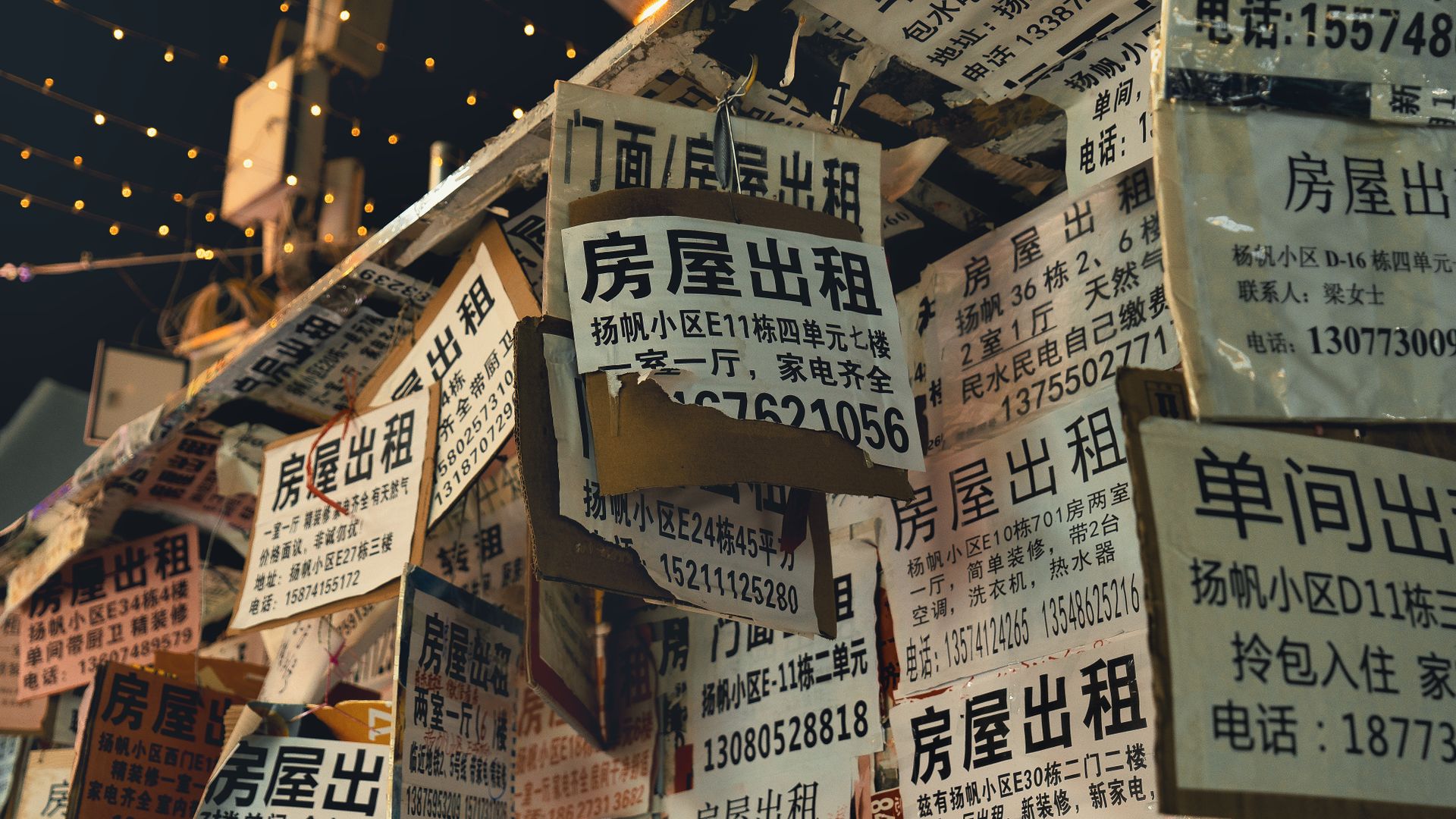
Experts say the crisis is far from over, with many Chinese property firms still facing major challenges. Country Garden, a rival real estate giant, is still trying to secure a deal with its creditors to write off more than $14 billion of outstanding foreign debt.
The crisis has had a significant impact on the Chinese economy, with consumption suppressed and housing prices dropping by at least 30%. This has led to many Chinese families seeing their savings fall in value, making them less likely to spend and invest.
The Chinese government has taken measures to help shore up the property market and support the economy, but it has not bailed out developers directly. The government's priorities now lie elsewhere, with a focus on high-tech industries like renewable energy, electric cars, and robotics.
Here are some key statistics on the crisis:
- China's property sector accounts for about a third of the country's economy.
- Evergrande's collapse has led to massive layoffs and pay cuts in the industry.
- Housing prices in China have dropped by at least 30%.
- The Chinese government has poured hundreds of billions of dollars into the economy to support the housing market.
The crisis is expected to continue for some time, with Goldman Sachs warning that property prices in China will continue to fall until 2027.
Is the Property Crisis Over?
The property crisis in China is far from over, with several other major developers facing major challenges. China South City Holdings was recently handed a winding up order by Hong Kong's High Court, making it the biggest developer to be forced into liquidation since Evergrande.
Analysts expect property prices in China to continue falling until 2027, with Goldman Sachs warning of a prolonged downturn. China's stricken property market will likely hit the bottom in around two years when demand finally catches up with supply.
The Chinese government has been careful to avoid bailing out the housing sector, instead focusing on high-tech industries like renewable energy, electric cars, and robotics. President Xi Jinping's priorities have shifted, and the property market is no longer a key driver of economic growth.
New home prices in China fell at the fastest pace in eight months in June, dropping 3.2% year on year. The decline in real-estate-related investments has deepened, with sales volume of new residential properties halving over the past four years.
China's property bubble peaked in 2021 and has been deflating since, with prices falling by as much as 30% in central areas of tier-1 cities. The adjustment isn't over, but the economy has absorbed most of the impact already.
The impact of the property market correction on China's GDP will continue to ease over the next few years, with estimates suggesting a smaller dent of 1.5 percentage point in 2025.
For another approach, see: Golden 1 Credit Union
China's Real Estate Crisis
China's real estate crisis has been a major concern for the country's economy. China's property sector has been in trouble, with several major developers facing major challenges, including Evergrande, which has been ordered to liquidate its assets by a Hong Kong court.
The crisis has been caused by a combination of factors, including high local government debt, weak consumer spending, unemployment, and an ageing population. The property sector has been hit hard, with many real estate industry employees facing massive layoffs or pay cuts.

Evergrande's collapse has led to a significant impact on the Chinese economy, with the property sector accounting for about a third of the country's economy. The crisis has also led to a decline in housing prices, with many Chinese families seeing their savings fall in value.
The Chinese government has announced a raft of initiatives aimed at reviving the housing market, stimulating consumer spending, and boosting the wider economy. However, the crisis is expected to continue, with Goldman Sachs warning that property prices in China will continue to fall until 2027.
Here are some key statistics on the impact of the crisis:
- China's housing downturn has stretched into a fourth year, with new home prices falling at the fastest pace in eight months.
- Sales volume of new residential properties has halved over the four years.
- Prices have halved in smaller cities and major cities' suburbs and fallen by as much as 30% in central areas of tier-1 cities.
The crisis has also had a significant impact on ordinary Chinese people, with many seeing their real estate investments evaporate. Chinese households have 70% or more of their asset wealth in their apartments, making them vulnerable to the decline in property prices.
The Chinese government has been careful to avoid bailing out the housing sector, instead opting for a controlled implosion. This has led to a slow recovery, but one that is expected to be weak.
Lessons from the Crisis
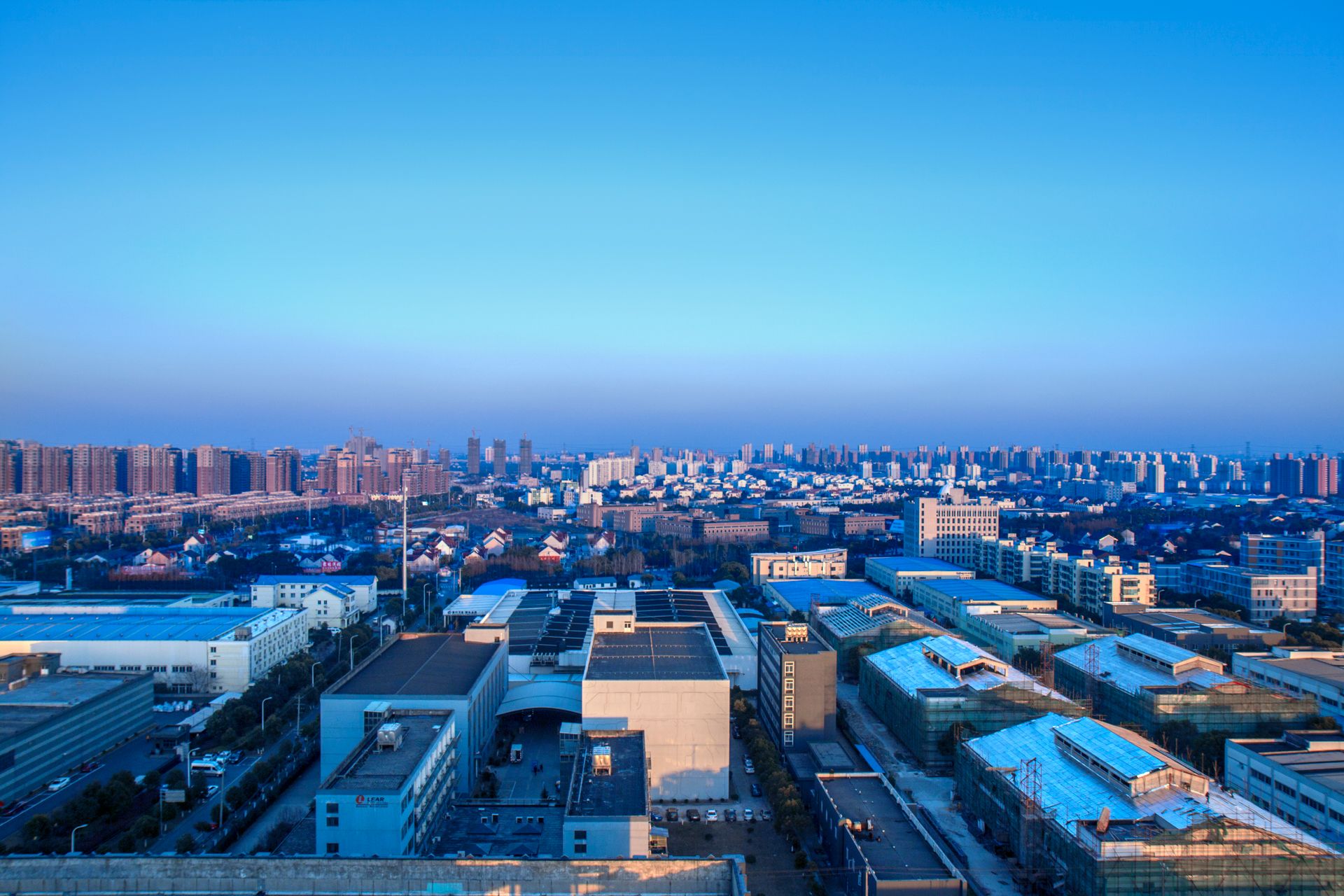
In the midst of the Evergrande crisis, one thing is clear: ordinary investors and institutional investors alike will have to wait in line to get paid.
Many consumers in China own their apartments, and some even own more than one, which makes a bad property market a major concern.
The negative wealth effect on consumers is a significant issue, as they become hesitant to spend when the property market is doing poorly.
The drawn-out liquidation of Evergrande is a complex process that will require the courts to determine who gets paid first.
Ordinary investors who simply wanted to buy an apartment will have to stand in line, just like larger institutional investors.
Suggestion: Edmonton Investors Group
China's Economy: A Broader Concern
China's economy is facing a broader concern due to the Evergrande crisis. The company's implosion could prove a blow to confidence both inside and outside China, as it may indicate a deeper issue with the country's economy.

Evergrande's demise is unlikely to have an immediate impact on U.S. consumers, but it's another indicator that China's economy is undergoing a painful period of slowdown.
China's economy is heavily reliant on the real estate sector, which accounts for about a third of the country's gross domestic product (GDP). The sector's debt crisis has already hurt the Chinese economy, with companies accounting for 40% of Chinese home sales defaulting since mid-2021.
Evergrande's collapse should come as no surprise to its investors or to the rest of the world, as the company's business model is pre-sold housing, an inherently risky strategy. The company's billionaire CEO, Hui Ka Yan, also known as Xu Jiayin, was once one of Asia's richest people but came under investigation for unspecified criminal behavior.
The Chinese government has tried to promote more domestic consumption to take up some of the slack in the economy, but the Evergrande crisis may prove a challenge to this effort. The company's demise is a controlled implosion, according to Dexter Roberts, director of China affairs at the Mansfield Center at the University of Montana.
Evergrande's debt issues could be a drag on China's economy, as the company's liabilities recently reached $330 billion, with assets worth $240 billion. The liquidation ruling creates further uncertainty for China's already fragile capital and property markets.
Here are some key statistics on the impact of the Evergrande crisis on China's economy:
- Real estate sector accounts for about a third of China's GDP
- Companies accounting for 40% of Chinese home sales have defaulted since mid-2021
- Evergrande's liabilities recently reached $330 billion
- Evergrande's assets worth $240 billion
Frequently Asked Questions
How much was Evergrande worth at its peak?
Evergrande was valued at over $50 billion at its peak. This massive valuation was a testament to the company's dominance in China's property market.
Featured Images: pexels.com