
Choosing the right ecommerce payment system is crucial for a smooth and secure transaction process. A well-designed payment system can increase customer trust and conversion rates.
PayPal is a popular payment gateway that supports multiple payment methods, including credit cards and bank transfers. It offers a convenient checkout experience and is widely accepted by online merchants.
Credit card payments are another common option, with Visa and Mastercard being the most widely accepted cards. These payments are processed through payment gateways like PayPal or Stripe.
Online banking and bank transfers are also gaining popularity, allowing customers to pay directly from their bank accounts. This option is often preferred by customers who prefer not to share their credit card information.
Explore further: Accepted Platinum Credit Card
What is an Ecommerce Payment System?
An ecommerce payment system is a way for online businesses to accept payments from customers in a safe and secure manner.
It links online businesses to a payment processor, which collaborates with the customer's bank to clear and transfer funds.
By using a payment gateway, ecommerce businesses can reduce transaction and labor costs significantly.
A user-friendly ecommerce payment gateway eliminates the need for customers to repeatedly enter their card details and personal information, streamlining the checkout process.
It works with third-party processors to make payments global and accessible at any time.
Readers also liked: Payment Gateway Credit Cards
Transaction Process
The transaction process is a crucial part of the ecommerce payment system. It's what happens behind the scenes when a customer makes a purchase online.
The process starts when a customer finishes adding items to their shopping cart, begins the checkout process, and enters and submits online payment information, usually through a payment gateway. This can include credit card or debit card information, or other forms of payment like Google and Apple Pay.
A payment processor, such as a credit card service provider, manages the transaction data between the customer’s bank or credit card company and the business's bank account. This processor receives the information from the gateway and then executes the transaction.
Take a look at this: Amazon Transaction Pay
The payment processor notifies the customer’s bank to verify sufficient funds in the account. The transaction is either approved or declined, and this information is sent back to the ecommerce site through the payment gateway.
Here's a breakdown of the key components involved in the transaction process:
- Payment Processor: Manages transaction data between customer's bank and business's bank account.
- Payment Gateway: Connects ecommerce site to merchant services provider, facilitating data transfer between payment processor and customer-facing website.
The entire process happens typically in just a few seconds, making it nearly invisible to both the customer and the ecommerce business. The payment processor lets the payment gateway know whether the transaction has been authorized or refused, and then the gateway reports back to the ecommerce site, allowing the user to see the results.
If this caught your attention, see: Moneybookers Payment Gateway
Choosing the Best Solution
Choosing the best ecommerce payment processing solution is crucial for building trust with your customers. It's essential to consider the costs and fees associated with each solution, as they can impact your revenue.
Compare the setup costs, monthly subscription fees, and fees charged per transaction to make sure you're getting the best deal. This will help you avoid any unexpected expenses that can eat into your profits.
Look for a Secure Sockets Layer (SSL) certificate, a special code that encrypts the connection when customers transmit data. This ensures the security of your customers' sensitive information and builds trust in your ecommerce store.
Curious to learn more? Check out: Bank Payment Solution
Choosing the Right Solution
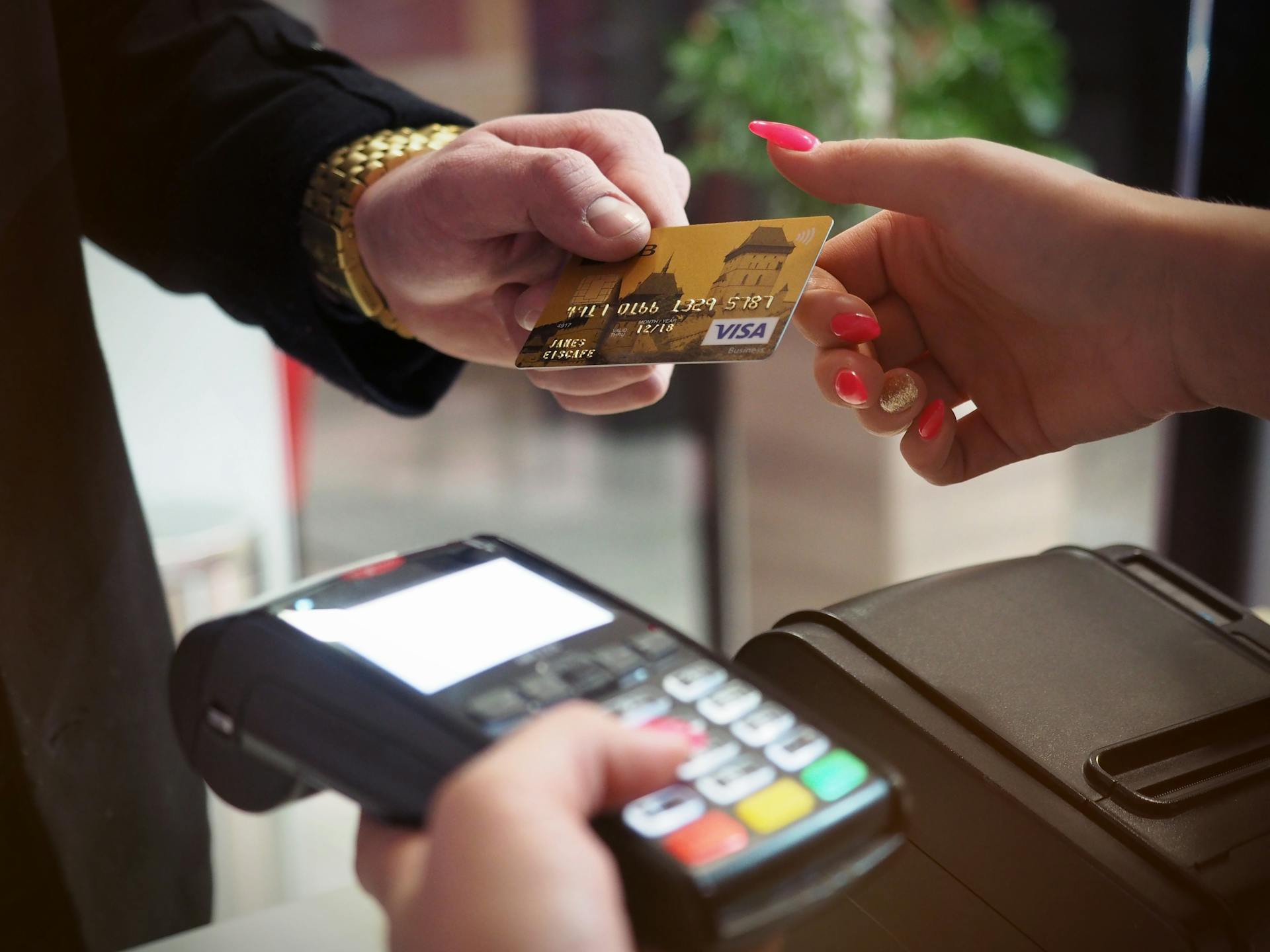
Choosing the right payment processing solution for your ecommerce store is crucial for building trust with your customers and driving revenue. It's essential to consider factors like trust and security, customer experience, and fee pricing.
The ecommerce payment solutions market is vast, with dozens of options available. You should ask questions like "What types of payments are accepted?" and "Can information be saved for future purchases?" when choosing a solution.
Costs and fees are a major consideration when selecting a payment processing solution. Compare setup costs, monthly subscription fees, and fees charged per transaction to ensure you're getting the best deal.
Security is a top priority. Look for a Secure Sockets Layer (SSL) certificate, which encrypts the connection when customers transmit data. This will help build trust with your customers.
Payment Card Industry (PCI) Compliance is also crucial. All payment processors should be PCI compliant, so double-check that yours meets these requirements.
A different take: Four Corners Model for Payment Security
Some payment processors offer tokenization services, which protect card information by storing a random code instead of the card number. This can reduce friction in the purchasing process and decrease abandoned shopping carts.
International payment support is essential for businesses that do business overseas. Look for a processor that facilitates foreign payments with minimal fees for international transactions or currency exchanges.
Here's a quick rundown of the key factors to consider when selecting a payment processing solution:
Disadvantages of Mobile
Mobile payments aren't perfect, and there are some downsides to consider. One major limitation is that not all merchants accept mobile payments yet. This can be frustrating if you're used to tapping your phone to pay.
Some mobile payment providers may charge transaction fees, which can add up over time. I've heard of people getting surprised by these fees, so it's essential to check your provider's terms before making a purchase.
To use mobile payments, you need a smartphone with a payment app. This might not be a problem for most people, but it's something to consider if you're using an older phone or don't have a compatible device.
Here are some of the key disadvantages of mobile payments at a glance:
- Limited: Not all merchants accept mobile payments yet.
- Potential Fees: Mobile payment providers may charge transaction fees.
- Smartphone Required: You need a smartphone with a payment app.
Payment Methods
Credit and debit cards are the foundation of modern eCommerce, with almost all online merchants accepting them. They offer flexibility at checkout and reduce friction for businesses.
Universal acceptance is one of the key advantages of credit and debit cards. Almost all online merchants accept them, making them a convenient option for customers. Accessibility is another benefit, with credit cards offering lines of credit and debit cards enabling direct account spending.
Credit cards provide strong fraud protection, ensuring safety for both consumers and merchants. Debit cards, on the other hand, are linked directly to bank accounts and have lower processing fees for merchants.
There are various electronic payment methods available, including online credit card transactions, e-wallets, e-cash, and wireless payment systems. Credit cards are a popular method of online payment, but can be expensive for merchants due to transaction fees.
Debit cards are an excellent alternative to credit cards, offering similar security but with lower charges. They are a cost-effective option for merchants and provide a convenient payment method for customers.
Broaden your view: E Wallet Qr Code
Some online businesses accept multiple payment methods to reduce the risk of losing customers who might abandon a transaction if their preferred payment method isn't available. This includes major credit cards like Visa and Mastercard, as well as newer online payment forms like buy-now-pay-later providers and mobile payment options.
Here are some common payment methods accepted by online businesses:
- Credit cards (Visa, Mastercard, American Express)
- Debit cards
- Buy-now-pay-later providers (Klarna, Afterpay)
- Mobile payment options (Apple Pay, Google Pay)
- Digital currencies (Bitcoin, etc.)
- Bank transfers
- Electronic fund transfers
Alternative Payment Options
Mobile money wallets are a great option for people in developing countries who don't have access to banking facilities. They allow users to add funds easily through their mobile subscription number, making online transactions and eCommerce purchases a breeze.
In some countries, like Bangladesh, there are more mobile phone users than people with active bank accounts. This is where mobile money wallets come in handy, providing a convenient way to manage finances.
Some benefits of mobile money wallets include electronic funds transfer and online payments. These features make it easy to shop online and manage finances without the need for a traditional bank account.
For your interest: How Many Paytm Users in India
Buy Now, Pay Later (BNPL) is another alternative payment option that allows customers to make purchases and pay later. This option boosts spending power and financial inclusion by providing flexibility and convenience.
Here are some advantages of BNPL:
- Enhanced Conversion Rates: Businesses see higher conversion rates with BNPL options.
- Financial Flexibility: Consumers get immediate access to products and defer payments.
- Streamlined Process: BNPL platforms simplify checkouts by avoiding complex credit checks.
Cryptocurrency is also an alternative payment option that simplifies cross-border transactions, eliminating currency conversion fees. It also enhances protection against fraud with advanced encryption methods and allows for decentralized transactions.
Bank Transfers
Bank transfers are a popular payment method, especially in B2B eCommerce, where high-value transactions occur, typically after an order is placed.
This method lets customers log into their online banking app to manually transfer money to an eCommerce business. It's a common practice that offers several advantages.
One of the main benefits of bank transfers is that they are cost-effective, with lower fees than credit cards. They also offer transparency by directly moving funds between accounts, making them efficient for cross-border transactions, avoiding currency conversion fees.
However, bank transfers can be a bit slow, taking days to process, which might deter users seeking immediate results. This delay can be frustrating, especially in a fast-paced digital world.
Here are the key advantages and disadvantages of bank transfers:
- Cost-effective
- Transparency
- Efficient for cross-border transactions
- Delay in processing
Cash on Delivery
Cash on Delivery is a payment method that lets customers pay for their purchases when they receive them, not in advance. This is especially useful in areas where credit or debit card usage is low.
Allowing customers to pay upon delivery can foster trust, particularly with new eCommerce businesses. It's like meeting a friend for coffee and paying after you've had a chance to try the coffee – you can decide if you like it before committing to the purchase.
By not sharing financial information, Cash on Delivery minimizes the risk of fraud and eliminates worries about refunds for non-delivery. This can be a big relief for both the buyer and the seller.
However, there's a downside to this payment method – businesses risk losing revenue if a buyer returns a delivered item without paying. This can happen if the customer refuses the product or is unavailable, leading to significant financial losses and extra complications for the seller.
Here are some key points to consider with Cash on Delivery:
- Trust Building: Allows customers to pay upon delivery, fostering trust with new eCommerce businesses.
- Enhanced Security: Avoids sharing financial information, minimizing fraud risk and eliminating concerns about refunds for non-delivery.
Mobile Money Wallets
Mobile money wallets are a convenient alternative payment option for people in developing countries where banking facilities are limited. In Bangladesh, for example, there are more mobile phone users than people with active bank accounts.
Mobile money wallets allow users to add funds easily through their existing mobile subscription number, by visiting physical recharge points close to their homes and offices. This can be a game-changer for those who don't have access to traditional banking services.
Users can convert their cash into mobile wallet currency and use it for online transactions and eCommerce purchases. This includes electronic funds transfer and online payments.
Mobile money wallets have the potential to increase financial inclusion and provide more people with access to financial services.
Here's an interesting read: Pc Credit Cards
BNPL
Buy Now, Pay Later (BNPL) is a short-term financing option that allows customers to make purchases and pay later, often with no interest or fees.
Customers can make a purchase with little or no upfront payment and pay the balance in up to four installments. This option boosts spending power and financial inclusion by providing flexibility and convenience.
Recommended read: Cash App Card Atm No Fee
BNPL often charges no interest or fees and allows repayment via debit card, credit card, or bank account. This makes it easier for consumers to get immediate access to products and defer payments.
With BNPL, businesses typically see higher conversion rates, which means more sales. This is because customers are more likely to complete a purchase when they can pay later.
Here are some key benefits of BNPL:
- Enhanced Conversion Rates: Businesses see higher conversion rates with BNPL options.
- Financial Flexibility: Consumers get immediate access to products and defer payments.
- Streamlined Process: BNPL platforms simplify checkouts by avoiding complex credit checks.
Some popular BNPL services include Sezzle, which allows customers to split purchases into four payments spread over six weeks. However, it's essential to note that BNPL can lead to overspending risks and regulatory gaps in some areas.
BNPL can be a great option for businesses that want to offer financing without taking on risk or liability. However, it's not a full-service or standalone ecommerce product, and may not offer the image you're aiming for as a brand.
Consider reading: Credit Cards That Offer Flashy Rewards like Airline Miles Often
Cryptocurrency
Cryptocurrency offers a convenient alternative to traditional payment methods. It simplifies cross-border transactions, eliminating currency conversion fees.
One of the key benefits of cryptocurrency is its advanced encryption methods, which enhance protection against fraud. This provides users with peace of mind when making online transactions.
Transactions in cryptocurrency occur directly between users, avoiding intermediaries and their fees. This streamlined process can save users a significant amount of money.
Here are some of the advantages of using cryptocurrency for international payments:
- International payments: Cryptocurrency simplifies cross-border transactions, eliminating currency conversion fees.
- Security: Advanced encryption methods in cryptocurrencies enhance protection against fraud.
- Decentralization: Transactions occur directly between users, avoiding intermediaries and their fees.
Security and Fees
Security and fees are crucial considerations when choosing an ecommerce payment system. Security is a top priority for consumers, who prefer payment methods with strong security features like encryption, authentication, and fraud protection.
Choosing systems with proven security protects both customer data and business reputation. This is especially important, as fraud risk is a concern with credit card payments.
Fees can add up quickly, and it's essential to evaluate how they affect profit margins and pricing strategy. Transaction fees, for example, can be structured in different ways, with some processors charging a flat fee plus a percentage for each transaction, while others charge a flat monthly rate.
Here are some key fees to consider:
- Transaction fees
- Setup fees
- Maintenance fees
- Dispute fees (for chargebacks or credit card payments from different countries)
Security
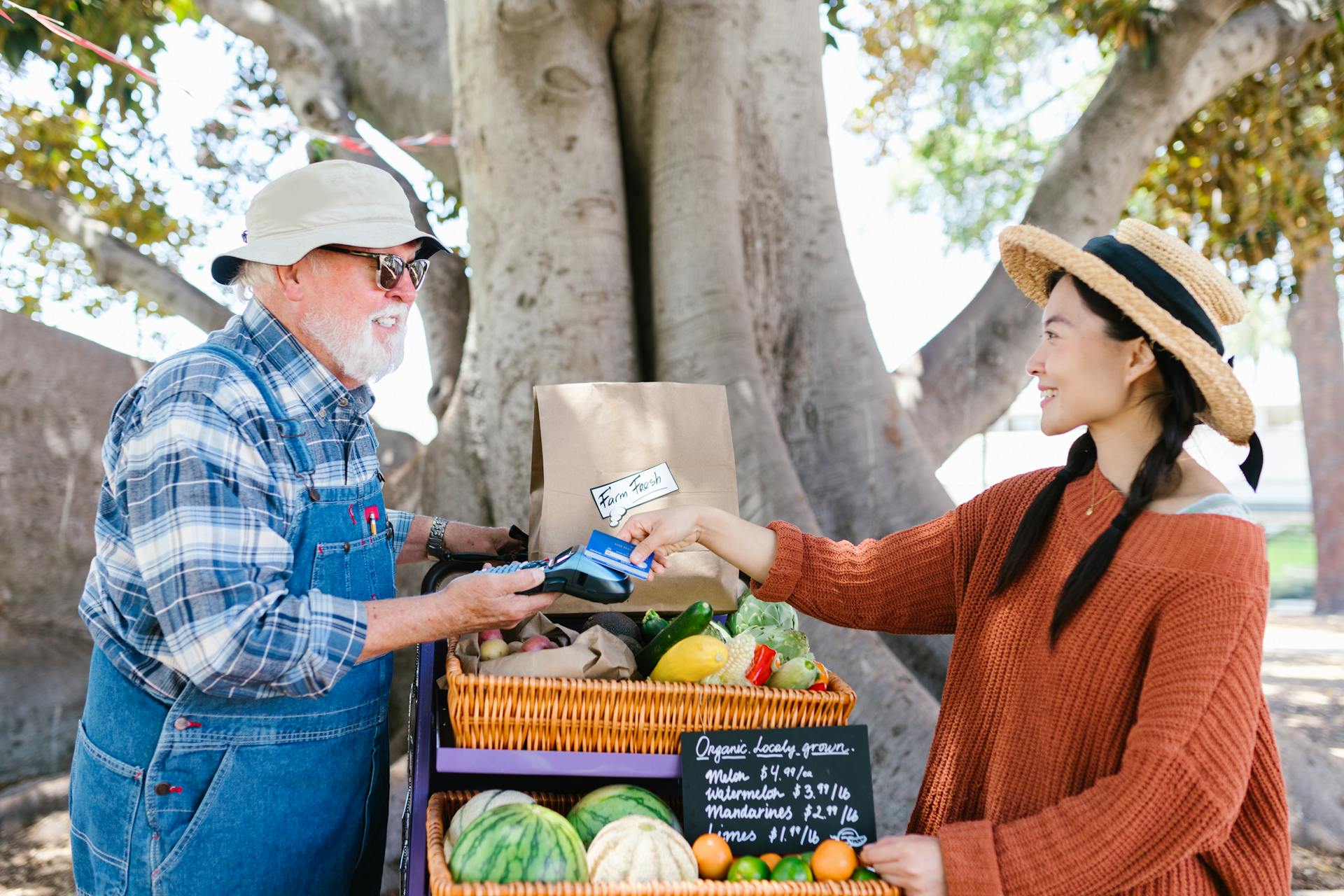
Security is crucial in the digital world, and consumers prefer payment methods with strong security features like encryption, authentication, and fraud protection.
Choosing systems with proven security protects both customer data and business reputation.
Payment information is sent to the processor fully secure and encrypted, handled by the chosen payment gateway or service provider.
Encryption for all data is essential, and customers expect a seamless experience with a gateway that blends seamlessly into your site.
Tokenization is a way of securing online payment information by creating a unique token that identifies the customer's information, protecting it from data theft.
Here's how tokenization works:
- It creates a token that identifies the customer's unique information.
- It protects the customer's information from data theft.
- It allows for customer information to be securely saved for a faster checkout the next time they place an order.
A secure payment processor has measures in place for fraud protection and denies suspect transactions, providing encryption for all data.
Costs and Fees
Costs and Fees are a crucial aspect of any payment system. Transaction fees can vary greatly between processors, so it's essential to compare fees across different systems, including currency conversion, transaction, and setup fees.
See what others are reading: Electronic Transaction Act Thailand
You'll typically pay a flat fee plus a percentage for each transaction, although some processors may charge a flat monthly rate instead. This can affect your profit margins and pricing strategy.
Disputed purchases, chargebacks, and credit card payments from different countries with different currencies can also incur additional fees. It's vital to consider these potential costs when choosing a payment processor.
Here's a breakdown of the typical fees you might encounter:
Fees can be a significant expense for businesses, which could be passed on to consumers. Credit card companies may charge high fees to businesses, and these costs can be substantial.
Popular Payment Gateways
Popular payment gateways play a crucial role in ecommerce payment systems, acting as intermediaries between the customer's payment information and the payment processor. They provide a secure and reliable way for customers to enter and submit payment information.
Payment gateways link the ecommerce site to the payment processor after collecting information, and they're like old-fashioned telephone operators who connect calls to the recipient. They encrypt the data to keep it secure for the company that processes the payment.
PayPal is a well-known payment processor that's been around since 1998, originally a brainchild of eBay. It has a wide global footprint and is widely adopted as an online payment platform for ecommerce businesses.
Stripe is another popular payment processing solution that offers customization and flexibility for accepting credit card payments. Its API gives larger and more tech-forward ecommerce stores the ability to customize Stripe's functionality.
BlueSnap is a globally-focused payment processing solution that charges per-transaction fees but not monthly fees or setup fees. It supports several prominent Chinese brands and services, including AliPay and China Union Pay.
Here are some key features of popular payment gateways:
Best Practices
To ensure a seamless and secure online shopping experience, it's essential to implement best practices for your ecommerce payment system.
Choose a payment gateway that supports multiple payment methods, such as credit cards, PayPal, and bank transfers, to cater to a wide range of customers. This can be seen in the example of a payment system that supports over 100 payment methods.
Here's an interesting read: Shop Pay Payment Methods
Regularly update your payment system to prevent security vulnerabilities and protect customer data. This is crucial to prevent data breaches and maintain customer trust.
Implement two-factor authentication to add an extra layer of security and prevent unauthorized transactions. By doing so, you can prevent 99% of cyber attacks, as seen in the example of a payment system that uses two-factor authentication.
Conduct regular security audits and penetration testing to identify and fix potential security issues before they become major problems. This proactive approach can help you stay ahead of potential threats and keep your customers' data safe.
Additional reading: Worldremit Customer Service -- Chat
7 Ways to Improve Response Times
Having a fast response time is crucial for great customer service. Nearly half of customers expect an email response from businesses in less than four hours.
You can't just hire more staff overnight, but there are ways to improve response times without breaking the bank. Meeting customer expectations regarding response time is often easier said than done.
Discover more: Customer Pay Shop Charge for Repair Order

Implementing an auto-response feature can help manage customer expectations by acknowledging their email and providing a timeline for a follow-up response. This helps set clear expectations and shows customers you value their time.
Prioritizing customer emails based on urgency can also help reduce response times. If your customer support team is struggling to keep up, this method can help them focus on the most critical issues first.
Automating routine tasks, such as responding to frequently asked questions, can free up staff to focus on more complex issues. This can help reduce the workload and improve overall efficiency.
Using a ticketing system can help streamline the process of responding to customer inquiries. This can help staff quickly identify and resolve issues, reducing overall response times.
Training staff to use templates and canned responses can also help speed up the response process. This can help staff quickly respond to common issues, reducing the time spent on each inquiry.
Intriguing read: How Do I Process Credit Card Payments
Track Order Status for Online Store
Tracking order status is crucial for building trust with your customers. Huge ecommerce vendors like Amazon have trained customers to track their online orders thoroughly.
You can create a simple order status template to save time and effort. For example, you can use a template that says: "Hey {Customer First Name}, great news: Your order has shipped! It will arrive on {delivery date}."
Offering real-time tracking data for purchases benefits both your customer and your business in five distinct ways. This means you can provide updates on order processing, shipping, and delivery.
You can customize your order status template to include tracking information. This will show your customers that you're keeping them informed and in the loop.
Recommended read: Walmart to Introduce Real-time Bank Payments for Online Purchases
Membership Renewals Template
Membership renewals, like payments, should be set up as automatic occurrences. However, it's helpful to remind a customer that a charge will hit their bank account soon.
To avoid tracking down non-payments and angry customers, send a reminder like this: "Hi, {Customer First Name} {Customer Last Name}! I'm {Your Name} from {Brand Name}. Your annual membership renewal is coming up on {date}. Your card on file will be charged on that day."
Automating membership renewals can save time and reduce stress, but it's essential to inform customers in advance to avoid any issues.
Essential Components
As a business owner, understanding the basics of ecommerce payment processing is crucial for making informed decisions about your online store.
Ecommerce payment processing can be broken down into three essential components that facilitate the money-transfer process.
Most people don't think about what goes on behind the scenes, but having a working knowledge of these components is vital for making decisions about payment options and ecommerce tech stack solutions.
The three essential components of ecommerce payment processing are what provide a basic framework for understanding the process.
These components operate behind the scenes, but become crucial once customers enter their payment information.
Business owners should have a sense of what goes into ecommerce payment processing to make informed decisions about their online store.
See what others are reading: Wix Credit Card Processing Fees
Frequently Asked Questions
What are the three types of payment systems?
There are three primary types of payment systems: Card-Based Payments, Digital Payments, and Bank Transfers. These payment systems offer various options for making transactions, from physical currency to digital wallets and direct account transfers.
What is an e-commerce transaction?
An e-commerce transaction is a digital exchange of funds for products or services through online platforms, such as websites or mobile apps. It's a secure and convenient way to buy and sell goods and services online.
Featured Images: pexels.com