
The East India Company has a rich and complex history that spans over 300 years. It was incorporated in 1600 by a royal charter granted by Queen Elizabeth I.
The company's early success was largely due to its monopoly on the spice trade, particularly pepper and textiles from India. This lucrative business model allowed the company to grow rapidly.
The East India Company's influence expanded significantly in the 18th century, with the company establishing its own army and taking control of several Indian territories.
History
The East India Company was founded on December 31, 1600, with a royal charter granted by Elizabeth I of England, giving it a monopoly on trade east of the Cape of Good Hope.
This charter was a significant turning point in the company's history, as it allowed the EIC to wage war and exercise sovereignty in the name of the English Crown.
The EIC's first envoy to the Mughal Empire was Sir Thomas Roe, who secured permission to set up a trading post at Surat in 1612.
Roe's efforts marked the beginning of the EIC's expansion into India, with the company establishing trading posts at Masulipatam and Madras in 1639-40.
The EIC's reach and power grew steadily, with the company setting up a base at Calcutta in 1690 and acquiring Bombay from the Portuguese in 1661.
The addition of Bombay came about when Charles II of England received it as a wedding gift, and he gave the EIC autonomy to conduct its affairs as it saw fit.
The EIC's transformation into a full-fledged empire began after the Battle of Plassey in 1757, where Robert Clive led the company to a decisive victory over the Nawab of Bengal.
Clive's victory gave the EIC broad taxation powers in Bengal, marking a seismic shift in the company's corporate mission from trade to tax collection.
In 1784, the British Parliament passed the India Act, which formally included the British government in ruling over the EIC's land holdings in India, effectively ending the company's governing power in India.
Intriguing read: Victory Bonds Ww1
Organization
The East India Company was a masterclass in organization, with a complex hierarchy that spanned multiple levels.
At its peak, the company had a president, a council of 24 members, and a governor-general who oversaw the entire operation.
Other Names Used for the Company
The East India Company had a few aliases throughout its history. Its formal name from 1600 to 1708 was Governor and Company of Merchants of London Trading into the East Indies.
The company's name changed to United Company of Merchants of England Trading to the East Indies from 1708 to 1873.
For more insights, see: British West Indies Dollar
The British Company
The British Company was a trading powerhouse that dominated the Indian subcontinent for centuries. It was incorporated by royal charter on December 31, 1600.
The East India Company, as it was formally known, started as a monopolistic trading body but eventually became involved in politics and controlled large parts of the Indian subcontinent from the early 18th century to the mid-19th century.
Its formal name from 1600 to 1708 was Governor and Company of Merchants of London Trading into the East Indies, and from 1708 to 1873 it was United Company of Merchants of England Trading to the East Indies.
The company ceased to exist as a legal entity in 1873, marking the end of its long and complex history.
Broaden your view: The Crash of 1873
Activities
The East India Company's early activities were a defining period in its history. The company was formed to participate in the East Indian spice trade, which had been a monopoly of Spain and Portugal until England's defeat of the Spanish Armada in 1588.
The company's military capabilities were significant, as it commanded its own army and met with opposition from the Dutch in the Dutch East Indies and the Portuguese. The Dutch virtually excluded company members from the East Indies after the Amboina Massacre in 1623.
The company's military defeat of the Portuguese in India in 1612 won them trading concessions from the Mughal Empire, allowing them to settle down to a trade in cotton and silk piece goods, indigo, and saltpeter, with spices from South India.
A unique perspective: Dutch East India Company
Early Activities
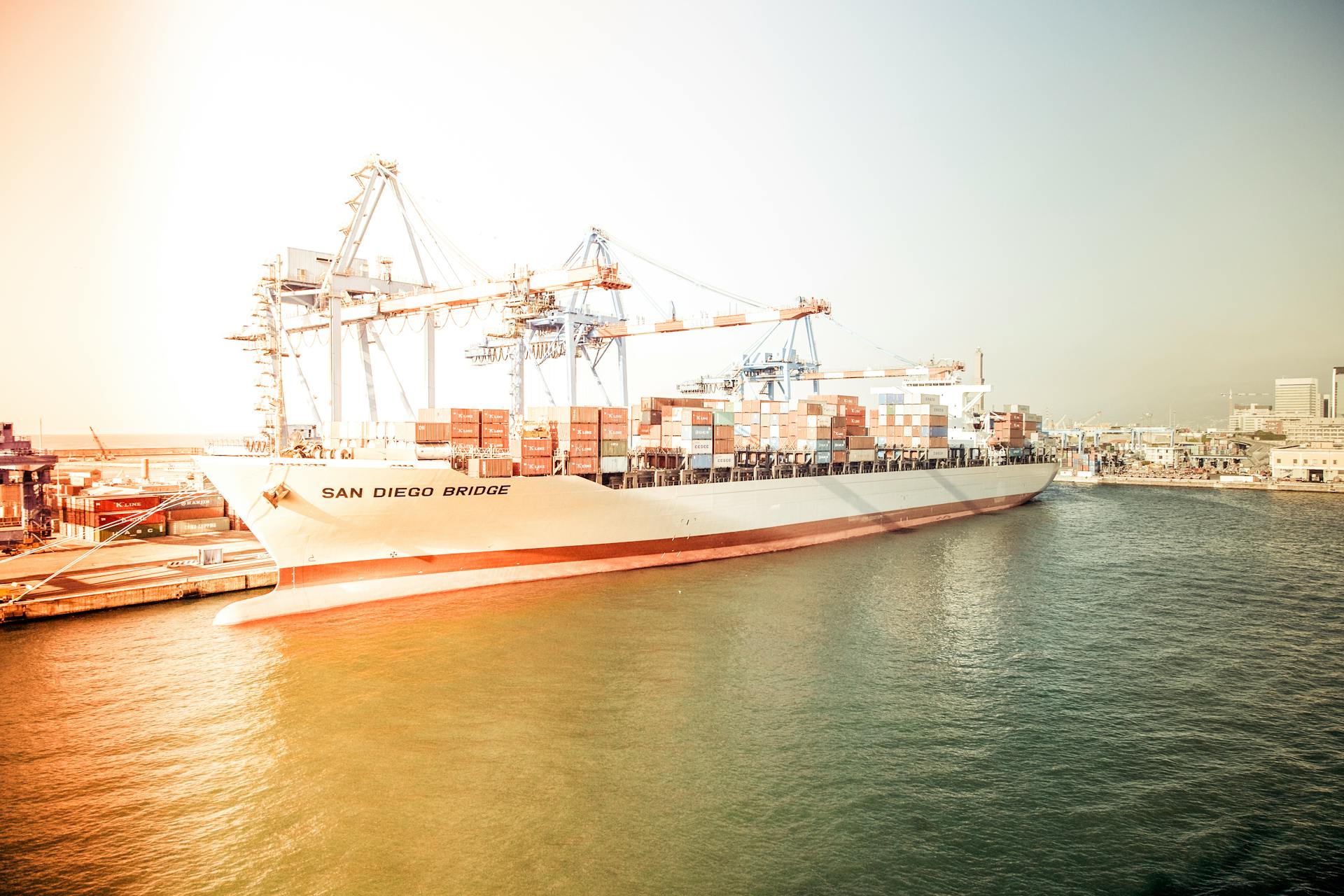
The company's early activities were shaped by its goal to break the Spanish and Portuguese monopoly on the East Indian spice trade. This monopoly was finally broken after England's defeat of the Spanish Armada in 1588.
The company initially conducted separate voyages, but in 1657, it raised a permanent joint stock. This move marked a significant shift in the company's operations.
The company's military might was put to the test as it faced opposition from the Dutch in the Dutch East Indies and the Portuguese. The Dutch virtually excluded company members from the East Indies after the Amboina Massacre in 1623.
However, the company's military defeat of the Portuguese in India in 1612 won them trading concessions from the Mughal Empire. This was a major turning point for the company.
In 1615, English diplomat Thomas Roe finalized a trade agreement with Mughal emperor Jahangir, securing the company's position in the region. The company went on to trade in cotton and silk piece goods, indigo, and saltpeter, with spices from South India.
The company's activities soon extended to the Persian Gulf, Southeast Asia, and East Asia, marking the beginning of its expansion into new markets.
Additional reading: Portuguese Escudo
Trade
The East India Company was formed to participate in the East Indian spice trade, a monopoly previously held by Spain and Portugal.
The company commanded its own army and met with opposition from the Dutch in the Dutch East Indies and the Portuguese. The Dutch virtually excluded company members from the East Indies after the Amboina Massacre in 1623.
In 1612, the company's military defeat of the Portuguese in India won them trading concessions from the Mughal Empire. This marked a significant turning point in the company's history.
The company settled down to a trade in cotton and silk piece goods, indigo, and saltpeter, with spices from South India. It extended its activities to the Persian Gulf, Southeast Asia, and East Asia.
The East India Company's trading activities in India required it to curry favor with local rulers and kings, including the powerful Mughul Empire.
For your interest: Portuguese Dinheiro
Control and Politics
The East India Company's control over India was a gradual process that began with the establishment of trading outposts and settlements. The company's first significant British community in India was formed in 1639 on the southeastern coast, which eventually developed into the city of Madras (now Chennai).
The company's transformation from a trading corporation to a colonial power began with the British victory in the Battle of Plassey in 1757, which gave them control of the lucrative and strategic region of Bengal. This victory marked the beginning of the company's expansion into the political affairs of India.
The territories directly controlled by the East India Company were organized into the presidencies of Bengal, Madras, and Bombay, with administrative power vested in governors of the presidencies.
Related reading: Victory Brewing Company
Control
The East India Company's control of India was a gradual process that began with the establishment of trading outposts and settlements. The company's first significant community in India was formed in 1639 on the southeastern coast, which eventually became the city of Madras (now Chennai).
The company's mercantile operations were based in Madras, but it was Calcutta (now Kolkata) in Bengal that became the center of the company's commercial and political power. The city was founded in 1690 and played a crucial role in the company's expansion into India.
For another approach, see: Company Whose Name Became a Verb in the 2020s Nyt
The company fought a series of wars with the French East India Company, which controlled significant portions of the southern and eastern regions. The British were able to gain ascendancy by exploiting the political chaos caused by the disintegration of the Mughal Empire beginning in the 1700s.
The company's transformation from a trading corporation to a colonial power began with the British victory in the Battle of Plassey in 1757. Company troops commanded by Robert Clive defeated the forces of Siraj al-Dawlah, gaining control of the lucrative and strategic region of Bengal.
The company's influence extended geographically, and acquired territory was formed into provinces, such as Punjab. Administrative power was vested first in governors of the presidencies, later in a single governor-general.
The princely states, principalities that formed a significant portion of the Indian subcontinent, were brought under indirect rule by strategic alliances. While the princely states were nominally autonomous, the rulers signed treaties agreeing to submit to the political authority of the company and granting it trade concessions.
The company's control of India was eventually consolidated through a series of military conquests, including the Mysore Wars, the Maratha Wars, and the Sikh Wars. The company's territories were organized into the presidencies of Bengal, Madras, and Bombay, with a single governor-general wielding significant power.
Additional reading: Countrywide Financial Political Loan Scandal
Role as Enslavers
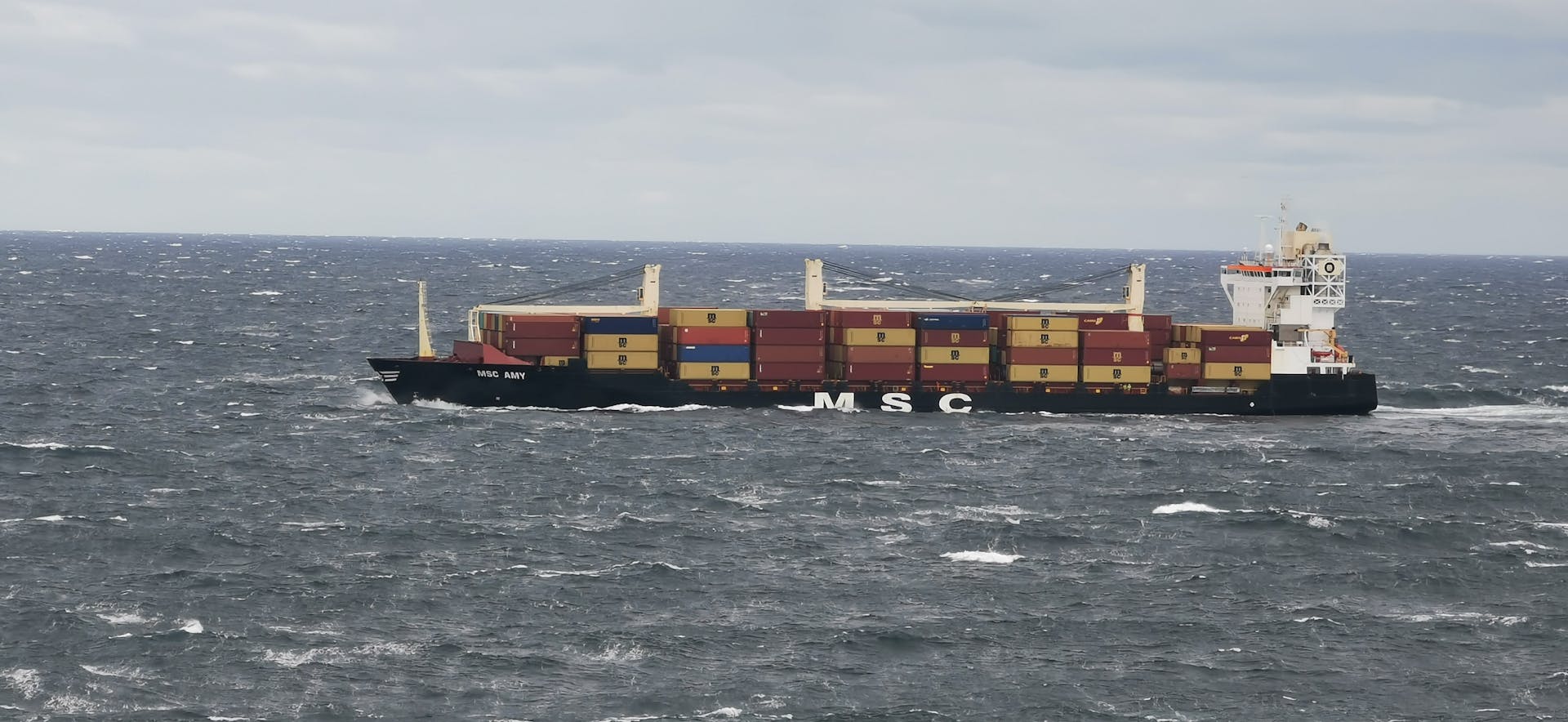
The East India Company played a significant role as enslavers, particularly in the 17th and 18th centuries. They began using slave labor in the early 1620s.
Many of those enslaved by the company came from East Africa, specifically from Mozambique or Madagascar. The majority of enslaved people were transported to the company's holdings in India and Indonesia.
Large-scale transportation of enslaved people by the company was prevalent from the 1730s to the early 1750s. This period saw a significant increase in the number of enslaved people being transported.
The company's involvement in the slave trade ended in the 1770s.
Recommended read: Slave Insurance in the United States
Impact and Regulation
The East India Company's impact on India was significant, with its economic policies draining the subcontinent of its wealth. The company's primary interest was commercial, and it centered its economic policies on trade and revenue collection.
The company's exploitative mercantile schemes and concessions destroyed Indigenous crafts and industries, such as textile manufacturing. This reduced India to the status of supplier of raw materials and consumer to the imported end product.
Ruinous levels of taxation impoverished India, with the land tax being particularly severe in the princely states. The company's harsh revenue policies are regarded as a direct cause of a famine that devastated Bengal in 1770.
Here's an interesting read: Sexual Harrasment Policies
Government Regulation
Government regulation played a significant role in the East India Company's decline. The Regulating Act of 1773 was a major turning point, as it established government control over the company's political policy.
This marked a shift in power from the company to the British government. The India Act of 1784 further solidified government control, effectively ending the company's autonomy.
The company's commercial monopoly was broken in 1813, a move that likely reduced its influence and profitability. From 1834, the East India Company was merely a managing agency for the British government of India.
Economic and Social Impact
The East India Company's economic policies had a devastating impact on India, draining the country of its wealth through exploitative trade and revenue collection schemes. The company was granted the right to collect revenue in Bengal, Bihar, and Orissa, which led to ruinous levels of taxation.
The land tax was particularly severe in the princely states, which had largely agrarian economies. This led to widespread poverty and even a famine that devastated Bengal in 1770.
The company's policies also destroyed indigenous crafts and industries, such as textile manufacturing, reducing India to a supplier of raw materials and a consumer of imported goods. This had a lasting impact on India's economy.
The East India Company's rule also brought about some positive changes, including the establishment of a unified judiciary and postal service. The construction of India's first railway line began in 1850.
The spread of Christianity and access to education, particularly through missionary activities, also had a significant impact on Indian society.
Notable Figures
The East India Company had its fair share of notable figures who played a significant role in shaping the company's history.
Robert Clive, a young and ambitious British army officer, is often credited with the East India Company's victory in the Battle of Plassey in 1757, marking a turning point in the company's expansion in India.
Clive's military tactics and leadership skills were instrumental in securing a significant victory for the company, which led to the establishment of British rule in India.
Recommended read: World War 2 Victory Bonds
The company's governor-general, Warren Hastings, was a key figure in the company's administration in India during the mid-18th century.
Hastings implemented various policies aimed at modernizing the company's administration and expanding its trade operations in India.
The East India Company's most famous governor-general, Lord Cornwallis, implemented a series of reforms aimed at improving the company's governance and reducing its debt.
Explore further: Governor of Bangladesh Bank
Frequently Asked Questions
Is East India Company still active in India?
No, the East India Company is no longer active in India, as it was dissolved in 1874 due to changes in the Government of India Act. Its dissolution marked the end of the company's power and influence in the region.
Which was bigger, the Dutch or the British East India Company?
The Dutch East India Company was significantly larger than the British East India Company, with the VOC carrying five times more tonnage of goods and operating a larger fleet. The VOC's dominance in the 16th-18th centuries was a key factor in its success.
Featured Images: pexels.com