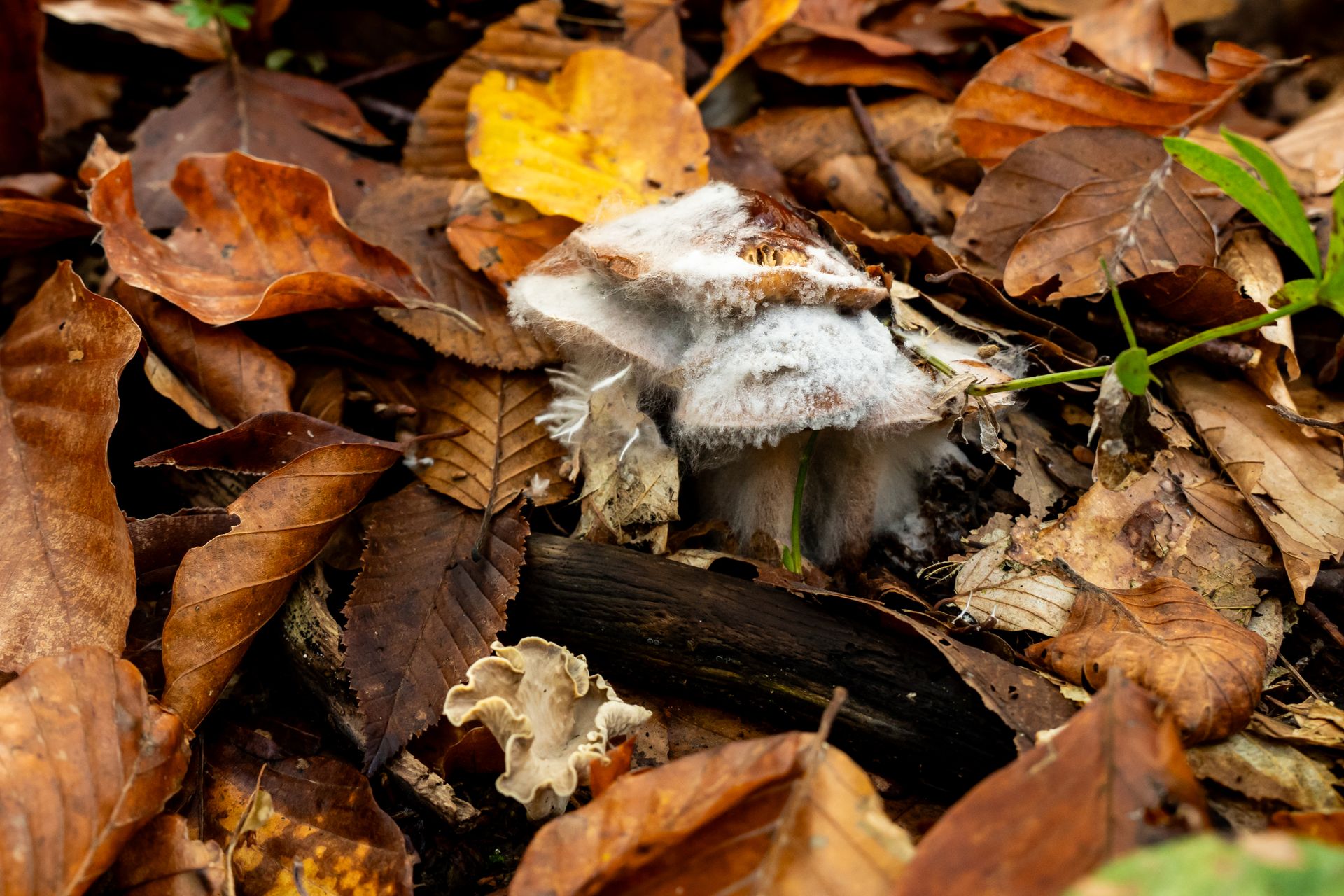
If you're dealing with mold damage in your home, you're probably wondering if your insurance will cover the costs. The answer depends on the type of mold and how it got there.
Typically, standard homeowners insurance policies don't cover mold damage caused by poor maintenance or neglect. However, some policies may cover mold damage caused by sudden events like a burst pipe or a roof leak.
In general, mold damage is only covered if it's a result of a sudden and accidental event, not a gradual process. This means if you've been letting water leak from your ceiling for months, your insurance won't cover the mold damage.
Some policies may also have specific exclusions for mold and mildew, so it's essential to review your policy carefully before filing a claim.
Expand your knowledge: All Perils Are Included in Homeowners Insurance Policies
Insurance Coverage
Insurance coverage for mold damage can be a bit tricky, but it's essential to understand what's covered and what's not. Your standard homeowners insurance policy likely excludes mold damage caused by flooding, but flood insurance policies may cover it if it results directly from a covered flood event.
Most home insurance policies don't cover mold damage unless it's a result of a covered peril, such as a burst pipe or a sudden and accidental water leak. However, some policies may have a special section dedicated specifically to mold, fungi, wet, and dry rot.
You can find out what's covered in your policy by checking the exclusions and coverages section. Look for language related to "water" and "mold" to see if it's included. Some policies may have a limit on the amount of coverage for mold damage, ranging from $1,000 to much higher, depending on the premium and specific endorsements added to the policy.
If you live in an area prone to humidity and water damage, consider adding additional mold coverage to your policy. Some insurance providers include coverage for mold resulting from water damage caused by hurricanes, but you'll need to demonstrate that the mold is a direct result of the insured event and that you took prompt action to mitigate the damage.
Here's a list of common examples of mold causing damage that can be covered under a homeowners policy:
- Frozen, damaged, leaking, or burst pipes
- Weight of snow, ice, and sleet
- Household appliance malfunctions
- Mold that may build up after a home fire
- Water and steam damage overflow from plumbing, heating, and air conditioning systems
If your policy doesn't cover the type of mold damage you're dealing with, you may need to pay a professional out of pocket for the cleanup. Before hiring a mitigation specialist, check their Better Business Bureau rating and read customer reviews to ensure they have a strong reputation.
Remediation and Prevention
Mold remediation can be a costly and time-consuming process, which is why it's essential to take proactive steps to prevent it from growing in the first place.
To prevent mold growth, you need to control moisture levels in your home. Mold can grow anywhere, including ceiling tiles and inside walls, so it's crucial to be vigilant.
Recognizing signs of mold is also critical. Mold can grow anywhere, including ceiling tiles and inside walls, so it's essential to keep an eye out for it.
If you do find mold, treat it immediately to prevent it from spreading and causing further damage.
A unique perspective: Does Home Insurance Cover Ceiling Damage
Possible Signs
If you suspect mold is growing inside your walls, you might notice a musty, damp smell inside your home. This is a common sign of mold growth.
Mold can cause an allergic reaction, which may manifest as a runny nose, itchy eyes, or nasal congestion. These symptoms may be more pronounced when you're at home.
Visible mold growth can appear in any color and may be a sign of a larger hidden issue.
Coverage and Exclusions
Home insurance policies generally cover mold damage if it's a result of sudden and accidental water leakage from plumbing, but not if it's a long-term condition. This means that if you have a burst pipe, your insurance policy will likely cover the resulting mold damage, but if you've had a slow leak for months, it's unlikely to be covered.
Mold damage from flooding or earthquakes is not covered by standard homeowners insurance policies. However, some insurance companies offer flood insurance policies that may cover mold damage if it's a direct result of a covered flood event.
Your home insurance policy may cover mold damage if it's caused by a "covered peril", such as a fire, lightning, or vandalism. These perils are typically listed in your policy, and if mold damage is a result of one of these events, it's likely to be covered.
Here are some examples of mold damage that may be covered by your home insurance policy:
- Mold resulting from a burst pipe
- Mold from a fire that's been extinguished with hose water
- Mold from a sudden and accidental leak or overflow of water from plumbing, heating, or air conditioning systems
- Mold from a windstorm or hail that damages your roof or walls
On the other hand, mold damage from neglect, such as a slow leak or poor ventilation, is not typically covered by home insurance policies. This includes mold damage from:
- Long-term plumbing leaks
- Poor indoor air circulation
- Prolonged condensation
- Unaddressed water leaks from old roofs
If you're unsure about whether your home insurance policy covers mold damage, it's essential to review your policy carefully and consider additional mold coverage if you live in an area prone to humidity and water damage.
Home Security and Maintenance
Home security and maintenance are crucial to preventing mold damage in the first place. Regularly inspecting your home's roof for damaged, missing, or loose shingles can help prevent water from seeping in.
Water damage from a burst pipe can occur in as little as 20 minutes, so it's essential to have a plan in place for emergency situations. This includes knowing how to shut off your home's main water supply valve.
A well-maintained HVAC system can also help prevent mold growth by reducing humidity levels in your home. Change your air filters regularly, and consider investing in a dehumidifier if you live in a humid climate.
Prevent and Treat Injuries at Home
Preventing injuries at home is crucial, just like preventing mold growth with moisture control. Moisture control is key, so fix any leaks and ensure good ventilation.
Slippery floors are a common hazard, and moisture is often the culprit. So, clean up spills immediately and dry floors thoroughly.
Related reading: Why Is Home Insurance so Expensive in Texas
Recognizing signs of mold can help prevent injuries, but it's also essential to recognize signs of poor home maintenance. A musty smell or water stains on ceilings are red flags.
Treating mold immediately can prevent further growth, and the same applies to addressing home maintenance issues. Don't wait for a small problem to become a big one.
Injuries can happen anywhere, just like mold can grow anywhere in your home. Keep an eye out for tripping hazards like clutter or uneven flooring.
Moisture control and good home maintenance can go a long way in preventing injuries and mold growth. Take care of these basics to keep your home safe and healthy.
Home Security
Keep an eye out for any signs of mold growth in your home, such as dark rings on the ceiling or walls. These can indicate water spots.
Keeping your home's humidity levels between 30 and 50 percent can help prevent mold growth. This is especially important since mold damage from high humidity is not covered by homeowners insurance.

Regularly cleaning out gutters is crucial to preventing water damage and mold growth. You should also check that air conditioning units are in good condition, cleaning coils and fixing any duct leaks.
Sealing air leaks around windows and doors is a simple way to decrease moisture levels in your home. Make sure to check for and repair any leaks in your pipes, windows, or roofs immediately.
Installing smart water sensors can alert you to the presence of any leaks in your pipes. This can help prevent water damage and mold growth.
Here are some simple ways to protect your home from mold:
- Keep indoor relative humidity between 30 and 50 percent.
- Clean out gutters regularly.
- Use exhaust fans when cooking and bathing.
- Seal air leaks around windows and doors to decrease moisture levels.
- Check that air conditioning units are in good condition, cleaning coils and fixing any duct leaks.
- Make sure water drains away from your home.
Filing a Claim
Filing a claim for mold damage can be a straightforward process, but it's essential to act quickly to begin mitigation promptly. File your claim as soon as possible, either online or by calling the insurance company's toll-free number.
To support your claim, take thorough documentation of the damage, including photographs and notes about the source of the moisture. Collect any evidence that can validate your claim, such as receipts for emergency repairs or professional water extraction services.
In Florida, where high humidity and storms are common, understanding your homeowners insurance policy's mold coverage is vital. If mold coverage is limited or excluded, consider purchasing additional endorsements to protect your property fully.
If your claim is denied or disputed, consult with an experienced mold damage attorney to explore your options for appeal and ensure your rights are upheld. They can help you navigate the complexities of filing a mold insurance claim and advocate for your needs.
Here are the key steps to follow when filing a claim:
- Document the damage thoroughly, including photographs and notes about the source of the moisture.
- Collect any evidence that can validate your claim, such as receipts for emergency repairs or professional water extraction services.
- Notify your insurer as soon as possible, as prompt reporting is often a condition for successful claims processing.
- Work with mold remediation experts and provide their assessment to the insurance company to further validate your claim.
Featured Images: pexels.com