
Homeowners insurance can be a lifesaver when unexpected events cause damage to your property. If you're wondering if homeowners insurance covers all types of fence damage, the answer is no.
Some types of fence damage are explicitly excluded from homeowners insurance policies. For example, damage caused by normal wear and tear or maintenance issues is usually not covered.
Fences that are damaged by natural disasters like hurricanes or wildfires may be covered, but only if the damage is a result of the disaster itself, not from pre-existing conditions. For instance, a fence that's already showing signs of rot or decay may not be covered if it's damaged further in a storm.
Homeowners insurance typically covers damage caused by accidents or vandalism, but only if the damage is sudden and unexpected.
Curious to learn more? Check out: What Homeowners Insurance Does Not Cover
Insurance Coverage
Insurance coverage for fence damage is a crucial aspect to consider. Most home insurance policies include coverage for other structures, such as fences, under Coverage B, also known as other structures coverage.
The limit on this coverage can vary, but often it's 10% of your policy's dwelling coverage (Coverage A). For example, if your policy's dwelling limit is $200,000, damage to your fence can be covered up to $20,000.
To be eligible for coverage, your fence must be damaged by a covered peril, such as a storm, and you must have maintained it with no negligence involved.
Floods and earthquakes are excluded from standard coverage, so your fence damage wouldn't be covered for either. Additionally, damage caused by mold, fungus, termite infestations, landscaping mishaps, or normal wear and tear to your fence is not covered.
Here are some key takeaways about insurance coverage for fence damage:
- Most policies pay actual cash value for fences, which means your company will deduct depreciation based on your home's age and condition.
- Wind and hail coverage is usually included in home policies, but you may need to purchase a separate policy or extra coverage if you use a structure on your property for business purposes.
- The amount of coverage you have for structures other than your main dwelling is usually capped at 10% of your total policy coverage.
- Flood coverage is not included in standard home policies, and you may need to purchase a separate flood policy from your insurance company or the National Flood Insurance Program.
Filing a Claim
To file a claim for fence damage, take pictures of the damage before cleaning up or moving anything. This will help prove the damage was due to natural causes, vandalism, or reckless driving. If the damage was caused by a tree, storm, or other event covered by your homeowners insurance policy, be sure to obtain an estimate for the cost of repairs.
The steps to file a claim vary by company, but you can typically get the ball rolling over the phone or by visiting your insurance company's website. Most companies let you do this by phone or online, and the agent will ask you a few questions about the damage to help determine if the repair cost is more than your deductible.
Here are the key steps to file a claim:
- Document the damage thoroughly with details of how the damage occurred.
- Don't move or clean up the damage (unless you need to for safety reasons).
- Provide multiple photos of the damage and, if possible, photos of the fence before the damage.
After the claim is filed, an insurance adjuster will assess the damage and determine what, if any, damage is covered. Make sure to meet with the adjuster to point out any damage they might miss, and provide your pictures and police report, if there is one.
Filing a Claim
To file a claim for fence damage, start by documenting the damage thoroughly. Take photos and record the time the incident occurred, as this will serve as proof of the event.
You may be required to get an estimate for the cost of repairs before filing a claim. This can help you determine if the repair cost is more than your deductible, making it worthwhile to move forward with your claim.
If you're unsure about the process, don't worry – most insurance companies have a step-by-step process that varies by company. You can typically get the ball rolling over the phone or by visiting their website.
Here are the steps to follow:
- Document the damage thoroughly with details of how the damage occurred.
- Don't move or clean up the damage (unless you need to for safety reasons).
- Provide multiple photos of the damage and, if possible, photos of the fence before the damage.
Once you've obtained an estimate and taken photos, contact your insurance company to file a claim. They'll ask you a few questions about the damage, including the nature of the damage, to help determine if the repair cost is more than your deductible.
You can also submit your claim online or by calling your insurance company's claims center. Be sure to take pictures of the damaged fence for your insurance before cleaning up, as this will help prove the damage was due to a covered peril.
Suggestion: Houston Casualty Company
If Your Is
You may be in for a shock if your insurer denies your claim, but don't worry, there's a process to follow.
You have the right to appeal the decision, and you should receive a written explanation of the denial.
Your insurer must provide you with a clear explanation of the reason for the denial, along with any relevant policy language.
You can also request a review of the decision by an independent third-party reviewer.
This reviewer will examine the facts of your case and make a new determination.
You can also seek the help of a public adjuster, who can advocate on your behalf.
A public adjuster can help you navigate the claims process and ensure that your rights are protected.
You can also file a complaint with your state's insurance department if you feel your insurer has acted unfairly.
Worth a look: What Does Public Storage Insurance Cover
Types of Damage
Vandalism can be a distressing situation for homeowners, and fortunately, your home insurance policy usually covers the damage. Whether a vandal spray paints your fence, takes a bat to it, or otherwise wreaks havoc on it, you can rest assured that your insurance will help you repair or replace it.
Some common types of damage include vandalism, which can range from minor scratches to complete destruction. Your home insurance policy is designed to protect you from these types of unexpected expenses.
For another approach, see: Does Homeowners Insurance Cover Vandalism
Storms or Vandalism
Storms or vandalism can cause significant damage to your fence, but fortunately, your home insurance policy may cover the costs. Your homeowners insurance will cover a vandalized fence, so if you catch the culprit in the act, be sure to file a police report.
Wind from a storm can knock down or damage your fence, and your insurance will cover the damage, up to your policy's limits. This means you won't have to shell out a fortune to repair or replace your fence.
Filing a police report is also a good idea if the damage was done by a person, rather than a storm or force of nature. This will help you get a clear understanding of what happened and may even lead to the perpetrator being held accountable.
Broaden your view: Does an Umbrella Policy Cover Auto Accidents
Termites
Termites can be a homeowner's worst nightmare. Termites damage your fence, and it's seldom covered by your home insurance.
Home insurance covers termites in just two unique situations. These are when a covered peril causes an infestation, or when an unknown termite infestation causes a sudden collapse.
If you don't maintain your property or ignore signs of a growing problem, termite infestations are more likely to appear.
Intriguing read: Does Homeowner Insurance Cover Termite Damage
Neighbor's Liability
If a neighbor's tree falls and damages your fence, your company will likely hold them accountable for the damage due to negligence. The neighbor may be responsible for paying the deductible, or in some cases, you and your neighbor may share the cost.
You'll need to file a claim with your insurance company, who may then look to your neighbor to recover the costs. It's a good idea to let your neighbor know that their tree requires maintenance to prevent future damage.
Cutting down or pruning the tree could save both you and your neighbor from a headache and potential repair costs.
Curious to learn more? Check out: Will Insurance Cover Covid Tests after May 11
Neighbor's Liability
Your neighbor's liability for damage to your property can be a complex issue. If a neighbor's old, rotting or diseased tree falls and damages your fence, they may be held accountable for the damage due to negligence.
If your neighbor's tree falls on your fence, you'll still have to file a claim with your insurance company. They may look to your neighbor (or their insurance) to recover the costs.
In some cases, a fence bordering a boundary line may make you and your neighbor equally responsible for the damage, with each of you paying half of the deductible for repairing the fence.
If this caught your attention, see: Does Homeowners Insurance Cover Fence Damage
Neighbor's Falls on You
If a neighbor's tree falls on your fence, your insurance company may cover the damage and hold your neighbor accountable. Some states consider a tree on the boundary line between properties to be the equal responsibility of both parties, so you and your neighbor may both be on the hook for the cost.
Your neighbor's home insurance may cover the damage if they neglected their trees to the point that they fell on your fence. The same goes for damage caused by a neighbor who is pruning their trees.
If a giant wind or heavy snow causes your neighbor's tree to fall on your fence, it's often a claim for your homeowners' policy. This means you'll need to file a claim with your insurance company.
Some states consider trees on property lines to be both property owners' responsibility, which means both you and your neighbor could end up bearing the cost. This can be a bit complicated, so it's essential to understand your state's laws and regulations.
If your neighbor's tree falls on your fence and it's due to their negligence, you may be able to file a claim on their home insurance. This can help you recover the costs of repairing or replacing your fence.
Recommended read: Does Homeowners Insurance Cover Tree Falling on Fence
Specific Scenarios
A car crashes into your fence, it's a nightmare scenario, but your insurance has got you covered. If the driver's insurance is involved, it's usually the better option because it keeps your home insurance costs low and may even earn you discounts.
If a tree falls on your fence due to a covered loss like a windstorm, your home insurance will likely help cover the cost to repair or replace it. The insurance will also cover the cost of removing enough of the tree to repair or replace the fence.
If your tree falls on your fence, it's likely covered by your homeowners' policy, unless your neglect or failure to maintain it caused the tree to fall. In that case, your claim may be denied.
Your neighbor's tree falling on your fence can get complicated. If they neglect their trees, you might be able to file a claim on their home insurance. But if a strong wind or heavy snow causes the tree to fall, it's usually a claim for your homeowners' policy.
Additional reading: Homeowners Insurance Cover Foundation Repair
Car Crash

A car crash into your fence can be a stressful situation. It's a good idea to check your insurance policy to see who is liable for the damages.
Your home insurance may cover the damages, but claiming the driver's auto insurance is often a better option because it can lower your home insurance costs. This is because fewer claims on your policy can make you eligible for discounts.
If you can't collect from the driver, your insurance policy will likely cover your claim.
Additional reading: Does Renters Insurance Cover Damages When Moving Out
Your Falls
Your tree falls on your fence, and you're wondering if your homeowners insurance will cover the damage. Yes, it will, as long as your policy doesn't exclude wind coverage and the tree was healthy before it fell.
If a healthy tree on your land falls onto your fence, your home insurance will cover the damage. However, if the tree was already weak from lack of maintenance or negligence, your insurer may choose not to cover the damage.
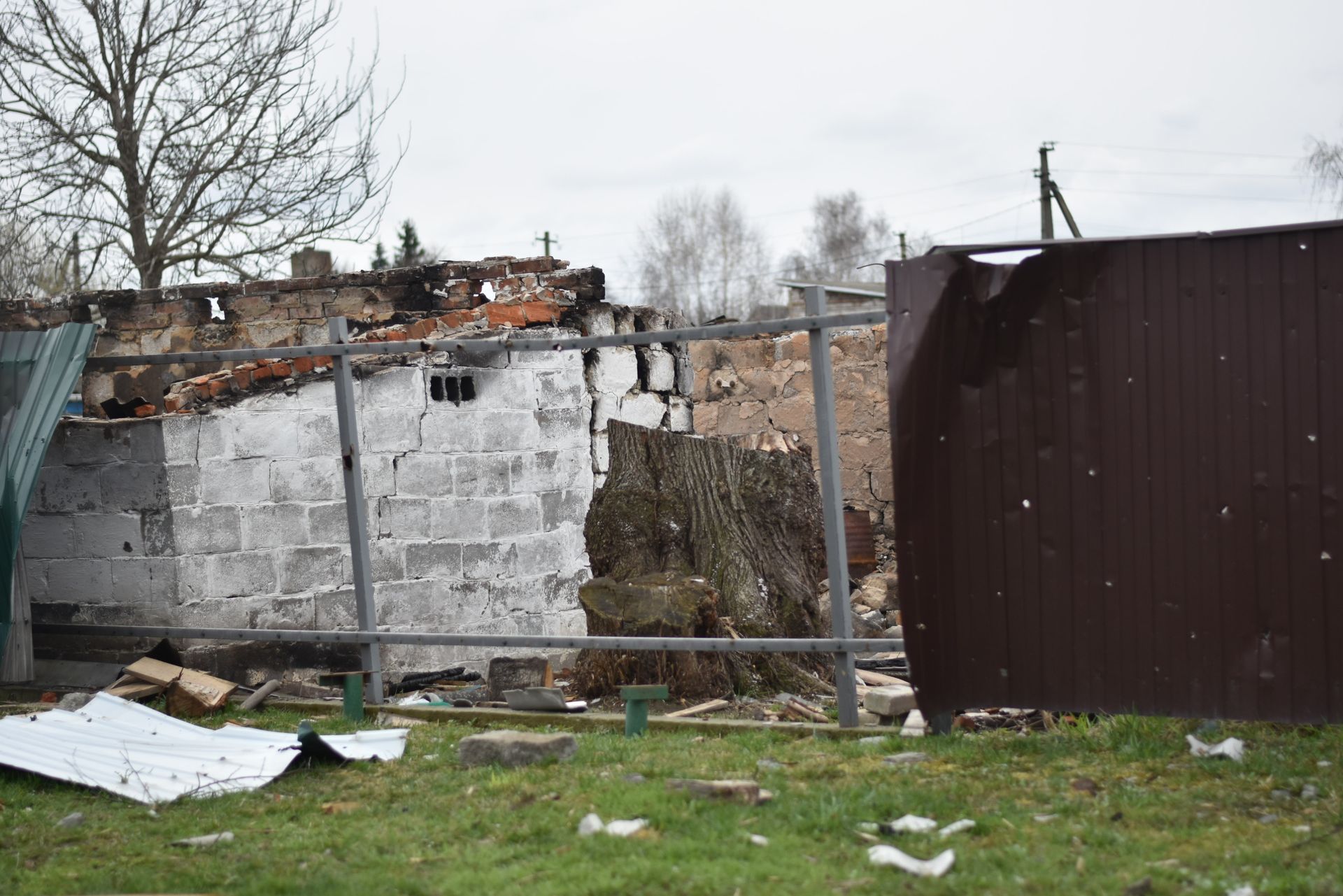
You should also be aware that if your tree falls on your fence due to a covered loss, like a windstorm, your insurance will typically help cover the cost to repair or replace it. This includes the cost of removing enough of the tree to repair or replace the fence.
If your tree is healthy but somehow falls on your fence and damages it, then your homeowners' policy likely covers the damage and possibly the cost of removing it. But if your neglect or failure to maintain it causes your tree to fall, then your claim may be denied.
Here's an interesting read: Does Homeowners Insurance Cover Brick Repair
General Information
Fence damage can be a costly and frustrating experience, but understanding what's covered by insurance can help alleviate some of the stress. Most states require drivers to have property damage liability coverage, so if your fence is damaged by a car accident, the at-fault driver's insurance may cover the damage.
In the United States, all states but New Hampshire require drivers to have property damage liability coverage.
Your homeowners policy may also cover fence damage, but you'll need to meet your deductible before coverage kicks in. Coverage is based on how the fence damage happened, up to the policy's limits.
Suggestion: 1 Million Umbrella Policy Cost
What is Not Covered?
Floods and earthquakes aren't covered under standard homeowners insurance policies, so you'll need to purchase separate flood insurance or earthquake insurance if you live in an area prone to these natural disasters.
Damage caused by mold, fungus, termite infestations, landscaping mishaps, or normal wear and tear on your fence is also not covered by standard home insurance.
The amount of coverage for structures other than your main dwelling is usually capped at 10% of your total policy coverage, so if you have $200,000 of coverage on your house, the insurance company would reimburse a maximum of $20,000 for "other structures."
If you've been negligent in maintaining your fence, you won't be covered for damage caused by your own actions.
A different take: How Does T Mobile Insurance Work
Home Cover Any Situation
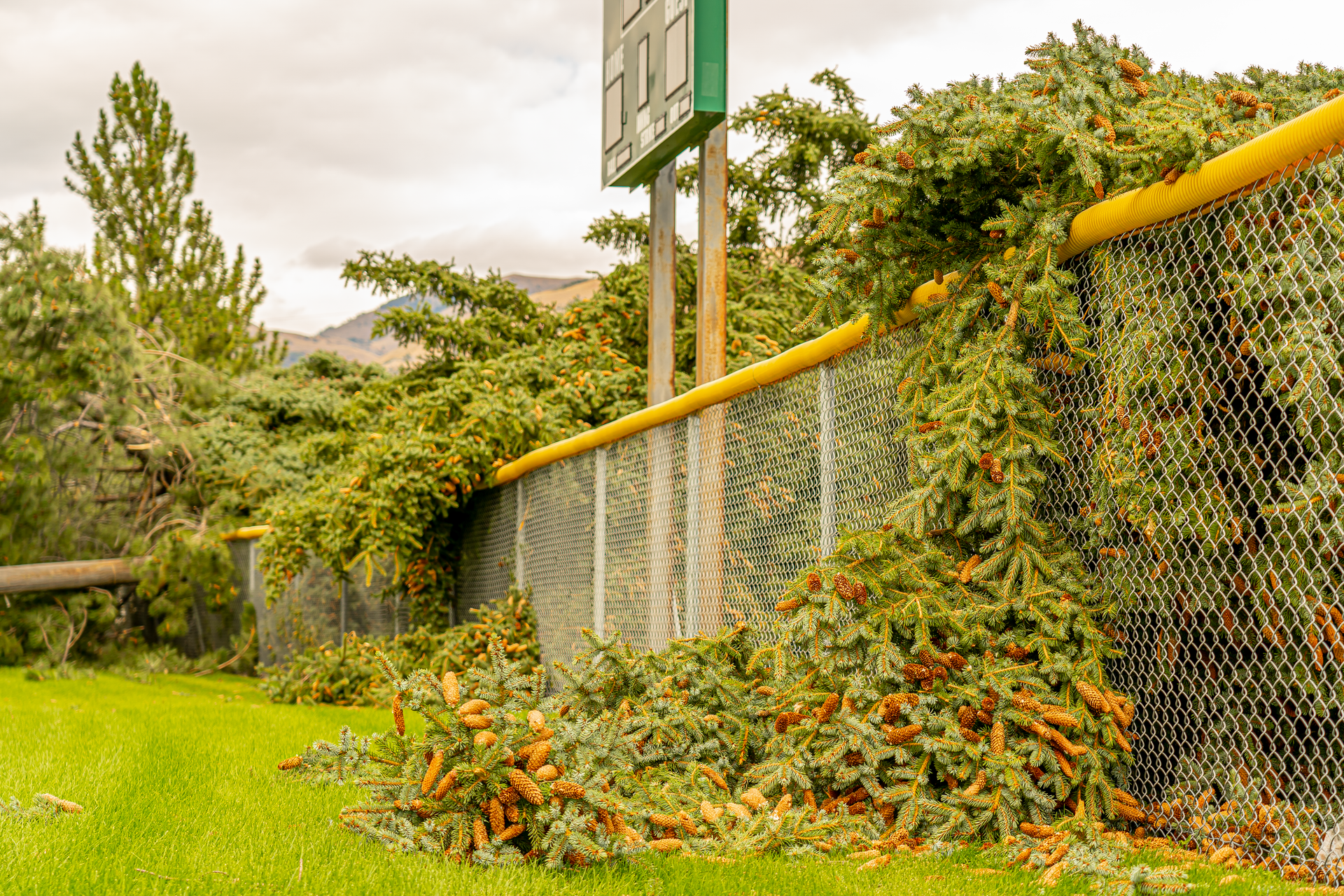
Home insurance can cover fences in various situations, but it's essential to understand what's covered and what's not. Most policies define "other structures" as structures not attached to your house, which includes fences.
If your fence is damaged by a covered peril, such as vandalism or a storm, your policy may pay for the damage. However, if your fence is damaged from a storm and your policy excludes wind coverage, you may not be protected.
Your home policy pays for the same types of damage to structures as it does for your house, including fire, hail, theft, or sudden and accidental water damage. However, most home policies don't cover damage caused by floods, so you'll need to talk to your insurance agent about getting a flood policy.
If you live in Texas, you may have wind and hail coverage in your home policy, but if you live on the coast, you can get coverage from the Texas Windstorm Insurance Association.
See what others are reading: Errors and Omissions Insurance Texas
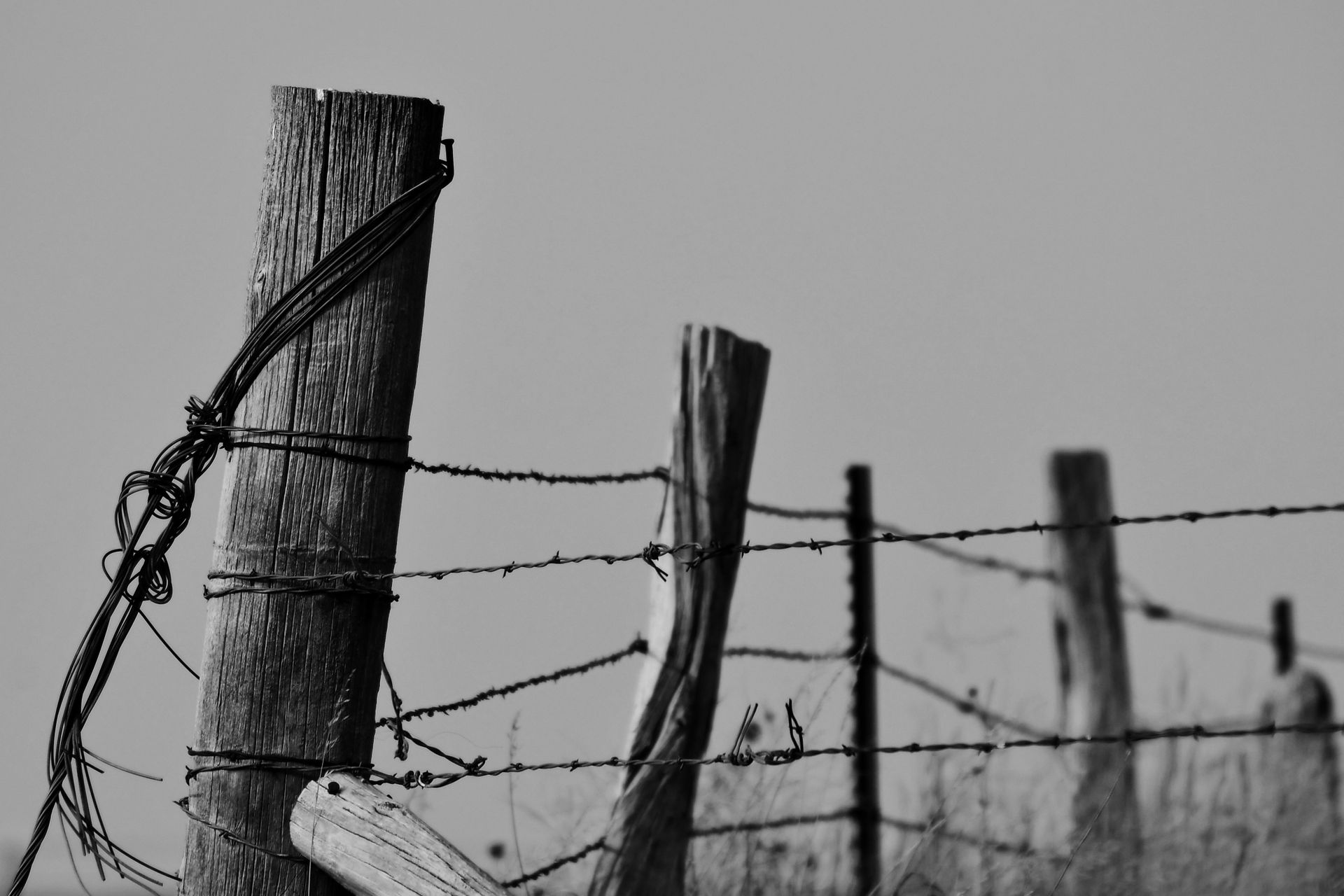
Here are some common situations where your fence damage should be covered by homeowners insurance:
• Vandalism
• Storms (if your policy includes wind coverage)
• Fire
• Hail
• Theft
• Sudden and accidental water damage
However, there are some situations where your fence damage won't be covered, including:
• Floods
• Damage caused by mold, fungus, or termite infestations
• Normal wear and tear
• Damage caused by ice or snow (unless your house collapses on the fence)
• Damage caused by landscaping mishaps
See what others are reading: Does Homeowners Insurance Cover Damage Caused by a Contractor
Featured Images: pexels.com