
If you're considering getting false teeth, you're probably wondering if insurance will cover the cost. The good news is that some insurance plans do cover part of the expense, but the specifics can vary greatly depending on your policy.
Most dental insurance plans will cover some portion of the cost of dentures, but it's essential to check your policy to see what's included. Some plans may cover up to 50% of the cost, while others might only cover a portion of the materials or labor.
In general, insurance plans will cover more of the cost if you need dentures due to an accident or injury, rather than due to tooth decay or gum disease.
Insurance Coverage
Insurance coverage for false teeth can be a bit confusing, but I'm here to break it down for you. Some insurance companies, like Aflac, offer network dental insurance plans that cover major services, including dentures. These plans can provide full coverage, but be aware that you may be subject to a waiting period of up to 24 months.
If you have a full dental insurance policy, it usually includes restorative coverage, which means that some or all of your dentures will be covered by the insurance. In most cases, the plan will cover about 50% of the cost of the dentures. You'll still have to pay regular deductibles and copays, though.
Some employer dental packages provide lower monthly costs, but they don't include restorative coverage, so you'd have to pay the entire cost of the dentures yourself. Many insurance companies have waiting periods that apply to new patients, which can range from six months to a year.
Here are some key things to keep in mind about insurance coverage for dentures:
- Check your policy documents or call your insurance company to see what's covered.
- Look for restorative coverage, which typically covers up to 50% of the cost.
- Be aware of waiting periods and annual limits that may impact your coverage.
- Some insurance plans may consider dentures cosmetic procedures, limiting your coverage options.
Cost and Planning
Dentures can cost anywhere from $1,600 to $2,000 per piece without dental insurance, depending on the type of denture and your location.
Full dentures can cost up to $3,500, while partial dentures can range from $450 to $3,100. Traditional full dentures typically cost around $1,800, while resin base partial dentures average around $1,500.
If you have Medicaid, you'll need to explore alternative options for financing dentures, as Medicaid doesn't cover the cost. You may want to consider switching to a different insurance company or signing up for a dental discount plan.
Here's a breakdown of average costs and cost ranges for full and partial dentures by type:
With dental insurance, you can expect to save around 50% of the cost of major services like dentures. However, the exact amount you pay will depend on your plan's annual maximum benefit, deductibles, and whether your dentist is in-network.
Cost
Cost can be a major concern when it comes to getting dentures. The cost of dentures without insurance can range from $1,600 to $3,500 per piece, depending on the type and material used.
The cost of full dentures can vary greatly, with traditional dentures averaging $1,800 and costing between $1,000 and $3,000. Intermediate dentures are slightly more expensive, averaging $1,900 and costing between $1,000 and $3,500. Interim dentures are the least expensive option, averaging $900 and costing between $300 and $2,000.
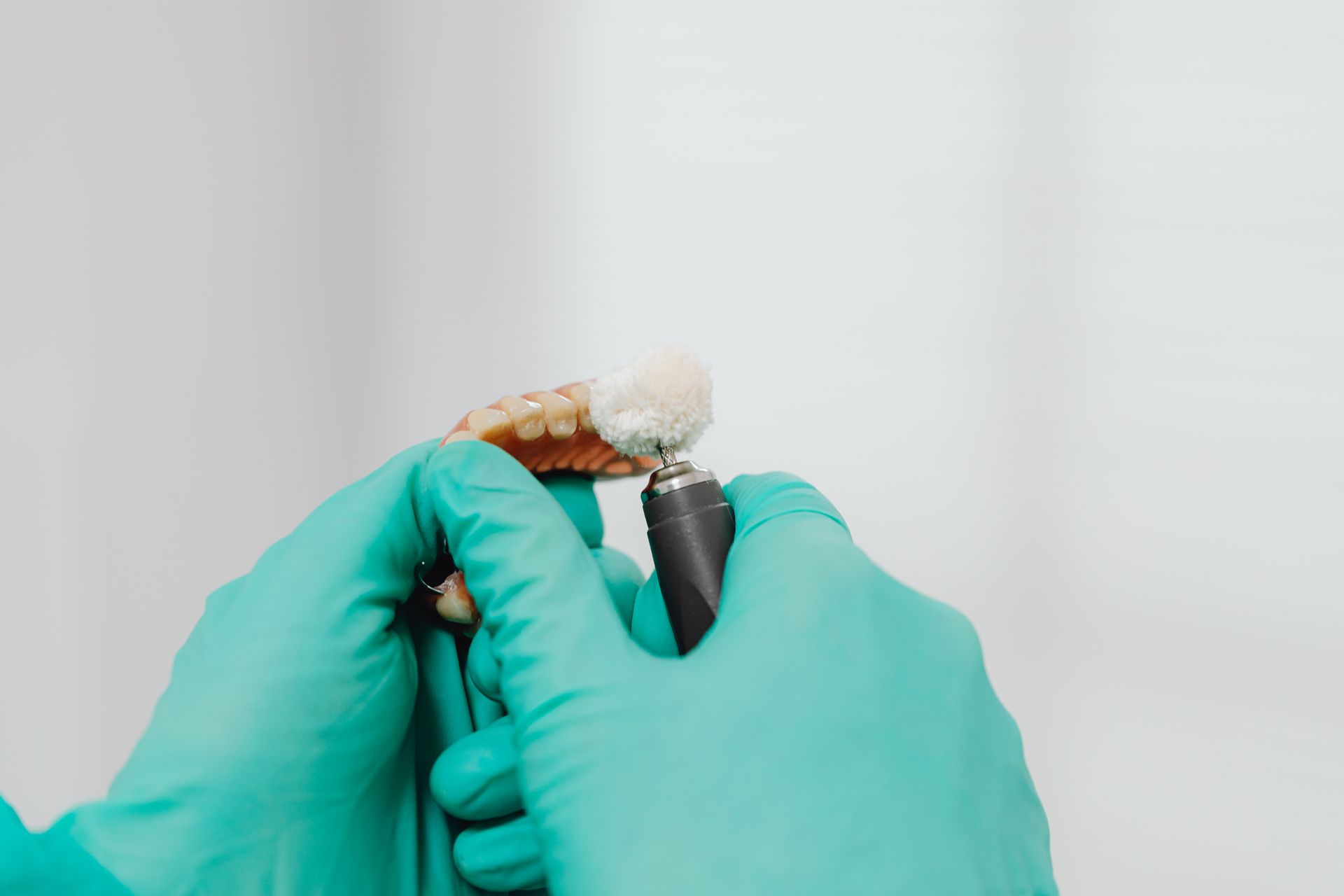
Partial dentures also come in different types and costs. Resin base partial dentures average $1,500 and cost between $800 and $2,700. Metal cast partial dentures are more expensive, averaging $2,000 and costing between $1,300 and $3,100. Flexible partial dentures are a good middle ground, averaging $1,700 and costing between $900 and $2,500.
Extractions may also be necessary before getting dentures, and these can cost anywhere from $200 to $700. Your location and the dental clinic you choose can also impact the cost of dentures.
Some dental insurance plans may cover 50% of the cost of major services like dentures, which can save you up to $1,750 on a $3,500 treatment. However, the exact amount you pay can vary depending on your plan's annual maximum benefit, deductibles, and whether your dentist is in-network.
If you have Medicaid, you may not be covered for dentures at all, and you may need to look into alternative plans or discount options. Even with insurance, you may need to wait a few months to a year before getting coverage for dentures.
For your interest: How Much Does Dental Insurance Cover for Wisdom Teeth Removal
Planning for
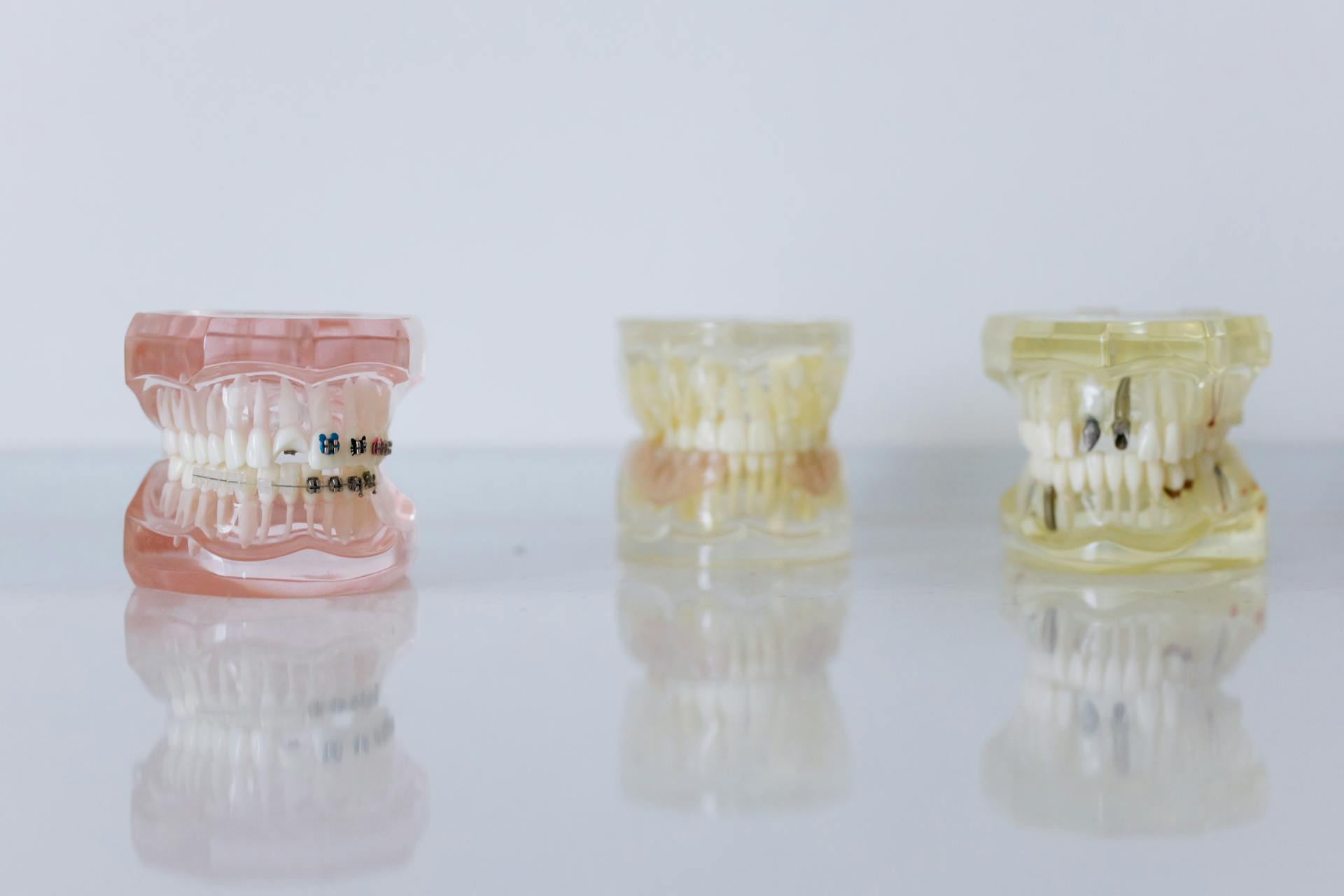
Planning for dentures can be a complex process, but understanding the reasons behind it can make things clearer. If your current natural teeth are causing medical issues, it may be time to consider dentures.
You've likely experienced dental problems if you've had to deal with trauma to your teeth. This can be a painful and frustrating experience, but it's a common reason for needing dentures.
Accidents can also lead to missing teeth, which may require dentures to restore your smile and dental function.
To give you a better idea of when dentures might be necessary, here are some common scenarios:
- Current natural teeth are causing medical issues
- You’ve experienced trauma to your teeth
- An accident leading to missing teeth
Medicaid & Denture Costs
Medicaid does not cover the cost of dentures. This means that if you have Medicaid, you'll need to explore other options to pay for dentures.
Typically, dentures can cost anywhere from $2,500 to $3,500. Your insurance company may cover about half of the cost, but you'll still need to pay the remaining amount.
If you're struggling to pay for dentures, you may want to consider a dental discount plan. These plans can help you save money on dental work, including dentures.
Here are some average costs for dentures without insurance:
Keep in mind that these costs are just estimates, and your actual cost may vary depending on your location and the type of dentures you need.
Understanding Your Options
If you're wondering whether insurance covers false teeth, it's essential to talk to a professional about your options. They can help you understand the facts and find the best dental coverage for your needs.
You may need to choose a dentist within an HMO's network to receive coverage, or opt for a PPO that gives you more freedom to choose your dentist.
Aflac offers network dental insurance plans that cover major services, including dentures, with various coverage levels available. Be aware that you may have to wait up to 24 months for coverage to kick in.
Additional reading: Does Delta Dental Insurance Cover Teeth Whitening
Full dental insurance policies usually include restorative coverage, which means some or all of your dentures will be covered. However, you'll still have to pay deductibles and copays, making the cost substantial.
Some employer dental packages provide lower monthly costs but don't include restorative coverage, so you'll have to pay the entire cost of dentures yourself.
Many insurance companies have waiting periods that can range from six months to a year, during which time they won't cover the cost of dentures.
Denture Coverage Essentials
Denture coverage can be a bit of a mystery, but we're here to break it down for you. Aflac offers network dental insurance plans that cover major services, including dentures, but you may be subject to a waiting period of up to 24 months.
Some insurance plans cover dentures partially, with the plan covering about 50% of the cost. You'll still have to pay regular deductibles and copays, so the cost is still substantial.
It's essential to check with your insurance provider to see what's covered, as each plan is different. Look through your policy documents or call your insurance company to get the most thorough answer.
Some insurance companies have waiting periods that range from six months to a year, during which time the insurance won't cover the cost of dentures. After that time period, they will.
Not all insurance plans include restorative coverage, which means you'd have to pay the entire cost of the dentures yourself. Some employer dental packages provide lower monthly costs, but they don't include restorative coverage.
You can also check with your dentist to see if they offer a payment plan to help you manage the costs if you need to pay it all yourself.
Restorative and Insurance
Dentures fall under the umbrella of "major care" in most dental insurance plans.
Restorative coverage typically covers up to 50% of the cost of dentures, leaving you to pay the other 50% plus any applicable co-pay.
Many patients are unaware of the details of their plan, including what procedures will be covered and to what extent.
Your insurer's member services department can provide information on whether your dental insurance covers the cost of dentures.
A waiting period of up to 24 months may apply before your insurance covers the cost of dentures.
Some dental plans have an annual limit for coverage, which may be as low as $1,000 and include other dental expenses.
You should check your policy documents or call your insurance company to determine the specifics of your coverage.
A different take: Life Insurance That Covers an Insured's Whole Life
Insurance
Insurance can be a complex and confusing topic, but I'm here to break it down for you in simple terms.
If you have a full dental insurance policy, it usually includes restorative coverage, which means some or all of your dentures may be covered by the insurance.
Many dental insurance plans cover 50% of the cost of major services like dentures, but the exact amount you pay can vary depending on your plan's annual maximum benefit, deductibles, and whether your dentist is in-network.
You can expect to pay regular deductibles and copays, so the cost is still likely to be substantial for you.
Some employer dental packages provide lower monthly costs, but they don't include restorative coverage, so you'd have to pay the entire cost of the dentures yourself.
It's essential to check with your specific insurance provider to see what's covered, including any limits and work you've already had done that may change your coverage.
A good place to start is by looking through your policy documents or calling your insurance company and speaking with a representative.
You can also speak with your dentist to see if they offer a payment plan to help you manage the costs if you need to pay it all yourself.
Here's a list of key things to consider when it comes to insurance and dentures:
- Check if your insurance includes restorative coverage
- Understand your plan's annual maximum benefit, deductibles, and copays
- Ask about any waiting periods or limits on coverage
- Check with your dentist about payment plans or financing options
Some insurance companies have waiting periods that apply to new patients, which can range from six months to a year. During this time, the insurance won't cover the cost of the dentures, but after that time period, they will.
If you don't have the means to pay for dentures, you may want to consider switching to a different insurance company or signing up for a dental discount plan.
Medicaid does not cover the cost of dentures, so you'll need to explore other options, such as a dental discount plan or financing options.
Remember to ask your dental office about any plans they may offer, and don't hesitate to reach out to your insurance provider or a dental representative for more information.
What If My Insurance?
If your dental insurance plan doesn't cover dentures, you might feel like you're stuck between a rock and a hard place.
You can ask your employer when the next open enrollment window is and explore other companies that provide better dental coverage for dentures. This might be a good opportunity to switch to a plan that covers the cost of dentures.
If you're not covered by your employer, you can consider buying individual coverage. This might save you money in the long run, even if it costs more upfront.
The cost of dentures without insurance can be steep, ranging from $450 to $3,500 for full dentures and $800 to $3,100 for partial dentures. Here's a breakdown of the average costs for different types of dentures:
Extractions may also be necessary before dentures can be placed, which can cost anywhere from $200 to $700.
Frequently Asked Questions
How often should a person get new dentures?
Most dentures last 7 to 10 years and may need to be replaced or relined by your dentist as needed. Regular check-ups with your dentist will help determine when it's time for new dentures.
Featured Images: pexels.com