
Homeowners insurance can be a lifesaver in the event of a roof leak from rain, but it's essential to understand what's covered and what's not. Typically, standard homeowners insurance policies cover damage to your home's interior, such as walls, ceilings, and floors, caused by a roof leak.
Most policies also cover the cost of temporary repairs, like tarps or emergency roof patches, to prevent further damage. This can be a huge relief, especially if you're dealing with a sudden and unexpected leak.
However, it's crucial to note that damage to your home's exterior, such as the roof itself, is usually not covered under standard homeowners insurance. This means you'll need to pay out of pocket for repairs or replacements.
Worth a look: Household Insurance Cover
Does Homeowners Insurance Cover Roof Leaks?
Homeowners insurance typically covers roof leaks caused by sudden accidents or covered perils, such as hailstorms, windstorms, or falling objects. However, if the leak is due to wear and tear or poor maintenance, you'll likely have to pay for the damage yourself.
A covered peril on your policy could include damage from a storm that knocks down a tree and puts a hole in your roof. If that's the case, the repairs will likely be covered.
Your insurance company will deny claims for gradual wear and tear or lack of maintenance, so if years of weather have worn down your shingles and your roof springs a leak, you may have to pay for the damage yourself.
Check your policy's declaration page to see which perils are covered or excluded. Most homeowners insurance policies cover an "open peril" list, which includes damage from sudden accidents, such as fire, explosions, and theft.
Here are some common perils covered by standard homeowners insurance policies:
Keep in mind that some perils, such as floods, are typically excluded from home insurance policies, and you may need to add an endorsement to your policy to cover them.
Understanding Your Policy
Understanding your policy is crucial when dealing with roof leaks from rain. Dwelling coverage on a standard homeowners insurance policy may pay out for costs to repair or replace your leaking roof.
Homeowners insurance typically pays for repair or replacement of your leaking roof when damage is caused by perils such as rain or snow. However, it won't cover damage from general wear and tear.
Your policy's personal property coverage may pay to repair your personal items damaged by the leak, such as furniture and electronics. This can be a huge relief if your belongings are affected by the leak.
Homeowners insurance typically won't cover roof leaks that result from damage caused by animals. So, if a squirrel or raccoon causes the leak, you might be on your own.
You might enjoy: Personal Property Insurance Claim
File Claim
If you've determined that your homeowners insurance covers roof leaks from rain, the next step is to file a claim. This typically involves contacting your insurance provider as soon as possible, as many companies have specific timeframes for reporting claims.
Notify your insurance provider about the roof leak and water damage, and they will guide you through the claims process and provide the necessary forms and information. Be prepared to provide detailed documentation, including photos and videos of the damage.
To increase the likelihood of a successful claim, it's essential to work with a good contractor who can provide detailed, itemized estimates for insurance purposes. They can also help identify all damage for your claim and meet with the insurance adjuster to point out damage.
Here's a checklist of what you'll need to submit with your claim:
- Photos and videos of the damage
- Receipts for any temporary repairs made
- Relevant correspondence with roofing contractors or professionals
Filing a claim may trigger a premium increase when you renew your policy, so it's essential to weigh the costs and benefits. Unless your repair costs are much higher than your deductible, it might cost less over the long term to pay for the repairs yourself.
Roof Repair and Replacement
Homeowners insurance may cover the expense of replacing a roof that's been damaged by leaks due to covered perils like snow and rain damage. However, general wear and tear is not covered, so a new roof wouldn't be covered just because it's time to replace the old one.
If your roof is relatively new (less than 15 years old for asphalt shingles), the damage is confined to a small area, and the underlying structure is sound, repair might be a better option than replacement. This is especially true if the same shingle type and color are still available.
Here are some factors to consider when deciding between repair and replacement:
Actual vs Replacement Value
If your roof is damaged and you need to file a claim, it's essential to understand how your policy treats roof damage. Some insurance companies use Actual Cash Value (ACV) coverage, which takes depreciation into account.
ACV takes into account the age and condition of your roof. For example, if your 20-year-old roof is damaged and has a 25-year expected lifespan, the insurance company might only pay 20% of the cost to replace it because it's already 80% depreciated.
Insurance companies have moved toward ACV coverage for roofs, especially for older roofs, as a way to limit their exposure to costly roof claims. Some policies may also have age-based restrictions, where roofs older than a certain age (commonly 15-20 years) automatically default to ACV coverage.
Worth a look: Does Insurance Cover Landslides
On the other hand, Replacement Cost Value (RCV) coverage covers the full cost to replace your damaged roof with a new one of similar quality, without factoring in depreciation.
Here's a comparison of ACV and RCV:
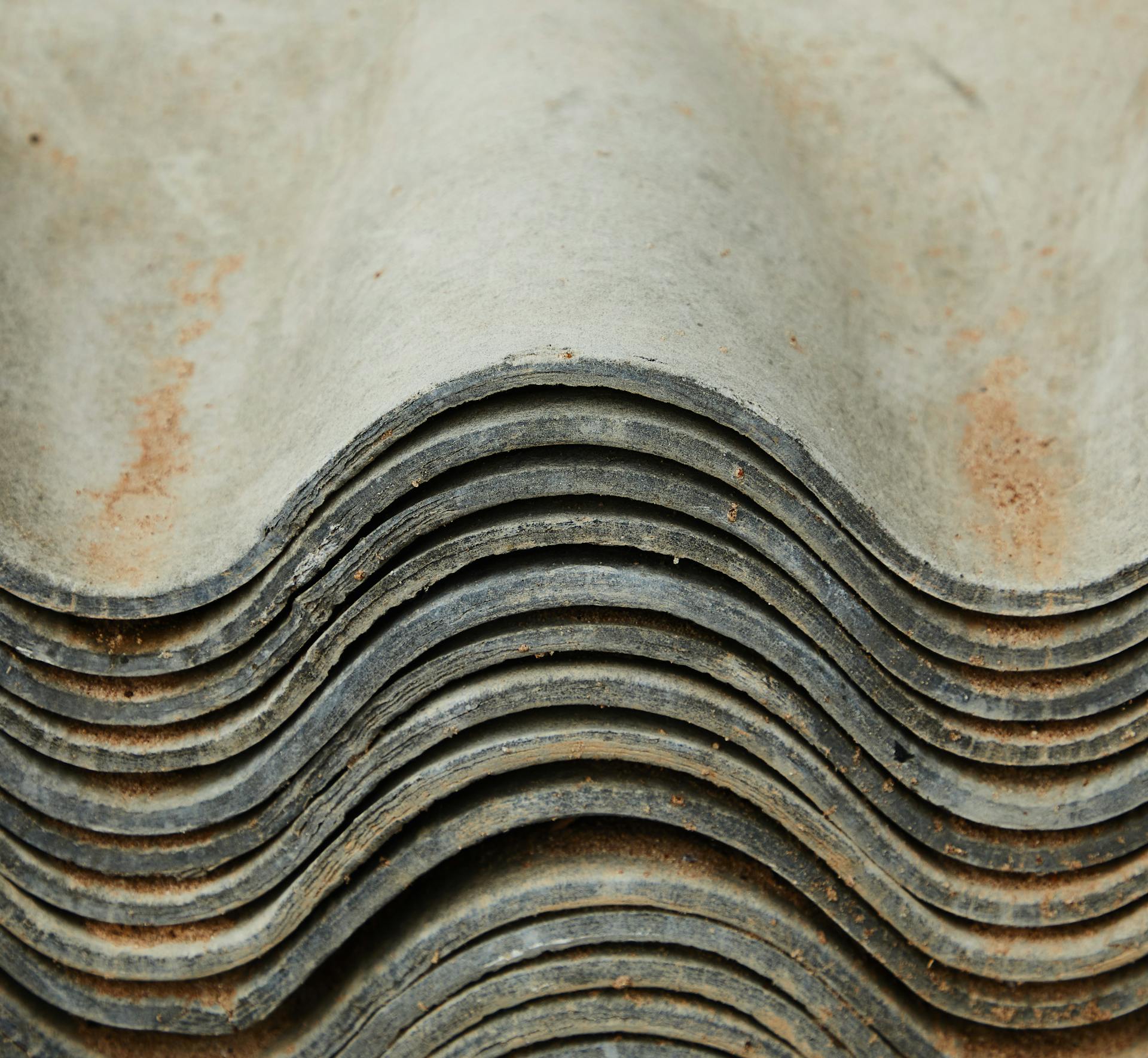
Tile or Slate
Tile or Slate roofing can last for 50-100+ years, making it a durable option.
However, this durability comes with a price, as repairs or replacements can be quite expensive.
Individual tiles can crack or break, requiring spot repairs to maintain the roof's integrity.
The cost of repairs or replacements may be offset by better insurance coverage options due to the roof's durability.
Keep in mind that the lifespan of a tile or slate roof can vary depending on various factors, including maintenance and environmental conditions.
You might like: Does Home Insurance Cover Repairs
Working with Contractors
Choosing the right contractor is crucial when dealing with a roof leak, especially if insurance is involved. You want to make sure they're licensed, insured, and bonded to protect yourself and your property.
To find a reliable contractor, check their references and online reviews. You can also verify their experience with your specific roofing material and confirm they have experience working with insurance claims. This will give you peace of mind knowing they're qualified for the job.
Here are some key things to look for in a contractor:
- Choose licensed, insured, and bonded contractors
- Check references and online reviews
- Verify experience with your specific roofing material
- Confirm they have experience working with insurance claims
- Get multiple estimates (at least three)
Selecting a Qualified Contractor
Selecting a qualified contractor is crucial to ensure your project is done right. You want to make sure they have the necessary credentials to get the job done.
First, choose licensed, insured, and bonded contractors. This will give you peace of mind knowing they are accountable for their work.
Check references and online reviews to see what other customers think of their work. A good contractor should have a solid reputation.
Verify experience with your specific roofing material, as different materials require different expertise. This will prevent costly mistakes down the line.
Confirm they have experience working with insurance claims, especially if you're dealing with a leak. This can save you time and hassle.
Get multiple estimates (at least three) to compare prices and services. This will help you make an informed decision about who to hire.
Recommended read: Does Homeowners Insurance Cover Damage Caused by a Contractor
Working with Contractors During Claims
Choosing the right contractor is crucial, especially when insurance is involved. They can help navigate the claims process and ensure you get the coverage you deserve.
A good contractor can provide detailed, itemized estimates for insurance purposes. This helps ensure that all necessary repairs are accounted for and covered by your insurance.
They can also help identify all damage for your claim, which is essential for a successful claim. I've seen cases where homeowners didn't realize the full extent of the damage until the contractor pointed it out.
Your contractor can meet with the insurance adjuster to point out damage, making it harder for the adjuster to dispute the claim. They can also explain technical aspects of necessary repairs, which can be a huge help in getting your claim approved.
To document the damage, contractors can take photos and measurements, providing a clear record of the issue. This can be a huge help in building a strong case for your claim.
Here are some key services your contractor can provide during the claims process:
- Provide detailed, itemized estimates for insurance purposes
- Help identify all damage for your claim
- Meet with the insurance adjuster to point out damage
- Explain technical aspects of necessary repairs
- Document the damage with photos and measurements
Navigating the Claims Process
Filing a successful roof leak claim requires prompt action, comprehensive documentation, and open communication with your insurance company.
To increase the likelihood of a successful claim, follow these steps: provide detailed, itemized estimates for insurance purposes, help identify all damage for your claim, meet with the insurance adjuster to point out damage, explain technical aspects of necessary repairs, and document the damage with photos and measurements.
Submit your claim to the insurance company, including all the necessary forms, documentation, and evidence of the roof leak and water damage. This includes photos and videos taken during the initial assessment, receipts for any temporary repairs made, and any relevant correspondence with roofing contractors or professionals.
You might like: Does Homeowners Insurance Cover Mold from Roof Leak
Deductibles and Their Impact
Your policy deductible is a crucial factor in roof leak claims. It's the amount you pay out of pocket before insurance kicks in.
If repairing your leaking roof costs $1,000 and your deductible is $1,500, insurance won't pay anything because the repair cost doesn't exceed your deductible.
Discover more: Lemonade Renters Insurance Deductible
Some policies, particularly in areas prone to hurricanes or hail, may have separate, higher deductibles for wind and hail damage. These are often calculated as a percentage of your home's insured value rather than a fixed dollar amount.
Having a high deductible can be a good thing if you're a careful homeowner who doesn't file many claims. However, if you do need to file a claim, a high deductible can be a significant burden.
Consider reading: Does Homeowners Insurance Cover Hail Damage
Review Settlement
Reviewing the settlement offer from your insurance company is a crucial step in the claims process. It's essential to carefully review the offer to ensure it adequately covers the repairs or replacement required for your roof.
The insurance company may assign an adjuster to inspect the damage and verify the claim. Cooperate fully during this process, providing the adjuster with access to your property and the necessary information to evaluate the claim.
Once the insurance company processes your claim, they will provide you with a settlement offer. Review it carefully to ensure it adequately covers the repairs or replacement required for your roof. If you have concerns about the settlement, don't hesitate to discuss them with your insurance provider.
For another approach, see: Do I Need Hazard Insurance If I Have Homeowners Insurance
According to Example 8, "7. Review the Settlement:", you should cooperate fully during the inspection process and provide the adjuster with access to your property and necessary information.
Here are some key things to look for when reviewing the settlement offer:
Will Filing a Claim Affect My Rates
Filing a claim for a roof leak can indeed affect your insurance rates, but the impact depends on various factors.
Reviewing your policy is crucial before making a decision, so take a close look at your coverage limits for roof damage.
Your deductible amount will also play a significant role in determining whether filing a claim is worth it.
In fact, if your repair costs are much higher than your deductible, it might be more cost-effective to pay for the repairs yourself.
It's also worth noting that filing a claim can trigger a premium increase when you renew your policy, as insurance companies view your home as riskier to cover.
Here are some key points to consider when evaluating whether to file a claim:
- Your coverage limits for roof damage
- Your deductible amount
- Whether your policy covers the suspected cause of the leak
- Whether your roof is covered at replacement cost or actual cash value
Preventing and Repairing Roof Leaks
A compromised roof not only leaves your property vulnerable to water intrusion but can also lead to substantial internal damage. A roof leak can ruin ceilings and walls, and even lead to potential mold growth.
In the aftermath of a heavy rainstorm or flood, it's advised to have your damaged or leaky roof inspected by a professional roofing contractor promptly. This is especially true in areas like Vermont, where recent floods have left many homes with damaged roofs.
Standard homeowners insurance does offer coverage for roof leaks and storm damage in most cases. However, it's essential to review your policy to understand the specifics of your coverage.
Prevent Further Damage
If your roof is leaking, it's essential to take immediate action to prevent further damage to your property. In most cases, a compromised roof can lead to substantial internal damage, ranging from ruined ceilings and walls to potential mold growth.
You can start by placing buckets or containers to catch the leaking water, as this can help prevent water from seeping into your home and causing more damage. Keep records of any temporary repairs you make, as your insurance company may reimburse these expenses if the damage is covered.
Covering the damaged area with a tarp (if it's safe to do so) can also help prevent further damage. This can be a temporary fix until a more permanent solution can be implemented.
If you're not sure what to do, consider the following steps to mitigate further damage:
- Place buckets to catch dripping water
- Moving valuable possessions away from the leak
- Covering the damaged area with a tarp (if it's safe to do so)
- Extracting standing water
- Drying out wet areas to prevent mold
Remember to take reasonable steps to prevent further damage, as your insurance policy likely requires this.
Flat or Low Slope Roof
Flat or low-slope roofs are common on modern or commercial-style homes.
They're more prone to leaks and pooling water, which can be a real headache for homeowners.
You'll want to check your insurance coverage to see if it has specific maintenance requirements for flat or low-slope roofs.
These roofs often have different materials than pitched roofs, such as EPDM, TPO, or modified bitumen.
You'll want to be aware of these differences when considering repairs or maintenance.
See what others are reading: How Long Will Insurance Cover a Metal Roof
Clean Gutters
Clogged gutters can lead to some serious problems. If your gutters are clogged with leaves and other debris, rainwater can pool in the gutter.
Check this out: Does Home Insurance Cover Gutters
Rainwater can then get into your roof sheathing, causing it to rot or mold. In some cases, it can leak directly behind your siding, causing water damage within your walls.
Free-flowing gutters are especially important in the winter time. They will prevent ice dams from forming on the edge of your roof.
Frequently Asked Questions
How do I make a successful water leak insurance claim?
To make a successful water leak insurance claim, first stop the water flow and document the damage, then contact your insurance agent to report the claim. They will guide you through the process and help you determine if your policy covers the damage.
Featured Images: pexels.com