Homeowners insurance can be a lifesaver in unexpected situations, but does it cover boiler replacement expenses? In general, homeowners insurance policies cover damage to the boiler, but not the cost of replacing it entirely.
Typically, a standard homeowners insurance policy includes coverage for sudden and accidental damage to the boiler, such as a burst pipe or a faulty electrical connection. However, this coverage usually has a maximum payout limit, which may not be enough to cover the full cost of a new boiler.
Most insurance policies also exclude wear and tear, maintenance issues, or gradual damage to the boiler, which are not considered sudden or accidental events. This means that if your boiler breaks down due to old age or neglect, you may not be covered.
See what others are reading: How Long Do You Need to Keep Homeowners Insurance Policies
Does Homeowners Insurance Cover Boiler Replacement?
Homeowners insurance may cover the cost to replace your boiler if it's damaged or destroyed by a covered peril, but not if there was a mechanical problem.
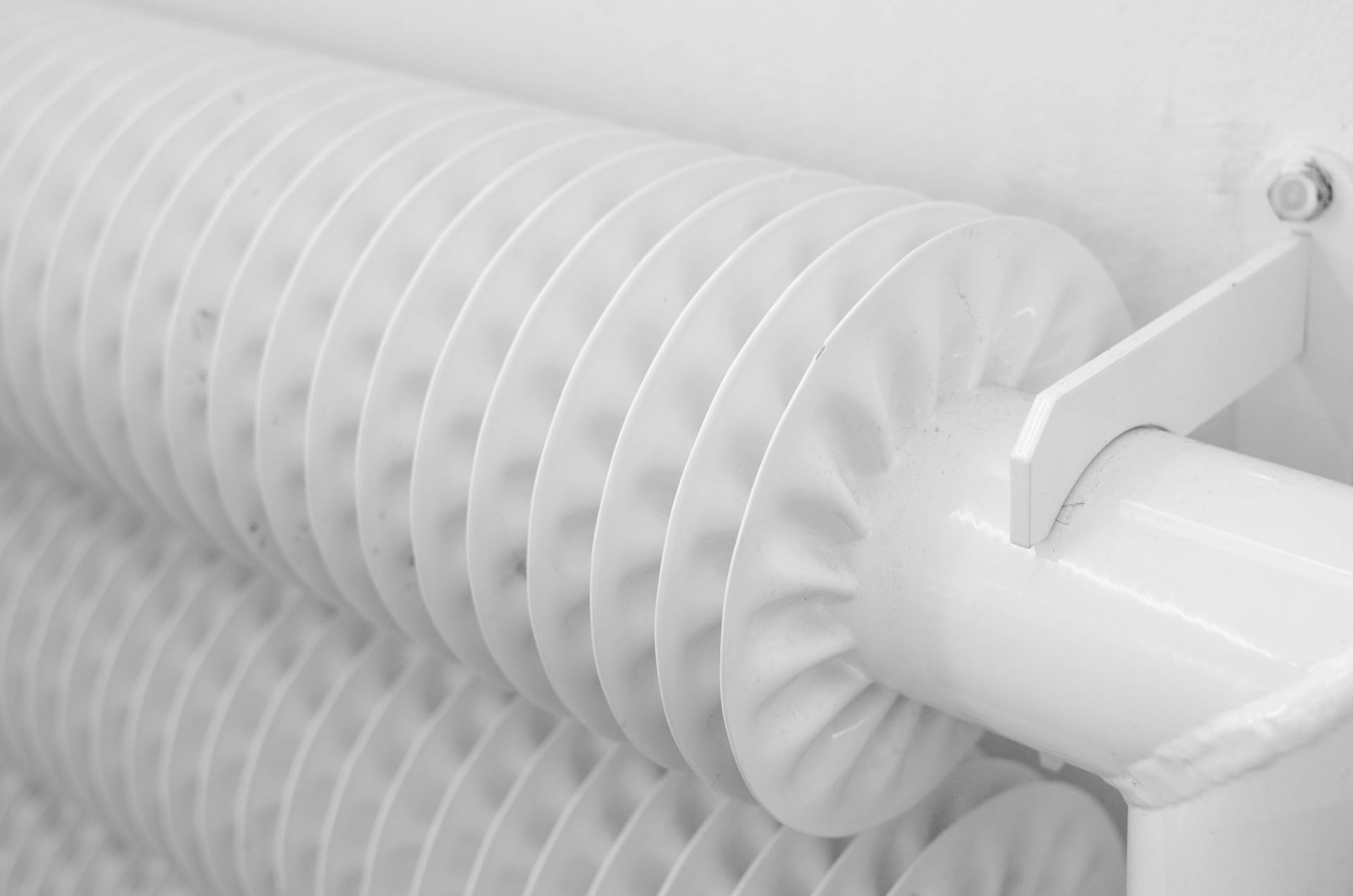
A standard homeowners policy typically won't cover the cost to repair or replace boilers if there was a mechanical problem.
You may be able to add an equipment breakdown endorsement for an additional cost that may provide coverage, but it's essential to check your policy details.
This endorsement can be a valuable addition to your policy, but it's not a guarantee that you'll be covered in all situations.
It's always best to review your policy and discuss any concerns with your insurance provider to understand what's covered and what's not.
See what others are reading: Average Cost Home Contents Insurance
Filing a Claim
Filing a claim for boiler replacement can be a daunting task, but it's essential to know the steps involved to get reimbursed for the damage. Contact your insurance provider as soon as you notice boiler issues, and make sure to document the damage with photos and videos.
Your insurer will likely send an adjuster to assess the situation and view any evidence. Keep all receipts related to temporary repairs or alternative heating arrangements, as these costs may be reimbursable under your policy. It's also a good idea to provide any maintenance records to show you've properly cared for your boiler over the years.
To process your claim, your insurance company may require multiple repair estimates from licensed professionals. Be prepared to obtain these estimates, as they can help support your claim.
Here's an interesting read: Does Home Insurance Cover Boiler
Filing a Furnace Claim
Filing a furnace claim can be a straightforward process if you're prepared with the right information. To start, you'll need to gather some key details about your furnace or boiler.
The make, model, and serial number of your furnace or boiler are essential pieces of information to have on hand. This information can usually be found on a sticker or plate attached to the unit itself.
Photos and video of the damage to your heating system can also be helpful when filing a claim. It's a good idea to take photos from multiple angles to provide a clear view of the damage.
If your home was broken into and the damage occurred during the break-in, you may need to obtain a copy of the police report. This can help support your claim and provide evidence of the circumstances surrounding the damage.
Consider reading: Do I Need Condo Insurance
Filing a Claim
Filing a claim for a broken furnace can be a stressful experience, but knowing the steps involved can help make the process smoother. Contact your insurance provider as soon as you notice furnace issues.
If this caught your attention, see: Does Homeowners Insurance Cover Furnace

Documenting the damage is crucial, so make sure to take photos and videos of the damage. Keep all receipts related to temporary repairs or alternative heating arrangements, as these costs may be reimbursable under your policy. Your insurer will likely send an adjuster to assess the situation and view any evidence.
Be prepared to provide maintenance records to show you've properly cared for your furnace over the years. This can strengthen your claim, especially if the damage is due to sudden, accidental causes. If your furnace is damaged in the dead of winter and you need to stay at a hotel for a few days while your furnace is being replaced, you can file a loss of use claim to get reimbursed for your hotel stay.
Here are some key things to consider before filing a claim:
- Look at your policy deductible. If the repair costs are less than your deductible, it may not be worth filing a claim.
- Notify your insurer immediately if the loss is covered by your policy.
- Document the damage before removing the damaged furnace.
When Is Boiler Replacement Not Covered?
Boiler replacement is not covered by standard homeowners insurance if the breakdown is due to poor maintenance, old age, or neglect. This means if your boiler breaks down because of a dirty filter, overheating, or other types of wear and tear, insurance likely won't pay to replace it.
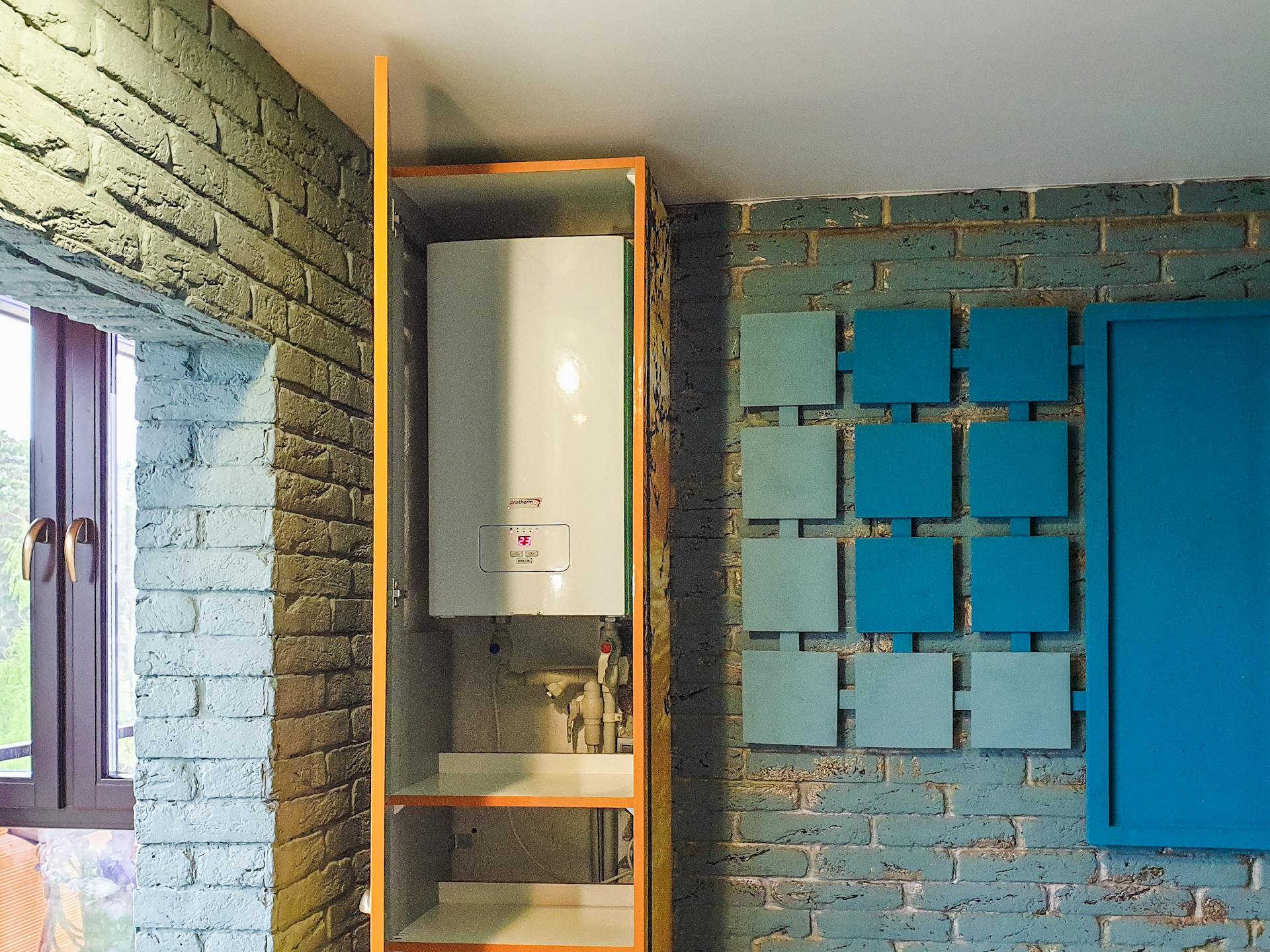
A standard policy typically won't cover the cost to repair or replace boilers if there was a mechanical problem, but you may be able to add an equipment breakdown endorsement for an additional cost that may provide coverage.
Some home insurance companies offer equipment breakdown coverage for an additional fee, including American Family, Auto-Owners Insurance, Foremost, Nationwide, and Safeco. This coverage provides additional protection for your furnace, boilers, heat pumps, and other household systems against several causes of loss that aren't covered under a standard policy.
See what others are reading: Lemonade Homeowners Insurance Cost
When Broken Furnaces Are Not Covered
A broken furnace can be a real headache, especially during the cold winter months. Homeowners insurance likely won't cover furnace replacement if it's damaged by certain causes.
Poor maintenance, old age, or neglect can cause a furnace to give out, and insurance won't reimburse you for the loss. This means if your furnace breaks down because of a dirty filter, overheating, old age, or other types of wear and tear, insurance won't pay to replace it.

Some common causes of furnace damage that aren't covered by standard homeowners insurance include mechanical breakdown, electrical breakdown, and improper installation. If you're not careful, you might find yourself footing the bill for repairs or replacement.
Here are some examples of furnace damage that might not be covered by homeowners insurance:
• Mechanical breakdown
• Electrical breakdown
• Improper installation
• Poor maintenance
• Old age or neglect
Consider adding equipment breakdown coverage to your home insurance policy for an added layer of protection. This optional add-on provides coverage for furnaces, boilers, heat pumps, and other household systems against several causes of loss.
Consider reading: Does Insurance Cover Electrical Issues
Mechanical Breakdown
Mechanical breakdowns are a common issue with boilers and furnaces. A standard homeowners policy typically won't cover the cost to repair or replace boilers if there was a mechanical problem.
If you're concerned about potential mechanical breakdowns, you might want to explore additional coverage options. You can add an equipment breakdown endorsement to your policy for an additional cost, which may provide coverage for mechanical breakdowns.
Standard home insurance doesn't typically cover mechanical breakdowns of your furnace, but you may have the option to add an equipment breakdown endorsement to your policy. This add-on can protect you if your furnace fails due to electrical or mechanical issues.
If your furnace gives out due to poor maintenance, old age, or neglect, homeowners insurance likely won't reimburse you for the loss. Consider equipment breakdown coverage for an added layer of protection.
Here are a few popular home insurance companies that offer equipment breakdown coverage for an additional fee:
- American Family
- Auto-Owners Insurance
- Foremost
- Nationwide
- Safeco
It's essential to review your existing home insurance policy to see if it offers endorsements or riders that can extend protection to mechanical systems. Remember to get quotes from multiple providers to compare costs and coverage.
Understanding Boiler Coverage
Standard homeowners policies typically won't cover the cost to repair or replace boilers if there was a mechanical problem. However, you may be able to add an equipment breakdown endorsement for an additional cost that may provide coverage.
Adding this endorsement can protect you if your boiler fails due to electrical or mechanical issues. It often covers sudden breakdowns not caused by regular wear and tear.
Equipment breakdown coverage vs. a home warranty has some key differences. Here's a quick breakdown of the main differences:
*Some plans call it a service fee, and a few don’t have one.
Standard home insurance doesn't typically cover mechanical breakdowns of your boiler. However, you may have the option to add an equipment breakdown endorsement to your policy.
Comparing Warranty and Coverage
A standard homeowners policy typically won't cover the cost to repair or replace boilers if there was a mechanical problem, but you may be able to add an equipment breakdown endorsement for an additional cost that may provide coverage.
If you're considering adding equipment breakdown coverage, it's essential to understand the differences between this type of coverage and a home warranty. Equipment breakdown coverage doesn't cover wear and tear, but it does cover accidental damage, unlike a home warranty which covers wear and tear but not accidental damage.
Here's a quick comparison of the two:
*Some plans call it a service fee, and a few don’t have one.
Breakdown Coverage vs. Warranty
Equipment breakdown coverage and home warranties can seem similar, but they have distinct differences. Home warranties cover wear and tear, but not accidental damage.
Equipment breakdown coverage, on the other hand, covers accidental damage, but not wear and tear. This means if your furnace breaks down due to a sudden electrical issue, equipment breakdown coverage would likely cover the repair or replacement. However, if the breakdown is due to normal wear and tear, a home warranty would be more suitable.
A waiting period is another key difference between the two. Home warranties usually have a 30-day waiting period from closing, whereas equipment breakdown coverage has no waiting period.
You also have more flexibility when choosing a contractor with equipment breakdown coverage. You can choose your own contractor or use the insurance company's network, whereas home warranties typically require you to use their network.
Both options also come with deductibles, which can be referred to as service fees in some plans. Some plans don't have deductibles at all.
Here's a quick comparison of the two:
Replacement vs Repair Cost
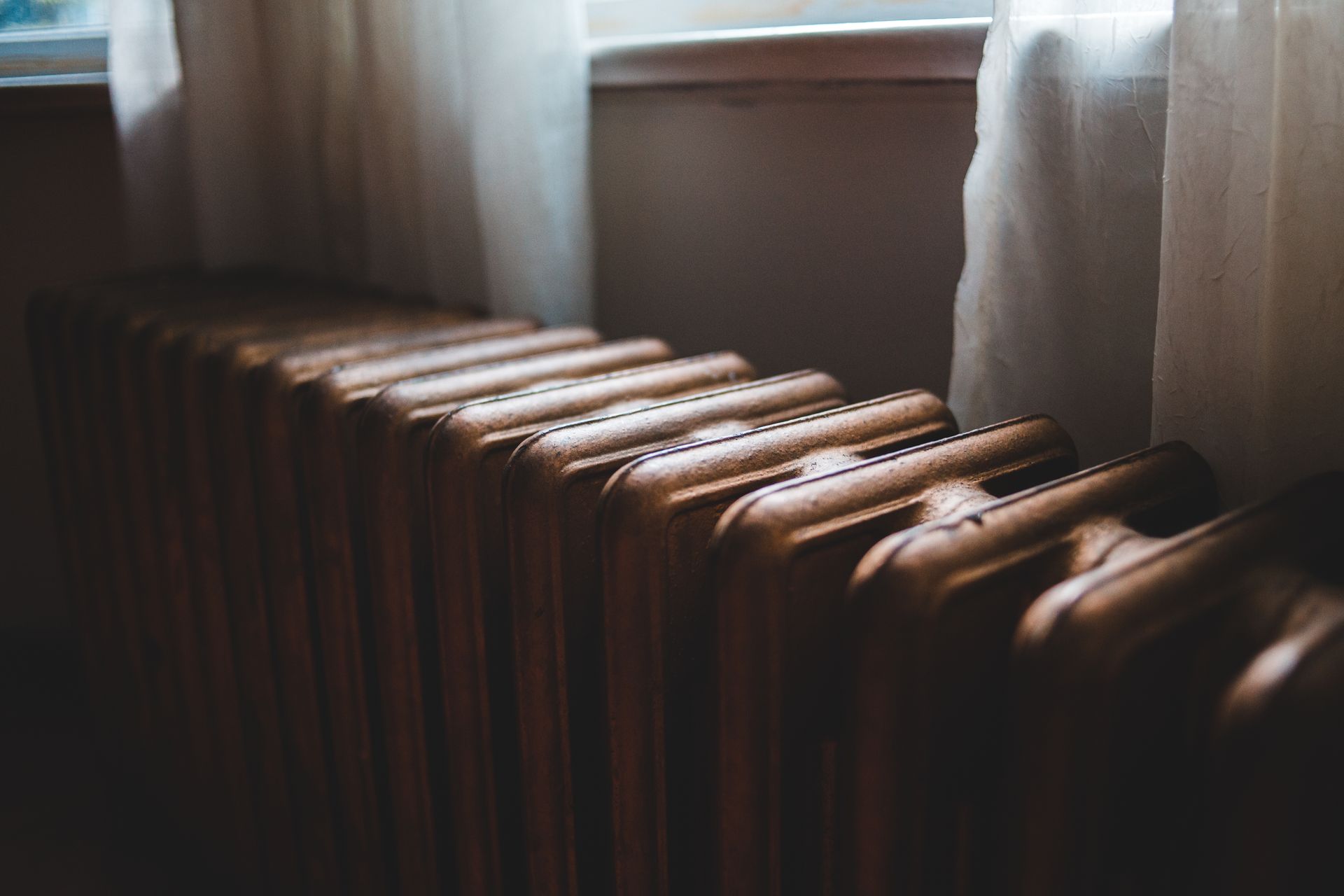
Your insurance company will evaluate whether repairing or replacing your furnace is more cost-effective, with the age and condition of the unit playing significant roles in this decision.
Repair costs can go over a certain percentage of the replacement value, typically around 50%, before insurers opt for replacement.
If you have an older furnace, it's likely that repair costs will exceed this threshold, making replacement the more cost-effective option.
Consider energy efficiency when discussing replacement options, as a more efficient unit could lead to long-term savings on utility bills.
Here's a rough breakdown of the factors that influence the decision:
Your insurance company will generally cover the cost to restore your furnace to its pre-damage condition, but upgrades or improvements may not be included.
Tips and Considerations
If your boiler is damaged or destroyed by a covered loss, you can file a home insurance claim to get reimbursed for the damage. The dwelling section of your policy typically covers furnaces and other types of HVAC equipment, including boilers.

Your insurance company will require you to pay your out-of-pocket deductible before they'll pay for the remainder of a loss. If boiler repairs cost, say, $1,000 and your deductible is $500, your insurer will only reimburse you for half of the repair costs.
Before filing a claim, consider whether you can comfortably afford a new boiler yourself. Small home insurance claims can often lead to higher insurance premiums, so you may want to forgo the claims process if you can afford a new boiler.
Notify your insurer immediately if your boiler suffers extensive damage and the loss is covered by your policy. Contact your insurer as soon as possible and file a claim.
To increase your chances of a successful claim, document the damage with photo or video proof. Be sure to document the damage before removing the damaged boiler.
If you need to stay at a hotel while your boiler is being replaced, you can file a loss of use claim to get reimbursed for your hotel stay.
Explore further: Lemonade Renters Insurance Deductible
Featured Images: pexels.com