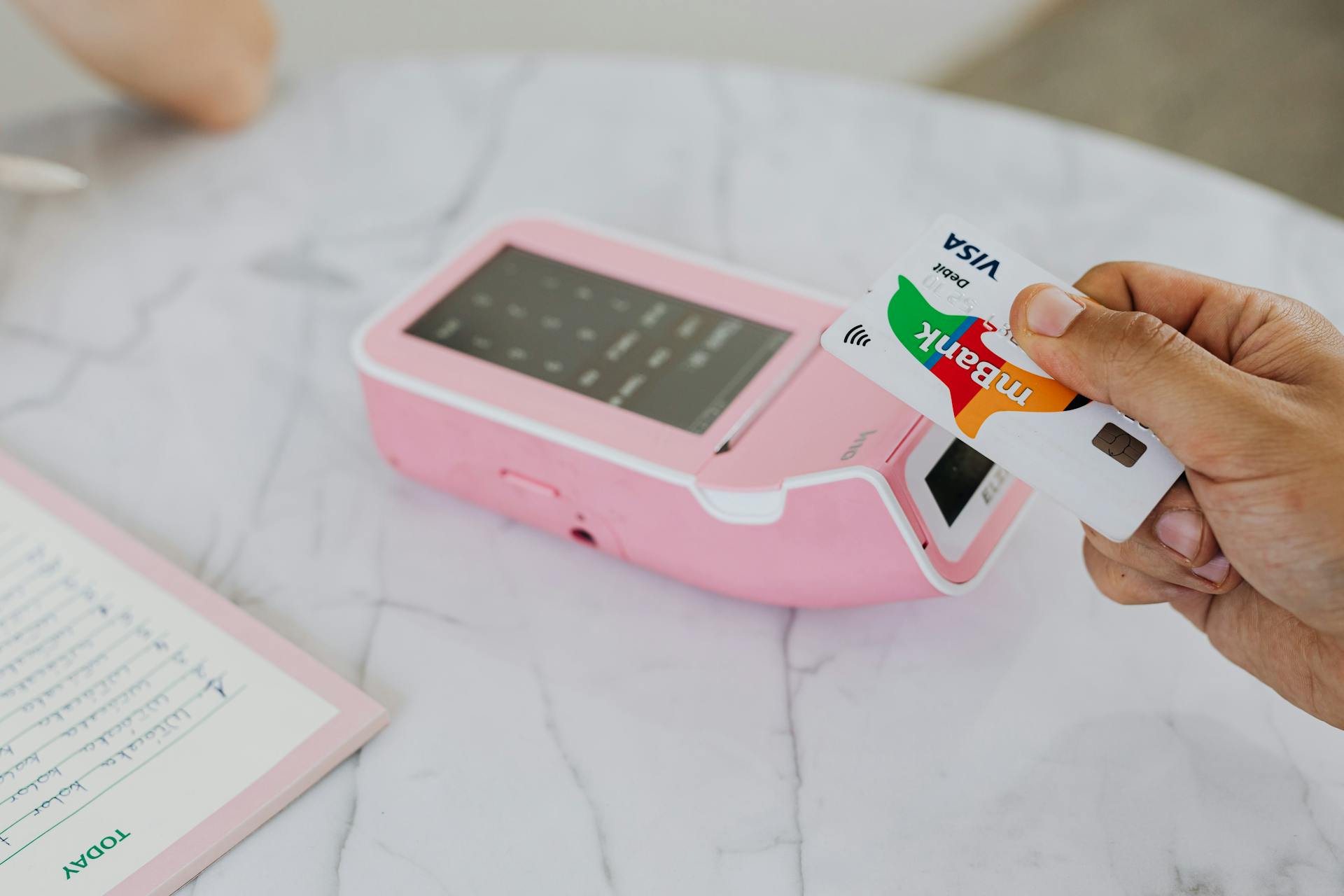
A copay is a fixed amount you pay for a medical service, like a doctor's visit or prescription, and it's usually a one-time payment.
In some insurance plans, a copay can be applied to your out-of-pocket maximum, which is the total amount you pay for medical expenses within a calendar year. This can help reduce your overall costs.
However, not all copays are applied to the out-of-pocket maximum. For example, if your plan has a copay for a specialist visit, but the specialist is not part of your network, you may still have to pay the full amount out-of-pocket.
This can be frustrating, especially if you're already paying a high copay for the specialist visit.
You might like: What Not to Do When Applying for a Mortgage?
What's Included in Out-of-Pocket Maximum
Your out-of-pocket maximum is the most you'll pay for healthcare expenses in a year. It's a cap on the amount you'll have to pay for covered services.
Deductible amounts count toward your out-of-pocket maximum. For example, if your plan has a $1,000 deductible, that's the amount you pay for covered health care services each year before your plan starts to pay.
For your interest: Bcbs Out of Pocket Maximum
Copays also count toward your out-of-pocket maximum. If your plan has assigned a $40 copay for a service, that's the amount you pay for that visit, and it will go toward your yearly out-of-pocket maximum.
Coinsurance, a fixed percentage you pay for a covered health care service, also counts toward your out-of-pocket maximum.
Prescription drug costs count toward your out-of-pocket maximum if they're covered by your plan. The costs you pay toward medicines, whether copays or coinsurance amounts, will count toward your out-of-pocket maximum.
Here's a breakdown of what counts toward your out-of-pocket maximum:
- Deductible: The amount you pay for covered health care services each year before your plan starts to pay
- Copay: A fixed amount that you pay for a covered health care service
- Coinsurance: A fixed percentage you pay for a covered health care service. Your plan pays the rest of your expenses
- Prescription drug costs: The costs you pay toward medicines, whether copays or coinsurance amounts
Out-of-Pocket Maximum in Health Insurance
The out-of-pocket maximum is a limit on how much you pay for covered health care services in a year. It's a crucial aspect of your health insurance plan.
Your out-of-pocket maximum usually includes the amount you pay for your deductible, copays, and coinsurance. These costs add up quickly, but they do count towards your out-of-pocket maximum.
Worth a look: Pocket Knife
For example, if your plan has assigned a $40 copay for a doctor's visit, that's the amount you pay for this visit, with your insurance company providing the rest. That $40 will go towards your yearly out-of-pocket maximum.
Here's a breakdown of what typically counts towards your out-of-pocket maximum:
- Deductible: The amount you pay for covered health care services each year before your plan starts to pay
- Copay: A fixed amount that you pay for a covered health care service
- Coinsurance: A fixed percentage you pay for a covered health care service, with your plan paying the rest of your expenses
These costs can add up, but they do count towards your out-of-pocket maximum, which is a limit on how much you pay for covered health care services in a year.
Types of Care and Out-of-Pocket Maximum
Your deductible, copays, and coinsurance all count toward your annual out-of-pocket maximum. These amounts are the set costs you pay for covered services each year before your plan starts to pay.
Deductible, copay, and coinsurance are the types of costs that apply toward your out-of-pocket maximum. Your deductible is the amount you pay for covered health care services each year before your plan starts to pay. Your copay is a fixed amount you pay for a covered health care service, while coinsurance is a fixed percentage you pay for a covered health care service, with your plan paying the rest.
Emergency care and prescription drugs also count toward your out-of-pocket maximum. Your health plan is required to cover emergency care, and the costs you pay for copays or coinsurance will count toward your limit. Prescription drug costs, including copays and coinsurance amounts, will also contribute to your out-of-pocket maximum.
Recommended read: Does Masshealth Cover Prescriptions
Do Prescriptions Count Toward Maximum?
Prescriptions do count toward your out-of-pocket maximum, according to your health plan's rules. This means that the costs you pay for covered prescription drugs, whether copays or coinsurance amounts, will be applied to your yearly out-of-pocket maximum.
For example, if your plan has assigned a $40 copay for a prescription medication, that's the amount you pay for the medication, and it will go toward your yearly out-of-pocket maximum.
As mentioned in Example 2, only some types of costs apply toward your annual out-of-pocket maximum. In the case of prescription drugs, the costs you pay for covered prescription drugs do count toward your maximum.
Here's a quick breakdown of what counts toward your out-of-pocket maximum:
- Deductible: The amount you pay for covered health care services each year before your plan starts to pay
- Copay: A fixed amount that you pay for a covered health care service, including prescription medications
- Coinsurance: A fixed percentage you pay for a covered health care service, including prescription medications
This means that if you have a plan that covers prescription medications, the costs you pay for those medications will be applied to your yearly out-of-pocket maximum, just like other covered health care services.
In-Network and Out-of-Network Care
In-network care typically applies to the money you pay for covered health insurance services, which goes towards your out-of-pocket limit.
You can expect costs paid for non-covered services or out-of-network care to not apply to your out-of-pocket maximum.
If you have a plan that covers some out-of-network health services, like a PPO plan, you may have a different out-of-pocket maximum for health care services provided in and out of network.
Your out-of-pocket limit is the maximum amount you'll pay for covered health insurance services, and it's typically calculated based on in-network care.
Additional reading: Tufts Health Plan Join the Network
Featured Images: pexels.com