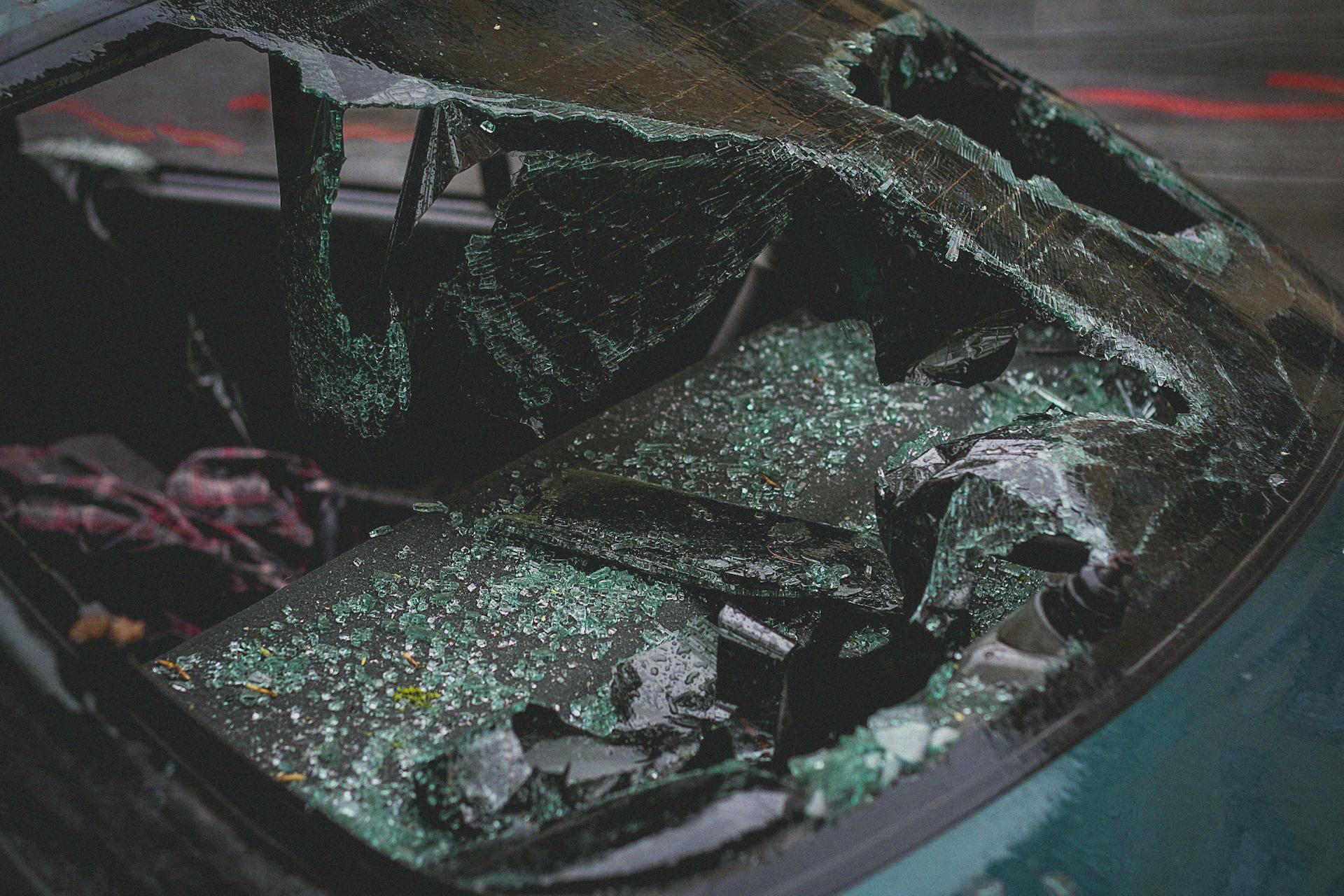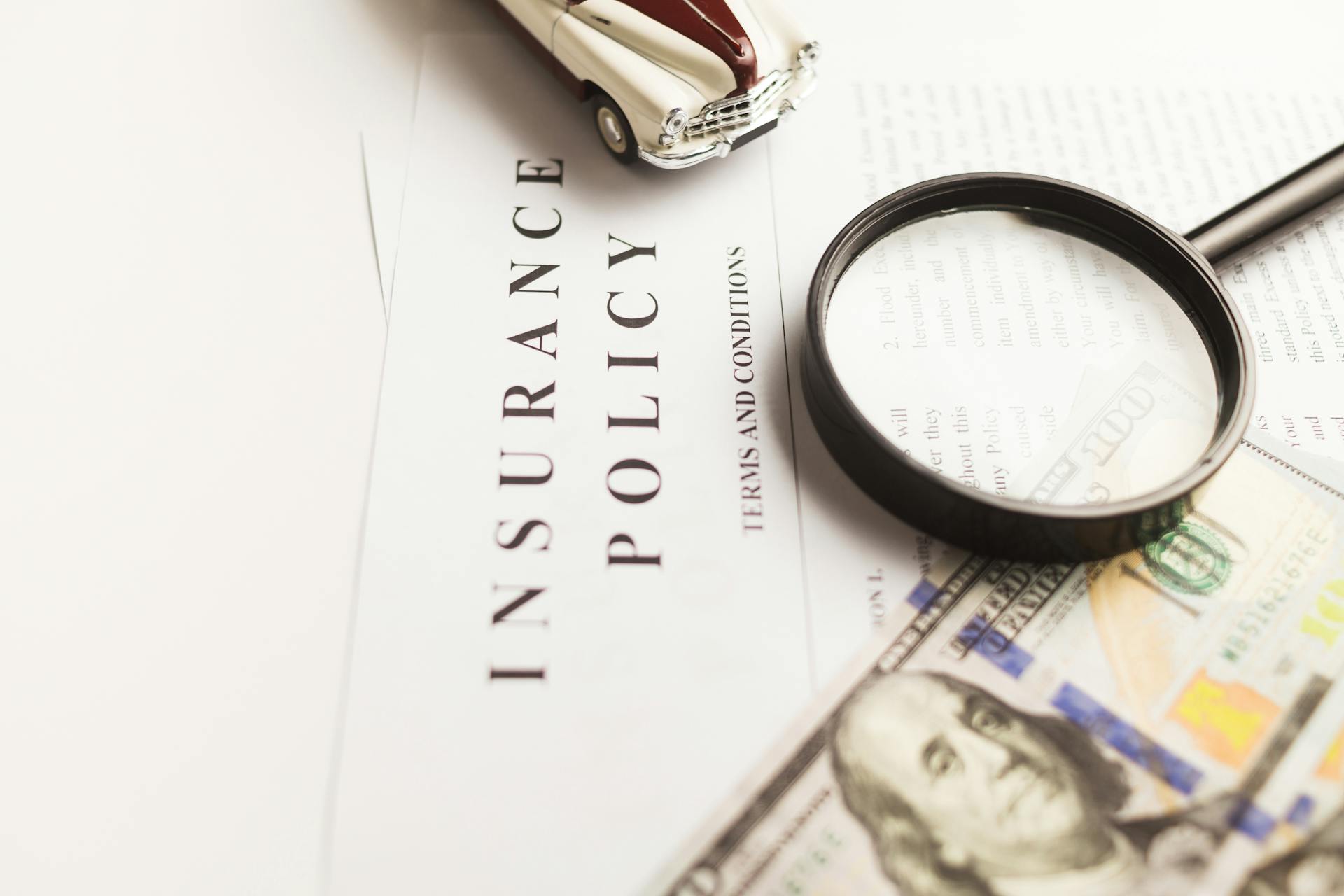
If you lend your car to a friend or family member, you might be wondering if your car insurance will cover them in case of an accident. Most standard car insurance policies do cover other drivers driving your vehicle, but there are some conditions and limitations.
Typically, your insurance policy will cover other drivers as long as they have your permission to drive your car. This is usually the case even if the other driver doesn't have their own car insurance.
However, if you're planning to rent out your car to someone, your insurance policy might not cover them. This is because rental car insurance often requires a separate policy.
You might enjoy: Does an Umbrella Policy Cover Auto Accidents
Permissive and Non-Permissive Use
Permissive and Non-Permissive Use is a crucial aspect of car insurance that many people don't fully understand. Most large car insurance providers offer permissive use car insurance, but it's essential to review your policy details to confirm.
If you've given someone permission to drive your car, it's called permissive use. This means they'll get the same protections as you would from your car insurance policy if they get into an accident.
A different take: Million Dollar Umbrella Policy
Permissive use car insurance applies to anyone who has permission to drive your car, regardless of whether it's verbal or written. If you let a friend or family member drive your car and they get into a car crash, your car insurance policy should cover them.
The key difference between permissive and non-permissive use is permission. If someone drives your car without your permission, it's considered non-permissive use. In this case, your insurance may not cover third-party damages, but you might still be liable for damages to your car.
Here's a breakdown of the differences between permissive and non-permissive use:
- Permissive use: Someone drives your car with your permission, and your insurance covers them.
- Non-permissive use: Someone drives your car without your permission, and your insurance may not cover third-party damages.
It's worth noting that unless you explicitly refuse to allow someone else to drive your car, most insurance companies will assume permission was granted. This can be a challenge to prove otherwise, so it's essential to keep records of any permission you've given.
Exceptions and Limitations
There are two important exceptions to permissive use coverage that you should be aware of.
One exception is that permissive use may not cover business uses of your car unless you have specifically included this within your policy. If you haven't, you'll have no coverage if the driver you allowed the use of your car gets into an accident while making a business-related journey.
Another exception is that permissive use coverage does not apply to unlicensed or inexperienced drivers. This means if you loan your car to someone who doesn't have a valid license or has little driving experience and they get into a car accident, your insurance company might try to deny coverage.
Here are the key exceptions to keep in mind:
- Business use coverage may not be included unless specified in your policy.
- Permissive use coverage does not apply to unlicensed or inexperienced drivers.
Limitations and Exclusions
If you lend your car to someone, there are situations where their insurance won't cover them. Keep in mind that your insurance will not cover other drivers under certain circumstances.
You can specifically exclude a driver from your policy, which means they won't be allowed to drive your car under any conditions. This can be a good idea if you have a family member with a poor driving record or a suspended license.
You might like: How Does T Mobile Insurance Work
Excluding a driver can protect your insurance premium from going up. You'll need to sign an endorsement with your insurer to confirm that the excluded driver won't be covered if they drive your car.
If an excluded driver takes your car without permission and causes an accident, the insurance company won't have to pay for the damage. Both you and the driver might be held personally liable for any damages caused to others in the crash.
Some states allow you to exclude specific individuals from your auto insurance policy, particularly those with poor driving records. However, in New York, you can't buy an auto insurance policy if you try to exclude a member of your household who is of driving age.
There are two important exceptions to permissive use coverage that you should be aware of:
- Permissive use may not cover business uses of your car unless you have included this within your policy.
- Permissive use coverage does not apply to unlicensed or inexperienced drivers.
Impact on Premiums
Letting someone else drive your car occasionally won't typically affect your premiums. However, if they regularly use the vehicle, they should be listed on your policy as a rated driver.

There's always a risk of increased premiums if your friend gets into an accident while driving your car and the claim is filed under your insurance.
An at-fault accident involving someone else driving your car will stay on your record, even though you weren't driving.
Being transparent with your insurance company about who drives your car can help you make informed decisions and avoid potential consequences.
Other Drivers and Liability
If someone else is driving your car and gets into an accident, their insurance policy may provide additional coverage. Up to 2 months in prison, up to 6 months of probation, and up to $500 in fines are possible penalties for the at-fault driver.
You can seek reimbursement from the other driver's insurance company, even if your policy has sufficient coverage. Your insurance provider may pay the entire claim and then contact the other driver's insurance company to claim back some of the costs.
Discover more: Will Insurance Cover Covid Tests after May 11
In some states, you can exclude specific individuals from your auto insurance policy. If you do, their insurance will not cover claims involving them. However, in New York, you cannot buy an auto insurance policy if you try to exclude a member of your household who is of driving age.
Your car insurance coverage usually extends to anyone else driving your car, even if they're not listed on the policy. However, some coverages may not apply when the primary insured isn't driving the car. Review your policy or speak with an agent to understand the specifics.
Here are some possible outcomes when someone else drives your car and gets into an accident:
Unauthorized Drivers
If you let someone else drive your car without permission, you could be in for a surprise. Excluding a driver from your policy can save you from a significant increase in car insurance costs. However, excluding someone won't protect your premium if they cause an accident while driving your car without permission.
Check this out: If Someone Breaks into Your Car Does Insurance Cover It
In some states, you can exclude specific individuals from your auto insurance policy, especially those with poor driving records or a history of drunk driving. But be aware that in New York, you can't buy an auto insurance policy if you try to exclude a member of your household who is of driving age.
If someone drives your car without permission and causes an accident, you might be held personally liable for any damages caused to others in the crash. Your insurance company may not have to pay for the damage, and you could be arrested for allowing them to drive.
Here are some key points to remember:
- Excluding a driver from your policy can save you from a significant increase in car insurance costs.
- Excluding someone won't protect your premium if they cause an accident while driving your car without permission.
- In some states, you can exclude specific individuals from your auto insurance policy.
- In New York, you can't buy an auto insurance policy if you try to exclude a member of your household who is of driving age.
- You might be held personally liable for any damages caused to others in the crash if someone drives your car without permission.
- Your insurance company may not have to pay for the damage if someone drives your car without permission.
Borrowing and Lending
If you're planning to lend your car to a friend or family member, it's essential to understand the insurance implications. Your car insurance policy may cover other drivers, but it's not always a straightforward situation.
Review your policy to see if it includes permissive use coverage, which allows other drivers to operate your vehicle. Some policies may offer limited coverage or increase your deductible when you file a claim.
You can usually extend your car insurance coverage to anyone driving your car, as long as they're not an excluded driver listed on your policy. However, some coverages may not apply when the primary insured isn't driving the car.
If someone borrows your car, they're also borrowing your car coverage. Your policy's liability coverage would pay for injury and damage they caused to any other driver and their property. If you have collision coverage, your policy will cover damage caused to your car.
To ensure you're covered, discuss the details with your friend, including any additional costs or deductibles they may be responsible for. It's also crucial to consider the driver's record and trustworthiness before lending your car.
Here are some key points to keep in mind:
- Review your policy to understand permissive use coverage.
- Check if your policy includes collision, medical payment, uninsured motorist, property damage liability, and comprehensive coverage.
- Discuss the details with your friend, including any additional costs or deductibles.
- Consider the driver's record and trustworthiness before lending your car.
Policy Implications
Your auto insurance policy can have implications when someone else drives your car. Understanding these implications can help you avoid unexpected expenses or gaps in coverage.
If your policy follows the vehicle, certain coverages may apply, including collision, medical payment, uninsured motorist, property damage liability, and comprehensive coverage. These coverages can help pay for damages or medical bills if the other driver is involved in an accident.
However, your policy may not cover permissive use, which means lending your vehicle to someone else. Some policies may offer limited coverage for permissive use, but this can come with a higher deductible or limited policy limits.
Here are some key points to consider:
- Collision coverage may help pay for damages if someone else drives your car and gets into an accident.
- Medical payment coverage may help pay medical bills if someone else is driving your car and gets injured in an accident.
- Uninsured motorist coverage may help cover damages if the other driver doesn't have insurance.
- Property damage liability coverage may help pay for damages to another driver's car if someone else is driving your car.
- Comprehensive coverage may help pay for damages if someone else drives your car and hits an animal, like a deer.
New York State Specifics
In New York, your car insurance coverage includes coverage for other drivers of your vehicle, following the car rather than the driver.
According to New York's Department of Financial Services §60-1.1(c) of Department Regulation 35-A, an auto liability insurance policy must cover accidents or resulting damages caused by other drivers of your vehicle.
In New York, your car insurance will cover other drivers of your vehicle in most situations, but there may be exceptions where your insurance won't provide coverage.
New York car insurance policies must cover collision, uninsured motorist protection, comprehensive, personal injury protection (PIP), and property damage liability insurance for other drivers of your vehicle.
Suggestion: Temporary Car Insurance Cover
Accident Claims and Resources
Accident claims can be a real headache, especially if someone else was driving your car when the accident happened. If someone else was driving your car and got into an accident, you'll need to file a claim just as you would if you were the one behind the wheel.
You'll want to gather as much information about the accident as possible, including the police report, contact information from everyone involved, and any witness statements or photos. The auto insurance typically follows the car, not the driver, so you'll be responsible for paying your deductible and your rates may increase following the claim.
If the other driver in the accident was at fault and you can prove it, their insurance will most likely cover any damages. However, if the other driver doesn't have insurance, you may have to file a claim to help cover property damages.
Here are some resources that can help you navigate the process:
- The Law Place – Offers a free consultation with experienced attorneys who can help you understand your rights and liabilities.
- Florida Department of Highway Safety and Motor Vehicles (FLHSMV) – Provides information on Florida’s insurance and liability laws, including guidelines on accidents involving drivers who are not the vehicle owner.
- Florida Office of Insurance Regulation (OIR) – Details Florida’s insurance requirements and offers explanations of coverage types, liability policies, and regulations on claims when someone else is at fault while driving your vehicle.
- Insurance Information Institute (III) – Offers explanations of various insurance coverage scenarios, including liability when someone else drives your car and has an accident.
- National Association of Insurance Commissioners (NAIC) – Provides information on how different states handle insurance and liability when a non-owner driver is involved in an accident.
It's a good idea to talk to your insurance agent before lending out your car to understand your responsibilities and the potential impact on your coverage. This way, you'll know what to expect if your friend or relative gets involved in an accident.
Frequently Asked Questions
Does insurance follow the driver or the car?
In California, insurance typically follows the car, not the driver, but coverage for the driver may vary. Read on to learn more about how insurance policies are assigned.
Featured Images: pexels.com