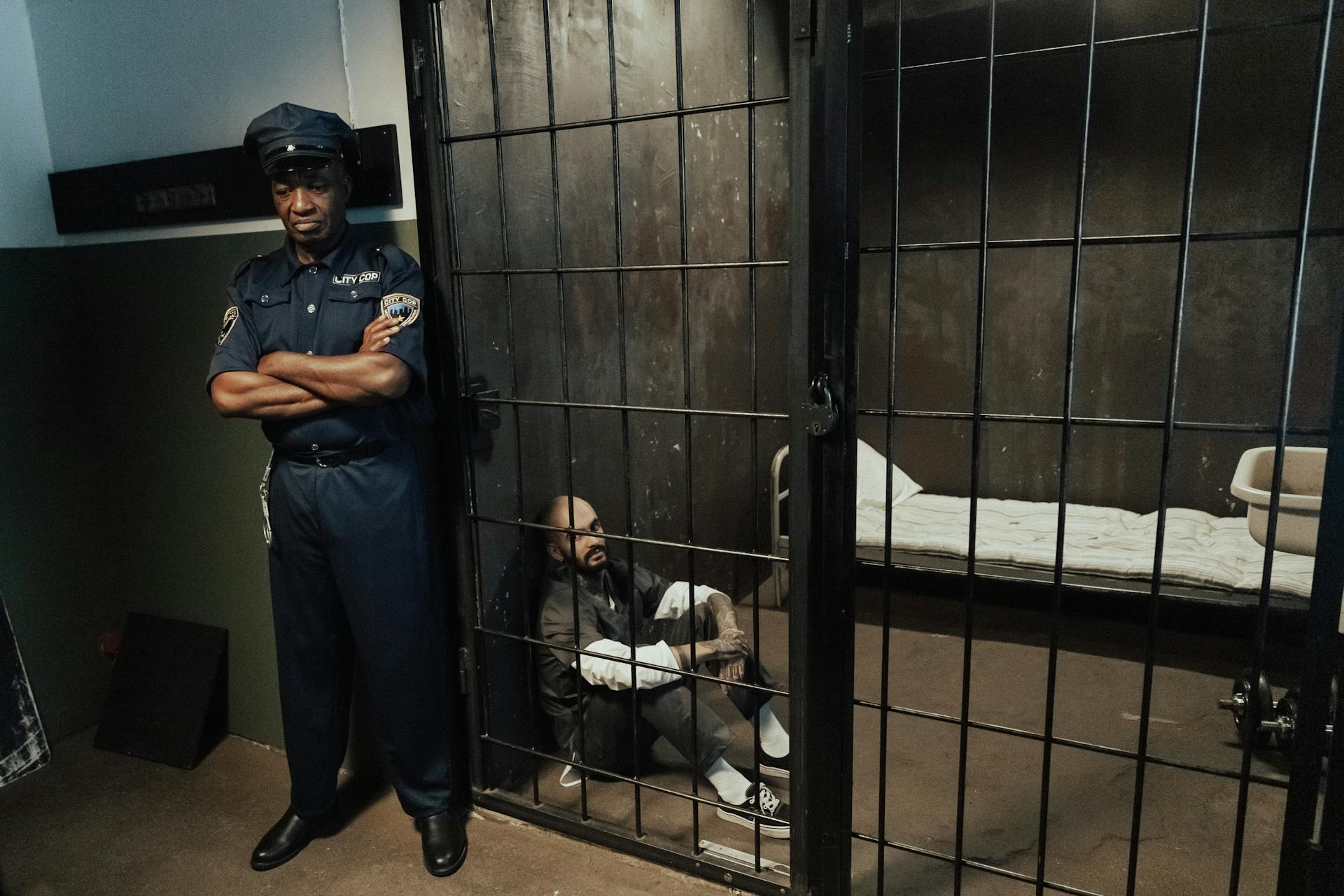
Prisoners in the United States do receive some level of healthcare, but it's often limited and inadequate. In reality, prisoners have access to basic medical care, but it's not the same as what you'd receive in the outside world.
The healthcare system in prisons is often understaffed and underfunded, which can lead to delayed or denied medical attention. For example, in some prisons, medical staff may be responsible for up to 1,500 prisoners, making it difficult to provide individualized care.
One challenge prisoners face is accessing mental health services. In some prisons, mental health care is provided by a single psychiatrist, who may have to see hundreds of patients in a day. This can lead to inadequate treatment and support for prisoners with mental health issues.
Prisoners also face challenges in getting the medical care they need due to the lack of specialized medical facilities and equipment. In some prisons, prisoners may have to wait weeks or even months for a specialist appointment, which can exacerbate their condition.
On a similar theme: How Do Prisoners Get so Big?
Health Care for Incarcerated Individuals
In the US, care is secondary to controlling costs and avoiding lawsuits in correctional healthcare systems.
Jails and prisons have different levels of care due to their varying lengths of stay. Jails, with an average stay of 26 days, often only have time to address acute conditions.
Larger facilities, both jails and prisons, are more likely to have a clinic with staff on site and may even have their own pharmacies.
Smaller facilities might need to call 911 for emergencies or rely on telemedicine.
Accredited institutions, like those with the National Commission on Correctional Health Care or the American Correctional Association, tend to have better care.
Accredited facilities typically screen prisoners for various illnesses within 24 hours of their arrival and do more to protect their privacy and dignity.
You can find information on a facility's accreditation and standards on their website.
Inmates may still have to pay for health care, even though the law mandates they receive it, with most facilities requiring copays.
In Texas, for example, a prison sick visit costs $13.
A different take: Why Is Dental Work so Expensive Even with Insurance
Challenges and Limitations
Managing diabetes behind bars is particularly challenging due to the lack of access to healthy food, exercise, and regular blood sugar monitoring.
Prison and jail diets are extremely high in refined carbohydrates, sodium, and sugar, and low in fruits and vegetables and quality protein.
Exercise may be limited, and incarcerated people with diabetes may not have access to insulin pumps or continuous glucose monitors.
In fact, about 9% of incarcerated people have diabetes, which is a higher rate than the general population.
Expand your knowledge: Horizon Bcbs Direct Access
Actions Can Be Difficult
Managing a medical condition in prison can be a daunting task. Incarcerated people with diabetes may have to make multiple trips to the infirmary for regular blood sugar testing.
Diabetes requires healthy food, exercise, and regular blood sugar monitoring to keep in check. Prison and jail diets are extremely high in refined carbohydrates, sodium, and sugar and low in fruits and vegetables and quality protein.
Limited exercise options can make it hard for people with diabetes to stay active. Exercise may be limited in prison, making it difficult to manage blood sugar levels.
For your interest: How Many People in the Us Don't Have Health Insurance
Incarcerated people with diabetes may not have access to snacks when blood sugar plummets. This can be a major challenge, especially in facilities that don't provide specialized diets.
Even prescribed treatments and medicines can be a problem. Prison and jail health care systems often follow strict protocols that can limit the types of treatment and care available.
Cut Rate Care: Systemic Problems
The reality of correctional healthcare systems is that care is often secondary to controlling costs and avoiding lawsuits. This is a problem that plagues both private and public healthcare delivery.
In correctional facilities, the focus on cost control can lead to inadequate care for inmates. Private and public healthcare systems prioritize controlling costs over providing quality care.
The lack of resources and funding in correctional healthcare systems can result in subpar care for inmates. This can lead to serious health issues going unaddressed.
Inmates often face long wait times for medical attention, which can exacerbate existing health problems. This is a common issue in correctional facilities.
The emphasis on avoiding lawsuits can also drive healthcare decisions in correctional facilities. This can lead to defensive medicine practices that prioritize caution over effective treatment.
The consequences of inadequate care in correctional facilities can be severe, affecting not only the inmates but also their families and communities.
For more insights, see: Federal Public Benefit
Mass Incarceration
Mass Incarceration is a staggering issue in the US, with nearly 2 million people locked up. This is a result of the country's complex and often flawed justice system.
The US incarcerates nearly 2 million people, a number that's hard to wrap your head around. It's a reality that affects communities and families across the country.
Many of these individuals are locked up in state and federal prisons, as well as local jails. The sheer scale of the problem is a challenge that needs to be addressed.
The US has one of the highest incarceration rates in the world. This has a ripple effect on society, impacting everything from crime rates to economic growth.
Financial Aspects
Prisoners in the United States generally do not receive free healthcare, but rather have access to medical care through the prison system.
The cost of healthcare for prisoners is typically borne by the state or federal government, which can be a significant expense.
Broaden your view: How Do Prisoners Get so Big without Weights?
Inmates in federal prisons, for example, receive medical care at no cost to them, but the cost is reimbursed by the Bureau of Prisons.
Many states, however, have implemented managed care systems that contract with private companies to provide healthcare services to prisoners, which can be more cost-effective.
In some cases, prisoners may be required to pay a small co-pay for medical services, but this is typically rare.
Prisoners with chronic or serious medical conditions, such as HIV or cancer, often receive more comprehensive care, including access to specialized treatment and medication.
The quality of healthcare in prisons can vary significantly depending on the facility and the resources available.
Inmates who are released from prison often struggle to access healthcare services, as they may not have insurance or may be unable to afford medical care.
For your interest: Obamacare Cost
Relevant Policies and Programs
In the United States, prisoners are entitled to medical care, but the quality and scope of this care can vary greatly depending on the institution and its policies.
The Prison Health Care Act of 1980 requires that prisoners receive the same level of medical care as the general population, but this law does not necessarily guarantee that prisoners will receive the same quality of care.
Prisons are required to provide medical care to inmates, but the specifics of this care can vary from state to state.
Federal prisons have a higher standard of medical care compared to state prisons, with more resources and trained staff available to address inmate health needs.
Prisons often have a medical director who oversees the medical care provided to inmates, but the qualifications and experience of these directors can vary widely.
The Federal Bureau of Prisons has a comprehensive medical program that includes both inpatient and outpatient services, as well as specialized care for inmates with chronic conditions.
Here's an interesting read: Federal Compulsory Medical Insurance Fund (Russia)
Social Impact
Prisoners often rely on the healthcare system within the prison walls, which can be a significant concern for their well-being.
The quality of healthcare varies greatly depending on the prison and its location, with some facilities having better-equipped medical staff and facilities than others.
Prisoners are entitled to medical care, including mental health services, although access to these services can be limited.
In some prisons, prisoners may have to pay out-of-pocket for medical services, which can be a financial burden.
The prison healthcare system is often understaffed, leading to long wait times and inadequate care for prisoners.
Despite these challenges, prisoners are entitled to medical care, including emergency services, and must be provided with a medical screening within 14 days of arrival at a new prison.
This is in accordance with the Prison Health Care Services Act, which sets standards for medical care within prisons.
Prisoners with chronic conditions, such as diabetes or hypertension, may require ongoing medical care, which can be difficult to access within the prison system.
In some cases, prisoners may be transferred to a hospital or other medical facility for more specialized care.
The prison healthcare system is also responsible for providing vaccinations and other preventive care measures to prisoners.
Featured Images: pexels.com