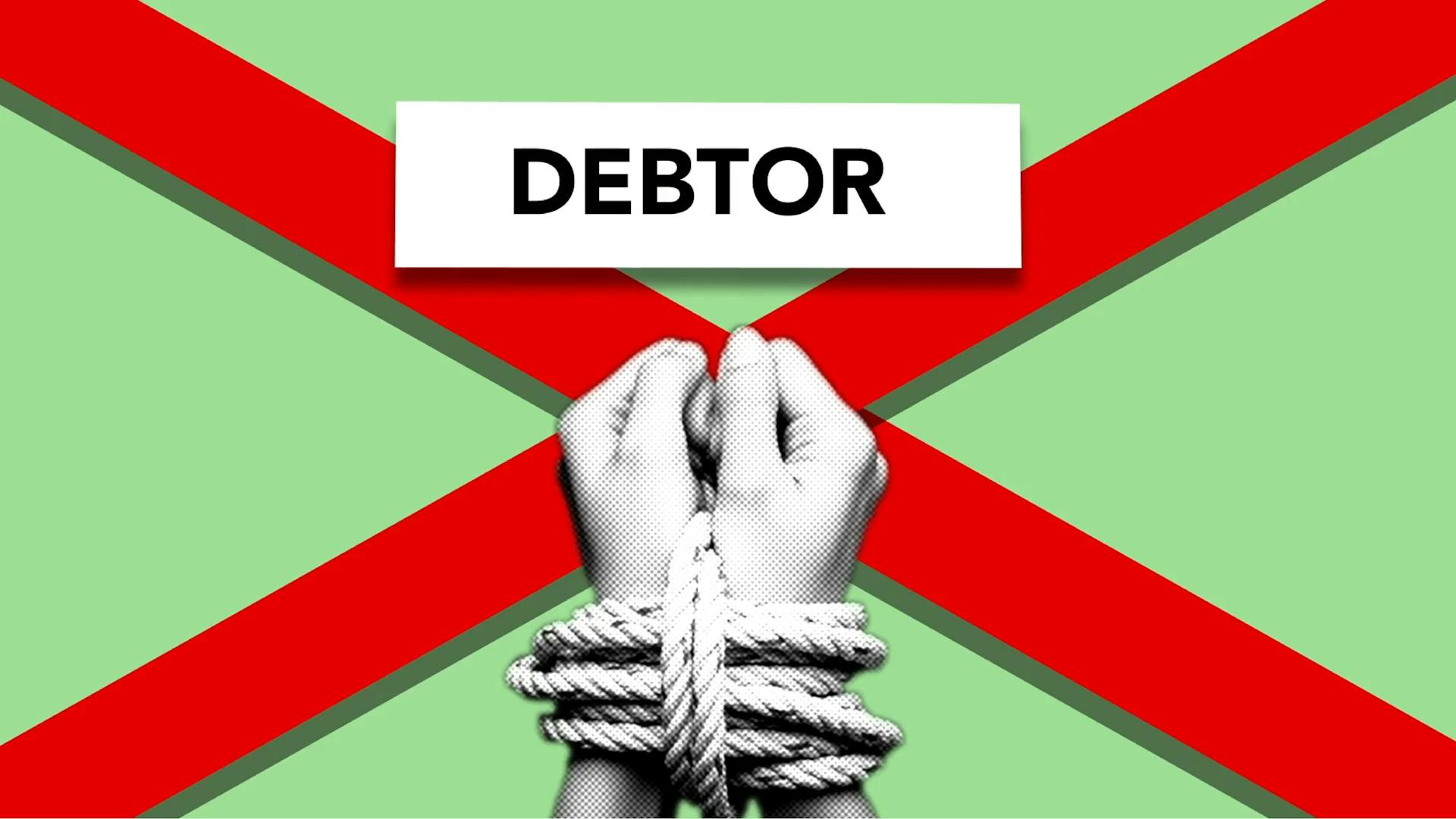
Distressed securities are a type of investment that involves purchasing securities at a discounted price due to the issuer's financial difficulties.
These securities can be bonds, loans, or other debt instruments that are trading at a lower value than their face value.
Investors who buy distressed securities are essentially taking on more risk in hopes of higher returns.
Distressed securities can be a good investment opportunity for those who are willing to take on the associated risks.
A fresh viewpoint: Distressed Securities Fund
What Are Distressed Securities?
Distressed securities are financial instruments issued by a company that's near to or currently going through bankruptcy. This can include common and preferred shares, bank debt, trade claims, and corporate bonds.
A security can also be considered distressed if it fails to meet certain covenants, such as maintaining a certain asset to liability ratio or a particular credit rating.
These covenants are obligations incorporated into the debt or security, and failing to meet them can lead to a substantial reduction in value.
As a result of the company's financial struggles, distressed securities can offer high-risk investors the potential for high returns. However, this comes with a significant risk of loss.
Understanding Distressed Securities
Distressed securities often appeal to investors who are looking for a bargain and are willing to accept risk. In some cases, these investors believe the company's situation is not as bad as it looks, and as a result, they anticipate their investments will increase in value over time.
Distressed securities are typically labeled as such when the company issuing them is unable to meet many of its financial obligations. In most cases, these securities carry a "CCC" or below credit rating from debt-rating agencies, such as Standard and Poor's or Moody's Investor Services.
Investors should be aware that companies that issue distressed securities often end up filing for bankruptcy. In most bankruptcies, equity—such as common shares—is rendered worthless.
Here are some key characteristics of distressed debt:
- A credit rating of CCC or lower
- A yield-to-maturity that is 1000 basis points greater than the risk-free rate of return
In contrast to junk bonds, which traditionally have a credit rating of BBB or lower, distressed securities have a lower credit rating.
Intriguing read: Lower of Cost or Market
Security Example
Let's take a closer look at security examples. A distressed security can offer a rate of return more than 1,000 basis points above a risk-free asset, such as a U.S. Treasury bill or Treasury bond.
Typically, this means a distressed corporate bond will have a rate of return of 11% or higher, based on the fact that one basis point equates to 0.01%. This can make distressed securities an attractive option for investors looking for high returns.
Worth a look: The Debt Snowball Method Involves . . .
Understanding Securities
Securities are labeled as distressed when the company issuing them is unable to meet many of its financial obligations. This often results in a "CCC" or below credit rating from debt-rating agencies like Standard and Poor's or Moody's Investor Services.
A key characteristic of distressed securities is their significantly discounted price. This is because the original holders of the issued securities sell them to new buyers at a lower price in hopes that the company will restructure and the securities will appreciate in value.
Distressed securities can be contrasted with junk bonds, which traditionally have a credit rating of BBB or lower. However, distressed securities have a credit rating of CCC or lower, making them an even riskier investment.
Companies that issue distressed securities often end up filing for bankruptcy, which can result in equity, such as common shares, becoming worthless. However, senior debt instruments, like bank debt, trade claims, and bonds, may yield some payout.
Intriguing read: Which Type of Debt Is Most Often Secured
Here's a breakdown of the different types of bankruptcies and their effects on distressed securities:
In general, investing in distressed securities is extremely risky, but it can also be lucrative for those who are willing to take on the risk.
Investing in Distressed Securities
Investing in distressed securities can be a high-risk, high-reward strategy. These securities are often issued by companies that are struggling financially, and investors may be able to purchase them at a deep discount.
Investors who buy distressed securities are typically large institutional investors, such as hedge funds and private equity firms, who have access to sophisticated risk management resources.
Distressed securities can be contrasted with junk bonds, which have a credit rating of BBB or lower. In contrast, distressed securities often carry a credit rating of CCC or below from agencies like Standard & Poor's and Moody's.
Investors in distressed securities often try to influence the process by which the issuer restructures its debt or turns around its operations. This can involve investing new capital into the distressed company or participating in the reorganization process.
For another approach, see: Cyclical Unemployment and Recession Often Arise from in Aggregate Demand.
Investing in distressed debt can be a viable opportunity for return potential, but it's essential to understand the risks involved. Distressed debt firms become major creditors of the distressed issuer and can prescribe the terms for reorganization.
Some of the key players in the distressed debt market include hedge funds, mutual funds, brokerage firms, and specialized debt funds. These investors typically have a high appetite for risk and are willing to take on the associated challenges.
To succeed in investing in distressed debt, it's crucial to have a complete understanding of bankruptcies, restructuring, and reorganization. This includes knowledge of the issuer's repayment priorities, interdependent obligations, collateral offered, and covenants.
Here are some key qualities to look for in an asset manager or investment advisor when it comes to distressed debt:
- Complete understanding of bankruptcies, restructuring, and reorganization.
- Credit research platform consisting of experienced and well-informed analysts.
- Knowledge regarding every segment of the capital structure of the issuing company.
- Ability to assess and ascertain the reason behind the issuer's distress.
- Liquidity and flexibility to exploit investment opportunities as they arise.
It's also essential to consider the risks involved in investing in distressed debt, including the potential for significant losses. However, for those who are willing to take on the associated risks, investing in distressed debt can be a lucrative opportunity.
If this caught your attention, see: Currency Trading Risks
Risk Management and Restructuring
Risk management is crucial in distressed debt investment, and highly specialized risk analysts are key to success. They depend on accurate market data from institutions like CDX High Yield Index and India-based Gravitas, which combines risk management software with sophisticated risk analysis using advanced analytics and modeling.
Distressed debt funds typically purchase more than 25% of the high-yield market's supply by 2006. New issues rated CCC to CCC− were at an all-time high of $20.1 billion by 2006. Other buyers include brokerage firms, mutual funds, private equity firms, and specialized debt funds like collateralized loan obligations.
To assess the risk impact of market events, risk analysts produce customized scenarios. Gravitas uses IBM Risk Analytics technology to help hedge funds meet regulatory requirements and optimize investment decisions. This technology is also used by major banks to manage risk.
Recommended read: Verisk Analytics
Risk Management
Risk management is a crucial aspect of distressed debt investing. It requires highly specialized risk analysts and experts in credit to be successful. They rely on accurate market data from institutions like CDX High Yield Index and India-based Gravitas.
Gravitas combines risk management software with sophisticated risk analysis using advanced analytics and modeling. This produces customized scenarios that assess the risk impact of market events. IBM Risk Analytics technology, formerly Algorithmics, is used by Gravitas to help hedge funds meet regulatory requirements and optimize investment decisions.
Companies in financial distress often sell their debt or equity securities to new buyers. Private investment partnerships like hedge funds have been the largest buyers of distressed securities, purchasing more than 25% of the high-yield market's supply by 2006. Other buyers include brokerage firms, mutual funds, private equity firms, and specialized debt funds like collateralized loan obligations.
In the United States, the market for distressed securities is the most developed. The international market, particularly in Europe, has become more active in recent years due to increased leveraged lending, stricter capital standards for banks, standardized accounting treatment of non-performing loans, and modernized insolvency laws.
Investors in distressed securities must assess not only the issuer's ability to improve its operations but also the restructuring process, which frequently requires court supervision.
Suggestion: First Time Home Buyer Plan Rrsp
Restructuring or Turnaround
Restructuring or Turnaround is a key strategy for distressed credit funds. They may use equity to buy target companies before or during an expected bankruptcy process.
The goal is to gain control of companies under par value and then restructure them. This can be a complex and challenging process, but it can also be highly rewarding for investors who are able to successfully turn around a distressed company.
Companies under par value are often those with a credit rating of CCC or lower. This means they have a higher risk of default and are considered distressed securities.
Investors who are able to successfully restructure a company can see a significant return on their investment. However, this requires a deep understanding of the company's financials and a well-thought-out plan for restructuring.
For another approach, see: Société Par Actions Simplifiée
Trading and Active Non-Control
Trading and Active Non-Control involve different approaches to distressed debt investing. Distressed debt trading, for instance, involves purchasing debt obligations that are undervalued, with the goal of reselling them at a higher valuation.
The holding period for distressed debt trading is typically short, making it the most liquid among distressed debt investment approaches. This strategy also generally involves less risk tolerance compared to active non-control strategies.
Active non-control strategies, on the other hand, aim to accumulate significant positions in companies that appear likely to declare bankruptcy or are already experiencing a restructuring process. This approach typically requires a longer holding period and a greater level of risk tolerance.
For another approach, see: Forex Trading Scalping Strategies
Trading
Trading is a key aspect of distressed debt investment, and it involves purchasing debt obligations at a distressed level with the goal of reselling them at a higher valuation.
Funds employing distressed debt trading strategies typically seek to invest in debt obligations they believe are undervalued.
The holding period on this type of investment is usually short, making it the most liquid among distressed debt investment approaches.
Short holding periods allow for quick turnaround and can help minimize losses if market conditions change.
Explore further: Is Interest on Us Savings Bonds and Treasury Obligations Taxable
Active Non Control

Active non-control strategies involve accumulating positions in companies likely to declare bankruptcy or already in a restructuring process.
This approach requires a longer holding period, which can be a challenge for investors.
Active non-control strategies aim to gain influence in bankruptcy negotiations to maximize returns, but the fund's interests remain subordinate.
In some cases, litigation costs can limit potential returns.
As a complex procedure, this strategy necessitates a greater level of risk tolerance and a larger, more concentrated position.
Investors should be prepared for the possibility of significant losses if the company's restructuring efforts fail.
Suggestion: Active Labour Market Policies
Financial Modeling and Return
Distressed debt offers a rate of return 1000 basis points higher than the risk-free rate of return. This is because it's a high risk/high return debt security.
The potential for default is high due to the financially distressed position of the issuer, but financial distress can also be a precursor to corporate restructuring. In such cases, the company may be saved from bankruptcy and/or liquidation, and the debt security is likely to be repaid in full.
You might enjoy: Patricia Lopez / Bloomberg Opinion
Financial Modeling Applications
In investment banking and corporate finance, financial models are crucial for capturing the impact of financial distress on a firm's entire capital structure.
Financial models help analysts factor in the impact of financial distress on a firm's capital structure.
Building a financial model is essential for professionals in these fields to make informed decisions.
A financial model can fully capture the impact of financial distress by showing the balance sheet of the business.
This allows analysts to consider the entire capital structure of a firm, including its financial situation.
Worth a look: Financial Distress
Rate of Return
Distressed debt offers a rate of return 1000 basis points higher than the risk-free rate of return, making it a high-risk, high-return debt security.
Financially distressed issuers have a high potential for default, but this distress can also be a precursor to corporate restructuring.
In the event of successful restructuring, the debt security is likely to be repaid in full, making it a potentially lucrative investment opportunity.
The high rate of return on distressed debt is due to the high risk associated with investing in debt from financially distressed issuers.
This higher return is a trade-off for the increased risk of default, which can result in significant losses for investors.
You might like: Pennsylvania Higher Education Assistance Agency
Argentina
Argentina's experience with distressed securities is a sobering reminder of the complexities involved. In 2001, Argentina defaulted on its debt, much like Peru's economic struggles in the 1980s.
The country's creditors, including Elliott Associates, were left with worthless bonds. Elliott, which had purchased defaulted loans from Peru for a discounted price, was not included in Argentina's debt restructuring efforts.
Elliott's lawsuit against Argentina was ultimately successful, with the court ruling in its favor and ordering Argentina to pay $1.4 billion. This decision was based on the "pari passu" clause, which states that no creditor can be given preferential treatment.
Argentina's debt restructuring efforts were marred by controversy and disputes among creditors.
For your interest: Central Reserve Bank of Peru
General Information and Strategy
Distressed securities are typically held by institutional investors who have access to sophisticated risk management resources. These investors often use distressed debt as an alternative investment strategy.
Large institutional investors, such as hedge funds and private equity firms, are major buyers of distressed securities. They buy the debt at a deep discount and aim to realize a high return if the company or country does not go bankrupt or experience defaults.
Readers also liked: Institutional Memory
Distressed debt investments earned well above average returns in 2006, according to a report by Edward Altman. More than 170 institutional distressed debt investors were active in the market at that time.
The most common distressed securities are bonds and bank debt. Fixed-income instruments with a yield to maturity in excess of 1,000 basis points over the risk-free rate of return are commonly thought of as being distressed.
Distressed securities often carry ratings of CCC or below from agencies such as Standard & Poor's, Moody's, and Fitch.
Featured Images: pexels.com