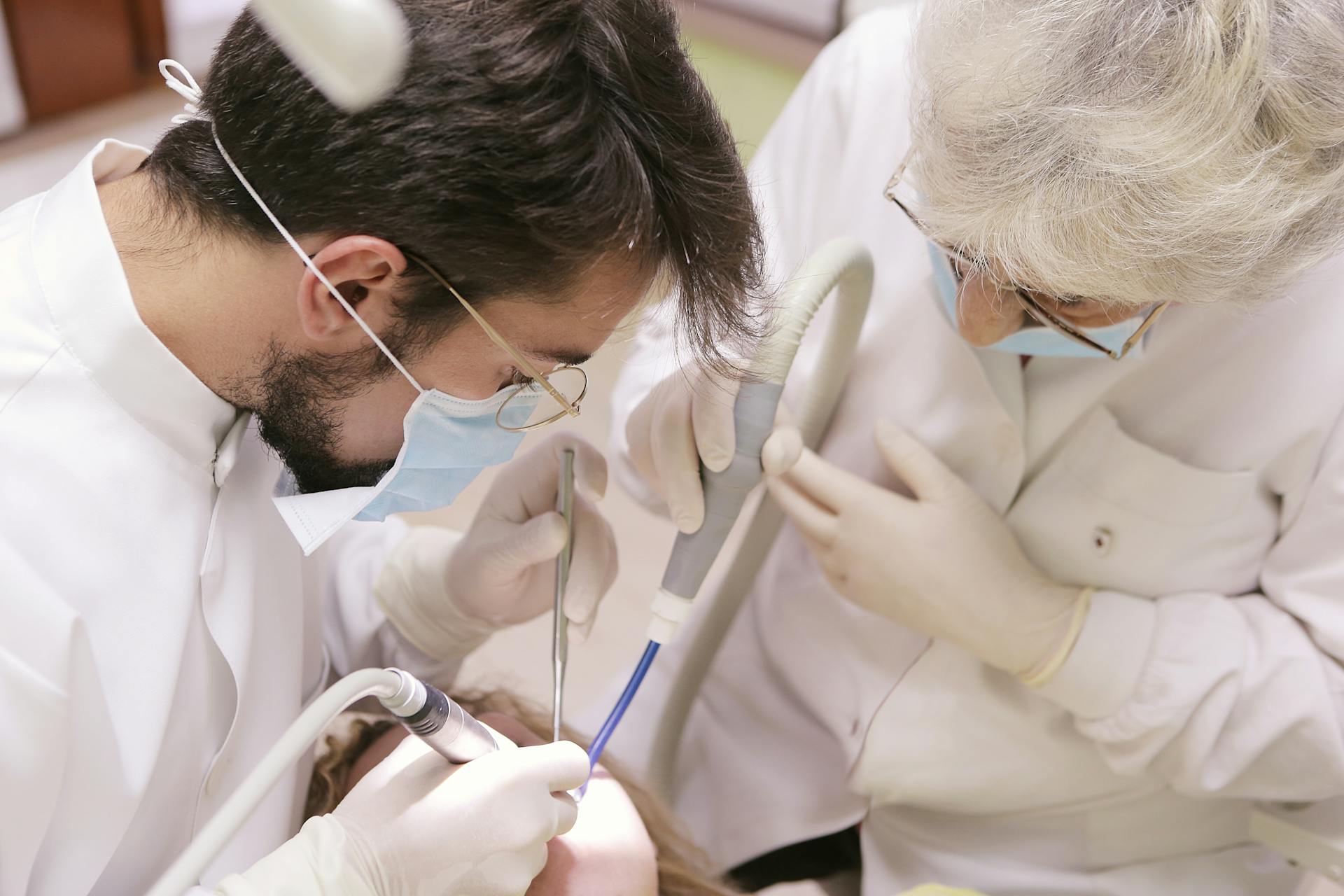
Dental insurance scams can be sneaky and costly, but there are ways to prevent and detect them. Be wary of unsolicited phone calls or emails from companies claiming to offer dental insurance at a significantly lower price than your current plan.
In the US, dental insurance scams often target seniors and low-income individuals, who may not have the financial resources to cover unexpected dental expenses. These scams can result in financial losses of up to $10,000 or more.
To avoid falling victim to dental insurance scams, it's essential to verify the legitimacy of any company or policy before making a purchase. Check if the company is licensed and registered with your state's insurance department, as required by law.
Intriguing read: Roofing Insurance Scams
Dental Insurance Scams
Dental insurance scams can be a major headache for both patients and dental practices. They often involve deceptive practices that manipulate the insurance billing process to unlawfully profit at the expense of patients or insurance providers.
Discover more: Credit Card Debt Forgiveness for Cancer Patients

To identify dental insurance scams, be wary of third-party billing services that promise significantly higher reimbursements for a fee. These services might employ unethical billing practices that could implicate your dental practice in fraud.
Verify the legitimacy of insurance claims before processing them. Scammers might use stolen patient information to submit fraudulent claims.
Review your Explanation of Benefits (EOB) carefully. Look for charges for services you did not receive or discrepancies in the dates of service.
Be cautious of offers for free services in exchange for your insurance information. These offers could be a setup for billing your insurance for procedures you never received.
To prevent dental insurance scams, create an environment of transparency and open communication between dental practices and patients. Educate staff and patients about the signs of insurance scams and encourage them to ask questions and report anomalies.
Here are some common signs of dental insurance scams:
- Poor communication from your dentist about the need for a procedure
- Urgency without explanation about a given treatment
- Unnecessary X-rays being taken
- Poor patient reviews
- Suspicious pricing for dental procedures
If you suspect a dental insurance scam, report it to the relevant authorities, including insurance companies and regulatory bodies. Your vigilance can help prevent future occurrences and protect the integrity of dental care services.
Understanding Dental Billing
Dental billing fraud is a serious issue that can have severe consequences for both patients and dental practices. It's a critical problem that undermines the integrity of the dental profession.
Dental billing fraud includes upcoding, where a more expensive service is billed than the one provided, and unbundling, where separate charges are made for procedures that should be billed together at a lower cost. These practices can lead to unfair charges for patients.
Billing for non-performed services is another form of fraud, where patients are charged for procedures or services that were never rendered. Misrepresentation, where patients are falsely diagnosed to justify unnecessary procedures, is also a common form of dental billing fraud.
Patients can play a crucial role in identifying and preventing dental billing fraud by asking for detailed explanations of their bills and questioning charges that seem unclear or unjustified. Transparency in billing practices is key to maintaining trust between patients and providers.
To ensure ethical billing practices, dental practices should use the correct codes for billing purposes, clearly communicate the costs of treatments and services to patients, and obtain informed consent before performing procedures. Regular training and audits of billing practices can also help prevent errors and maintain compliance with legal standards.
Here are some common forms of dental billing fraud:
- Upcoding: Billing for a more expensive service than the one provided.
- Unbundling: Charging separately for procedures that should be billed together at a lower cost.
- Billing for Non-Performed Services: Charging for procedures or services that were never rendered.
- Misrepresentation: Falsely diagnosing patients to justify unnecessary procedures for the sake of higher insurance payments.
Implementing Auditing and Compliance Programs
Implementing auditing and compliance programs is a crucial step in preventing dental insurance scams. Regular audits of billing procedures can help identify errors or inconsistencies early on, allowing for timely corrections.
To establish an effective auditing and compliance program, dental practices should provide ongoing training for all staff members on the latest compliance regulations and ethical billing practices. Educated employees are less likely to commit errors or engage in fraudulent activities.
Clear billing policies and procedures should be developed and communicated to all staff members. These policies should outline the steps for accurate coding, billing, and handling of insurance claims, as well as procedures for addressing billing disputes with patients.
For another approach, see: How to Become a Hipaa Compliance Officer
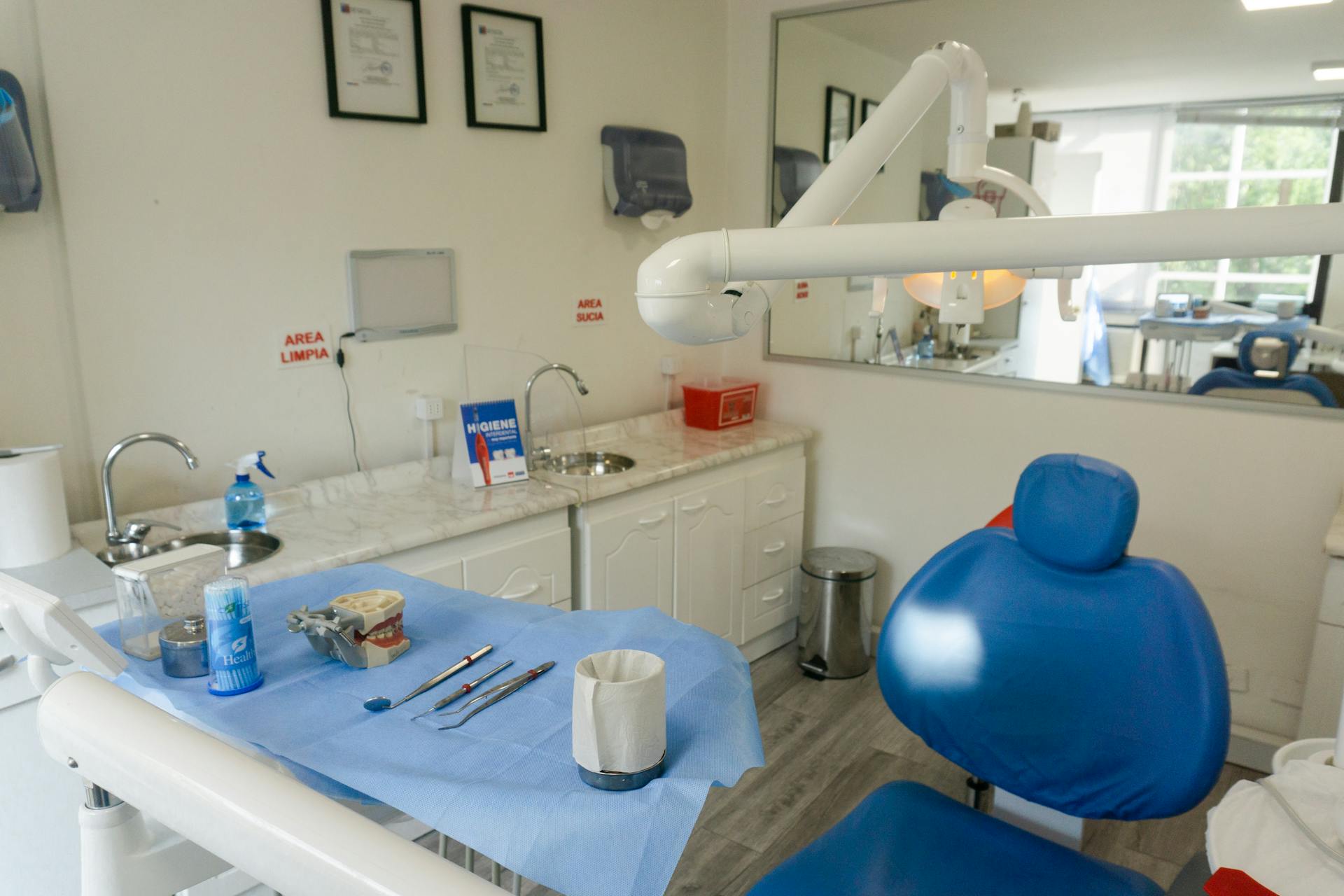
Using technology solutions can also help automate and monitor billing processes, flagging potential errors or inconsistencies. Many modern dental practice management systems include features designed to aid in compliance efforts.
An open-door policy regarding billing questions or concerns can help prevent misunderstandings and potential billing issues. Encouraging staff to ask questions and report any concerns can help maintain a culture of transparency and integrity.
Here are some key elements to include in an auditing and compliance program:
- Regular audits of billing procedures
- Ongoing training for staff members on compliance regulations and ethical billing practices
- Clear billing policies and procedures
- Use of technology solutions to automate and monitor billing processes
- Open lines of communication regarding billing questions or concerns
- External compliance resources, such as audits or expert advice
By prioritizing accuracy, transparency, and ethical standards, dental practices can build trust with their patients and ensure the long-term success and reputation of their practice.
Legal Consequences and Protection
If you're accused of dental insurance fraud, you could face severe financial penalties and restitution, which can be a huge burden on your practice.
Dental fraud can lead to a loss of license and professional credentials, effectively ending your career as a dentist.
Criminal charges, including fraud, theft, and embezzlement, are also possible, resulting in prison sentences.
If this caught your attention, see: Bcbs Fraud Department
The reputational damage from being associated with dental fraud can be devastating, eroding patient trust and leading to the loss of professional partnerships.
Increased scrutiny and audits are a common consequence of being implicated in dental fraud, disrupting practice operations and causing additional stress for staff members.
Here are the potential legal consequences of dental fraud:
To protect yourself and your practice, consider hiring a dental insurance fraud lawyer who can help you develop a strategic defense.
Prevention and Detection
To prevent dental insurance scams, it's essential to be aware of potential red flags. Dental professionals need to be educated on dental fraud and abuse practices to know how to spot them.
Dental practices should be wary of third-party billing services that promise significantly higher reimbursements for a fee. These services might employ unethical billing practices that could implicate your practice in fraud.
Verify the legitimacy of insurance claims before processing them. Scammers might use stolen patient information to submit fraudulent claims.
Discover more: Anthem Bcbs Claims Mailing Address
Review your Explanation of Benefits (EOB) carefully. Look for charges for services you did not receive or discrepancies in the dates of service.
Poor communication is a significant sign of a potential dental scam. If a dentist can't explain why you need a certain procedure, it's a bad sign.
Here are some warning signs to watch out for:
Both dentists and patients should report suspicious activities to relevant authorities, including insurance companies and regulatory bodies. Reporting these scams can help prevent future occurrences and protect the integrity of dental care services.
Insurance and Regulation
Having insurance can provide some protection against dental scams, but it's not a foolproof safeguard.
Insurance can prevent you from falling into a dental insurance scam if you already have real insurance, making you less of a target for fake insurance providers.
Having insurance may also make it harder for a clinic to deceive you about pricing, as they'll have to bill your insurance provider.
Insurance providers can't completely eliminate the potential for deceptive billing practices, even with insured patients.
Recommended read: Bcbs Advocate Hmo Providers
Investigations and Penalties
If you're involved in a dental insurance scam, be aware that federal authorities can freeze your bank accounts and assets while an investigation is pending.
Making false statements or material misrepresentations on a Medicaid application can result in up to five years in jail.
Criminal penalties for participating in a willful scheme to defraud health insurers can be as severe as ten years in prison.
Improperly filing a claim for payment of dental or other health services can result in a fine of up to $10,000 per improper claim.
Federal authorities can impose a wide range of penalties for dental insurance scams, from fines to jail time.
Suggestion: Bcbs Corrected Claim Form
Next Steps
Dental practices should review their billing practices to ensure they align with the highest standards of ethical and legal compliance.
Regular training and clear billing policies are instrumental in fostering an environment where ethical billing practices are the norm.
Patients should stay informed about their dental coverage and remain vigilant about the billing aspects of their dental care.
Requesting detailed bills and not hesitating to question charges can protect patients against fraudulent billing practices.
Reporting suspected fraud contributes to a larger culture of accountability and transparency in healthcare.
Featured Images: pexels.com