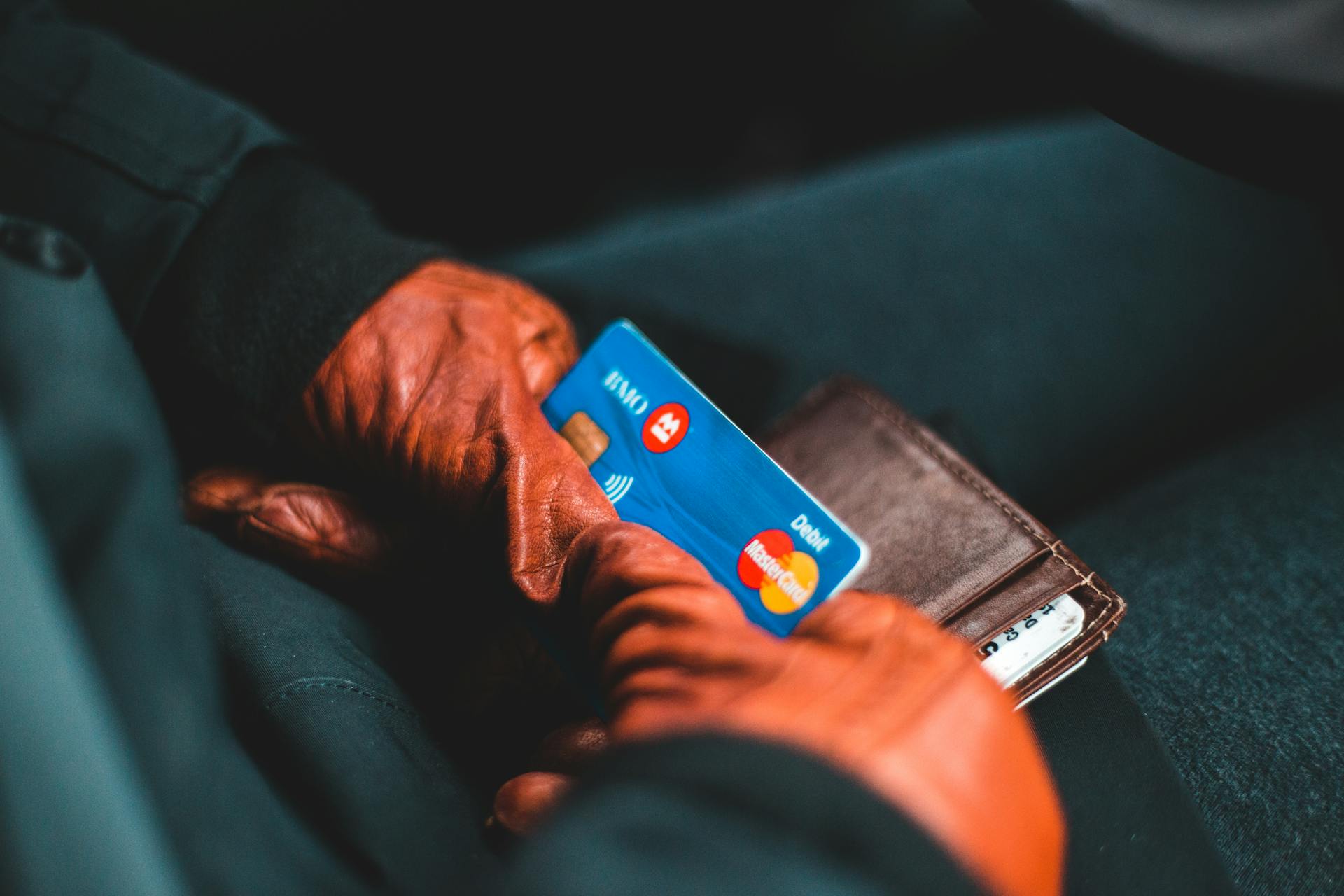
If you're looking for a credit card for everyday use, there are many options to choose from. With so many different types of cards available, it can be overwhelming to decide which one is right for you.
Some credit cards are designed with rewards in mind, offering cash back or points for every purchase. For example, the Discover it Cash Back card offers 5% cash back on various categories throughout the year, such as gas stations or grocery stores.
However, not all credit cards are created equal. Factors like interest rates, fees, and credit limits can greatly impact your financial situation. Be sure to consider these factors when choosing a credit card.
The Citi Simplicity Card, for instance, has a 0% introductory APR and no annual fee, making it a great option for those who want to avoid interest charges.
Pros and Cons
Using a credit card for everyday purchases can have its advantages and disadvantages. The benefits of using a credit card for everyday purchases far outweigh the drawbacks.
Readers also liked: How to Use Digital Wallet Online
Using your credit card for everyday purchases can help you build credit, opening the door to better rates on future loans and credit cards. This is especially true if you pay off your balance in full each month.
You can earn rewards with your credit card for everyday purchases, such as cash back, gift cards, or travel. Some cards offer higher cash back rates for everyday items, like purchases at gas stations or grocery stores.
If you're trying to keep track of your purchases and maintain a budget, checking your credit card statement can help. It's a good way to get an idea of what you're spending each month.
Using a credit card can also reduce your reliance on carrying cash. You'll rarely need to stuff your wallet full of bills.
Some credit cards offer protections, such as limiting cardholders' liability to $50 for unauthorized transactions. If your credit card is lost or stolen, you may be reimbursed for fraudulent transactions if you report the card as stolen quickly.
Online shopping is a quick and convenient way to make everyday purchases with your credit card.
For more insights, see: Credit Cards Debt Help
Using Credit Cards Responsibly
Using credit cards responsibly is crucial for getting the most out of your card and avoiding financial pitfalls.
Pay off your balances in full each month if possible, to avoid interest and late fees. This will help you stay on top of your finances and avoid accumulating debt.
A low credit utilization ratio is key to maintaining a healthy credit score. Keep your balance low, aiming for a ratio of 30% or less, and never max out your card.
Budgeting is essential for making payments manageable. Create a budget within your means and stick to it, using a mobile banking app to track your spending and make payments on time.
Redeem your cash back rewards for statement credits to apply the money directly to your balance. This can help you pay off your card more quickly and reduce your debt.
Here are some key tips to keep in mind:
- Pay off your balances in full each month.
- Keep your credit utilization ratio at or below 30%.
- Make on-time payments to build positive credit.
- Redeem your cash back rewards for statement credits.
Choosing the Right Card
Choosing the right credit card for everyday use can be a daunting task, but it's essential to make the most of your spending.
To start, you should consider your everyday spending habits and financial goals. If you travel frequently, a travel card with bonus categories for everyday purchases might be a good fit.
Look over your monthly budget to determine where you spend the most. This will help you choose a card that earns high rewards on your most common purchases. For example, if your grocery bill tops the list, a card that offers bonus rewards at grocery stores or wholesale clubs could be a good choice.
Deciding between an annual fee card and a no annual fee card is also crucial. Annual fee cards often come with better rewards rates and perks, but you'll need to ensure you'll earn enough rewards or take advantage of the perks to offset the cost.
If you prefer a low-maintenance option, consider a flat-rate rewards card that earns the same rewards rate on all purchases. However, if you're willing to put in some effort, a rotating bonus or tiered card can offer greater earning potential.
Some rewards cards, like the Bank of America Customized Cash Rewards credit card, allow you to customize your bonus category, so you can earn extra rewards on specific purchases.
Intriguing read: Loan Application Fee
Here are some top no-annual-fee credit cards to consider:
- Chase Freedom Unlimited
- Chase Freedom Flex
- Wells Fargo Active Cash Card
- Bilt Mastercard
- Wells Fargo Attune Card
- Capital One Savor Cash Rewards Credit Card
- Discover it Cash Back
- Blue Cash Everyday Card from American Express
When evaluating credit cards, remember that the best cards should earn more than 1% cash back or equivalent rewards on common expenses.
Credit Card Benefits
Using credit cards for everyday purchases can be a great way to earn rewards and benefits. You should use your credit card for purchases you would have made anyway, like groceries, gasoline, and utility bills.
One of the best arguments for using credit cards for everyday purchases is the potential to earn rewards in the form of cash back or points. If you pay off your credit card balance at the end of each month, your rewards earning potential increases drastically.
The best credit cards should earn more than 1% cash back or equivalent rewards on common expenses. A flat-rate 2% cash back credit card like the Wells Fargo Active Cash Card is a great option for maximizing rewards.
Consider reading: Credit Cards That Offer Flashy Rewards like Airline Miles Often
Using a credit card for everyday purchases can help you strategically earn rewards, especially if you have a card with rotating bonus categories. For example, if you use your card for travel or dining, you can earn a higher rewards rate on those purchases.
Choose a rewards card that aligns with your spending habits and preferences. This will help you maximize your perks and earn rewards on your everyday purchases.
Related reading: Best Rewards Charge Card
Credit Card Options
To maximize rewards, consider using a flat-rate 2% cash back credit card like the Wells Fargo Active Cash Card or a card with elevated bonuses like the Chase Freedom Flex.
The Wells Fargo Active Cash Card is a great option for flat-rate rewards, with no annual fee and the ability to earn 2% cash back on all purchases.
Some credit cards also offer rotating bonus categories, such as the Discover it Cash Back, which offers 5% cash back on quarterly rotating categories.
Broaden your view: Chase 2 Cash Back Card
You can also look for cards that offer more than 1% cash back on common expenses, such as the Wells Fargo Attune Card, which earns 4% cash back on select self-care, pet care, and entertainment purchases.
Here are some top credit cards for everyday spending:
Top Spending Options
If you're looking for a credit card that earns more than 1% cash back on everyday purchases, consider a flat-rate 2% cash back credit card like the Wells Fargo Active Cash Card or a card with elevated bonuses like the Chase Freedom Flex.
These cards offer generous rewards, but it's essential to use them responsibly.
To maximize rewards, look for credit cards that earn more than 1% cash back on common expenses, such as groceries, gas, and travel.
Some top credit cards for everyday spending include the Wells Fargo Active Cash Card, Discover it Cash Back, and Bank of America Customized Cash Rewards credit card.
Related reading: Wells Fargo Cash Back Debit Card
These cards offer various rewards programs, sign-up bonuses, and promotional APRs that can help you save money and earn rewards.
Here are some key features to consider when choosing a credit card for everyday spending:
Some credit cards offer cash back on specific categories, such as the Discover it Cash Back, which earns 5% cash back on up to $1,500 spent each quarter in rotating bonus categories.
However, it's essential to note that some cards may have rotating categories, and rewards may vary.
Ultimately, the best credit card for you will depend on your individual spending habits and financial goals.
American Express Blue Cash Preferred Annual Fee Upgrade
The American Express Blue Cash Preferred Annual Fee Upgrade is a significant upgrade from the no-annual-fee Blue Cash Everyday Card.
It earns 6% back on the first $6,000 spent at U.S. supermarkets per calendar year, and 1% after.
You'll also get 6% back on select U.S. streaming services, which is a nice perk for those who spend a lot on subscription services.
See what others are reading: Does Zelle Charge a Fee for Business Account
The higher earning rate on the Preferred makes it worth paying the annual fee for many people, especially those who regularly spend a lot at U.S. supermarkets or on streaming services.
The annual fee is a consideration, but for those who can take advantage of the higher earning rates, it's a worthwhile investment.
Expand your knowledge: Credit Cards with Higher Limits
Applying and Fees
To apply for a no-annual-fee credit card, simply navigate to the card you want and click on the "Apply Now" button. You'll be asked to fill in some personal information, including your full name, date of birth, Social Security Number, home address, and income-related data.
The application process is quite straightforward, and in most cases, you'll receive an instant approval notification or see a screen that tells you your application is either under review or that you've been denied.
Before choosing a rewards credit card, ensure the rewards exceed any annual fees associated with the card, as some credit card issuers charge annual fees. Discover has no annual fee on any of its cards.
Additional reading: What Is Apy in Banking Terms
Check for Fees

You need to check for fees before choosing a credit card. Some credit card issuers charge an annual fee, but you can keep more money in your pocket with no annual fee, like Discover.
Discover has no annual fee on any of its cards, which means you have more money to spend where it matters. Some credit cards assess fees for certain charges, like foreign transaction fees.
If you often travel internationally, a card with foreign transaction fees could cost you more, with fees ranging from 3% to 5% of the purchase amount. Note that Discover and Capital One don't charge foreign transaction fees on their credit cards.
Paying a credit card annual fee makes sense if the benefits you get are worth more than the annual fee, but you need to weigh the costs against the rewards.
Additional reading: Electronic Transaction for Payment Explanation
How to Apply for a No-Annual-Fee Card
Applying for a no-annual-fee credit card is a straightforward process. You can start by getting your FICO Score for free to see personalized offers based on your credit profile.

To get started, sign up for free and see your top credit card matches based on your credit profile and spending habits. This will give you a good idea of which cards you're eligible for.
You'll need to fill in some personal information including your full name, date of birth, Social Security Number (SSN), home address, and income-related data. This is a standard part of the application process.
You'll either receive an instant approval notification or see a screen that tells you your application is either under review, or that you've been denied. If you are denied or your account requires further review, you'll typically receive an adverse action notice in the mail explaining why.
Expand your knowledge: Credit One Credit Cards Review
Check Pre-Approval Status
You can check your pre-approval status without any harm to your credit score.
The process is straightforward: see if you're pre-approved.
This means you can get an idea of your chances of getting approved for a loan without affecting your credit score.
No harm, no foul – just a quick assessment of your eligibility.
Check this out: Personal Line of Credit Pre Approval
Impact on Credit Scores
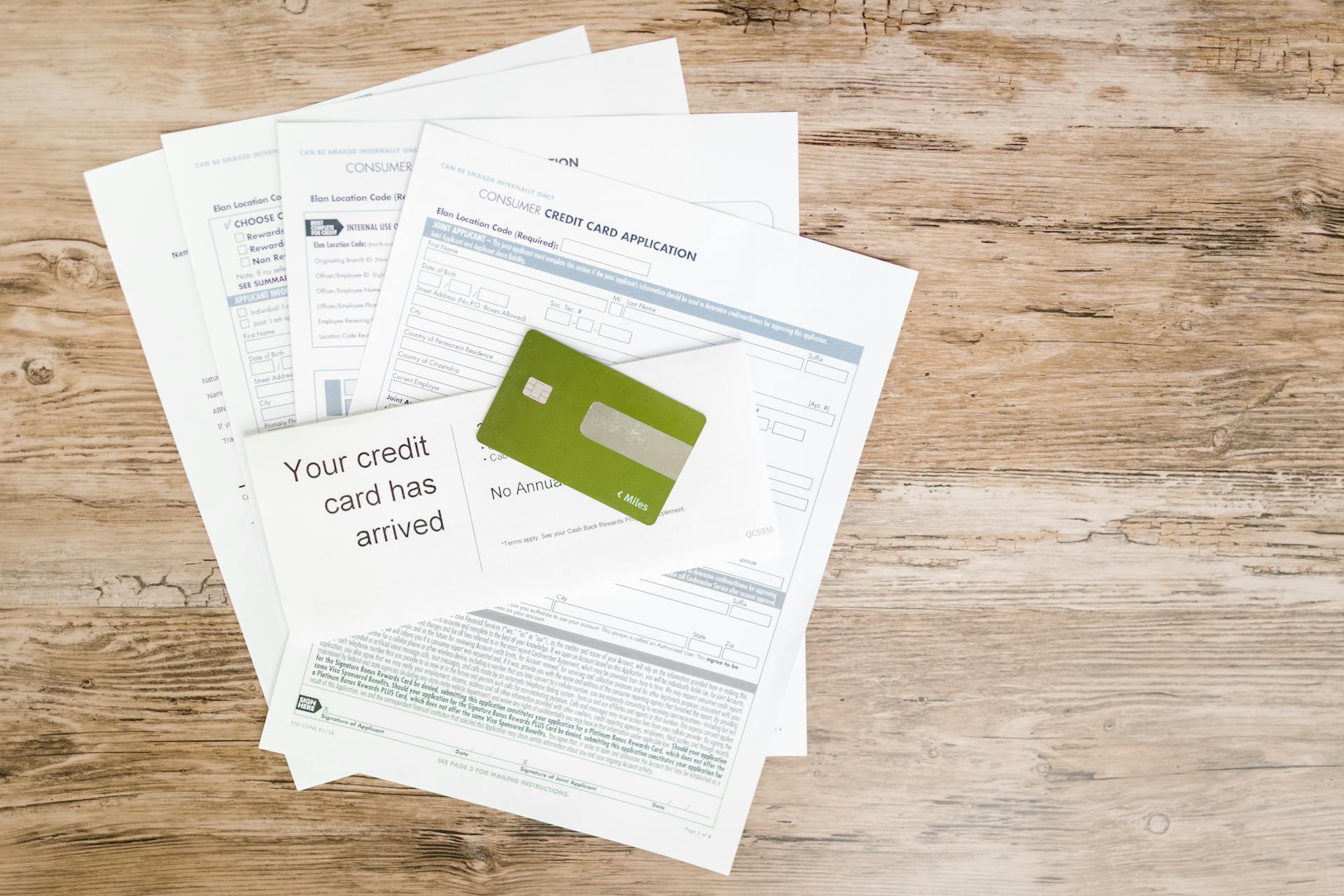
Using a credit card for everyday purchases can have a significant impact on your credit score. This is because credit card companies report your payment history and credit utilization to the credit bureaus, which in turn affect your credit score.
A history of making credit payments on time is the largest factor that determines your credit score. To build this history, set up autopay for at least the minimum payment and pay off your balance in full every month to avoid late fees and credit card debt.
Maintaining a low credit utilization ratio is also beneficial to your credit score. This means keeping your balance below 30% of your available credit limit. For example, if you have a card with a $10,000 credit limit, try to keep your balance below $3,300.
Paying your bills on time each month and repaying your monthly statement balance in full will give you the best results. This will help you build a positive credit history and improve your credit score over time.
Here are some key factors to keep in mind when using a credit card for everyday purchases:
Featured Images: pexels.com