Nestlé has been at the center of numerous controversies over the years. The company's history of prioritizing profits over people's lives is a stark reminder of the consequences of unchecked corporate greed.
The 1970s saw a devastating scandal surrounding Nestlé's baby formula, which was marketed aggressively in developing countries despite the availability of free or low-cost breast milk. This led to the deaths of thousands of babies, who were forced to switch to the formula due to a lack of clean water and proper sanitation.
Nestlé's aggressive marketing tactics were not limited to baby formula; the company has also been accused of exploiting children in its cocoa supply chain. In some West African countries, children as young as six years old are forced to work on cocoa farms, where they are exposed to hazardous conditions and subjected to physical and emotional abuse.
The company's environmental record is also a cause for concern, with Nestlé facing criticism for its water bottling practices.
Broaden your view: Criticism of the Walt Disney Company
Baby Formula Controversies
Nestlé has been at the center of a major controversy surrounding its baby formula, which has been linked to the deaths of millions of infants in developing countries.
The company's aggressive marketing tactics in the 1970s convinced many mothers that its formula was better for their children than breast milk. This claim is categorically false.
Millions of women were deceived into using Nestlé's formula, often diluting it with unsanitary water, which further reduced its nutritional value. The result was catastrophic, with millions of infants dying and many more growing up nutritionally deficient.
Nestlé's actions were not only morally reprehensible but also financially lucrative, with the company pocketing billions in revenue from baby formula sales.
Today, the misconception that formula is better than breast milk still persists, and the baby formula market remains a booming industry, worth $11.5 billion.
The company's marketing practices have been widely criticized, with many accusing Nestlé of exploiting vulnerable women and prioritizing profits over people's lives.
Despite the company's claims that its formula is an adequate substitute for breast milk, the scientific consensus is clear: breast milk is the best nutrition for infants, and formula should only be used when necessary.
Nestlé has implemented policies to prevent the comparison of its formula with breast milk, but many still view its marketing as irresponsible and dangerous.
In fact, a report by Baby Milk Action found 107 instances of non-compliance with Nestlé's baby milk marketing policy in 2019, and a 2019 report from Changing Markets Foundation found that Nestlé was still comparing its own products with human milk.
Child Labour and Exploitation
Nestlé was sued by eight former child slaves in 2021 for allegedly aiding and abetting the illegal enslavement of thousands of children on cocoa farms in their supply chains.
The lawsuit accused Nestlé, alongside other major chocolate companies, of allowing forced labor on their Ivory Coast cocoa plantations.
A US District Court dismissed the case in 2022 due to a lack of evidence linking Nestle to specific plantations.
Nestlé had previously promised to phase out child labor by 2005, then 2020, but these claims are still being investigated.
A report by Utopia.org in 2021 highlighted allegations of child labor in cocoa farms in the Ivory Coast.
Environmental Concerns
Nestle's environmental concerns are a major issue, with plastic pollution being a significant problem. The company's packaging practices have contributed to plastic waste management concerns, with critics questioning their approach to recycling.
Critics point out that despite Nestle's pledge to design over 95% of its plastic packaging for recycling by 2025, allegations have surfaced about the incineration of plastic waste, leading to environmental pollution.
Nestle's operations in Pakistan have also raised concerns about groundwater exploitation, with forensic audits revealing water wastage and contamination.
The company's bottled water business has also faced criticism, with Nestle extracting millions of gallons of water from California creek networks, leading to drying up of surface water resources.
Nestle's water extraction practices have been met with boycotts from non-profit organizations and indigenous rights groups, highlighting the need for sustainable water management practices.
Recommended read: What Is Stella Guidry Nestle's Background?
Nestlé's Environmental Concerns
Nestlé's packaging practices contribute to plastic pollution concerns. Critics question the company's approach to plastic waste management, with allegations of incinerating plastic waste and causing environmental pollution.
The company's pledge to design over 95% of its plastic packaging for recycling by 2025 seems hollow. Despite this promise, forensic audits in Pakistan revealed water wastage and contamination, prompting scrutiny over Nestlé's water management practices.
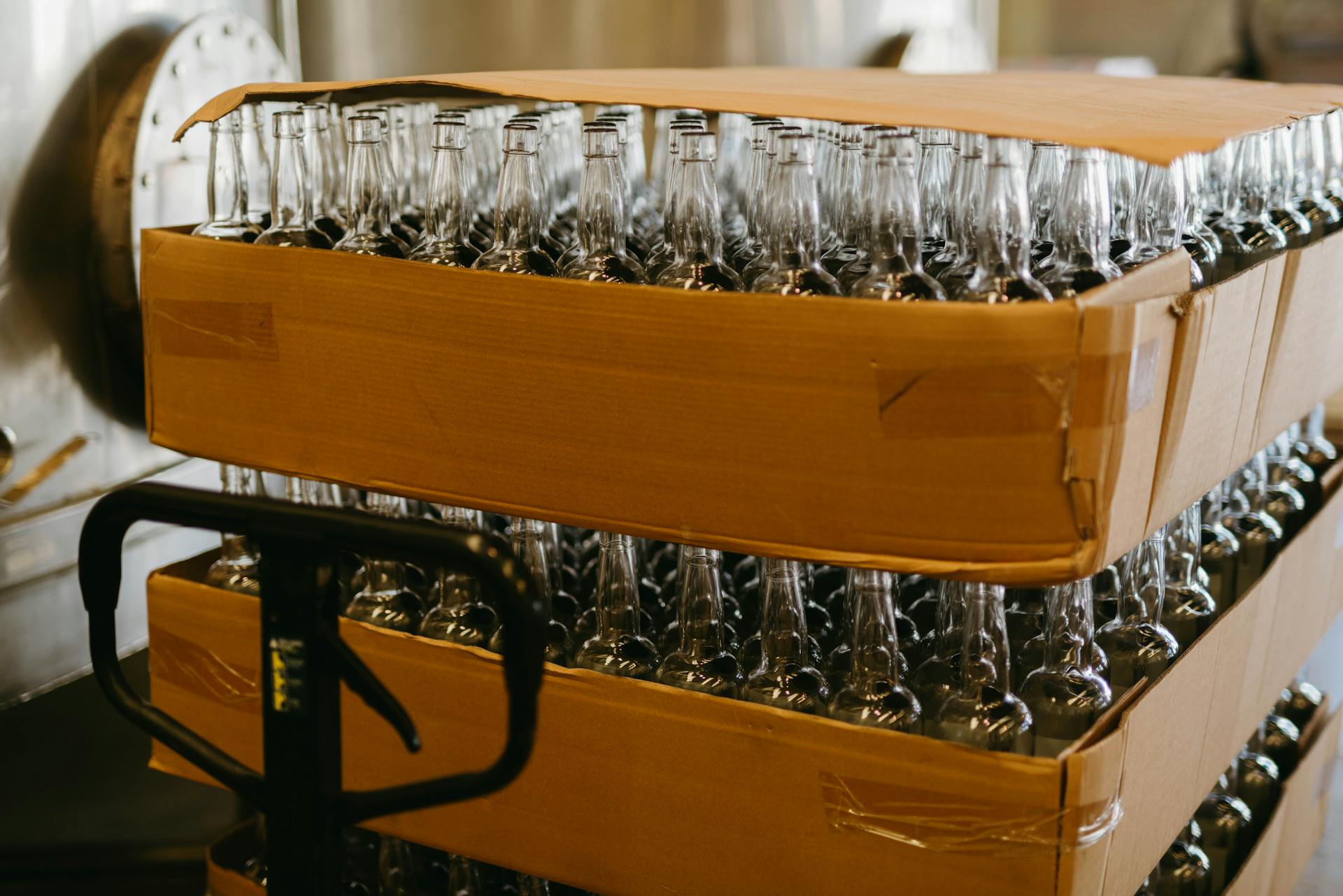
Bottles of Nestlé's water are essentially instant plastic pollution. The water, packaged and sold in single-use plastic, contributes to ocean pollution and litter in cities and water supplies.
Nestlé's website claims a "long-standing commitment to sustainability." However, Greenpeace claims that instead of reducing waste, the company will focus on burning plastic waste, producing toxic pollution that harms humans and wildlife.
Nestlé's operations in Pakistan allegedly contributed to sinking water levels and contamination. This raises concerns about the company's water management practices and its impact on local communities.
Water Boycott
Nestlé has been at the center of a bottled water boycott in Canada, with organizations like The Council of Canadians and Lakota People’s Law Project calling out the company for extracting water from drought-stricken areas.
The company has taken millions of gallons of water from a California creek network for a US water brand, drying up surface water resources as stated by the US Forest Service.
Nestlé's water operations in the US are plagued by court cases and lobbying, a result of conflicts with communities over water extraction in states like Maine, Michigan, and Florida.
The company's actions have led to widespread criticism, with many calling for a boycott of Nestlé's bottled water products.
Health and Nutrition
In the realm of Health and Nutrition, Nestlé's controversies shine a light on the company's questionable practices. Nestlé's infant formula marketing has been criticized for targeting low-income mothers in developing countries, where access to clean water and healthcare is limited.
The company's aggressive marketing tactics have been linked to the deaths of thousands of babies in Africa and Asia. Nestlé's infant formula is often seen as a luxury item, unaffordable for many families.
In 1977, a scandal broke out when it was discovered that Nestlé was using high-pressure sales tactics to sell infant formula to mothers in developing countries. This led to widespread criticism and calls for the company to change its practices.
Nestlé's own research has shown that breastfeeding is the best way to feed infants, yet the company continues to market its formula as a viable alternative. This contradiction highlights the company's priorities.
Marketing and Transparency
Nestlé's lack of transparency in marketing has led to controversy. The company's packaging for Cerelac and Nido displays the amount of nutrients, minerals, and vitamins, but doesn't indicate the amount of added sugars.
Consumers trust nutrition labels, which is why Public Eye and IBFAN only discovered the hidden sugars after analyzing the products in a laboratory in Belgium. This highlights the importance of accurate information on packaging.
Nestlé's aggressive marketing tactics have damaged its reputation and left consumers with a bad taste in their mouths. The company's attempt to dominate the global baby food market has led to a scandal involving babies and sugar.
Here are some key takeaways from Nestlé's marketing blunders:
- Nestlé's packaging doesn't indicate the amount of added sugars in Cerelac and Nido.
- Consumers trust nutrition labels, but Nestlé's labeling is misleading.
- Nestlé's aggressive marketing tactics have damaged its reputation.
Scandals and Boycotts
Nestlé has a long history of controversy, with several scandals and boycotts affecting the company over the years.
The Baby Formula Scandal of the 1970s was one of the worst scandals a corporation has ever faced, with millions of infants dying or growing up nutritionally deficient due to the company's aggressive marketing of baby formula in developing countries.
Nestlé has been accused of forcefully deceiving millions of women regarding the superiority of its baby formula over breast milk, and failing to educate people about proper preparation.
The company's aggressive marketing tactics have left a lasting impact, with the misconception that baby formula is better than breast milk still prevalent today.
In the 1970s, Nestlé faced a global boycott after the publication of the report "The Baby Killer", which claimed that the company's promotion of breast milk substitutes was discouraging breastfeeding.
The boycott was launched in numerous countries, and an international marketing code (the 'WHO Code') was developed to prevent the comparison of manufactured baby milk with breastmilk.
Discover more: Nestle Boycott
Today, Nestlé still faces criticism for its marketing practices, with many viewing the company's actions as irresponsible and dangerous.
The company has been found to have non-compliant marketing practices in 107 instances in 2019, and has been accused of comparing its own products with human milk.
Nestlé has also faced criticism for its approach to sourcing bottled water, with boycotts and conflicts occurring in Canada, the US, and other countries.
Here is a list of some of the notable boycotts and controversies surrounding Nestlé:
- 1977: Global boycott launched after the publication of "The Baby Killer" report
- 1977: Boycott of Nestlé products in the US and later extended to Europe
- 1988: Baby Milk Action launches a UK boycott of Nestlé
- 2019: Nestlé found to have non-compliant marketing practices in 107 instances
- 2020: Nestlé announces it is leaving the Canadian bottled water market
Sugar and Unhealthy Food
Nestlé has a sugar problem in its baby food products. The company's Cerelac and Nido products come without added sugar in high-income countries like the UK, Germany, France, and Switzerland.
However, laboratory analysis revealed that added sugars in the same products can reach as high as 7.3 grams in lower-income countries like Thailand, Ethiopia, the Philippines, and South Africa. That's about one and a half teaspoons of sugar per serving.
Discover more: Lactalis-Nestlé Fresh Products
The difference in added sugar content between high-income and developing countries is a double standard. Pediatrician and public health professor Karen Hofman called it "a form of colonization."
Consuming too much sugar can lead to obesity, heart disease, and type 2 diabetes, among other issues. According to the Scientific Report of the 2020 Dietary Guidelines Advisory Committee, babies should consume no sugar at all, especially in the first two years of life.
Nestlé's baby food products contain high levels of added sugar in developing countries, while European markets offer sugar-free options. Two of Nestlé's top-selling baby-food brands in developing nations contain high levels of added sugar.
Sixty percent of Nestlé's mainstream food and beverage range, excluding pet food, baby formula, and coffee, failed to meet recognized health standards in 2021. The company acknowledged this issue and pledged to update its nutrition and health strategy.
Featured Images: pexels.com