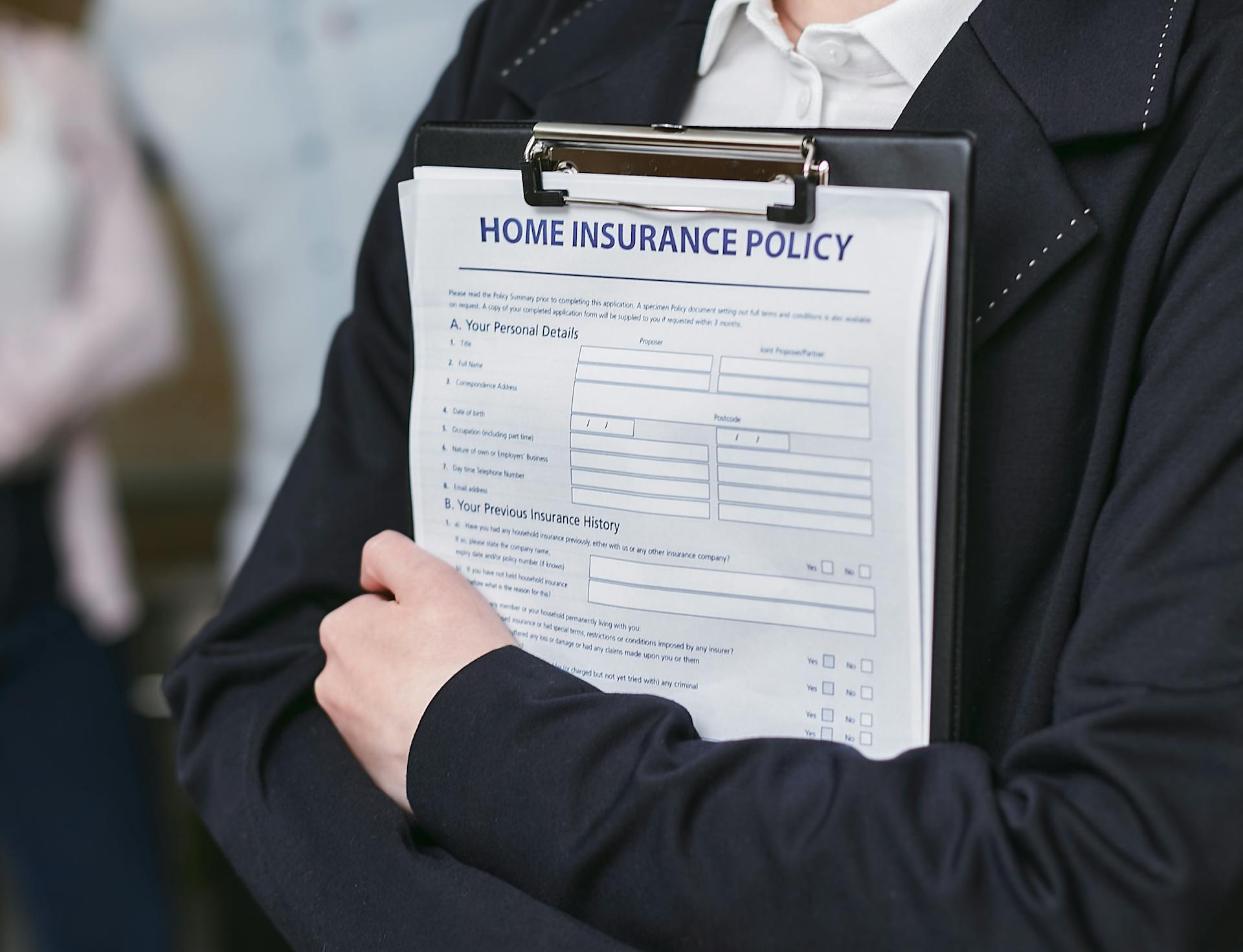
As a business owner, you're likely no stranger to risk. A single lawsuit or accident can put your entire operation in jeopardy, which is why comprehensive liability insurance is a must-have.
Business owners can expect to pay an average of $500 to $2,000 per year for liability insurance, depending on the type of business and level of coverage.
Comprehensive liability insurance can protect your business from a wide range of risks, including property damage, personal injury, and professional errors.
This type of insurance can also provide coverage for medical expenses, lost wages, and even the cost of defending against a lawsuit.
Related reading: Does Car Insurance Cover Civil Lawsuit
When to Get Comprehensive Liability Insurance
Small businesses need comprehensive liability insurance because their resources and assets are limited, making it difficult to manage expenses in case of a lawsuit or penalty. This is especially true for businesses with public-facing physical locations.
Businesses that manufacture or sell products are also at risk, as well as contractors and service providers working on client property. Home-based businesses are not immune to liability risks either.
According to a study by The Hartford, 40% of small business owners will likely experience a property or liability claim within the next decade. This highlights the importance of having comprehensive liability insurance in place.
Some common liability risks include third-party bodily injury, third-party property damage, product liability and quality issues, and advertising infringement issues.
Discover more: Public Liability Third Party Insurance
Key Components and Coverage
Comprehensive liability insurance provides essential protection for businesses against financial losses from third-party claims, covering bodily injury, property damage, and personal and advertising injury claims.
The policy acts as the primary defense for companies facing lawsuits related to these issues. This is crucial for businesses, as the average general liability claim for bodily injury and property damage amounts to approximately $20,000.
Commercial general liability insurance covers third-party liability claims such as customer injuries, damage to a customer's property, product liability, and claims of defamation, false advertising, or copyright infringement.
The four main areas of coverage under a CGL policy are:
- Premises Liability: Protects against incidents on your property
- Operations Liability: Covers damages during business operations
- Products Liability: Safeguards against claims from products you manufacture or sell
- Completed Operations Liability: Protects you after job or project completion
These areas of coverage are essential for businesses, as they can help prevent costly lawsuits and financial losses. For example, if a customer falls in your store, your premises liability coverage can help cover the resulting claims.
Policy and Exclusions
General liability insurance covers a lot, but not everything. There are specific things not covered by a general liability policy.
As a small business owner, it's essential to review the inclusions and exclusions thoroughly while purchasing the insurance policy. Most commercial general liability insurance companies have varying prices.
A reliable insurance broker is your ultimate guide in finding the best commercial liability policy for small businesses.
If this caught your attention, see: Coverage a Commercial General Liability
Policy Exclusions
Don't assume your general liability insurance covers everything. There are specific things not covered by a general liability policy.
You need to review the inclusions and exclusions thoroughly to ensure extensiveness. A reliable insurance broker is your ultimate guide in finding the best commercial liability policy for small businesses.
Some exclusions include things not covered by general liability insurance, which can vary depending on the insurance company and policy.
Businesses often need to consider additional insurance products to address these limitations. Cyber liability insurance has become increasingly important, especially with the average cost of a data breach reaching $4.35 million in 2022.
Here's an interesting read: Business Owners Insurance Definition
To determine if you need additional insurance, consider the following:
- Businesses with public-facing physical locations
- Companies that manufacture or sell products
- Contractors and service providers working on client property
Even home-based businesses face liability risks, with 40% of small business owners likely to experience a property or liability claim within the next decade.
Policy and Exclusions
The average general liability claim for bodily injury and property damage amounts to approximately $20,000, highlighting the importance of adequate coverage.
Businesses must carefully consider the policy limits, including aggregate limits, which cap the total insurer payout for all claims in a policy period, usually annually.
The average cost of a slip and fall claim reaches $20,000 in medical costs and $50,000 in legal fees if the case goes to court, making legal defense costs a significant concern for businesses.
Per-occurrence limits restrict the payout for any single incident, which is why businesses must carefully evaluate their risk exposure when choosing policy limits.
The average general liability claim for small businesses amounts to approximately $75,000, underscoring the importance of adequate coverage to protect against potentially devastating expenses.
Explore further: Average Liability Car Insurance Coverage
Insurance Options and Providers
Insurance brokers, like Insurance Brokers of Arizona, play a crucial role in helping businesses select the right General Comprehensive Liability policy.
Their expertise can prove invaluable in navigating the complexities of liability insurance and ensuring comprehensive protection. Insurance professionals work closely with clients to ensure they have the right level of coverage to protect against potential liabilities.
Insurance brokers can assess a company's specific risks, recommend appropriate coverage limits, and compare policies from multiple insurers to find the best fit.
Explore further: Professional Indemnity Insurance Brokers
Custom for Your Business
Insurance options can be overwhelming, especially for small businesses. Insurance brokers, like Insurance Brokers of Arizona, play a vital role in helping businesses select the right General Comprehensive Liability policy.
They can assess a company's specific risks, recommend appropriate coverage limits, and compare policies from multiple insurers to find the best fit. This expertise can prove invaluable in navigating the complexities of liability insurance and ensuring comprehensive protection.
Additional reading: Professional Indemnity Insurance for Finance Brokers
Every business has unique risks and needs. Insurance professionals work closely with clients to ensure they have the right level of coverage to protect against potential liabilities. These experts help navigate the complexities of General Comprehensive Liability Insurance and tailor policies to fit specific business requirements.
A reliable insurance broker is your ultimate guide in finding the best commercial liability policy for small businesses. They can help you understand the inclusions and exclusions of an insurance policy thoroughly to ensure extensiveness.
Here are some common risks that small businesses should consider when selecting a General Comprehensive Liability policy:
- Third-party bodily injury
- Third-party property damage
- Product liability and quality issues
- Advertising infringement issues
These risks can have a significant impact on a business's resources and assets. A liability coverage plan with extensive offering can bring much-needed financial support during the crisis period.
AIG Solutions
AIG Solutions offers a Comprehensive General Liability insurance policy that ensures injured parties receive fair compensation without putting the business at risk.
Their policy is a thoughtfully constructed risk management program that can help minimize business interruptions and empower management to focus on operations.
You might enjoy: Management and Professional Liability Insurance
Insurance brokers, like those at Insurance Brokers of Arizona, play a vital role in helping businesses select the right policy by assessing specific risks, recommending coverage limits, and comparing policies from multiple insurers.
A basic commercial general liability insurance plan provides a steady risk management tool, covering common business threats, regardless of the industry.
With AIG's policy, you can create an effective risk management plan through financial aid, ensuring smooth business operation even when allegations and penalties are imposed on the business brand.
Claims and Support
If you need to make a claim under your comprehensive liability insurance, you can contact your insurance broker for assistance or reach out to the company directly at +63 2 8 878 5456 or [email protected].
To initiate the claims process, you'll need to provide immediate notice to the company with full particulars, including copies of the incident report, summons/complaint, and other relevant documents. This is crucial to ensure that you're properly guided throughout the process.
You'll also need to act prudently and take all steps to minimize the loss or damage. This means not admitting liability or attempting to repudiate without the company's written prior consent.
In terms of the documents required for a claim, the specifics vary depending on the type of claim. For third-party property damage claims, you'll need to submit a complaint/demand letter, incident/security report, pictures of the damaged property, and an estimate of repair/reinstatement/replacement. For third-party bodily injury claims, you'll need to provide an incident/security report, complaint/demand letter, medical report/abstract/certificate, and doctor's prescription/hospital or medical service provider's statement of account.
Here's a summary of the required documents for different types of claims:
Make a Claim
Making a claim can be a daunting task, but don't worry, we've got you covered. If you're dealing with a Comprehensive General Liability claim, it's best to contact your insurance broker for assistance or reach out to us directly at +63 2 8 878 5456 or [email protected].
For more insights, see: Does Not Wearing a Seatbelt Affect Insurance Claim
To submit a claim, you'll need to provide some essential documents. These include a brief written report or affidavit of accident, copies of incident reports, and any relevant summons or complaints.
The key is to act quickly and prudently, minimizing any potential loss or damage. This means taking all necessary steps to mitigate the situation and cooperating fully with our authorized representatives.
In the event of a third-party property damage claim, you'll need to submit a complaint/demand letter, an incident/security report, and pictures of the damaged property, among other documents.
Here's a breakdown of the documents required for different types of claims:
Remember, it's essential to notify us immediately if you suspect a claim may be related to Employer's Liability, Contaminated Product Insurance, or Environmental Impairment Liability. This will allow us to engage an expert and/or adjuster promptly.
Settlements are usually based on the actual cost incurred in treating third-party bodily injury or repairing/reinstating damaged property. We'll work with you to ensure a fair and timely resolution.
Emergency Financial Support
Emergency Financial Support is crucial for small businesses to stay afloat during unexpected events. Small businesses may not always have sufficient resources to meet compensation amounts.
Purchasing commercial general liability insurance can provide a comprehensive solution to cover financial requirements. This can be a cost-effective decision for small business owners in the long term.
Some businesses may cease to operate while managing compensation charges and defense proceedings at the court. This can be avoided with the right insurance coverage.
In fact, insurance can help small businesses meet their financial needs during emergencies. This can be a lifesaver for businesses that are struggling to stay afloat.
Worth a look: Commercial Umbrella Insurance Definition
Frequently Asked Questions
Do I need liability insurance if I have comprehensive coverage?
Liability insurance is still required, even with comprehensive coverage, as it's usually mandated by law and lenders. Check your state's requirements and loan agreements to confirm.
Featured Images: pexels.com