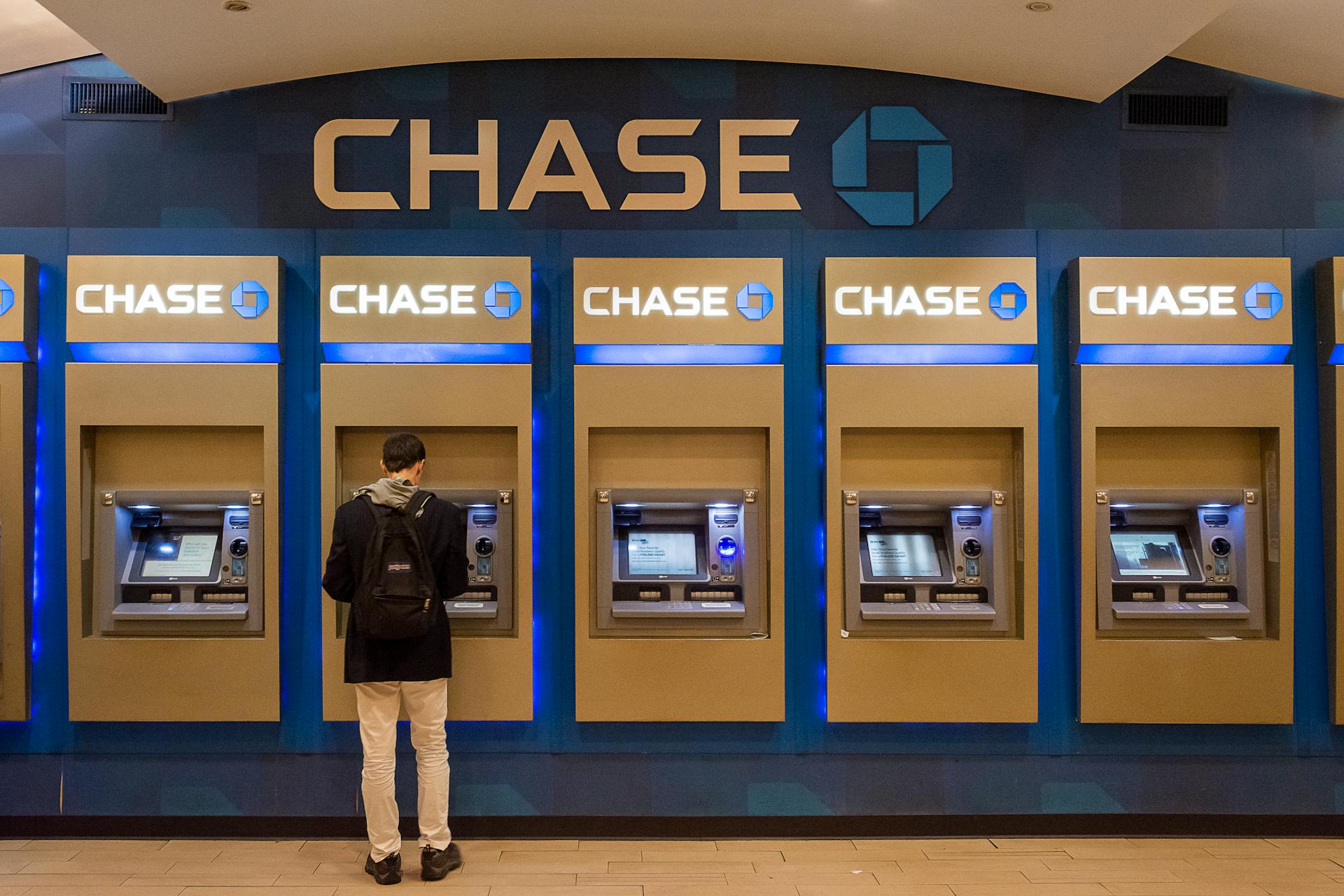
Chase Bank's Swift code is CHASUS33.
To send an international wire transfer, you'll need to provide the recipient's account details, including their bank's Swift code.
Chase Bank charges a fee for international wire transfers, which varies depending on the transfer amount.
You can initiate an international wire transfer online, by phone, or in person at a Chase Bank branch.
Understanding Wire Transfers
Chase SWIFT codes simplify the process of sending money abroad by ensuring that your payment reaches the correct Chase Bank branch.
A SWIFT code, also known as a Bank Identifier Code (BIC), is a unique alphanumeric identifier assigned to banks worldwide, consisting of 8 to 11 characters that help pinpoint the exact bank and branch involved in a transaction.
Global reach is one of the key benefits of using SWIFT codes for international transfers, as SWIFT operates in over 200 countries.
Security is another advantage of SWIFT codes, providing a high level of security for transmitting transaction data between banks.
To initiate an international wire transfer, you can log in to your Chase online banking account or visit a Chase branch, and then select the option to send an international wire transfer.
Accuracy is critical during this step, as even minor errors can disrupt the process, so it's essential to carefully review each piece of information before submitting it.
Here are some common mistakes to avoid when entering the SWIFT code and transfer details:
- Typographical errors, such as transposing numbers or letters in the SWIFT code or account number
- Complexity of international banking details
Before sending an international wire transfer, keep in mind that fees apply, exchange rates may vary, processing times differ, and daily transfer limits may be imposed by Chase.
Finding Your Chase Bank Swift Code
If you're trying to find your Chase Bank SWIFT code, there are a few options available to you. You can use the Branch SWIFT Code Finder, which is the easiest way to check if your branch has a unique SWIFT code.
You can also log into your Chase online banking platform and review the wire transfer instructions, which should include your SWIFT code. Alternatively, you can contact your local branch or call Chase customer service directly.
For your interest: Branch Code Chase Bank
If your branch doesn't have a unique SWIFT code, you can typically use CHASUS33XXX. This is a common head office code that can be used for international wire transfers.
To find your Chase Bank OF Texas SWIFT code, you can check your bank statement, log into your online banking account, or contact Chase Bank OF Texas directly. The code is often listed on the official Chase Bank OF Texas website under banking information or help sections.
You'll need a Chase Bank OF Texas SWIFT code for international money transfers, as it's crucial for routing the funds to the correct bank and branch.
Here are some places you can locate your Chase SWIFT code:
- Chase website: Go to the Chase website and search for “international wire transfers” to find the SWIFT code.
- Chase bank account: Log in to your account online or through the Chase mobile app. The SWIFT code is likely listed under international wire transfers.
- Chase customer support: Call 1-800-935-9935 to speak to a customer service representative, or visit a branch in person.
Verifying Transaction Accuracy
Verifying transaction accuracy is crucial to ensure your money reaches the intended recipient without delays or errors. Double-check all details, including the SWIFT code, recipient's name, and account number.
Banks use various methods to enhance transaction accuracy and security, such as enhanced verification processes, multiple authentication steps, and AI-powered transaction monitoring. These measures reduce the risk of fraud and errors.
Here's an interesting read: Internation Transaction Bank with Code Swift
To verify transaction accuracy, take a moment to review the transaction details before finalizing your international wire transfer. This step helps prevent errors and ensures your money reaches the correct destination.
Here are some methods banks use to enhance transaction accuracy:
If you notice any discrepancies, correct them before submitting the transfer.
Receiving Payments
To receive an international payment to your Chase account in the United States, you'll need to provide the correct SWIFT/BIC code, account number, and other banking details.
Make sure your sender has the right information to avoid delays and ensure a smooth transaction.
In most cases, you'll need a SWIFT code to receive international payments, as it identifies the receiving bank and ensures correct routing.
Intriguing read: How to Send Money to Overseas Bank Account
Receiving Payment in the U.S
To receive an international payment to your Chase account in the United States, you'll need to provide the correct SWIFT/BIC code, account number, and other banking details.
Make sure your sender has the right information to avoid delays. Incorrect details can cause a payment to be held up or even rejected.
For your interest: Send Money to Mexico Bank Account
You'll typically need a SWIFT code to receive international payments, as it identifies the receiving bank and ensures correct routing. This is especially true for transfers from abroad.
In some cases, additional details like your account number, routing number, or IBAN may also be required. This can depend on the country and transfer method.
To avoid any issues, double-check with your bank or sender to confirm what information is needed. It's always better to be safe than sorry.
Consider reading: How to Send Money with Iban Number
Payment Tracking
To track a SWIFT cross-border payment, you'll need a UETR code, which is a unique identifier for the transaction.
A reference number is also essential, and you can usually find this in an MT103 form.
The amount of the payment is another crucial piece of information, so make sure you have that handy.
The payment date is also important, as it helps you understand when the payment was made.
You'll need to know the currency of the payment as well, which will help you accurately track the transaction.
If this caught your attention, see: Moneygram Payment
Gathering Recipient Information
Gathering recipient information is a crucial step in sending an international wire transfer. Double-check the recipient's full name, address, and bank details to ensure accuracy.
You should also contact the recipient's bank to confirm their SWIFT code and account information, especially if this is your first time sending money to them. This is a simple step that can save you a lot of hassle in the long run.
Requesting written confirmation from the recipient can provide an added layer of security and peace of mind. This written confirmation can serve as a record of the details you've collected and can help resolve any potential issues that may arise during the transfer process.
Here's a summary of the steps to follow:
- Double-check the recipient's full name, address, and bank details.
- Contact the recipient's bank to confirm their SWIFT code and account information.
- Request written confirmation from the recipient.
Taking these steps minimizes the risk of errors and provides peace of mind that your transfer will proceed smoothly.
Using the Chase Website
You can find the correct Chase SWIFT code by visiting the Chase website. This is the most reliable way to get the information you need.
The Chase website provides up-to-date information about SWIFT codes, which is essential for international wire transfers. You can navigate to the international wire transfer section to find the details specific to your account or branch.
Using the Chase website ensures accuracy because the information comes directly from the bank. This eliminates the risk of errors that might occur when relying on third-party sources.
Chase's online banking portal offers step-by-step guidance for initiating international transfers, which can be helpful if you're unsure about the process.
Fees and Timelines
Fees for international wire transfers through Chase can vary depending on the type of transaction, with incoming wire transfer fees for international transactions being $15.
Online transfers often incur lower fees compared to in-person transactions. This is because online transfers typically have fewer intermediaries involved, reducing the overall cost.
Fees can also depend on the amount sent and the currency used. For example, transfers involving less common currencies or remote countries may cost more.
Here are some key factors that can impact the cost and speed of your international transfers:
- Setup method: Online transfers are often cheaper than in-person arrangements.
- Bank fees: Charges depend on your account type, transfer destination, and the amount sent.
- Exchange rate markups: Banks may add extra fees to the exchange rate for currency conversion.
- Routing: Intermediary banks may charge additional fees, which can increase the total cost.
Fees and Processing Times
Fees for international transfers can be complex and vary depending on the type of transaction. Online transfers often incur lower fees compared to in-person transactions.
Chase charges a flat fee for international transfers, which can range from $15 for incoming wire transfers to a fee that differs based on the method used and the currency involved for outgoing transfers.
Intermediary banks can charge additional fees for processing international transfers, which can add up unexpectedly. These fees can vary significantly depending on the transaction details.
To avoid surprises, it's essential to understand the fees involved and ask your bank about potential intermediary fees before initiating a transfer. Understanding these costs helps you plan better and ensures the recipient receives the expected amount.
Here's a breakdown of the estimated processing times for international transfers:
Domestic incoming wires are typically processed within 1-2 business days, while international incoming wires may take up to 5 business days.
Checking Account Statements

Checking your account statements is a convenient way to find your SWIFT code without needing internet access or contacting customer support. Your account statements may contain the SWIFT code for your Chase branch in the section listing your account details, including routing numbers and SWIFT codes.
You can check older statements or documents provided by Chase when you opened your account if the SWIFT code isn't on the current statement. These records often include essential banking information that can help you find the SWIFT code.
Common Errors and Mistakes
Using the wrong SWIFT code is a common mistake that can cause delays or extra fees. Even a small error can disrupt the transaction.
Typing mistakes in the SWIFT code are a frequent error to watch out for. Relying on unverified sources for SWIFT codes can also lead to problems.
Outdated SWIFT codes can cause issues, so it's essential to confirm the code is current. Mixing up SWIFT codes with IBANs can also result in errors.
To avoid these mistakes, verify the SWIFT code with the recipient's bank or use trusted platforms like XTransfer to find accurate information.
Typographical errors, such as transposing numbers or letters in the SWIFT code or account number, can also occur. These errors can be prevented by carefully reviewing each piece of information before submitting it.
Here are some common mistakes to watch out for:
- Wrong SWIFT code
- Typing mistakes in the SWIFT code
- Outdated SWIFT codes
- Mixing up SWIFT codes with IBANs
- Relying on unverified sources for SWIFT codes
- Exceeding transfer limits
- Currency mismatch
- Incomplete recipient details
BIC and IBAN Information
To ensure a smooth international wire transfer with Chase Bank, it's essential to understand BIC and IBAN information.
A BIC (Bank Identifier Code) code, also known as a SWIFT code, identifies a specific bank globally and is used to facilitate international transactions.
Here's a key difference to note: a BIC code and an IBAN (International Bank Account Number) are not the same.
An IBAN provides detailed information about an individual account within a bank, including the country, bank, and specific account number.
To verify the correct BIC and IBAN codes, contact the recipient's bank and request written confirmation from the recipient.
Here's a summary of the key information:
What Is BIC?
A BIC code, which stands for Bank Identifier Code, is a standard format of Business Identifier Codes approved by the International Organization for Standardization (ISO).
It's used globally to identify financial institutions and banks during international transactions, ensuring that funds are sent to the correct place.
The BIC code is essentially the same as a SWIFT code, as both are used for the same purpose.
Related reading: Bic Code for Chase Bank Usa
IBAN Similarity
A SWIFT code and an IBAN are not the same, despite their importance in international money transfers. A SWIFT code identifies a specific bank globally.
While both are used together to facilitate international transactions, an IBAN provides detailed information about an individual account within that bank. This includes the country, bank, and specific account number.
SWIFT codes and IBANs work together to ensure that money reaches the correct account.
Curious to learn more? Check out: Fidelity Bank Iban and Swift Code
Featured Images: pexels.com