Canfor has been a leader in the forest sector for decades, and it's no secret that the industry is constantly evolving. With changing market demands and environmental regulations, companies like Canfor must adapt quickly to stay ahead.
One way Canfor has adapted is by diversifying its product line to meet growing demand for sustainable and renewable products. This includes expanding its production of engineered wood products, such as laminated veneer lumber (LVL) and oriented strand board (OSB).
Canfor has also made significant investments in its technology and manufacturing processes to improve efficiency and reduce waste. By implementing new machinery and production methods, Canfor has been able to increase its productivity while minimizing its environmental impact.
By staying agile and responsive to market changes, Canfor has been able to maintain its position as a major player in the forest sector.
Canfor Closures
Canfor has been closing mills in B.C. over the past decade, with 10 of 13 mills shut down. This is part of a larger trend of mill closures and job losses in the industry.
You might like: Mysore Paper Mills
Employment in logging has been trending downwards in Canada for decades, with B.C. losing over 40,000 forestry sector jobs since the early 1990s. The current levels of timber harvest in B.C. are unsustainable due to invasive beetle outbreaks and climate-driven effects like wildfires threatening forest health and timber supply.
In 2022, Canfor started reducing its B.C. operations due to challenging market conditions, including inflation and unsustainable levels of timber inventory. The company has finalized the sale of its licence to log the fourth-largest timber supply area in B.C. to two First Nations.
Canfor recently shut down its Polar Sawmill in Bear Lake, B.C., affecting hundreds of jobs. Another 500 employees' jobs were put in jeopardy when Canfor announced it would shut down the Fort St. John and Vanderhoof sawmills.
The recent closures and forest tenure sale may be a sign that the players in the northern B.C. forestry industry are changing. This could lead to a more evenly distributed set of mill sizes, with a mix of small, medium, and large mills.
Here are some key facts about Canfor's closures:
- 10 of 13 Canfor mills in B.C. have been closed over the past decade.
- More than 40,000 forestry sector jobs have been lost in B.C. since the early 1990s.
- Canfor has finalized the sale of its licence to log the fourth-largest timber supply area in B.C.
- 500 employees' jobs were put in jeopardy when Canfor announced it would shut down the Fort St. John and Vanderhoof sawmills.
Business Operations
Canfor Corporation has made significant investments in its business operations. The company will invest approximately US$210 million to build a new sawmill complex in southern Alabama.
This investment is a major undertaking for Canfor, demonstrating its commitment to growth and expansion. The new sawmill complex will be a state-of-the-art facility.
Canfor has also extended the closures of its sawmills in British Columbia due to a persistently unfavorable market environment. The closures are a result of the challenging market conditions that the company is facing.
Series of Closures
In recent years, Canfor Corporation has been making significant changes to its business operations in British Columbia. The company has closed 10 of its 13 mills in the province over the past decade, according to the United Steelworkers union.
This trend of mill closures is part of a larger wave of job losses in the forestry industry. Statistics Canada shows that B.C. has lost over 40,000 forestry sector jobs since the early 1990s.
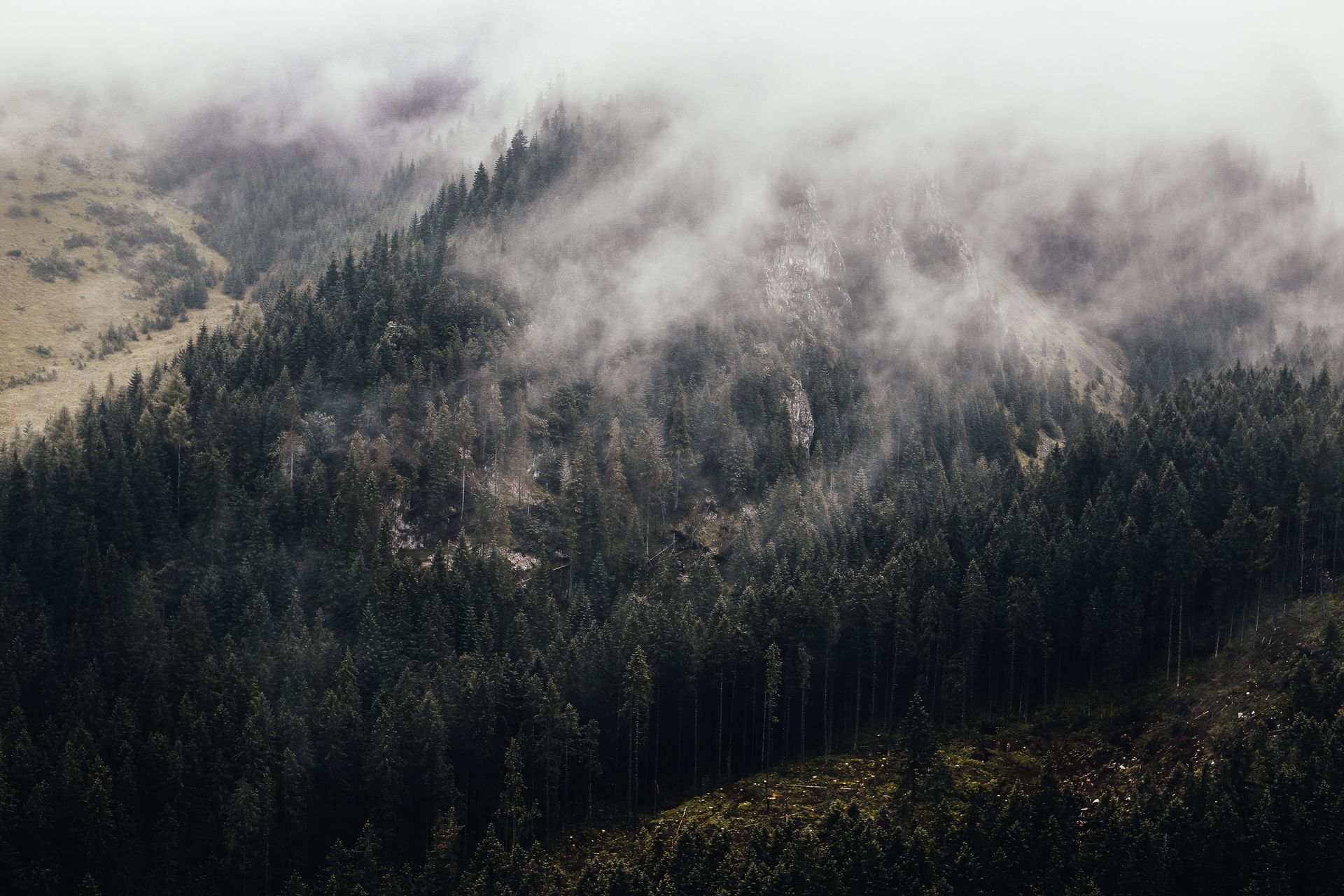
Forestry researchers warn that current levels of timber harvest in B.C. are unsustainable. This is due to invasive beetle outbreaks and climate-driven effects like wildfires that threaten forest health and timber supply.
Canfor's decision to close its Polar Sawmill in Bear Lake, B.C. is a prime example of this trend. The closure affected hundreds of jobs and highlights the challenges facing the forestry industry.
Here are some key statistics on the mill closures:
- 10 of 13 Canfor mills closed in B.C. over the past decade
- Over 40,000 forestry sector jobs lost in B.C. since the early 1990s
The forestry industry is undergoing significant changes, with Canfor's announcement potentially prompting more bids for its assets. The transfer of forest tenure must be approved by the province, and it remains to be seen how this will play out.
Invest in Southern Alabama Sawmill
Canfor Corporation is investing heavily in southern Alabama, with a new sawmill complex on the way.
The company will invest approximately US$210 million in this project.
This significant investment is a clear indication of the potential for growth and development in the region.
The new sawmill complex will be a state-of-the-art facility, showcasing the latest technology and innovations in the industry.
This investment will not only create new job opportunities but also contribute to the local economy.
Discover more: RioCan Real Estate Investment Trust
Forest Products
Forest Products is a crucial sector in the business world, and it's essential to stay up-to-date with the latest developments. Canfor Corporation has recently announced the extension of closures at its sawmills in British Columbia due to unfavorable market conditions.
The company's decision is not an isolated incident, as the industry as a whole is facing tough demand conditions. According to RBC, paper and packaging demand is expected to be challenging towards the end of the year.
Here's a snapshot of the current market situation:
These numbers highlight the volatility and unpredictability of the forest products market. Companies like Canfor Corporation and Svenska Cellulosa Aktiebolaget SCA are experiencing fluctuations in their stock prices, while others like UFP Industries, Inc. are struggling to regain their losses.
Leadership and Management
Canfor's leadership team is led by Susan Yurkovich, who serves as the CEO and has been in this role since 2024-12-31. She is 59 years old.
The company's Director of Finance, Pat Elliott, has been in this position since 2021-10-04. His age is not publicly disclosed.
The team is rounded out by Måns Jonas Johansson, a 50-year-old Corporate Officer/Principal, who joined the company in 2023-06-30.
Appoints Susan Yurkovich as CEO
Susan Yurkovich has been appointed as the Chief Executive Officer of Canfor Corporation, a position she will hold until the end of 2024. She brings a wealth of experience to the role, having been with the company for a significant period.
Susan Yurkovich is not only the CEO but also a member of the Board of Directors, a position she has held since May 7, 2025. Her age is 59.
Here's a brief overview of the leadership team at Canfor Corporation:
Susan Yurkovich's predecessor, Don Kayne, plans to retire at the end of the year, after an impressive tenure of 46 years with the company.
Shareholders
As we explore the world of leadership and management, it's essential to understand the role of shareholders in a company's success. Shareholders are the owners of a company, and their interests are often aligned with the company's goals.
In the case of Canfor Corporation, we see that DIÖS AB is a significant shareholder, holding 2.51% of the company's equities. This is a substantial stake, with a valuation of $24,734,906.
Shareholders like DIÖS AB have a vested interest in the company's performance, and their influence can be seen in the company's decision-making processes. For example, DIÖS AB's 2.51% stake in Canfor Corporation gives them a say in the company's direction.
Here's a breakdown of the top shareholders in Canfor Corporation:
BYGGPARTNER GRUPPEN AB is another significant shareholder, holding 1.16% of the company's equities with a valuation of $1,703,087. These shareholders play a crucial role in shaping the company's future.
Sustainability and Reports
Canfor has made significant strides in sustainability, releasing a 2022 Sustainability Report that outlines its performance on environmental and people-centered issues.
The report highlights Canfor's progress on climate change, sustainable forestry, and energy management, which are all crucial areas for a company of its size and scope.
Canfor is also redeveloping its B.C. operations to reduce its environmental footprint, with plans to construct a brand-new manufacturing facility.
This redevelopment is a significant step towards a more sustainable future, and it's exciting to see companies like Canfor taking proactive measures to reduce their impact on the environment.
By releasing a comprehensive sustainability report, Canfor is holding itself accountable for its actions and providing transparency to its stakeholders, which is a great example for other companies to follow.
Market and Positioning
Canfor is actively working to reinforce its position in the China market. CEO Don Kayne and SVP David Calabrigo visited China to make this happen.
Their trip was a deliberate effort to strengthen Canfor's presence in this crucial market. By taking a proactive approach, Canfor aims to solidify its position and capitalize on opportunities.
Canfor's leadership is clearly committed to expanding its reach in China, and their efforts will likely have a positive impact on the company's overall growth and success.
Explore further: China Gold International Resources Corporation
Sells Off Fiber Assets, Boosts Competitors
Canfor Corporation has made a significant move in the market by selling off its fiber assets. This decision will likely have a ripple effect on the industry, especially for local manufacturers who were facing challenges in accessing economic fibre.
The company announced its plans to explore the divestment of northern BC tenure to support these manufacturers. This move is a direct response to the difficulties they were facing in accessing the necessary resources.
Canfor will provide further public updates only if a significant development occurs. This suggests that they are keeping a close eye on the situation and will share any notable progress or changes with the public.
This decision will undoubtedly boost competitors in the market, as they will now have access to the fiber assets previously held by Canfor.
Strengthen China Market Position
Strengthening your position in a market is crucial for long-term success.
Canfor is a great example of a company that's taking proactive steps to reinforce its position in the China market. CEO Don Kayne and SVP David Calabrigo visited China to do just that.
Their visit was a strategic move to boost Canfor's presence in the region.
Forest & Wood Products
In the Forest & Wood Products sector, RBC sees tough demand conditions for paper and packaging heading into the year-end.
RBC's prediction suggests a challenging period for companies in this sector.
CANFOR CORPORATION, a major player in the industry, has seen its stock price increase by 1.04% in the last 5 days.
SVENSKA CELLULOSA AKTIEBOLAGET SCA has also performed well, with a 2.98% increase in the same period.
Here are the top 5 companies in the Forest & Wood Products sector, along with their 5-day and 1-year stock price changes:
The average stock price change for the sector is +0.90% over the last 5 days.
Company Details
Canfor Corporation is headquartered at 161 East 4th Avenue, Suite 101, in Vancouver, with a postal code of V6P 6G2.
The company's physical address is 161 East 4th Avenue, Suite 101, which is located in Vancouver.
This information can be found on the company details section of Canfor Corporation's profile.
If this caught your attention, see: Hsbc Vancouver Canada
B.C. Communities Face Difficult Transitions
Communities in British Columbia are facing significant challenges as they transition from a reliance on the forestry industry to more diversified economies.
Many of these communities have seen their local economies shrink as the forestry industry has declined.
The town of Mackenzie, for example, has been particularly hard hit, with a significant number of residents losing their jobs as the local sawmill closed.
In 2016, the Mackenzie sawmill was closed, resulting in the loss of 150 jobs.
The town of Mackenzie has a population of just over 3,000 people, making the impact of the sawmill closure even more severe.
The closure of the sawmill has also had a ripple effect on the local economy, with many businesses dependent on the forestry industry struggling to stay afloat.
In an effort to diversify the local economy, the town of Mackenzie has invested in tourism infrastructure, including the development of hiking trails and the construction of a new visitor center.
The town's proximity to the Rocky Mountains and numerous lakes and rivers makes it an attractive destination for outdoor enthusiasts.
Featured Images: pexels.com