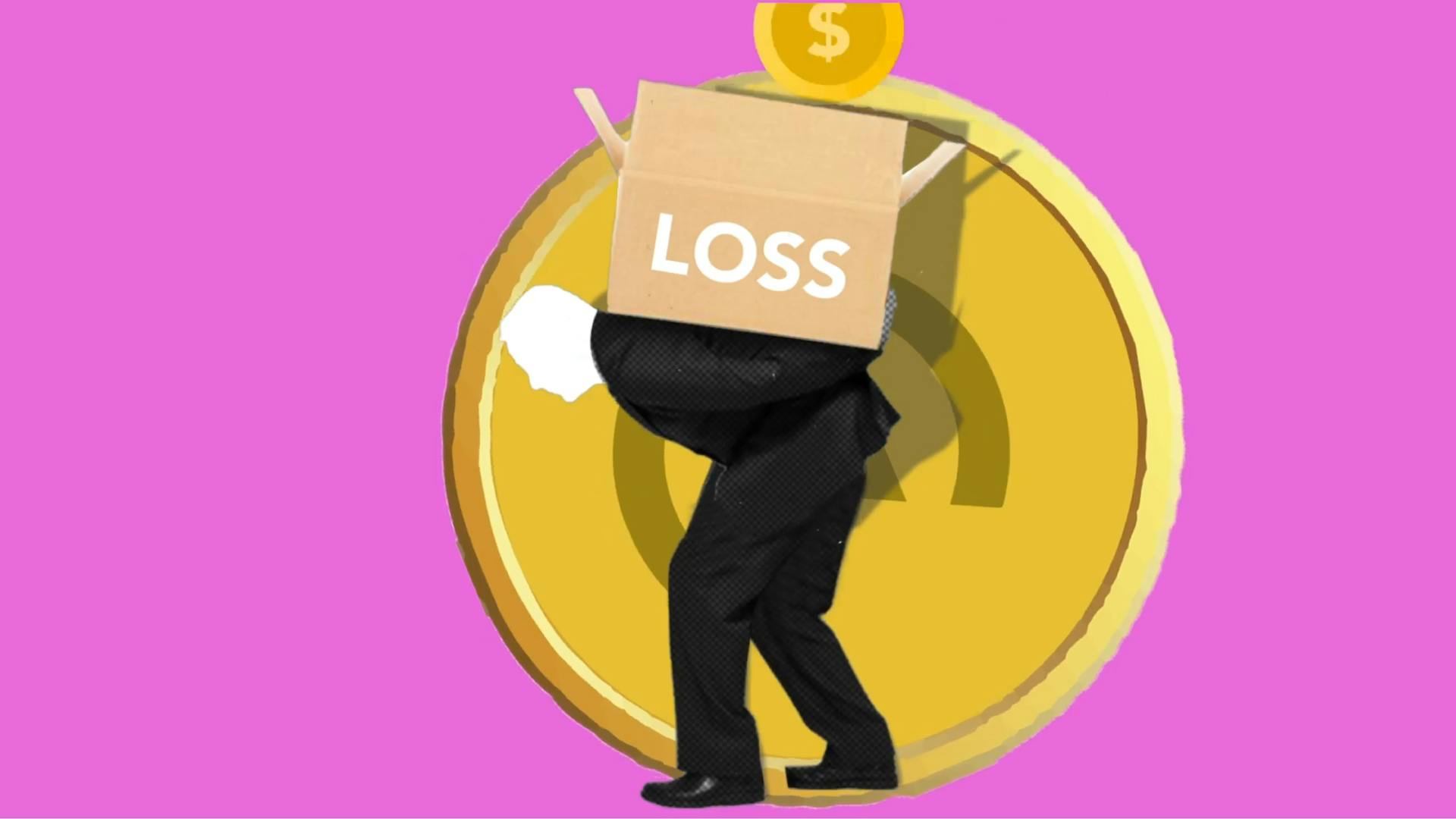
The 2008-2014 Spanish real estate crisis was a devastating period for the country's economy and society. In 2008, the global financial crisis struck Spain, causing a sharp decline in property prices.
House prices plummeted by 31% between 2008 and 2013, resulting in a significant loss of wealth for homeowners and investors. This led to a surge in defaults and foreclosures, with over 700,000 properties repossessed by banks.
The crisis had a disproportionate impact on the most vulnerable members of society, including low-income families and small businesses. Many people lost their homes and livelihoods, leading to increased poverty and social inequality.
See what others are reading: Real Estate Prices
Development
The real estate sector in Spain began to show signs of crisis at the end of 2007, with a drop in building permits, pre-sales, sales, and mortgages.
In the first quarter of 2008, construction companies saw a massive 72% reduction in sales, with a revenue of just 20 million euros compared to 500 million euros in the same period of 2007.
You might enjoy: Reg B Appraisal Rules
The leading mass media had been predicting a serious crisis in the construction sector since the beginning of 2008, with the sector's own employers' association predicting price reductions of around 8%.
The land purchase and sale sector experienced a sharp contraction during the first four months of 2008, with a drop in sales of close to 100%.
The real estate market was in a slump due to the 2008 financial crisis, and by May 15, the Don Piso Real Estate Network, one of the largest real estate companies, had closed all its offices and dismissed 100% of its staff after registering a 66% drop in sales.
The country's leading real estate company, Martinsa-Fadesa, declared bankruptcy on July 14, leading to the largest suspension of payments in the economic history of Spain, with a debt estimated at over 7,000 million euros.
You might enjoy: 100 Commission Real Estate Brokerages
Initial Consequences
The initial consequences of the Spanish real estate crisis were severe. The construction sector was particularly hard hit, with up to half of the real estate agencies closing down and a large number of construction companies going bankrupt.
The crisis led to a significant increase in unemployment, which in turn caused a contraction in consumption. This had a ripple effect on the entire economy.
The real estate consortiums were also severely affected, facing enormous difficulties as a result of the crisis. The collapse of the real estate market compromised the stability of financial institutions, forcing some to merge and others to block the repayment of investments in real estate funds.
Caja Castilla-La Mancha was the first Spanish financial institution to be intervened by the Bank of Spain due to the crisis, with its entire management being dismissed and deposits being covered by the Deposit Guarantee Fund to cover the lack of liquidity.
Prices continued to fall even after the peak of the bubble in 2007, with a 12% drop in 2009 compared to the previous year. The number of sales transactions also plummeted, exacerbating the crisis.
Mortgage Crisis
The Spanish mortgage crisis was a significant issue in the country. Mortgage signings in Spain peaked in 2006 and have been falling steadily since then.
In 2012, a record low of 274,715 loans were signed for the purchase of a home. This was the lowest level since the real estate bubble burst in 2007.
High unemployment, over 25% in 2012, made it difficult for people to afford mortgages. The difficulty in financing also contributed to the stagnation of the demand for housing.
The forecast for 2013 was gloomy, with a series of factors impacting the demand for housing. These factors included the expected increase in interest rates, increase in housing taxes, and the end of the housing tax credit.
The low birth rate and emigration in Spain also influenced the housing market. The possible influence of the bad bank, Sareb, added to the uncertainty.
You might like: Low Income Housing Loan Programs
Government Response
The government response to the Spanish real estate crisis was a mix of nationalizations, bailouts, and court rulings. In 2012, the European Union provided up to €100 billion to Spanish banks, which were struggling with high-risk loans.
A unique perspective: 2008–2014 Spanish Financial Crisis
The bailout came with strict rules, but Spain's economy size gave it some negotiating power, resulting in less strict rules compared to other countries like Ireland or Greece. Many people worried that the bailout wouldn't be enough to fix Spain's economy.
To address these concerns, the Court of Justice of the European Union ruled in 2013 that Spanish eviction laws did not provide sufficient protection against abusive clauses in mortgages, violating EU law. This ruling allowed judges to stop evictions in compliance with EU regulations.
Related reading: 1031 Exchange Florida Rules 2023
Nationalizations and Bailouts
Nationalizations and bailouts were a significant part of the government's response to the financial crisis. In Spain, numerous savings banks were nationalized, including Caja Castilla-La Mancha, CajaSur, Caja Mediterráneo, Novacaixagalicia, Caixa Catalunya, Unnim, and Bankia.
The government also implemented bailouts to support struggling banks. In 2012, European leaders agreed to provide up to €100 billion to the Spanish government, which would then give the money to the banks in need.
A different take: Local Government Financing Vehicle
To ensure the banks receiving help would be stable, the European Union imposed strict rules and expert control. However, Spain's economy was a big player, so it had some negotiating power, resulting in less strict rules compared to other countries like Ireland or Greece.
The bailout was not without its concerns, as many people worried it wouldn't be enough to fix the economy. Unemployment remained high, especially for young people, but by 2018, Spain's economy was growing faster, and unemployment had dropped to around 15-16%.
Suggestion: Second Home Mortgage Rental Rules
EU Court Judgment, March 14, 2013
The EU Court Judgment, March 14, 2013, was a significant ruling that impacted the lives of many Spanish citizens.
The Court of Justice of the European Union ruled that Spanish eviction laws do not guarantee citizens sufficient protection against abusive clauses in mortgages.
This judgment was issued in response to a question presented by the Commercial Court of Barcelona, specifically by Judge José María Fernández Seijo, at the request of the lawyer Dionisio Moreno.
Take a look at this: Spanish Property Bubble

The ruling stated that evictions can be stopped by the judge in compliance with EU regulations.
The EU Court Judgment, March 14, 2013, was a major victory for those fighting against abusive mortgage clauses.
The judgment was based on the Council Directive 93/13/EEC of April 5, 1993, on consumer protection.
This directive was used to argue that Spanish eviction laws were in violation of EU law.
The judgment was a significant step towards protecting the rights of consumers in Spain.
Social Impact
The Spanish real estate crisis had a devastating social impact on the country. The number of evictions skyrocketed in 2012, causing a dramatic increase in suicides among those affected.
The crisis also led to a significant deterioration of Spanish financial institutions. This had a ripple effect on the economy, making it even harder for people to afford their homes.
The evictions and subsequent financial struggles took a toll on families, leaving many without a stable home or a sense of security.
Social Impact

The social impact of the mortgage crisis in Spain is staggering. From 2007 to 2009, over 178,000 foreclosures occurred, a significant increase from the previous three-year period.
These evictions have devastating effects on families and individuals. In 2010, an estimated 180,000 more foreclosures were expected to be added.
The mortgage law in Spain allows for the auction of properties, but it also allows the creditor banks to acquire the homes at a bargain price, often for 50% of the public auction price. This leaves many homeowners struggling to pay off debts on properties they no longer own.
The Platform of People Affected by the Mortgage (PAH) highlights the abusive and coercive nature of this system, where the recovery of mortgaged property by the bank automatically entails the cancellation of all debt. This is a stark contrast to other European countries and the United States, where "dation in payment" is practiced, allowing individuals to give up the property and cancel the debt.
In the first quarter of 2011, a staggering 15,491 evictions were carried out in Spain, a symptom of a broader crisis. The mortgage crisis worsened in 2012, leading to a surge in evictions and a tragic increase in suicides caused by evictions.
For more insights, see: Bad Property Debt Exceeds Reserves at Largest Us Banks
Youth Unemployment
Youth unemployment in Spain is a staggering issue, with over 50% of those under 25 out of work. The youth unemployment rate in Spain is a whopping 43.61%, making it one of the highest in Europe.
Many young people in Spain are not only jobless but also struggling to find stable careers. Even those with college degrees are taking "minijobs" just to earn some money, with about 68% of young people willing to leave Spain to find work.
The high unemployment rate has made many young adults worry about their future, with some even calling them a "Lost Generation" because it's so hard to find good careers. This is a clear indicator of the severity of the issue.
Here are some alarming statistics on youth unemployment in Spain:
- Unemployment for those under 25 reached 50%.
- Spain's young people are the most educated ever, but they face the highest unemployment rate in Europe.
- Many young people (about 68%) were willing to leave Spain to find work.
Price Inequality in Booms and Busts
During economic booms, the rich tend to get richer, with the top 1% of earners capturing a larger share of the wealth. This is evident in the data showing that in the US, the top 1% of earners saw their income increase by 157% between 1979 and 2007.
If this caught your attention, see: Top Real Estate Brokerages in Toronto
The opposite happens during economic busts, where the rich tend to lose their wealth at a slower rate than the poor. For example, during the 2008 financial crisis, the top 1% of earners in the US saw their wealth decline by 36.1%, while the bottom 90% saw their wealth decline by 44.6%.
In a study of 18 developed economies, researchers found that the income share of the top 10% of earners increased by an average of 1.5 percentage points during economic booms, while it decreased by an average of 1.1 percentage points during economic busts.
The widening income gap between the rich and the poor can have significant social implications, including decreased social mobility and increased income inequality.
Take a look at this: Economic Depreciation
Economic Trends
The Spanish real estate crisis was a major economic downturn that had a significant impact on the country's housing market. The global financial crisis in 2007 triggered a dramatic housing market crash in Spain.
The average house price in Madrid declined from €443,970 to €280,500 between 2010 and 2015. This was a staggering 36% drop in just five years.
In 2013, the price of housing in Spain had accumulated a fall of 45% since the beginning of the crisis in 2007. This was the largest decline in housing prices among all countries in the world.
The housing market in Madrid exhibited significant spatial disparities, with two distinct spatial clusters of high and low housing prices emerging. These clusters were identified as a result of analyzing the Gini and spatial Gini coefficient at annual intervals and multiple scales.
By 2018, the average house price in Madrid had risen slightly each year, reaching €324,209. This was a welcome recovery from the previous years of decline.
You might enjoy: How Much Yen Is a House in Japan
Analysis and Discussion
The Spanish real estate crisis was a complex issue with multiple factors at play. Spain's economy was part of the Eurozone, which meant it had to compete with other European countries under a fixed exchange rate regime.
In order to compete, Spain developed industries such as real estate, tourism, and construction, which led to a housing bubble. The government encouraged people to buy houses, and banks made it easier with affordable mortgages and low interest rates.
Spain's Central Bank used a currency devaluation policy and enjoyed a long period of very low interest rates, which fueled the housing market. The private Spanish debt rose dramatically, representing 64.6% of the GDP in 2009, compared to 31.6% in 2001.
Migration from other European countries increased significantly, with the migratory balance rising by 800% between 1998 and 2002. Foreign investments also poured into Spain's coastal areas, further boosting the housing market.
House prices exhibited positive spatial autocorrelation, meaning houses with similar values were found near each other due to shared locational characteristics. The Moran's I statistic, a global measure of spatial autocorrelation, showed that house prices were strongly clustered together in space.
The LISA statistic identified specific local clusters of positive and negative autocorrelation, revealing that some areas had high house prices while others had low prices. The LISA groups, which included Low-Low, High-High, Low-High, High-Low, and Non-significant, helped to identify these clusters.
Broaden your view: Barry Rosenstein East Hampton
Methodology and Data
The research for this report was conducted over 4 trips between February and October 2013 in Spain. We interviewed 44 people who were facing or had faced foreclosure and repossession of their homes due to defaulting on their mortgages.
The interviews were conducted in and around Madrid and Barcelona, which are among the areas with the greatest number of foreclosure proceedings. We spoke with a diverse group of people, including 20 Spaniards, 12 Ecuadorans, and individuals from other countries such as Colombia, Peru, and the Dominican Republic.
We also interviewed civil society actors, including the Platform for Mortgage Victims, Cáritas, and other organizations that work with individuals facing foreclosure and eviction. Additionally, we met with economists and lawyers representing individuals facing foreclosure and eviction.
Expand your knowledge: Foreclosure Mortgage Loans
Methodology
The researchers made 4 trips to Spain between February and October 2013 to conduct their study.
They interviewed 44 people who were facing or had faced foreclosure and repossession of their homes due to defaulting on their mortgages.
The interviews were conducted in and around Madrid and Barcelona, Spain's two largest cities, where data shows there are a high number of foreclosure proceedings.
The research focused on the mortgage crisis, resulting evictions, and debt.
Human Rights Watch notes that evictions for failure to pay rent are also a growing phenomenon in Spain.
The researchers conducted 44 individual interviews, except in one instance where three individuals were interviewed together with their consent.
They also interviewed civil society actors, including the Platform for Mortgage Victims, Cáritas, and the National Coordinator of Ecuadorans in Spain.
The researchers met with economists and lawyers representing individuals facing foreclosure and eviction, as well as government officials and parliamentarians.
They emailed and mailed letters of inquiry to 11 Spanish banks in early February 2014, but only received responses from 7 banks by March 20, 2014.
Recommended read: Banks with Commercial Real Estate Exposure
Availability of Data
Data is available from various sources, including government agencies, private companies, and non-profit organizations.
The US Census Bureau provides population data, which is updated every 10 years.
This data is available for free on their website.
The Bureau of Labor Statistics offers data on employment rates and wages.
This data is updated monthly and can be accessed through their website.
The World Bank provides data on global economic indicators, such as GDP and inflation rates.
This data is available for free and can be accessed through their website.
Data is also available from private companies, such as market research firms.
These companies often charge for their data, but it can be a valuable resource for businesses and researchers.
Non-profit organizations, such as the World Health Organization, also provide data on various topics.
This data is often available for free and can be a valuable resource for researchers and policymakers.
Readers also liked: Real Estate Asset Management Companies
Featured Images: pexels.com