
The 2002 Uruguay banking crisis was a devastating event that left the country reeling. It was triggered by a combination of factors, including a sharp decline in international capital flows and a significant increase in foreign debt.
The crisis was characterized by a rapid decline in the value of the Uruguayan peso, which led to a sharp increase in inflation. This, in turn, caused a decrease in the purchasing power of Uruguayan citizens.
The banking system was severely affected, with several major banks facing insolvency. The government was forced to intervene, providing emergency loans to the banks to prevent a complete collapse.
The crisis highlighted the need for a more robust financial regulatory framework, which was subsequently implemented in Uruguay.
Broaden your view: Request Credit Line Increase Bofa
Causes of the Crisis
The 2002 Uruguay banking crisis was a complex event with multiple causes. One major contributor was the government's decision to peg the Uruguayan peso to the US dollar, which made it difficult for the country to implement monetary policy.

This policy, combined with a large budget deficit, led to a significant increase in public debt. The government's reliance on short-term debt also made it vulnerable to changes in market sentiment.
The crisis was further exacerbated by a decline in economic growth, which reduced the government's ability to service its debt.
Banco Comercial del Uruguay
The Banco Comercial del Uruguay was a bank that was acquired by Chemical Overseas Holdings, Inc. (a subsidiary of JPMorgan Chase) in 1990, along with Dresdner Bank Latinamerika and Credit Suisse First Boston.
This acquisition marked a significant turning point for Uruguay, which would go on to become a large offshore banking center for Argentina and Brazil due to its lax banking laws and perceived stability.
Uruguay's lax banking laws made it an attractive location for depositors from neighboring countries, but this also created a risk for the country's financial stability.
In 2002, a banking crisis occurred, resulting in the loss of approximately US$800 million from the Banco Comercial del Uruguay alone.
A different take: Stability and Growth Pact
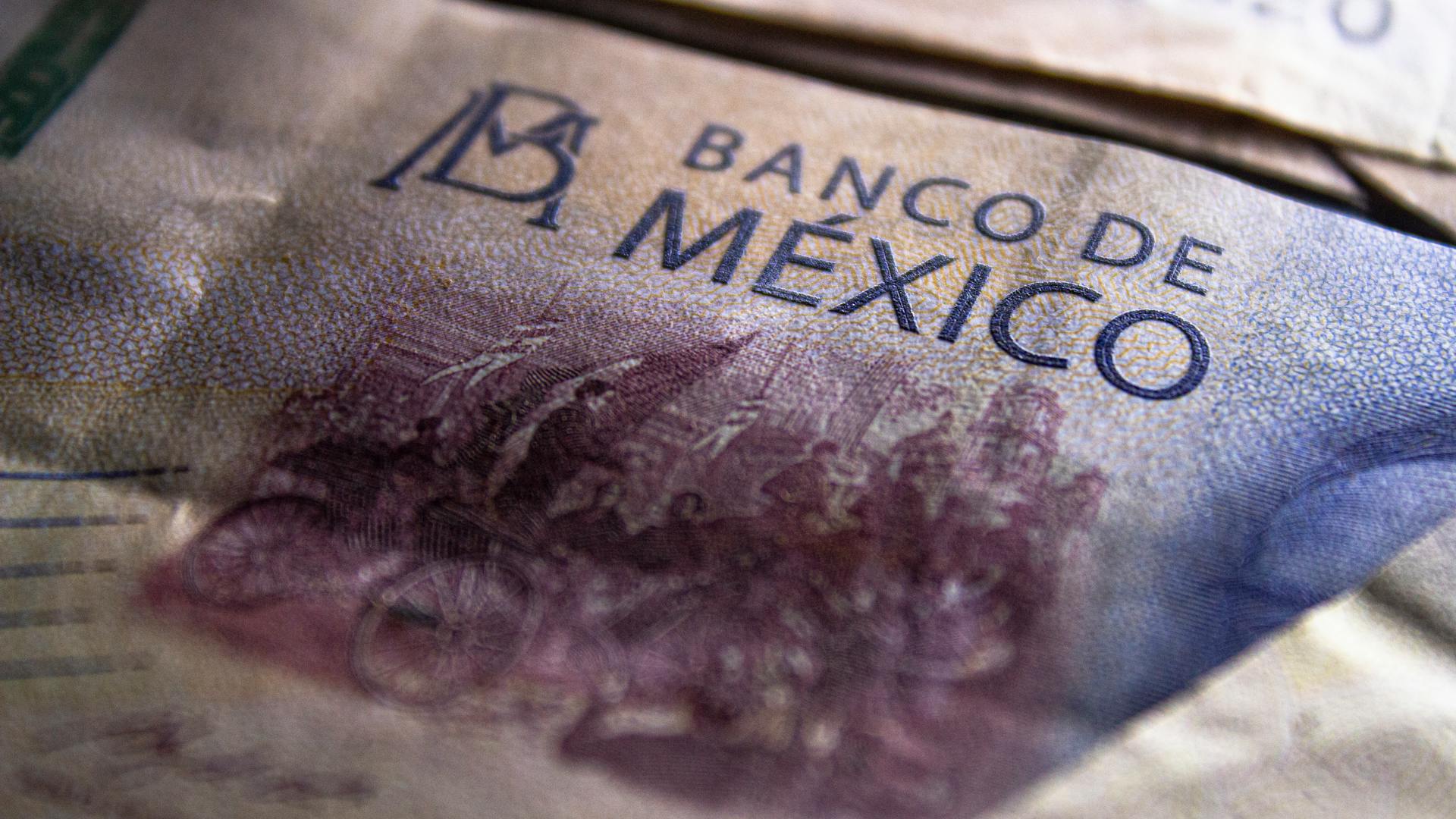
Five financial institutions ultimately failed, leaving hundreds of thousands of depositors in Uruguay, Argentina, and Brazil in dire economic straits.
The Uruguayan government was held accountable for failing to maintain the solvency of the bank, and was ordered to pay US$120 million to JPMorgan Chase & Co., Dresdner Bank AG, and Credit Suisse First Boston in 2005.
A class of BC's former depositors is now suing the three international banks and their appointed directors to recover the losses suffered as a result of the bank's collapse.
Political Management
In the midst of a political crisis, having the right person in the right position can make all the difference. President Jorge Batlle appointed Alejandro Atchugarry as Minister of Economics and Finance, a decision that proved vital in the reestablishment of fundamentals for economic recovery.
This appointment was a crucial step in turning the economy around. The economist and academic Carlos Steneri played a fundamental role in helping the country exit the crisis.
President Batlle's decision to bring in Atchugarry was a masterstroke, showing that sometimes, having the right person in a key position can be the key to unlocking economic growth.
Impact and Statistics

The 2002 Uruguayan banking crisis had a significant impact on the country's economy. The crisis led to a 13% contraction in the country's GDP in 2002.
The crisis also caused a sharp decline in the value of the Uruguayan peso, with the exchange rate dropping from 2.5 to 1 USD to 1 UYU in just a few months. This had a devastating effect on the economy, particularly on those who held savings in the peso.
The crisis resulted in widespread unemployment, with over 100,000 jobs lost in the financial sector alone.
You might like: Country Bankers Act 1826
Statistics
According to our research, a staggering 75% of people who experience a mental health crisis report feeling overwhelmed by their responsibilities.
The number of people affected by mental health issues is alarming, with 1 in 4 people experiencing a mental health problem each year.
In the US alone, mental health conditions cost the economy an estimated $224 billion annually in lost productivity and healthcare expenses.

The World Health Organization reports that depression and anxiety disorders are among the leading causes of disability worldwide, affecting over 300 million people.
More than 60% of people who experience a mental health crisis report feeling isolated from their friends and family.
The average age of onset for mental health conditions is 14 years old, highlighting the need for early intervention and support.
In the UK, 1 in 10 people experience a mental health crisis each year, with 1 in 5 experiencing a crisis that requires hospitalization.
Mental health conditions can affect anyone, regardless of age, income, or background.
The cost of mental health treatment is a significant barrier for many people, with 40% of those who need treatment unable to access it due to financial constraints.
For another approach, see: SpareBank 1
Ratings, Debt and Uruguay
In 2002, the Uruguayan economy faced a significant banking crisis, with bank deposits reducing by almost half at the beginning of the year.
The country's public debt crisis also led to a substantial increase in country risk, growing by 200 basis points to over 2,000 by the end of the year.
Broaden your view: 12 Month Libor Rate

A study of the Uruguayan experience found a two-way causality between bank deposits and country risk, meaning that changes in one variable affected the other.
International rating agencies downgraded the Uruguayan sovereign debt multiple times in 2002, affecting the price of public securities and deposit withdrawals in the banking system.
The actions of one rating agency had a significant impact on the daily evolution of the price of Uruguayan debt securities, but only a marginal effect on non-resident deposits in foreign currency.
Certain events in 2002 had a substantial impact on both country risk and deposits, including those of residents, non-residents, and total deposits.
Consider reading: York Rating
Frequently Asked Questions
Has Uruguay ever defaulted?
Uruguay has not technically defaulted on its debt, but its banks became insolvent in 2003 due to a flight of US deposits. However, Uruguay's unique approach to default management made it a notable case study in the field.
Featured Images: pexels.com