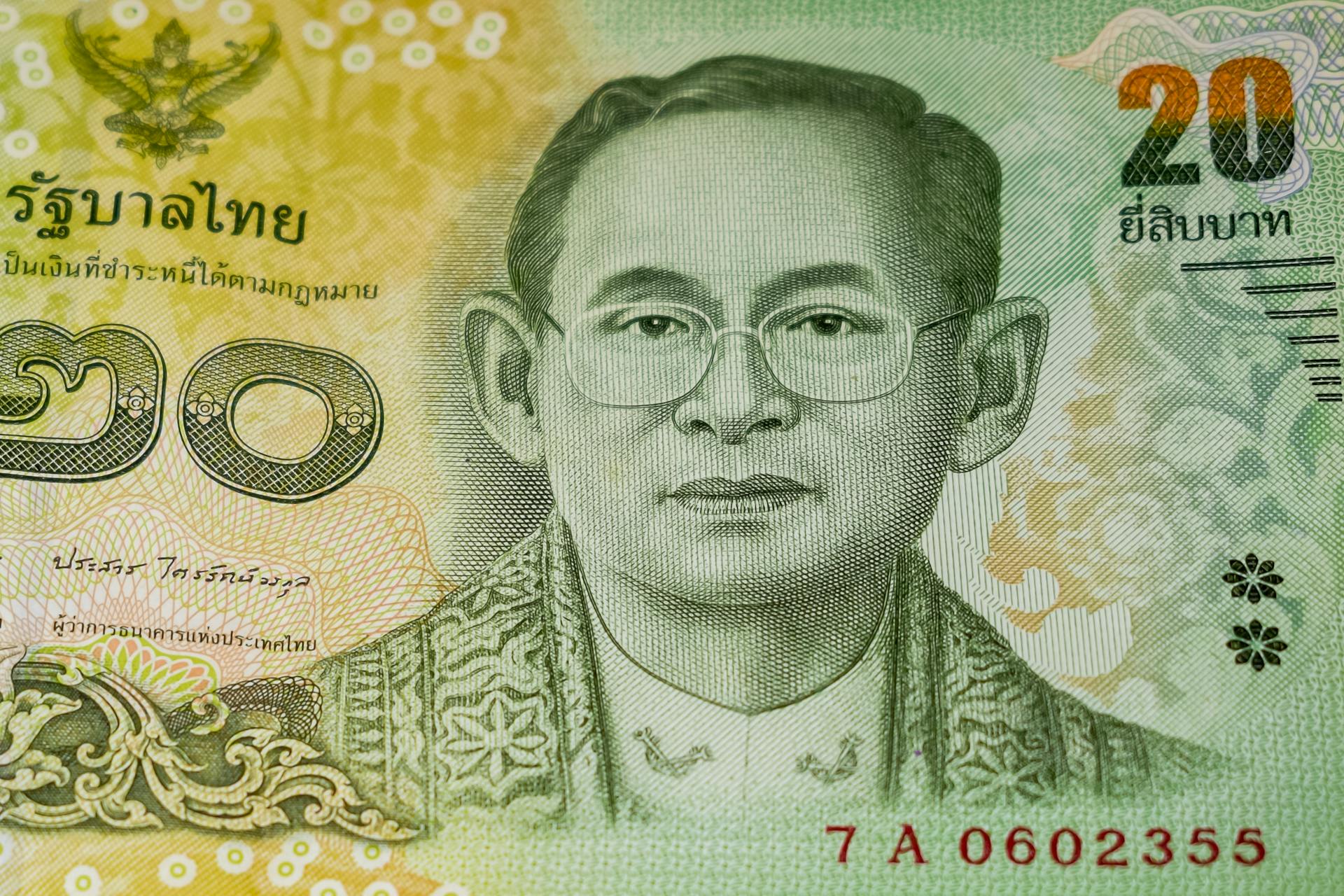
The 1997 Asian financial crisis was a global economic impact that still resonates today. The crisis began in Thailand in July 1997, when the Thai baht collapsed, causing a ripple effect throughout the region.
The crisis spread to other countries in Southeast Asia, including Indonesia, Malaysia, and the Philippines. These countries experienced a sharp decline in their currencies, leading to a significant increase in their foreign debt.
The crisis had a devastating impact on the economies of these countries, with GDPs declining by as much as 20% in some cases. The crisis also led to widespread job losses and poverty, affecting millions of people in the region.
The global economy was also severely affected, with the crisis leading to a significant decline in international trade and investment.
Root Causes Explained
The 1997 Asian financial crisis was a complex event with multiple root causes, but some key factors stand out.
Export-led economic growth, which was encouraged by governments, created risk by fostering close ties among conglomerates, financial institutions, and their regulators.
This led to a massive moral hazard in Asian economies, encouraging major investment in marginal and potentially unsound projects.
Investors often didn't assess the profitability of an investment but instead looked to its political support, thanks to explicit and implicit government guarantees to bail out domestic industries and banks.
Large volumes of foreign money flowed in, often with little attention to potential risks, further exacerbating the problem.
Domestic credit had expanded rapidly for years, often poorly supervised, creating significant leverage and loans extended to dubious projects.
Rapidly rising real estate values, fueled by easy access to credit, contributed to the problem, as did rising current account deficits and a buildup in external debt.
Many Asian economies entered current account deficits, with heavy government spending directed to supporting continued export growth.
Governments managed exchange rates to balance their ability to pay debts denominated in foreign currencies, which often led to a higher-valued local currency, making imports cheaper.
However, this also made it harder for local borrowers to pay debts denominated in foreign currencies, as the value of the domestic currency fell.
Countries Affected
South Korea was hit hard by the 1997 Asian financial crisis. The country's banking sector was burdened with non-performing loans due to aggressive expansions by large corporations.
The crisis led to major failures and takeovers, including the bankruptcy of Kia Motors, which asked for emergency loans in July 1997. The domino effect of collapsing large South Korean companies drove interest rates up and international investors away.
The Seoul stock exchange saw significant drops, with a 4% fall on 7 November 1997 and a 7% plunge on 8 November 1997.
See what others are reading: Credit Counseling Certificate Chapter 7 Free
Asia
Thailand's economy experienced a remarkable 9% annual growth rate from 1985 to 1996, but it came crashing down in 1997. The country's GDP growth rate plummeted, and the Thai baht lost more than half of its value, reaching a low of 56 units to the U.S. dollar in January 1998.
The Asian financial crisis had a devastating impact on Thailand's economy, with massive layoffs in finance, real estate, and construction. This led to huge numbers of workers returning to their villages in the countryside and 600,000 foreign workers being sent back to their home countries.
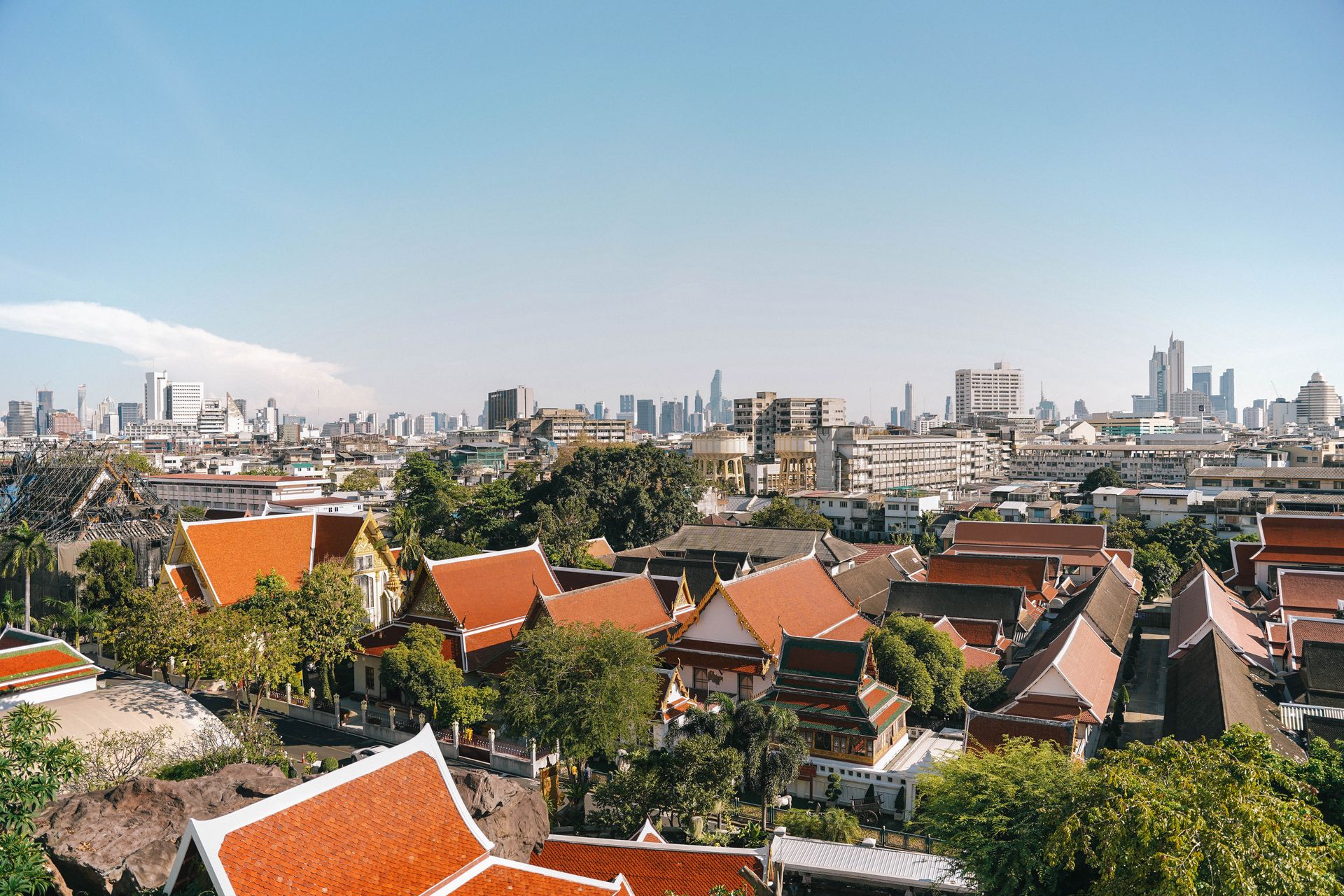
In 1997, South Korea's banking sector was burdened with non-performing loans, and the country's GDP growth rate slowed dramatically. The crisis resulted in the bankruptcy of major Korean companies, including Kia Motors and Samsung Motors, and the country's national debt-to-GDP ratio more than doubled.
The crisis also hit the Philippines hard, with the peso dropping from 26 pesos per dollar at the start of the crisis to 46.50 pesos in early 1998. The country's GDP contracted by 0.6% during the worst part of the crisis, but grew by 3% by 2001.
Singapore's economy dipped into a short recession, but the government's active management helped to cushion the impact. The country's economy fully recovered and continued on its growth trajectory, with the Singaporean dollar depreciating by only 20% to guide the economy to a soft landing.
Japan's economy was also affected by the crisis, with the real GDP growth rate slowing dramatically in 1997 and even sinking into recession in 1998. The country's trade deficit with Asian countries increased, and many companies complained that they could not compete with cheapened rivals.
Worth a look: Competition Act 1998
China
China's economic policies played a crucial role in limiting the impact of the Asian Financial Crisis. The country's nonconvertible capital account and foreign exchange control helped shield it from the worst of the crisis.
The Chinese currency, the renminbi (RMB), was pegged to the U.S. dollar at a ratio of 8.3 RMB to the dollar since 1994. This peg helped protect the RMB's value from currency speculators.
China's foreign investment took the form of factories on the ground, rather than securities, which insulated the country from rapid capital flight. This helped China avoid the economic turmoil that affected many of its Southeast Asian neighbors.
Despite being largely unaffected by the crisis, China's GDP growth slowed sharply in 1998 and 1999, highlighting structural problems within its economy. The country's banking system had too many non-performing loans.
In a bold move, China contributed $4 billion to neighboring countries via bilateral bailouts and IMF packages. This gesture earned China recognition as a "source of stability for the region" in a World Bank report.
The Asian Financial Crisis solidified Chinese policymakers' views on the importance of state supervision in the economy. This led to a shift away from market-oriented reforms and a focus on tightening financial regulations.
For another approach, see: Us Dollar Yuan Exchange Rate History
Hong Kong

Hong Kong's economy was not as severely impacted by the 1997 Asian financial crisis as some other countries. The Hong Kong dollar was pegged at 7.8 to the U.S. dollar since 1983, and the Hong Kong Monetary Authority managed to maintain the peg despite massive speculative pressure.
Monetary authorities spent more than $1 billion to defend the local currency, and the Hong Kong Monetary Authority had more than $80 billion in foreign reserves. The HKMA raised overnight interest rates from 8% to 23% in October 1997, and at one point to 280%, in an attempt to protect the currency.
The HKMA started buying component shares of the Hang Seng Index in mid-August 1998, and the Government ended up buying approximately HK$120 billion (US$15 billion) worth of shares in various companies. This move allowed the Government to become the largest shareholder of some of those companies, such as HSBC.
The Government started selling those shares by launching the Tracker Fund of Hong Kong in 1999, making a profit of about HK$30 billion (US$4 billion).
For more insights, see: Payme Hk Macau
Outside Asia
Outside Asia, several countries have been significantly impacted by the pandemic.
The United States has seen a high number of cases and deaths, with over 400,000 reported fatalities as of the latest data available.
Italy has been one of the hardest-hit countries in Europe, with widespread lockdowns and a significant impact on its economy.
The United Kingdom has also been severely affected, with a high number of cases and a significant increase in hospitalizations.
Brazil has struggled to contain the spread of the virus, with a large number of cases and a significant impact on its healthcare system.
Consequences
The 1997 Asian financial crisis had far-reaching consequences for the affected countries.
The Thai baht lost half its value, falling from 26 to the U.S. dollar to 53 by the end of 1997.
Inflation and economic downturns swept across the region, with some countries falling into severe recession.
Indonesia's GDP growth plummeted from 4.7% in 1997 to -13.1% in 1998, while Malaysia's GDP growth contracted from 7.3% to -7.4% over the same period.
Take a look at this: How Much Money Has Us Given Israel since October 7
The crisis led to the collapse of the three-decade-old dictatorship of President Suharto in Indonesia.
The International Monetary Fund (IMF) and The World Bank poured some $118 billion into Thailand, Indonesia, and South Korea to bail out their economies.
Affected countries restructured their economies, strengthening weak financial systems and lowering debt levels as a condition of IMF help.
Government Responses
The IMF provided loans to stabilize the economies affected by the crisis, lending roughly $118 billion to Thailand, Indonesia, and South Korea.
Governments had to raise taxes, cut spending, and eliminate many subsidies as a condition of the loans. This was a tough pill to swallow, but it ultimately helped the affected countries begin to show signs of recovery by 1999.
The U.S. Federal Reserve Bank brokered a deal in December 1997 to roll over short-term loans owed by South Korean companies into medium-term loans, providing some much-needed relief.
In the aftermath of the crisis, governments took measures to restore their economies, including floating their currencies, negotiating loans with the IMF, and implementing economic recovery plans.
Curious to learn more? Check out: Is Apple Affected by Crowdstrike
United States

The United States played a significant role in addressing the Asian financial crisis, with the U.S. Treasury working closely with the IMF to find solutions.
The American markets were severely impacted, with the Dow Jones industrial plummeting 554 points or 7.2% on October 27, 1997, amid ongoing worries about the Asian economies.
This mini-crash led to a drop in consumer and spending confidence, but surprisingly, the economy still managed to grow at a robust 4.5% for the entire year.
The strong economic growth in 1997 and 1998 shows that the U.S. economy was resilient during this time.
Broaden your view: U. S. Steel Košice, S.r.o.
Government Responses
Governments and institutions responded to the Asian Financial Crisis by providing loans to stabilize the economies affected by the crisis, with the IMF lending roughly $118 billion to Thailand, Indonesia, and South Korea.
The IMF and other financial institutions imposed conditions on the loans, requiring governments to raise taxes, cut spending, and eliminate many subsidies.
For another approach, see: Accounting and Auditing Organization for Islamic Financial Institutions

In Thailand, the government implemented a Floating Exchange Rate System, cancelling the Fixed Exchange Rate System with major trading partners and utilizing a Floating Exchange Rate System on July 2, 1997.
The government also negotiated a loan with the IMF, signing and accepting the loan conditions on August 14, 1997.
To control inflation and prevent capital outflow, the government increased interest rates, which helped to attract capital inflows and promote stability for the currency.
In addition, the government implemented a financial institution restoration plan, allowing some financial institutions to reopen for business and raising capital through public savings, selling shares to foreigners, and bond sales to the general public.
The government also took out a 53,000 million Baht loan from Japan in accordance with the Miyazawa plan, and decreased Value Added Tax (VAT) from 10% to 7%, and decreased 23,800 million Baht worth of petroleum tax.
These measures helped to stimulate the economy and reduce the burden of debt on businesses and individuals.
In some cases, governments also intervened in the financial sector by closing down troubled financial institutions, as was done in Thailand, where 58 financial institutions were closed down and their assets were managed by the Financial Institution Asset Management Corporation (FIAMC).
Related reading: Aker Floating Production
Lessons Learned
The 1997 Asian financial crisis was a wake-up call for the global economy, and many of the lessons learned from it remain relevant today. One key takeaway is that asset bubbles can burst, causing widespread economic damage.
Governments need to control spending and pursue prudent economic development policies to prevent such crises. The International Monetary Fund (IMF) intervened in several Asian countries, but its bailouts came with strict conditions for economic reforms and spending cuts.
The crisis highlighted the dangers of over-leveraged economies, excessive unregulated borrowing, and risky investment practices. It also showed how interconnected global markets can spread financial contagion rapidly.
Some countries were more resilient than others, thanks to solid economic fundamentals and hefty foreign exchange reserves. For example, Hong Kong fended off several major speculative attacks on its currency, which is pegged to the U.S. dollar via a currency board system and backed by massive U.S. dollar reserves.
Here are the key causes of the Asian financial crisis:
- Over-leveraged economies
- Excessive unregulated borrowing
- Risky investment practices fueled by government policies that promoted rapid growth
To prevent similar crises, it's essential to have regulatory oversight, prudent economic policies, and awareness of macroeconomic vulnerabilities.
Background and History
The 1997 Asian financial crisis was a pivotal event in modern economic history. It began in Thailand in July 1997.
The Thai baht's value plummeted, triggering a chain reaction of currency devaluations across the region. This led to a severe economic downturn in several countries.
Thailand's economic problems started with a massive speculative bubble in the property market, fueled by foreign investment. The bubble burst in 1997.
The International Monetary Fund (IMF) stepped in to provide financial assistance to Thailand and other affected countries. This was the first time the IMF had intervened in a crisis of this scale.
The crisis was a wake-up call for the Asian economies, leading to a period of economic reform and restructuring.
Economic Reforms
The International Monetary Fund (IMF) created a series of bailouts, known as "rescue packages", for the most-affected economies to avoid default.
These packages were tied to currency, banking, and financial system reforms, which were imposed to restore confidence in the nations' fiscal solvency.
The IMF's support was conditional on a series of economic reforms, known as the "structural adjustment package" (SAP). The SAPs called on crisis-struck nations to reduce government spending and deficits.
The SAPs also required countries to allow insolvent banks and financial institutions to fail, and to aggressively raise interest rates. This was done to penalize insolvent companies and protect currency values.
In at least one of the affected countries, the restrictions on foreign ownership were greatly reduced. This allowed foreign investors to buy up assets at a discounted price.
The IMF also stipulated that IMF-funded capital had to be administered rationally in the future, with no favored parties receiving funds by preference.
Additional reading: Insolvent Debtors (England) Act 1813
Crisis Overview
The 1997 Asian financial crisis was a major economic event that had far-reaching consequences for the region. It began in Thailand and quickly spread across Asia, resulting in currency devaluations, economic contractions, and recessions in multiple countries.
The crisis highlighted the dangers of asset bubbles, moral hazards in market investments, and the impact of interconnected global markets. It served as a case study for economists worldwide, emphasizing the importance of regulatory oversight, prudent economic policies, and awareness of macroeconomic vulnerabilities.
The crisis was triggered by over-leveraged economies, excessive unregulated borrowing, and risky investment practices fueled by government policies that promoted rapid growth. This led to a chain reaction of events, with countries like Malaysia, the Philippines, and Indonesia struggling to defend their currencies.
In October 1997, the crisis spread to South Korea, where a balance-of-payments crisis brought the government to the brink of default. The crisis also put pressure on other economies, but those with solid economic fundamentals and hefty foreign exchange reserves fared much better.
Some of the key countries affected by the crisis include:
- Thailand: The crisis began in Thailand, which had a highly leveraged economy and a currency that was under attack.
- Malaysia: Malaysia had to let its currency fall due to market pressure.
- Indonesia: Indonesia was also heavily affected, with a balance-of-payments crisis that brought the government to the brink of default.
- South Korea: South Korea was the last major country to be affected by the crisis, with a balance-of-payments crisis that led to a near-default situation.
Featured Images: pexels.com